Most people do not fail at habits; they overload them at the start. If you want to learn how to build consistency without pressure, you need lighter rules that fit real days. Consistency is easier when you reduce decisions and lower expectations.
This article focuses on four practical tips you can repeat even when life is busy. Each tip is paired with one app that supports the habit quietly. You will also learn how to recover from missed days without restarting. Start small, and let stability do the work.
Create A Default Routine That Removes Daily Decisions
Consistency breaks when you have to choose from scratch every day. A default routine gives you a starting point that feels familiar.

It works because your brain stops negotiating the first step. You are not trying to be perfect; you are trying to show up.
The goal is a routine that fits your schedule and your energy. Keep it short, and let it be your baseline. This builds a reliable starting point that makes habits feel less stressful.

Choose One “Same First Step” That Starts Everything
Pick one action you can do on your worst day. It can be filling a water bottle, opening a notebook, or putting on shoes.
The first step should take under one minute and require no motivation. Once you do it, you may continue, but you do not have to.
This keeps the routine alive even when energy is low. Over a week, the first step becomes automatic and comforting. That is the real win because it prevents long breaks.
Keep The Default Short Enough To Survive Busy Weeks
A default routine should be small enough to survive travel and deadlines. Aim for two to three steps and keep them in the same order.
If the routine is longer than five minutes, it may collapse on tired nights. You can expand later, but only after it feels effortless.
Treat the default like a safety net, not a performance plan. This mindset protects your consistency baseline when your schedule changes.
Use Routinery To Make The Sequence Feel Automatic
If you want a gentle structure, Routinery can guide your sequence with timers. Set your two or three steps, then start the routine and follow along. The app reduces thinking because it tells you what is next.
Keep the timers short so you do not feel trapped by the schedule. Use it for a week without changing the routine, then adjust if needed. This creates less decision fatigue and makes showing up simpler.
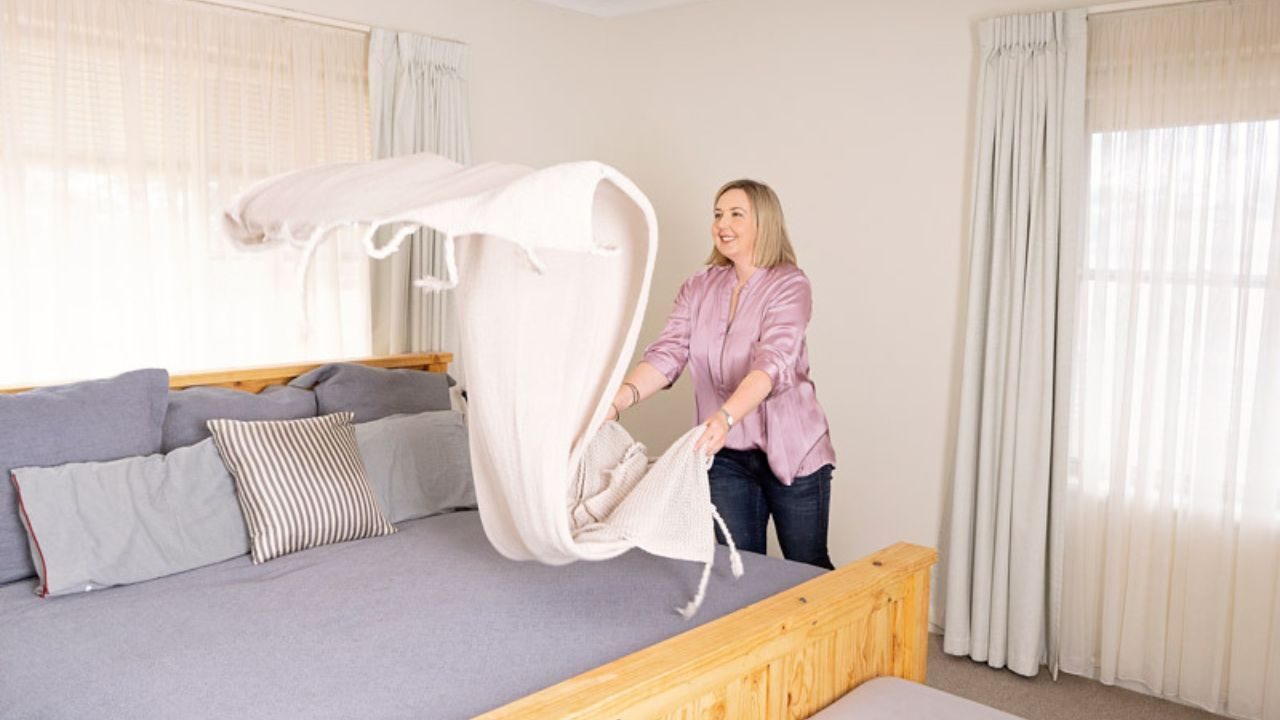
Prepare The Night Before To Lower Morning Pressure
Many routines fail because mornings are rushed and emotional. Preparing the night before reduces friction when you wake up.

It also lowers the number of decisions that can trigger stress early. This tip works best when you keep it small and specific.
You are not organizing your whole life; you are setting up one smooth start. The goal is to make tomorrow easier without stealing your evening. Think of it as tomorrow’s favor that you can repeat.
Do A Two-Minute Setup That Removes One Common Stressor
Pick one stressor that often derails your morning. It can be clothing, lunch, a charger, or a bag by the door.
Set it up in two minutes and stop when the timer ends. If you add extra tasks, the habit becomes heavy, and you will avoid it.
The point is not cleaning, it is removing one predictable obstacle. Over time, this creates a calmer first hour and less emotional reactivity.
Use A “One Choice Only” Rule To Avoid Overplanning
Night planning can turn into spiraling if you try to solve everything. Limit yourself to one choice, such as tomorrow’s first task or one appointment.
Write it down, then close the loop and move on. If new thoughts show up, capture them briefly and return to wind-down.
This keeps your brain from turning bedtime into an argument. The routine stays maintainable because planning has boundaries instead of endless upgrades.
Use Any.do To Park Tasks Without Carrying Them To Bed
Any.do can help you capture tomorrow’s key item in seconds. Add one task, set one reminder if needed, and then close the app.
The tool is helpful when you want to stop rehearsing what to do next. Keep the list short so it feels supportive, not demanding. Use the same time each night so it becomes part of your shutdown. This creates clean mental closure and protects your sleep.
Use Rewards That Reinforce Identity Instead Of Perfection
Pressure grows when you reward only perfect streaks or big outcomes. A better reward system reinforces who you are becoming.

This tip builds consistency by making small actions feel meaningful. It also reduces guilt, because you celebrate participation, not flawless execution. Rewards should be quick, reasonable, and linked to effort.
If rewards feel expensive or complicated, they create more stress. Aim for identity-based reinforcement that keeps you steady over time.
Celebrate The Attempt, Not Only The Best Result
Pick a reward that happens after you show up, not after you excel. For example, after a short walk, you can enjoy a favorite tea.
After ten minutes of reading, you can play one song you love. The reward should be small enough to repeat without negotiation.
This teaches your brain that starting is valuable. When starting feels good, consistency becomes easier. You build positive feedback without pressure.
Use A “Good Enough” Score To Prevent All-Or-Nothing Thinking
Perfection turns one missed day into a reason to quit. Instead, rate your effort on a simple scale like pass or pause. A pass means you did the minimum version, even if it was tiny.
A pause means you skipped, but you still plan a return tomorrow. This keeps the story neutral and stops shame from driving decisions. Over time, you learn that missed days are normal and that recovery is part of the system.
Use I Am To Support An Identity You Can Repeat Daily
I Am can support identity-based rewards through short prompts. Choose a small set that matches your goal, like patience or discipline. Read one prompt after you complete the minimum habit, then move on.
Keep it brief so it feels like reinforcement, not a ritual you must perfect. The goal is to link action with a steady self-image. This builds confidence through repetition and reduces pressure to perform.
Borrow Structure From Community Without Adding Social Pressure
Some people stay consistent better when they feel seen. Community can support habits, but it can also create comparison and stress.

The key is to borrow structure, not competition. This tip works when you keep participation light and private. You do not need public posts or big challenges.
You need a simple way to show up and keep moving. Think of it as quiet accountability that supports your routine.
Choose A Low-Pressure Connection That Matches Your Energy
Pick one community format that feels easy to maintain. It can be one friend who checks in weekly or a small online group.
Avoid spaces that trigger comparison or guilt, especially early. Keep your goal simple, like showing up three times a week.
If you feel drained, lower participation instead of quitting entirely. This keeps the support helpful and sustainable. You build social support without overload.
Use A Private Tracking Rule So You Stay Focused On You
To reduce pressure, keep your progress private for the first month. Track what you did, not how impressive it looked. Use simple measures like time spent or days completed. When you compare less, you stay consistent more.
If you slip, you can return quietly without feeling exposed. This approach is especially useful for beginners. It protects your internal motivation and keeps the habit yours.
Use Strava As A Log, Not A Competition
Strava can work as a personal log when you adjust how you use it. Turn off unnecessary notifications and focus on recording your activity. Use it to notice patterns, like which days you move more.
Follow only accounts that inspire you without making you feel behind. If leaderboards trigger pressure, ignore them completely. The point is showing up, not winning. Used this way, Strava supports steady visibility without stress.
Conclusion
Consistency becomes easier when your system protects you from pressure. If you want to know how to build consistency without pressure to feel real, focus on simple structures you can repeat.
Use a default routine to remove daily decisions and prepare one thing the night before. Reward the identity you are building, not a perfect streak. Borrow community structure only in ways that feel supportive.