Home Blog

Simple Ways to Manage Emotions Day to Day

0

You can manage emotions without changing your whole life. This guide shares simple ways to manage emotions day to day with repeatable tools. Small skills help you stay steady when stress, conflict, or pressure shows up. 

You will learn to notice early signals, calm your body, and organize your thoughts. You will practice clear communication that prevents emotional buildup. 

You will use simple self-care habits that support mood and focus. Start with one tool today and build from there.

Simple Ways to Manage Emotions Day to Day
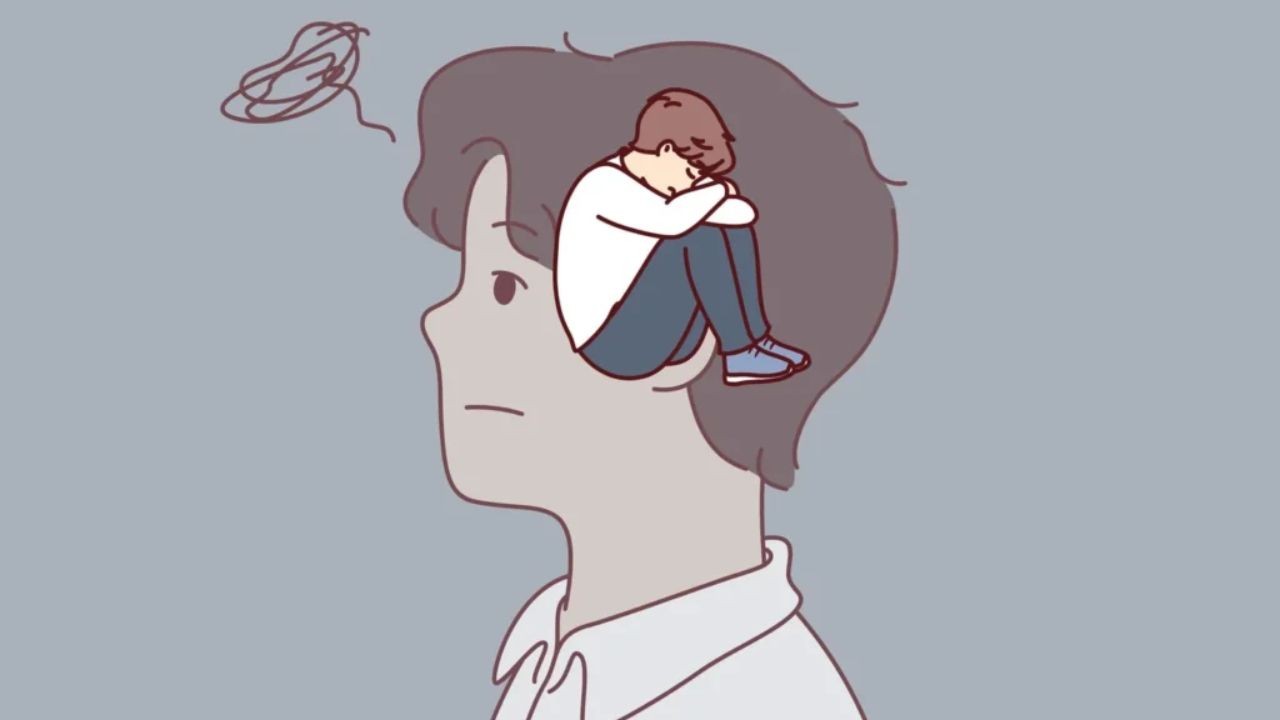
Image Source: WFLA

Understand Emotions Without Judging Yourself

Emotions are messages from your body, not proof that you are weak. When you label feelings as bad, you add shame on top of stress. 

A better approach is to get curious about what the emotion points to. This helps you respond with intention rather than react quickly. 

Simple Ways to Manage Emotions Day to Day
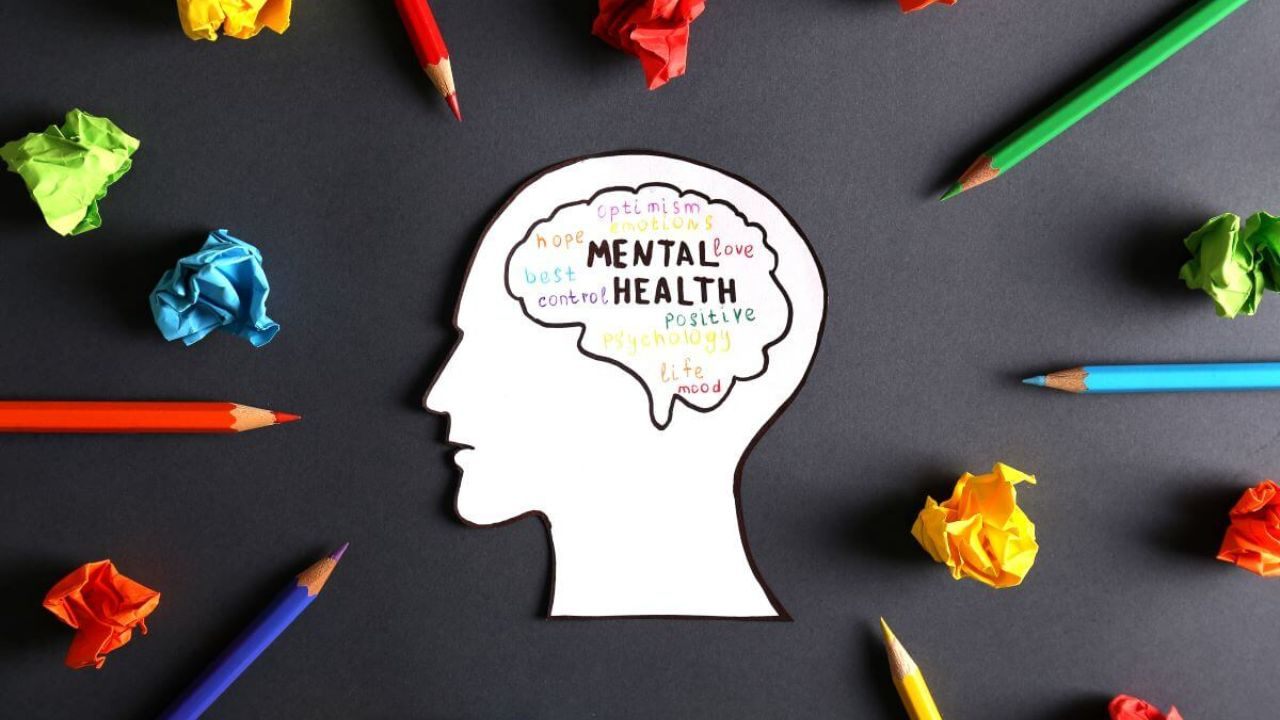
Image Source: Creative Therapy Consultants

In this section, you will learn emotion awareness skills that make every other tool easier. That foundation makes daily regulation more realistic.

Separate Feelings From Actions

A feeling happens inside you, while an action is what you do next. You can feel angry and speak calmly, or feel anxious and still act. This separation lowers guilt because you stop blaming yourself. 

It increases control by focusing on behavior you can change. Use one line: I feel this, and I choose my next step. That pause supports healthy emotional control when pressure rises.

Notice Early Body Signals

Emotions show up in the body before they become thoughts. You might notice a tight chest, warm face, stomach drop, or shaky hands. Treat these signals as early alerts, not problems to hide or fight. 

Name the moment by saying, “My body is reacting right now”. Do a quick check at breakfast, midday, and evening. Early noticing supports daily emotional regulation and helps you calm faster.

Track Common Emotional Triggers

Triggers are situations that raise emotion, even when you want to stay calm. They can be obvious, like conflict, or subtle, like rushing or feeling judged. Write down three recent moments when your mood shifted quickly. 

Note what came right before, such as a tone, text, or delay. Pick one plan for next time, like a pause or boundary. Knowing your patterns is a key part of emotional triggers awareness.

Use Quick Tools to Calm Emotional Intensity

When emotions spike, your brain looks for relief and may choose a coping mechanism that backfires. Regulation tools lower intensity so you can think, speak, and decide. 

Simple Ways to Manage Emotions Day to Day
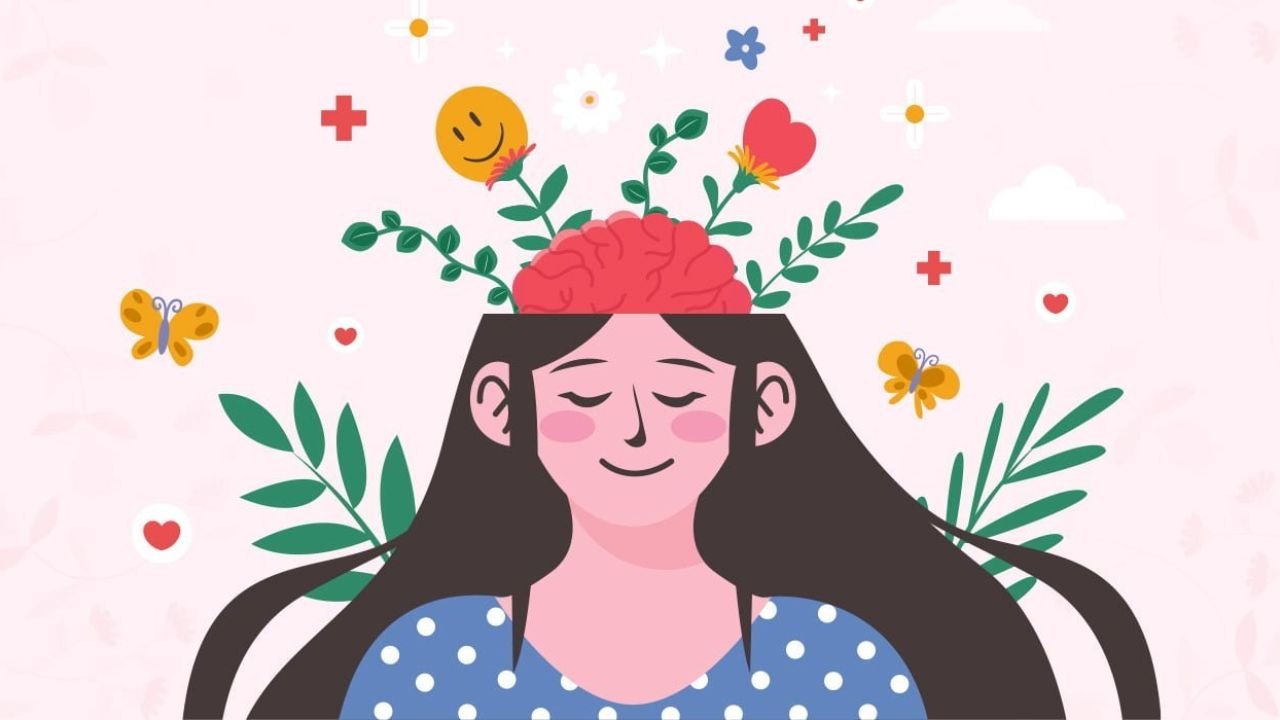
Image Source: EHL Insights

They are not about suppressing feelings or pretending nothing is wrong. They are short actions that help your nervous system settle. Pick one tool and practice it on calm days, not only hard days. Repetition builds fast, natural stress relief.

Try Box Breathing for Fast Calm

Box breathing is a pattern that steadies the body and slows racing thoughts. Inhale for four counts, hold for 4, exhale for 4, then hold for 4. Repeat the box 3 times, keeping your shoulders relaxed. 

If counting is hard, trace a square with your finger while breathing. Use it before a meeting, exam, or tense conversation. It works best when you practice each day briefly as a breathing technique for stress.

Use an Orienting Reset to Stop Reactivity

An orienting reset helps when you feel stuck in a stress tunnel. Look left, center, then right, and notice colors and shapes. Name 3 objects and describe one detail about each, like texture. 

This tells your brain you are safe to observe, not only react. Add one slow breath to deepen the calmer state. Use this after a stressful message or when you feel overstimulated. It is a practical grounding exercise for daily emotional spikes.

Use Cold Sensation to Shift the Body Quickly

Temperature shifts can reduce emotional intensity by changing body sensations quickly. Run cool water over your wrists for 20 seconds, then dry your hands. Outside, hold a cold bottle or touch a cool cloth to your neck. 

Focus on sensations rather than replaying the stressful scene. This can help with anger, anxiety, and panic-type feelings. Use it, then choose your next step with a clearer head. This is a helpful, quick, calm technique when your body feels activated.

Organize Your Thoughts to Reduce Emotional Overload

Emotions feel heavier when your mind is carrying too many open tasks and worries. Mental organization does not mean forcing positivity or ignoring real problems. 

Simple Ways to Manage Emotions Day to Day
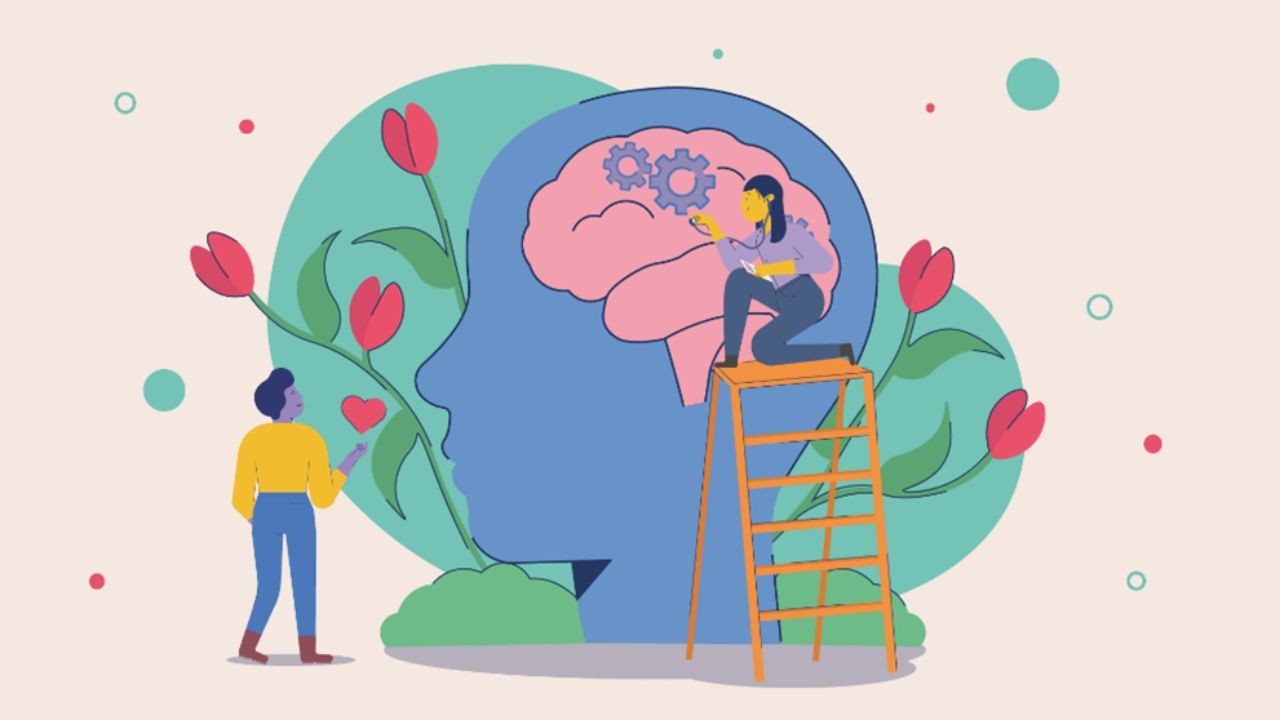
Image Source: Psychology Today

It means creating a simple structure so your thoughts stop piling up. When you can name the issue and pick a next step, stress drops. 

The tools below are short and realistic for busy days. They help you regain clarity without overthinking. Think of this as mental organization for emotional well-being.

Label the Emotion, Identify the Need, Take One Step

When you feel flooded, start by labeling the emotion in one word. Next, identify the need under it, such as rest, clarity, or support. Then choose one small action that matches the need, even if it is tiny. 

If you need clarity, write one question you can ask. This method stops analysis because it leads you to a decision. Use it when your thoughts feel loud and scattered. It is an effective emotion management method you can repeat daily.

Do a 5-Minute Brain Dump With a Decision

A short brain dump lowers stress by moving thoughts onto paper. Set a timer for 5 minutes and write anything that is pulling at you. When it ends, draw two columns: “Can Act” and “Cannot Act”. 

Sort each item, then choose one action from the first column. Close your notes and return to the one task in front of you. This creates closure and reduces rumination later. It is a practical brain dump for a clarity tool.

Use the 1, 2, 3 Priority Filter

Overwhelm grows when a list is long and feels urgent. Choose one must-do, two should-dos, and three nice-to-dos. Write them in that order and start with the first item only. If you finish early, move down the list, but do not add more. 

This reduces decision fatigue and helps you feel progress quickly. A shorter plan supports calmer emotions all day. This is a reliable daily priority system for emotional balance.

Build Communication Habits That Protect Emotional Energy

Emotional strain often increases when needs stay unspoken or unclear. You may try to push through, but feelings tend to build under the surface. 

Simple Ways to Manage Emotions Day to Day
Image Source: CDC

Clear communication reduces misunderstandings and, over time, lowers resentment. It also helps you ask for support before you reach a breaking point. The goal is not perfect wording, but honest and respectful messages. 

These habits protect relationships and your own emotional energy. This is communication for emotional well-being in daily life.

Use Observation, Feeling, Request

A simple script helps emotional conversations avoid blame or defensiveness. Start with a neutral observation, name the feeling, then make a request. For example: “When plans change late, I feel stressed, and I need notice. 

Keep the request specific so the other person can respond. If the talk gets tense, repeat your request once, then pause. This style improves emotional safety in relationships. It is a practical, healthy communication script you can use often.

Set Boundaries Without Overexplaining

Boundaries protect your emotions by limiting what drains you daily. State your boundary in one sentence, without long explanations or apologies. Try, “I cannot talk about this tonight” or “I will reply tomorrow”. 

If someone pushes back, repeat the sentence calmly and change the topic. You can offer an option, like setting a time to revisit. Short boundaries are easier to follow and respect by others. This supports setting healthy boundaries without conflict.

Repair After Conflict to Recover Faster

Repair helps you recover after a conflict instead of carrying it for days. Start by naming what happened in a calm, factual way. Then take responsibility for your part, even if it is only your tone. 

Next, say what you will do differently, and ask what they need. Keep it brief, because long explanations can restart the argument. A short repair reduces shame and rebuilds trust faster. This is an important conflict repair habit for emotional stability.

Strengthen Daily Routines That Support Emotional Balance

Emotion skills work best when your body has stable energy and recovery. If you are deprived, hungry, or overstimulated, emotions feel sharper. 

Simple Ways to Manage Emotions Day to Day
Image Source: Calmerry

Self-care here means routines that support mood, not luxury spending. You will focus on sleep cues, fueling, and gentle movement. 

These basics lower reactivity and shorten bounce back time after stress. Think of them as daily maintenance for overall emotional well-being. These are daily routines for emotional balance that actually stick.

Protect Sleep With Simple Evening Habits

Sleep affects emotion regulation because your brain processes stress during rest. Pick a wake time, then aim for a steady bedtime range most nights. Create an evening cutoff for work, debates, and scrolling. 

In the last hour, lower the lights and choose activities like reading. If you wake at night, keep the room dark and avoid checking messages. Better sleep raises your tolerance for daily stress. This is a practical sleep hygiene routine for emotional support.

Support Mood With Food, Water, and Light Movement

Mood can swing when your blood sugar drops or you run on caffeine. Eat regular meals with protein and fiber for steadier energy. Drink water earlier in the day to reduce headaches and fatigue. 

Add light movement, like a 10-minute walk, gentle yoga, or stretch breaks. These habits support focus and reduce irritability on busy days. 

When your body feels steady, emotions are easier to manage. This is a realistic self-care routine that supports daily stability.

Conclusion

Emotional well-being is built from small choices you repeat, not breakthroughs. Start by noticing signals and separating feelings from actions. Use one regulation tool to calm your body before responding. 

Add a simple organization so your mind has fewer open loops. Communicate needs early and protect energy with clear boundaries. With practice, simple ways to manage emotions day to day become your default.


Emotional Wellness Habits That Actually Help

0

Emotional well-being depends on how you manage stress, thoughts, and recovery each day. Many people explore emotional wellness habits because emotional pressure builds quietly through routines, sleep patterns, and mental overload. 

These habits support how emotions are processed instead of ignored. Emotional balance improves when habits are realistic and repeatable. 

Daily emotional care reduces long-term exhaustion. Over time, emotional stability becomes more natural. Strong habits replace emotional guesswork with clarity.

Emotional Wellness Habits That Actually Help
Image Source: CDC

The Science Behind Emotional Wellness Habits

Emotional responses are shaped by neurological and behavioral systems working together. Habits influence how the brain interprets stress and safety signals. 

Emotional regulation mechanisms function by reinforcing predictable emotional responses rather than reactive ones. Research shows that consistency changes emotional processing faster than intensity. 

Emotional Wellness Habits That Actually Help
Image Source: Addictions Training Institute

Emotional regulation improves when routines remain stable. These habits reduce emotional volatility across situations. Stability becomes a trained emotional response.

Habit Formation and Emotional Regulation

Habits reduce emotional decision fatigue by automating supportive behaviors. When actions are predictable, emotional energy is conserved. 

Decision fatigue reduction strengthens regulation by minimizing impulsive reactions. Repetition reinforces neural pathways linked to emotional control. 

This reduces emotional escalation during pressure. Over time, emotions feel easier to manage. Regulation becomes more automatic with practice.

Stress Response and Emotional Recovery

Stress activates emotional and physical responses that require recovery. Without recovery habits, emotional tension accumulates. 

Structured routines support emotional reset after stressful moments. Emotional recovery time shortens when internal balance is restored consistently. 

Emotional calm returns more quickly with reliable cues. This prevents prolonged emotional strain. Recovery becomes dependable rather than overwhelming.

Why Repetition Builds Emotional Stability

Emotional stability depends on repeated exposure to regulated responses. Predictable habits teach the brain emotional expectations. Behavioral consistency reduces uncertainty by reinforcing familiar patterns. 

Emotional reactions soften with familiarity. Stability improves when habits remain unchanged. Emotional balance develops gradually. Repetition creates emotional reliability.

Nervous System Focused Emotional Wellness Habits

The nervous system plays a central role in emotional regulation. Habits that calm physiological responses directly influence emotions. 

Emotional Wellness Habits That Actually Help
Image Source: MantraCare

Nervous system regulation reduces emotional spikes and stress sensitivity. These practices are simple and accessible. 

When the body feels regulated, emotions follow. Daily regulation prevents emotional overload. Emotional steadiness improves through physical calm.

Breathing Habits That Regulate Emotions

Breathing patterns affect emotional intensity and stress levels. Slow breathing activates calming nervous system responses. Controlled breathing techniques reduce emotional reactivity under pressure. 

Consistent breathing supports emotional clarity. Stress responses become easier to manage. Emotional control improves with practice. Breathing becomes a stabilizing tool.

Movement as an Emotional Reset Tool

Physical movement supports emotional release and balance. Prolonged inactivity increases emotional tension. Emotional release through movement reduces stagnation and irritability. 

Gentle activity helps emotions process naturally. Emotional discomfort decreases with regular motion. Energy levels stabilize throughout the day. Emotional clarity improves through physical engagement.

Sensory Regulation for Emotional Calm

Sensory environments influence emotional reactions. Noise, lighting, and texture affect emotional safety. Sensory input awareness reduces emotional overload and fatigue. Calm environments support emotional grounding. 

Sensory regulation prevents overstimulation. Emotions respond better in controlled settings. Stability increases through sensory awareness.

Cognitive Emotional Wellness Habits That Support Clarity

Thought patterns strongly influence emotional responses. Cognitive habits shape how emotions are interpreted. 

Emotional Wellness Habits That Actually Help
Image Source: Meer

Cognitive emotional processing improves clarity and balance. These habits reduce rumination without suppression. 

Emotional understanding improves through awareness. Structured thinking prevents emotional escalation. Balance develops through mental organization.

Thought Awareness Without Emotional Overload

Awareness allows emotions to be acknowledged without amplification. Observing thoughts reduces emotional intensity. Nonjudgmental thought awareness prevents rumination cycles. 

Thoughts lose power when noticed calmly. Emotional reactions soften through observation. Awareness supports emotional distance. Control increases without avoidance.

Reframing Emotional Interpretations

Internal narratives shape emotions. Reframing changes perspective without denying emotion. Emotional narrative reframing reduces unnecessary distress. Situations feel more manageable. 

Emotional responses become flexible. Stress feels less consuming. Balance improves through cognitive flexibility.

Reducing Automatic Emotional Reactivity

Reactivity increases emotional exhaustion and conflict. Pausing interrupts impulsive emotional responses. Intentional response pauses improve emotional regulation. 

Space allows thoughtful reactions. Emotional responses become deliberate. Conflict decreases with awareness. Control strengthens through conscious response.

Sleep, Recovery, and Emotional Processing

Sleep is essential for emotional regulation and resilience. Poor sleep amplifies emotional sensitivity. 

Emotional Wellness Habits That Actually Help
Image Source: ReachLink

Sleep quality and emotional balance are closely connected. Sleep supports emotional memory processing. 

Recovery restores emotional capacity. Consistent sleep routines reduce volatility. Emotional clarity improves with quality rest.

Sleep Cycles and Emotional Balance

Different sleep stages influence emotional repair. Deep sleep supports emotional regulation. Emotional repair during sleep stabilizes mood and reactions. 

Inconsistent sleep increases emotional reactivity. Rested brains manage emotions better. Emotional steadiness improves with regular sleep. Balance depends on recovery quality.

Nighttime Habits That Support Emotional Recovery

Evening routines prepare emotions for rest. Reduced stimulation calms emotional activity. Evening emotional wind-down prevents emotional carryover. 

Emotional processing occurs during rest. Calm routines support recovery. Sleep quality improves with structure. Emotions settle more easily.

Morning Habits for Emotional Clarity

Morning routines influence emotional tone. Predictable mornings reduce emotional confusion. Morning emotional grounding supports daily stability. 

Emotional focus improves after restful sleep. Calm starts prevent reactive patterns. Clarity guides daily interactions. Balance strengthens early in the day.

Building Long-Term Emotional Resilience Through Habits

Resilience develops through consistent emotional care. Habits prepare emotions for future challenges. 

Emotional Wellness Habits That Actually Help
Image Source: Brain Health USA

Emotional adaptability skills strengthen long-term stability. Emotional balance improves with preparation. 

Stress becomes manageable through structure. Long-term balance depends on sustainability. Habits create emotional confidence.

Emotional Flexibility Instead of Perfection

Perfection creates emotional pressure and burnout. Flexibility allows emotional adjustment. 

Emotional flexibility practices reduce stress and self-judgment. Emotions become manageable. Expectations soften. Balance replaces rigidity. Confidence improves through acceptance.

Habits That Build Emotional Confidence

Confidence grows through reliable emotional responses. Habits reduce fear of emotional discomfort. 

Emotional self-trust strengthens with repetition. Reactions feel predictable. Confidence increases steadily. Emotional strength develops gradually. Stability supports confidence.

Preventing Emotional Burnout Long Term

Burnout results from sustained emotional strain. Preventive habits protect emotional energy. 

Emotional energy preservation reduces exhaustion risk. Daily care maintains capacity. Emotional recovery remains consistent. Balance stays sustainable. Long-term health improves through prevention.

Conclusion

Emotional well-being improves through intentional daily routines. Emotional wellness habits provide structure that supports regulation and recovery. These habits align with natural emotional processes. 

Consistency matters more than intensity. Small actions create lasting change. Emotional balance becomes easier to maintain. Stability supports everyday life.

How to Support Emotional Recovery

0

Emotional recovery is the process of returning to steadiness after stress, loss, conflict, or burnout. If you are searching for how to support emotional recovery, you are already taking a practical first step. 

Recovery does not mean you never feel upset again. It means you build skills and routines that help you bounce back faster. 

This guide explains recovery in clear stages you can follow. You will learn stabilizing habits, healthy processing tools, and rebuilding steps. You will also learn how to protect progress over time.

How to Support Emotional Recovery
Image Source: LinkedIn

What Emotional Recovery Means and What It Is Not

Emotional recovery is not a single breakthrough or a quick fix. It is a set of daily choices that help you feel safer, clearer, and more capable again. 

You may still have hard moments, even when you are improving. That is normal and does not mean you are failing. 

How to Support Emotional Recovery
Image Source: Good Health Psych

The goal is steadier baseline emotions and better coping when life feels heavy. This section clarifies what emotional recovery means so you can move forward with less pressure.

Emotional Recovery vs Avoidance

Avoidance looks like recovery at first because it lowers discomfort quickly. Over time, avoidance makes feelings stronger because they never get processed. Emotional recovery includes facing reality in manageable doses, not forcing yourself into pain. 

A helpful test is whether your actions expand your life or shrink it. Recovery builds flexibility, so you can do normal tasks without dread. 

The key difference in emotional recovery vs avoidance is whether you are growing your capacity or shrinking your world.

Why You Can Feel Better and Still Have Hard Days

Hard days can show up even after you make progress. Your body can react to reminders, stress, or fatigue without warning. 

Recovery means those hard days become less intense and less frequent over time. It also means you recover faster instead of spiraling for days. 

Expect some emotional waves and plan for them calmly. Learning to handle hard days in recovery helps you stay steady and keep building resilience.

Stabilize Your Nervous System and Daily Routine

Stabilizing comes first because your mind cannot process well when your body feels unsafe. Simple routines create predictability, which lowers emotional volatility. 

How to Support Emotional Recovery
Image Source: Enable Law

You do not need a perfect schedule, only a few anchors you repeat daily. Think of stability as creating enough calm to make good decisions. 

When basics are shaky, emotions can feel bigger than they are. This is why stabilizing your nervous system is the foundation of emotional recovery for most people.

The Basics: Sleep, Food, Movement, Hydration

Your body needs steady inputs to support steadier emotions. Aim for consistent sleep and wake times that fit your life. Eat regular meals with protein and fiber to reduce mood swings from crashes. 

Add light movement, like walking, stretching, or gentle strength work, most days. Hydrate earlier in the day so you are not relying on late drinks. 

These basics do not solve everything, but sleep, food, movement, and hydration make recovery easier to sustain.

A Daily Anchor Routine That Keeps You Grounded

An anchor routine is a short set of actions you do even on tough days. Choose 3 steps you can finish in 10 minutes or less. 

Examples include washing your face, making your bed, and writing one priority. Anchors create a sense of control when emotions feel messy. 

They also prevent the day from sliding into chaos. When you keep a daily anchor routine, you protect dignity and self-trust during recovery.

Reduce Triggers Without Hiding From Life

Some triggers are avoidable, and some are part of normal life. Start by reducing what you can control, like intense media, toxic conversations, or alcohol during hard weeks. Then practice gentle exposure to what you cannot avoid, in small steps. 

Use a plan, like short visits, time limits, or a supportive person nearby. This approach builds confidence without overwhelming your system. The goal is to reduce triggers safely while still living your life.

Process Emotions in a Healthy, Manageable Way

Processing is the middle stage where you understand what you feel and why it matters. Many people confuse processing with overthinking, but they are different. 

How to Support Emotional Recovery
Image Source: Freedom Addiction

Processing has structure and an endpoint, while rumination loops without relief. You are aiming for clarity, not constant analysis. 

Healthy processing helps you learn needs, boundaries, and lessons from your experience. When done gently, processing emotions reduces pressure and builds inner stability.

Name the Feeling and the Need

A clear label reduces confusion and lowers intensity. Try naming the feeling with one word, like sad, angry, ashamed, or worried. Then name the need under it, like rest, reassurance, fairness, or support. 

This keeps you from reacting blindly and helps you choose a useful response. If you are unsure, start with “I feel tense” and go from there. Practicing name the feeling and the need turns chaos into information and supports calmer decisions.

Journaling Prompts That Create Clarity

Journaling works best when it is focused and time limited. Use prompts like “What happened,” “What did I assume,” and “What do I know for sure.” Add “What is one small next step I can take” to avoid getting stuck. 

Keep the session to 10 minutes so it feels safe and practical. End by writing one kind sentence to yourself. Using journaling prompts that create clarity helps release mental load without dragging you deeper into worry.

Self-Compassion Skills That Lower Shame

Shame slows recovery because it convinces you that you are broken or behind. Self-compassion is a skill, not a personality trait. 

Start by speaking to yourself the way you would speak to a friend in the same situation. Replace harsh labels with specific observations, like “I am struggling today,” not “I am a failure.” 

Add a repair action, like apologizing, resting, or asking for help. Practicing self-compassion skills lowers shame, restores self-respect, and keeps you moving forward.

Rebuild: Habits, Boundaries, and Meaning

Rebuilding is about regaining strength, confidence, and direction. This stage is not about becoming a new person overnight. 

How to Support Emotional Recovery
Image Source: The Encino Detox Center

It is about creating patterns that protect your energy and make life feel workable again. Rebuilding includes healthier routines, clearer boundaries, and a sense of purpose. 

It also includes mental organization, so your mind feels less crowded. Focusing on rebuilding habits and boundaries helps you move from surviving to living again.

Boundaries That Reduce Emotional Drain

Boundaries protect recovery by reducing emotional leakage. Start with simple limits, like shorter calls, fewer late replies, or time away from draining topics. Use calm language and repeat your boundary without long explanations. 

If someone argues, remember that your boundary is not a debate. Pair boundaries with a plan for what you will do instead, like a walk or a supportive chat. Strong, healthy boundaries reduce resentment and create room for healing.

Healthy Habits That Restore Confidence

Confidence returns when your actions match your values again. Choose habits that are small enough to repeat daily, like a 15-minute walk or a simple breakfast. 

Track consistency, not intensity, because intensity can backfire. Add one habit that supports joy, like music, cooking, or creative time. 

Recovery improves when you feel capable in normal life, not only in crises. Repeating healthy habits that restore confidence rebuilds self-trust through gentle progress.

Mental Organization: Plans, Lists, and Small Wins

Mental organization reduces overwhelm by turning vague worries into clear steps. Use a daily list with three priorities and three optional tasks. Keep tasks specific, like “send the email,” not “fix everything.” 

Make one small win early in the day to build momentum. Review your list in the evening and move unfinished items forward without guilt. Practicing mental organization helps your mind avoid carrying everything overnight and supports a calmer recovery.

Maintain and Grow: Protecting Progress Over Time

Maintenance matters because life will keep changing, even after you feel better. The goal is not to avoid every dip, but to respond earlier and recover faster. 

How to Support Emotional Recovery
Image Source: Verywell Mind

Long-term recovery includes noticing warning signs and returning to basics quickly. It also includes support, because recovery is easier with safe people around you. 

You are building a lifestyle that protects emotional health, not a temporary fix. Learning to maintain emotional recovery helps your progress hold up under pressure.

Early Warning Signs and What to Do

Warning signs are small changes that show you need extra care. Examples include irritability, constant fatigue, isolating, or losing interest in normal activities. When you notice signs, reduce load and return to basics for 48 hours. 

Sleep, regular meals, light movement, and fewer commitments can stabilize you quickly. Add one supportive conversation or check in with a trusted person. Responding to early warning signs prevents small dips from becoming longer setbacks.

A Weekly Reset Routine

A weekly reset keeps life organized and lowers emotional noise. Choose one day to review your calendar and your top responsibilities. Clean up one small space and prepare what you need for the next few days. 

Check your sleep schedule and adjust bedtime gradually if it drifted. Plan one restorative activity that is not screen-based. Keeping a weekly reset routine makes your week feel guided instead of chaotic and supports steady progress.

When to Seek Professional Help

Sometimes habits are not enough, and that is not a personal failure. If anxiety, sadness, or stress disrupts school, work, or relationships for weeks, consider professional support. 

A therapist, counselor, or doctor can help you build targeted strategies and rule out health factors. 

If you feel unsafe or overwhelmed, seek immediate help from a trusted adult or local emergency services. Support can speed recovery and reduce suffering. Getting professional help is a strong, practical choice, not a last resort.

Conclusion

Emotional recovery becomes easier when you follow a clear path. Start by stabilizing your body and daily anchors. Then process feelings with structure instead of rumination. Rebuild with boundaries, small habits, and mental organization. 

Maintain progress with weekly resets and early warning awareness. If you need it, support from others can strengthen your ability to support emotional recovery over time.

Daily Habits That Support Mental Well-Being

0

Better mental health rarely comes from one big change. Daily habits that support mental well-being can be simple, repeatable, and realistic. When you practice a few basics, your mood becomes steadier under stress. 

This guide maps habits across a normal day, from morning to night. You will learn what to do in small windows, not long sessions. Each step is explained in plain language for beginners. 

Morning Habits That Set Your Mood for the Day

Mornings shape momentum because your brain treats early cues as a forecast. A rushed start can raise stress sensitivity and make small problems feel bigger

Daily Habits That Support Mental Well-Being
Image Source: HR Future

A steadier start supports focus, patience, and motivation through the day. Keep morning habits short so they work on low-energy days. Choose actions that wake your body and lower decision overload. You are building stability, not chasing a perfect morning.

A 3-Minute Calm Start Routine

Begin with a short reset before you check messages. Sit up, place both feet on the floor, and take 5 slow breaths. Notice one sensation, like air on your skin, to anchor attention. 

Daily Habits That Support Mental Well-Being
Image Source: Psychology Magazine

Name the day with one word, like steady, focused, or kind. Choose one action you will do first, then start it. This pause reduces mental noise and helps you respond instead of react.

Morning Light and Fresh Air for Mood Stability

Natural light supports your body clock and makes daytime alertness smoother. Step outside for 5 to 10 minutes or sit by a bright window. Pair light with one action, like a short walk or stretching. 

This boosts energy without extra caffeine or intense workouts. If you cannot go outside, open the curtains and face the brightest room. Consistent morning light supports a steadier mood and easier sleep.

One Intention for the Day, Not a Long List

Choose one intention that guides your choices without pressure. An intention is a direction, not a task list, so keep it short. Examples include being present, finishing one important thing, or speaking gently. 

Write it on a note or set it as a phone reminder. When stress hits, return to the intention to regain perspective quickly today. This habit reduces scattered thinking and supports calmer priorities.

Midday Habits That Prevent Emotional Burnout

Midday is where stress quietly accumulates, especially when you stay in output mode. Small resets protect your nervous system and keep the mood from dropping. 

Daily Habits That Support Mental Well-Being
Image Source: Fitpaa

A helpful midday routine does not require long breaks or special tools. The goal is to prevent overload before it becomes frustration or shutdown. Think in short check-ins that restore energy and release tension. These habits make the afternoon manageable.

Micro Breaks That Reset the Nervous System

Take a micro break every 60 to 90 minutes. Stand up, roll your shoulders, and unclench your jaw for 10 seconds. Look at a distant point to rest your eyes and attention. 

Take one slow breath in and a longer breath out to signal calm. Return to your task with a clearer mind and fewer stress signals. Repeat this to reduce burnout and steady your mood.

Hydration and Balanced Lunch Timing

Dehydration and skipped meals can feel like anxiety and worsen mood swings. Sip water instead of drinking late in the day. Eat a balanced lunch with protein and fiber to keep energy stable. 

Heavy or sugary lunches can cause crashes that feel like low motivation. If lunch is small, add a snack later, like nuts or fruit. Steady fueling supports mental well-being by keeping energy steady.

Message Boundaries That Reduce Reactivity

Constant notifications train your brain to stay on call, which raises stress. Set 2 or 3 times to check messages instead of reacting instantly. Turn off alerts and keep what you need. 

If you must respond quickly for work, use a window, then silence again. Clear boundaries reduce resentment and help you stay emotionally regulated. Over time, you feel less pulled by urgency and more in control.

Afternoon Habits That Improve Focus and Emotional Control

Afternoons often bring decision fatigue, lower patience, and more mental clutter. This is when structure matters because willpower is already used up. 

Daily Habits That Support Mental Well-Being
Image Source: Learning Nexus

Protect focus by reducing choices and creating clear finish lines today. Emotional control improves when you reduce multitasking and build small wins each day. 

Keep habits measurable and repeatable, so they stick on busy days. These steps support confidence because progress becomes visible.

One Focus Block With a Clear Finish Line

Pick one task and set a finish line you can reach in 25 to 45 minutes. Close tabs, silence alerts, and keep what you need. Start with the smallest step, like opening the file or writing the first line. 

If you get stuck, write the next action as one sentence. When the block ends, stop and mark what you finished. Calm focus grows because your brain truststhat  there is an end.

A Quick Mental Declutter List

When your mind feels crowded, dump thoughts onto paper or a note. Write worries, reminders, and open loops without organizing them yet. Circle one item you can do in under 5 minutes and do it. 

Cross it off to signal closure and reduce mental pressure. Move the remaining items into your task list later. This habit reduces anxiety because it stops looping and creates clear next steps.

Evening Habits That Reduce Stress and Help You Recover

Evenings are your recovery window, not a second workday. When you rush through the evening, stress carries into the night. 

Daily Habits That Support Mental Well-Being
Image Source: Verywell Mind

A few simple habits can lower mental noise and restore a sense of control. Focus on transitioning out of performance mode and into restoration. 

Choose activities that feel calming instead of stimulating. The point is to end the day with less tension than you started.

A Low Stimulation Transition After Work or School

Create a short transition ritual that separates daytime demands from personal time. Change clothes, wash your face, or take a shower to signal a shift. Put your phone on silent for 20 minutes so your mind can downshift. 

Do one light task, like tidying a surface, to create order. Then choose an activity, like reading or gentle stretching. This transition supports balance by lowering stress.

Simple Reflection That Closes Open Loops

Reflection helps when your mind replays the day and searches for unfinished business. Take 5 minutes to write what went well and what needs attention tomorrow. Keep it factual and short, not a long analysis. 

Choose one lesson, like slow down, ask for help, or take breaks. List the top 3 tasks for tomorrow and stop there. This habit reduces rumination because your brain receives a plan.

Night Habits for Emotional Closure and a Better Tomorrow

Night habits matter because emotions feel louder when you are tired and overstimulated. 

Daily Habits That Support Mental Well-Being
Image Source: Neuro Wellness Spa

If your night is chaotic, worries can expand and feel more intense. A stable routine creates closure and reduces the urge to scroll or self-criticize. 

Keep your steps simple and repeat them in the same order most nights. The goal is to protect rest and make tomorrow easier. Calmer nights support steadier mornings.

Prep Tomorrow in 10 Minutes

A short prep routine reduces morning stress and prevents rushed decisions. Lay out clothes, pack what you need, and set out essentials. Write your top 3 priorities on paper so you do not wake up guessing. 

If something feels unclear, add one first step next to it. Keep prep under 10 minutes so it stays sustainable on nights. This habit supports mental well-being by replacing uncertainty with a plan.

Phone Boundaries That Protect Your Mind

Phones can pull you into comparison, conflict, or endless information at night. Set a boundary like no feeds in bed and no news late at night. Charge your phone away from the bed if you can and use an alarm. 

If you need a screen, choose stimulation content and set a timer. Replace scrolling with reading, soft music, or breathing. This reduces anxiety by preventing late emotional spikes and overload.

Conclusion

If you miss a day, restart the next one without a long self-review. Consistency grows from returning, not from never slipping. If your mood stays low or anxiety disrupts daily life, consider professional support. 

Talking to a counselor or doctor can be a strong, practical step. Daily habits help, but you do not have to do everything alone. Use these routines as support while you build a healthier baseline.

Simple Habits That Reduce Daily Stress

0

Stress can feel like it is everywhere, from notifications to deadlines to daily responsibilities. If you want simple habits that reduce daily stress, the best approach is to start small and build step by step. 

This article uses a minimal habit ladder, so you can begin with 1-minute resets and move up only when ready. You do not need a new personality or a perfect routine. You need habits that work on busy days and tough days. 

Each level includes practical options that support emotional well-being. Pick what fits your life and repeat it consistently.

Simple Habits That Reduce Daily Stress
Image Source: Everyday Health

One-Minute Habits for Immediate Calm

One-minute habits work because they interrupt stress before it escalates. They are easy to repeat in public, at home, or at work without special tools. 

These habits help your body shift out of tension and into steadier breathing and attention. You are not trying to fix your whole day in 60 seconds. 

Simple Habits That Reduce Daily Stress
Image Source: CNN

You are creating a pause that gives you more control over your next choice. Start with one habit and use it several times a day. Think of this level as one-minute stress relief you can access anytime.

The 2 Slow Exhale Reset for Fast Relief

This reset is simple and works well when you feel rushed or irritated. Inhale gently through your nose for about 3 seconds, then exhale slowly for about 6 seconds. Repeat that cycle 2 times and let your shoulders drop as you breathe out. 

Longer exhales signal calm to your nervous system and reduce the urge to react. You can do it before a message, a meeting, or a difficult conversation. It is a reliable breathing technique for stress that lowers tension quickly.

The 5-4-3-2-1 Grounding Check for Quick Focus

Grounding helps when your mind is spinning or stuck in worry. Name 5 things you can see, 4 things you can feel, 3 things you can hear, 2 things you can smell, and 1 thing you can taste. 

This pulls attention away from spiraling thoughts and back into the present. Keep your pace calm and do not rush to finish. 

You can do it at your desk, in a car, or while waiting in line. It is a quick grounding exercise for anxiety that supports focus.

The Shoulder Drop and Jaw Release to Reduce Tension

Stress often shows up as tight shoulders, a clenched jaw, and shallow breathing. Lift your shoulders toward your ears, hold for 2 seconds, then drop them fully. 

Unclench your jaw and rest your tongue gently on the roof of your mouth. Take one slow breath while keeping your face relaxed. 

This small release reduces physical tension that feeds mental stress. Use it as a quick body check several times a day. It is a practical tension release habit that improves body awareness.

Five-Minute Habits That Prevent Stress Pileups

Five-minute habits prevent stress from stacking across the day. They are long enough to shift mood, energy, and attention, but short enough to fit busy schedules. 

Simple Habits That Reduce Daily Stress
Image Source: Passport Health

This level focuses on order, movement, and small recovery breaks. These habits help you stop carrying stress from one task into the next. 

They also create small wins that support motivation. Choose one habit from this level and use it once or twice daily. The goal is five-minute stress reduction that stops buildup.

A 5-Minute Walk or Light Stretch to Reset Your System

Movement helps because it changes your body state and clears mental fog. Take a 5-minute walk outside if possible, or walk indoors and focus on steady breathing. 

If walking is not possible, do gentle stretches for the neck, back, hips, and legs. Keep it light and comfortable, not intense or competitive. 

Movement reduces the feeling of being trapped in a chair or in your head. Over time, this becomes a dependable daily movement for stress habit.

A Quick Desk or Room Reset to Reduce Visual Noise

Visual clutter can quietly increase stress by keeping your brain on alert. Spend 5 minutes clearing one small area, like your desk surface or a corner of a room. 

Put away items that do not belong, wipe a surface, and set one item where it is easy to find. The goal is not perfect organization, only less friction. 

A cleaner space makes tasks feel simpler and lowers background tension. This supports decluttering for mental health realistically.

A Simple “What Matters Next” List to Reduce Overwhelm

Overwhelm increases when you try to hold too many tasks in your mind. Write a short list with 3 items: what must happen today, what can wait, and what you can ignore. Then pick one next step you can complete in 10 minutes or less. 

This reduces decision fatigue and turns vague pressure into action. Keep the list visible so you do not restart the stress loop. You are training your brain to prioritize instead of panic. This is a strong stress management habit for busy days.

Ten-Minute Habits That Improve Emotional Stability

Ten-minute habits help you process stress rather than carry it. This level supports emotional stability through closure, transitions, and simple self-care. 

Simple Habits That Reduce Daily Stress
Image Source: Impact Factory

You are building skills that prevent daily stress from becoming chronic stress. Ten minutes is enough time to calm your body and also reduce mental noise. 

These habits work especially well at the end of work or school, or before bedtime. Choose one habit from this level and practice it consistently. Think of this as emotional stability routines that create steadier days.

A Time-Limited Worry Note With a Clear Stop Point

Worry becomes stressful when it loops without action or closure. Set a timer for 10 minutes and write what you are worried about in plain words. 

Then write one small action you can take, or write “no action today” if you cannot change it. End with a clear closing sentence, like “I will revisit this tomorrow at 5 pm.” This gives your brain a container instead of an endless loop. 

The goal is not perfect answers, only clearer boundaries around worry. This is a helpful worry management habit for daily stress.

A Gentle After-Work Transition Routine That Signals Safety

Many people carry work stress into the evening because there is no clear transition. Create a 10-minute routine that marks the end of the day, like changing clothes, washing your face, and stretching lightly. 

Put your phone on silent during the routine to reduce stimulation. Play calm music or sit in quiet for a moment to help your system downshift. 

Then choose one small personal activity that feels restorative. This reduces emotional spillover and makes evenings calmer. It is a practical after-work routine for stress that supports recovery.

A Short Planning Check That Protects Tomorrow From Chaos

Stress often grows when tomorrow feels uncertain or unprepared. Spend 10 minutes listing your top 3 priorities for tomorrow and the first step for each. Check your calendar for time limits and add buffer time if possible. 

Prepare one small thing tonight, like clothes, a bag, or a lunch plan. Stop when the plan is clear enough, not perfect. This habit reduces morning panic and makes you feel more capable. It is a simple planning habit for mental clarity that lowers daily pressure.

Strong Daily Habits That Keep Stress Lower Long Term

Strong daily habits increase your stress tolerance and protect your energy over time. 

Simple Habits That Reduce Daily Stress
Image Source: American Heart Association

These habits are not extreme, but they are consistent and structured. They stabilize sleep, meals, movement, and boundaries, which are core pillars of emotional well-being. 

This level works best after you have a few smaller habits in place. You do not need to do every habit in this level at once. Choose one strong habit and build it slowly. These are long-term stress reduction habits that raise resilience.

A Consistent Sleep Window and Evening Cutoffs

Sleep supports emotional control because your brain processes stress while you rest. Set a consistent sleep window by choosing a regular wake time and a regular bedtime range. 

Create an evening cutoff for stimulating activities, like heavy work, intense discussions, or constant scrolling. Lower lights and choose calmer activities in the final hour before bed. 

If you miss a night, return to the schedule the next day without punishment. Sleep consistency supports mood, patience, and focus throughout the day. This is a core sleep routine for stress strategy.

Stable Meal Timing and a Simple Balanced Snack Plan

Energy crashes often feel like anxiety, irritability, and low motivation. Stabilize meal timing by eating at predictable times most days. 

Include protein and fiber so your body stays steady between meals. Keep a simple snack plan for busy days, like yogurt, nuts, or fruit with peanut butter. 

Avoid relying on sugar spikes that lead to sharper crashes later. Stable fueling supports emotional steadiness and reduces stress reactivity. This is a practical nutrition habit for stress that fits everyday life.

Message and Notification Boundaries That Protect Attention

Digital overload increases stress because it keeps your brain in constant interruption mode. Turn off nonessential notifications and choose 2 or 3 times to check messages. 

Use focus modes during work blocks and during evening recovery time. If you worry about missing something urgent, set one channel that can reach you. 

Clear boundaries reduce the feeling of being on call all day. Over time, you feel calmer and more in control of your attention. This is a powerful digital boundary for stress habits.

Conclusion

Stress does not disappear, but your response to it can improve with practice. Start with simple habits that reduce daily stress that take 1 minute or 5 minutes. Build up to stronger habits only after the basics feel easy. 

Use the ladder to prevent overload and create steady emotional routines. Choose habits that fit your schedule, not an ideal life. Repeat them for 14 days and adjust based on results. Small steps done consistently can create a calmer baseline over time.

Habits That Reduce Emotional Overwhelm

0

Emotional pressure often builds quietly through daily routines, constant responsibilities, and steady mental stimulation that rarely pauses for reflection. Many people search for ways to reduce emotional overwhelm because intense feelings interfere with focus, sleep quality, relationships, and decision-making. 

Emotional overwhelm is not a flaw but a signal that internal systems need better support and structure. Learning practical habits helps emotions slow down rather than escalate rapidly. 

Emotional balance improves when habits are intentional, repeatable, and realistic. Over time, emotional clarity becomes easier to access during stressful moments. Small daily actions create stability that lasts.

Habits That Reduce Emotional Overwhelm
Image Source: GoodTherapy.org

Spotting Emotional Pressure Before It Takes Control

Emotional overwhelm rarely appears without warning, even when it feels sudden at its peak. Early awareness allows you to respond before emotions disrupt thinking, communication, or behavior. 

Learning to notice early signals helps prevent shutdown, irritability, or impulsive reactions that often follow unchecked stress. 

Habits That Reduce Emotional Overwhelm
Image Source: Talk Your Heart Out

These signals usually appear physically, mentally, or through subtle behavioral changes. Awareness shifts emotional management from reaction to prevention. 

This section focuses on early emotional awareness skills that support better timing and control. Early action reduces both emotional intensity and the time needed to recover.

How Your Body Signals Emotional Overload First

The body often reacts before emotions feel overwhelming at a conscious level. Tight shoulders, shallow breathing, frequent headaches, or persistent fatigue signal rising emotional strain. 

Early physical stress cues indicate that the nervous system is operating under sustained pressure rather than short-term stress. Emotionally, this pressure may show up as irritability, restlessness, or emotional numbness. 

These signs are often ignored because they seem manageable at first. Recognizing them early creates room for adjustment before escalation occurs. Awareness allows emotions to settle in a more natural and controlled way.

Identifying Everyday Situations That Quietly Trigger Overwhelm

Emotional triggers usually follow recognizable patterns rather than appearing randomly. Repeated stressors such as time pressure, unresolved conflict, or constant notifications steadily increase emotional load throughout the day. 

Common emotional triggers build overwhelm when they remain unnoticed or are treated as unavoidable. Recognizing these patterns reduces surprise reactions during stressful moments. 

When triggers are anticipated, emotional responses lose much of their intensity. Preparation supports calmer decision-making and steadier emotional responses. Awareness improves emotional readiness across daily situations.

Why Catching Emotional Overwhelm Early Changes Everything

Delaying emotional response allows internal pressure to build unchecked over time. Early habits interrupt this buildup before emotions reach a breaking point that feels unmanageable. 

Preventive emotional action shortens recovery time and limits emotional exhaustion across the day. Emotions settle more quickly when addressed at lower intensity levels. 

Early response also prevents emotional spillover into unrelated situations and conversations. Small adjustments preserve emotional energy and focus. Timing plays a critical role in effective emotional regulation.

Fast-Acting Habits That Calm Emotions in the Moment

Some situations require immediate emotional support to prevent escalation. Fast-acting habits interrupt emotional intensity without suppressing feelings or avoiding the situation entirely. 

Habits That Reduce Emotional Overwhelm
Image Source: Calm

These habits work best when practiced consistently rather than only during moments of crisis. They provide relief while still allowing emotions to be processed. 

Quick actions stabilize emotions long enough for clearer thinking to return. This section highlights immediate emotional regulation tools that can be used almost anywhere. Immediate support prevents emotional overload from deepening.

Simple Grounding Habits That Stop Emotional Escalation

Grounding techniques reconnect attention to the present moment when emotions surge. Simple actions such as noticing breathing rhythm, posture, or physical contact with the environment help stabilize responses. 

Quick grounding techniques reduce emotional flooding by calming the nervous system. These habits slow racing thoughts and release physical tension. 

Emotional intensity often decreases within minutes when grounding is applied correctly. Grounding prevents emotional spirals from gaining momentum. Regular practice improves effectiveness over time.

Naming Emotions to Reduce Their Intensity

Emotions often feel overwhelming when they remain vague or undefined. Naming emotions clarifies internal experience and reduces confusion during stressful moments. Emotional labeling habits support regulation rather than emotional suppression. 

When emotions are identified accurately, their intensity often decreases naturally. This habit creates psychological distance between feeling and reaction. 

Clarity replaces mental noise and emotional pressure. Labeling strengthens long-term emotional awareness and self-understanding.

Creating Emotional Space Without Ignoring the Problem

Temporary emotional distance can help reset internal balance during tense situations. Stepping away is not avoidance when the intention is emotional regulation and clarity. 

Intentional emotional pauses prevent reactive behavior that may damage communication or relationships. 

Distance allows emotional arousal to decrease naturally. Returning to the situation becomes calmer and more focused. This habit supports healthier responses under pressure. Emotional control improves with consistent practice.

Everyday Habits That Stop Emotional Overload Before It Starts

Preventive habits reduce the need for constant emotional recovery. Daily routines maintain balance across work, relationships, and personal responsibilities. 

Habits That Reduce Emotional Overwhelm
Image Source: Education Northwest

These habits strengthen emotional resilience gradually instead of relying on emergency coping strategies. Emotional overwhelm decreases when habits remain predictable and supportive. 

Daily structure reduces uncertainty and emotional fatigue. This section covers preventive emotional habits that fit into everyday life. Prevention is more effective than repair.

Planning Emotional Check-Ins Instead of Waiting for a Breakdown

Scheduling emotional check-ins ensures feelings are regularly acknowledged rather than ignored. Planned reflection prevents emotional neglect during busy or demanding days. 

Emotional scheduling routines reduce surprise overwhelm by creating intentional space for processing. Time allocation allows emotions to be addressed calmly and thoughtfully. 

Emotions feel recognized rather than dismissed. Structure builds emotional trust in yourself. Predictability lowers emotional stress over time.

Learning When to Say No to Protect Emotional Energy

Overcommitment steadily drains emotional capacity without immediate warning signs. Saying yes too often increases emotional strain and long-term resentment. Emotional boundary habits protect limited emotional energy and attention. 

Clear limits prevent emotional depletion over time. Commitments feel more manageable and intentional. Emotional availability improves when boundaries are respected. Balance gradually replaces exhaustion.

Building Daily Recovery Time Into a Busy Schedule

Emotional recovery is essential for maintaining balance and clarity. Daily recovery prevents stress from accumulating unnoticed. Emotional recovery periods allow the nervous system to reset throughout the day. 

Short breaks restore emotional stability and focus. Recovery reduces irritability and mental fatigue. Emotional clarity improves with consistent rest. Sustainability depends on regular recovery.

Lifestyle Choices That Quiet Emotional Noise

Lifestyle habits strongly influence emotional capacity and resilience. Sleep, stimulation levels, and self-care routines shape baseline emotional stability. 

Habits That Reduce Emotional Overwhelm
Image Source: Medical News Today

These habits determine how well emotions are regulated during stress. Emotional overwhelm decreases when lifestyle choices support recovery rather than depletion. 

This section focuses on foundational emotional support habits that stabilize daily functioning. Consistency strengthens emotional regulation. Balance improves through daily care.

Using Better Sleep Habits to Lower Emotional Sensitivity

Sleep directly affects emotional processing and regulation. Poor sleep increases emotional reactivity and stress sensitivity. Sleep consistency habits reduce emotional volatility over time. 

Rest supports clearer thinking and emotional balance. Regular sleep patterns stabilize mood. Emotional responses become steadier and more measured. Recovery strengthens emotional resilience.

Reducing Emotional Drain From Constant Noise and Input

Excessive stimulation increases emotional fatigue without clear awareness. Constant noise, screens, and information overload the nervous system. Sensory balance routines reduce emotional strain by limiting unnecessary input. 

Reduced stimulation preserves focus and energy. Emotional processing becomes more efficient. Calm environments support emotional stability. Balance reduces emotional overload.

Supporting Emotional Stability Through Physical Care

Physical care plays a direct role in emotional regulation. Hydration, movement, and nutrition affect emotional capacity throughout the day. Physical regulation habits stabilize emotional responses by supporting bodily systems. 

The body influences emotional resilience continuously. Neglect increases emotional sensitivity and fatigue. Consistent care improves emotional stamina. Balance is sustained through physical attention.

Habits That Build Emotional Strength Over Time

Long-term habits develop emotional confidence and adaptability. Emotional skills improve through repetition and reflection. These habits support stability across changing circumstances. 

Habits That Reduce Emotional Overwhelm
Image Source: The Amino Company

Emotional overwhelm becomes less frequent over time. Long-term focus ensures sustainability rather than short-term relief. This section emphasizes long-term emotional skill building. Stability develops through consistent practice.

Developing Confidence in Your Ability to Handle Emotions

Emotional confidence grows through consistent self-support and experience. Reliable habits reduce fear around emotional situations. Emotional self-trust development strengthens confidence in handling stress and uncertainty. 

Emotions begin to feel manageable as responses become steadier. Anxiety decreases because emotional reactions feel more predictable. Trust builds through repetition and reflection. Resilience strengthens over time.

Knowing When Emotional Habits Need to Change

Habits must evolve as responsibilities, environments, and priorities change. Regular review ensures emotional habits remain effective. Habit adjustment awareness prevents emotional stagnation and frustration. 

Flexibility supports continued emotional growth. Outdated habits lose usefulness when circumstances shift. Review keeps habits aligned with current needs. Adaptation sustains balance.

Creating Emotional Habits You Can Maintain for Life

Sustainability prevents burnout and emotional fatigue. Overly rigid habits increase pressure rather than relief. Sustainable emotional routines support long-term stability without exhaustion. 

Balance replaces perfection as the primary goal. Habits remain realistic and flexible. Emotional health improves gradually with consistency. Sustainability ensures lasting results.

Conclusion

Emotional balance improves through intentional daily habits practiced with consistency. Learning how to reduce emotional overwhelm begins with awareness, structure, and realistic expectations. 

Habits provide ongoing support that strengthens emotional regulation over time. Small actions accumulate into meaningful stability. Emotional control grows through repetition rather than force. 

How to Improve Daily Structure for Well-Being

0

Busy days blur priorities and stir emotions. To improve daily structure for well-being, you need simple, repeatable cues each day. These cues protect sleep, meals, focus, and brief recovery pauses. 

With fewer decisions, your mind feels less crowded. You notice stress earlier and respond with steadier habits. This article explains a needs-first structure that fits real schedules. You will build a plan you can keep during busy weeks.

Start With Needs Before Schedules

Most people try to fix life by filling a calendar. That often backfires because time blocks ignore what your body and mind require. 

How to Improve Daily Structure for Well-Being
Image Source: Onsurity

A stronger approach is to protect needs first, then shape the day around them. Think in four needs: energy, focus, connection, and recovery. 

This needs a first daily structure, and it keeps routines realistic. When one need is missing, stress rises and follow-through drops.

Energy Needs a Stable Base

Energy is the base layer of emotional well-being. When you’re sleep-deprived or skipping meals, small problems feel bigger. Start with stable energy for mood by choosing one reliable breakfast or snack you can repeat. 

Add a simple hydration cue, such as a glass of water at your desk. Include a short walk or stretch to keep tension from building. These basics reduce irritability across busy days.

Focus Needs Fewer Inputs

Focus is not willpower; it is environment and rules. Alerts, tabs, and messages keep your brain scanning for threats. Choose one attention management for well-being focus window each day, even if it is 20 minutes. 

During that time, silence nonessential notifications and close extra tabs. Keep your task list visible, but short, so you do not chase everything at once. This simple rule lowers overwhelm.

Connection Needs Small Consistent Touchpoints

Connection acts like emotional insulation in stressful weeks. You do not need long conversations to benefit from it. Pick a small touchpoint you can repeat, like a check-in message or a shared meal. 

If you live with others, protect one daily social support moment without screens. If you are alone, schedule one call or plan a walk with someone. These choices help your mood stay steady.

Recovery Needs Real Pauses

Recovery is where structure becomes kind instead of harsh. Without pauses, stress accumulates and shows up as irritability or shutdown. Plan short breaks that reset your body, not breaks that increase scrolling. 

Try micro recovery breaks like six slow breaths, a quick stretch, or a short walk. Add a transition after emotionally heavy moments so you do not carry them forward. These pauses improve resilience and reduce stress carryover.

Build an Energy Structure That Supports Mood

Once needs are clear, start building an energy structure for the mood with the basics first. Stable energy supports calmer emotions and better decision-making. 

How to Improve Daily Structure for Well-Being
Image Source: BetterUp

You are not aiming for an ideal lifestyle, only a repeatable baseline. Use three points in the day: morning start, midday reset, and evening recovery. 

Keep each point small so it fits busy schedules and changing plans. These anchors make other habits easier.

Morning Basics for Stable Energy

Morning structure should reduce friction, not create a long routine. Begin with water and a quick body check for hunger or tension. Choose a simple breakfast option you can repeat without thinking. 

If mornings are rushed, prep one item the night before. Get a minute of daylight when you can to support alertness. These cues form a morning routine for well-being that stays realistic.

Midday Fuel and Hydration Check

Midday is where energy dips often trigger mood dips. Set a midday reset for an energy reminder to pause before you feel depleted. Eat something with protein and fiber so you do not crash an hour later. 

Drink water, then loosen your shoulders and jaw to release tension. Add 3 minutes of movement, like walking a hallway or gentle stretches. This protects focus and patience better.

Evening Wind Down That Protects Sleep

Evening structure matters because it shapes how well you recover. Pick one cue that signals shutdown, such as dim lights or a warm shower. Set a screen rule, like no phone in bed. 

Do a quick brain dump so worries do not follow you into sleep. Keep tomorrow planning to one next step, then stop. These habits support better sleep quality naturally and calmer emotions.

Build a Focus Structure That Reduces Overwhelm

Focus structure keeps your day from feeling like a constant catch-up all day. When attention is protected, focus structure for well-being lowers stress and makes tasks doable. 

How to Improve Daily Structure for Well-Being
Image Source: CDC

Structure reduces mental clutter because you finish what you start. Begin with a simple priority system and clear rules for distractions. You do not need long daily sessions, only consistent focus windows. This approach supports calm productivity.

The 1 Main Task 2 Support Tasks Method

An endless list can raise anxiety before you even begin. Choose one main task that would make today feel clearly successful for you. Then choose two smaller support tasks that prevent avoidable stress later. 

Write them down, and park everything else on a capture list. When new tasks appear, add them to capture instead of switching immediately. This method creates daily priorities for well-being and reduces decision fatigue.

Notification Rules That Protect Attention

Distractions feel small, but they fragment your day and raise stress. Decide which alerts are truly urgent and silence the rest. Use do not disturb to create digital boundaries for focus during your window, even if it is 25 minutes. 

Put your phone out of reach if you check it automatically. Batch messages at set times so you stay present in tasks. These habits protect mood.

5 Minute Plan and 5 Minute Close

Your day feels lighter when it has a start and finish. Begin with a 5-minute plan where you pick your task and first step. End with a 5-minute close where you note what you finished and what is next. 

This is mental organization habits in action, and it reduces rumination. Keep the clothes short so it does not become more work. Steadier emotions follow.

Add Emotional Routines That Prevent Stress Spillover

Daily structure is not only about tasks, but it is also about emotions. When feelings pile up, emotional well-being routines keep them from spilling into work and sleep. 

How to Improve Daily Structure for Well-Being
Image Source: Second Step

These routines help you notice stress early and respond with skill. They reduce shame because you treat emotions as signals, not failures. Choose tools that take 1 to 3 minutes so they fit real life. You stay more grounded.

A Daily Name It and Need It Check In

A check-in prevents small stress from becoming a spiral. Pause once a day and name what you feel in one word. Then name what you need, such as rest, clarity, or support. 

Choose one small action that matches it, like water, a short walk, or a message. Keep it practical and return to your next task. This is a daily emotional check-in that strengthens awareness.

Regulation Tools and Gentle Boundaries

Healthy emotional boundaries start with a body downshift before you problem solve. Try long exhale breathing, or cool water on your wrists. Then use a boundary, such as waiting 10 minutes before replying. 

Keep your words short, calm, and clear so you do not escalate. If a moment goes badly, repair with one honest sentence and move forward. This keeps your day steadier overall.

Keep Structure Flexible Without Losing It

Even the best plan fails if it only works on perfect days. Flexibility keeps structure supportive when work, family, or health changes. The goal is not to do everything; it is to keep a few essentials. 

Build a minimum version and define return points you can use anytime. Then review weekly so the system stays aligned with your real life. This approach creates a sustainable daily structure without guilt.

Minimum Viable Structure for Busy Days

A minimum day plan helps you stay steady when time is tight. Pick one energy action, one focus action, and one minimum routine for well-being recovery action. Energy can be water and a simple meal. 

Focus can be one main task with a clear first step written down. Recovery can be 2 minutes of breathing between tasks to reset tension. You can repeat this on hard days.

Weekly Adjustments and Return Points After Disruption

Weekly review keeps your structure aligned with how you live. A quick weekly routine review shows what supported you and what drained you. Remove one friction point, like too many commitments or late-night scrolling. 

Add one support, like a prepared breakfast or a planned walk. Set return points, such as after lunch, where you can reset quickly. This builds long-term stability over months for you.

Conclusion

Better structure is not about strict control; it is about kinder systems. Start by protecting energy, focus, connection, and recovery with cues. Use a priority method so that the daily structure for emotional well-being is easier to maintain. 

Add a short check-in and a boundary tool for steadiness. Review weekly and keep a minimum plan for hard days. You build a routine that feels natural.

How Daily Habits Influence Sleep and Mood

0

Sleep and mood tend to follow patterns you repeat, not intentions you set at night. Many people look up how daily habits influence sleep and mood when they notice irritability, low energy, and restless evenings. 

Daily routines shape how alert your brain stays after sunset. The goal is not perfect habits, but stable ones you can repeat. 

When your day has predictable cues, your body relaxes faster at bedtime. When your day feels scattered, your mind keeps working at night. You can improve both sleep and mood by adjusting a few daily habits.

How Daily Habits Influence Sleep and Mood
Image Source: Sleep Care online

Why Daily Habits Shape Both Sleep and Mood

Sleep and mood are built across the day through small, repeated behaviors. Your nervous system responds to routine, timing, and how much stimulation you receive. 

When daily habits stay inconsistent, stress remains active in the background. Daytime behavior accumulation explains why bedtime problems often begin earlier. 

How Daily Habits Influence Sleep and Mood
Image Source: EquiLife

The good news is that you can change the inputs without changing your entire life. When you manage the day better, the night becomes easier too.

How Small Daytime Behaviors Affect Nighttime Rest

Small choices like constant multitasking can keep your brain in high-alert mode. If you jump between tasks all day, your mind learns to stay restless. Daytime cognitive overload makes it harder to slow down when you want to sleep. 

This often shows up as racing thoughts or a delayed sense of drowsiness. You do not need to remove all stress, but you do need a calmer rhythm. A steadier pace during the day supports smoother sleep transitions at night.

The Emotional Cost of Inconsistent Daily Routines

When your schedule changes every day, your emotions work harder to adapt. Uncertainty increases tension because your brain looks for stability signals. 

Routine instability stress can show up as irritability, low patience, and mood swings. It also affects sleep timing because your body stops expecting rest at a consistent hour. 

Even small anchors, like fixed meal times, can reduce emotional friction. When your day follows a pattern, your mood often follows a calmer pattern too.

Why Sleep Problems Often Start During the Day

Many sleep issues begin with how much mental and emotional weight you carry. If you store unfinished tasks in your head, your brain tries to process them at night. 

Unprocessed daytime stress often shows up as nighttime rumination and light, broken sleep. This does not mean you must solve everything before bed. 

It means you should reduce what you carry into the evening. When you close loops during the day, your mind relaxes more easily at night.

Morning Habits That Set the Tone for Sleep and Mood

Morning habits act like an anchor for energy, focus, and emotional balance. The first hours after waking set your internal timing for alertness and rest. 

How Daily Habits Influence Sleep and Mood
Image Source: Moneycontrol

When mornings feel chaotic, stress starts early and stays active longer. Morning behavioral anchors help your body understand when to wake and when to slow down. 

You do not need a strict routine, but you do need a consistent sequence. Small morning habits can improve mood stability and support earlier sleep readiness.

Light Exposure and Mood Regulation

Morning light helps set your circadian rhythm by signaling the brain that it’s daytime. When you get bright light early, your body becomes more alert at the right time. Morning light alignment also supports mood by strengthening daily rhythm and energy. 

If you stay indoors in dim light, your internal clock may drift later. That often leads to feeling tired earlier and awake later, which hurts sleep consistency. A short daily dose of light can support both sleep timing and emotional steadiness.

Morning Structure and Emotional Stability

A predictable morning reduces decision stress and improves emotional control. When you know what happens first, your mind spends less energy sorting priorities. 

Predictable morning routines can include simple steps like hydration, breakfast, and a short plan. This makes your day feel more manageable instead of reactive. 

When mornings are rushed, your body stays tense, and your mood becomes more fragile. A calmer morning often produces a calmer evening because stress does not build as quickly.

Early Decision-Making and Stress Levels

Too many early choices can drain your mental energy before the day begins. If you decide everything in the morning, you burn focus and patience faster. 

Decision fatigue accumulation can lead to irritability and emotional impulsivity later. You can reduce this by planning key choices the night before. 

Simple defaults, like repeating breakfast or outfits, also help. When you spend less energy on early decisions, your mood stays steadier, and your mind stays clearer.

Daytime Habits That Protect Emotional Energy

Your mood depends on how much emotional energy remains by evening. Daytime habits either protect your capacity or slowly drain it. 

How Daily Habits Influence Sleep and Mood
Image Source: Sim’s Life

When you feel depleted, sleep becomes harder because your nervous system stays activated. Emotional energy preservation is about pacing your day so your mind can recover. 

You do not need constant productivity, but you do need recovery moments. When your day supports emotional balance, your sleep becomes more stable too.

Managing Mental Load Throughout the Day

Mental load increases when tasks stay unorganized and unfinished in your head. Your brain treats unresolved items like open tabs that keep running. Mental load management starts with writing tasks down and choosing priorities. 

This reduces background worry and frees attention for the present moment. When your mind feels lighter, your mood often improves because you feel more in control. 

This also reduces nighttime overthinking because fewer tasks remain mentally active. Clearer daytime thinking supports calmer sleep.

Movement Habits and Emotional Regulation

Movement helps regulate stress by improving circulation and releasing built-up tension. You do not need intense workouts, but you do need consistent activity. 

Moderate daily movement can include walking, stretching, or short strength sessions. When you sit all day, stress can feel trapped, and your mood can drop. Movement helps your body process stress chemicals more effectively. 

It also supports sleep depth because your body receives a clear signal of healthy exertion. Regular movement is one of the simplest mood supports available.

Nutrition Timing and Mood Stability

Your mood is sensitive to blood sugar changes and energy crashes. When you skip meals or eat unpredictably, your body becomes more reactive. 

Consistent meal timing supports steadier energy and fewer emotional dips. Heavy late meals can also disrupt sleep by keeping digestion active. Balanced meals earlier in the day support calmer evenings and clearer thinking. 

You do not need perfect nutrition, but you do need stable timing. When your body feels steady, your mood becomes easier to manage.

Evening Habits That Prepare the Brain for Sleep

Evenings work best as a transition, not a second daytime shift. Your brain needs clear cues that stimulation is ending and recovery is starting. 

How Daily Habits Influence Sleep and Mood
Image Source: YourTango

If you keep solving problems late, your body stays alert. Evening nervous system preparation is the habit of lowering intensity on purpose. 

This does not mean you must do nothing, but it does mean you should slow down. When evenings are consistent, sleep becomes less of a struggle.

Reducing Cognitive Stimulation

Your brain cannot instantly switch from intense thinking to deep rest. Late-night work, fast content, and constant scrolling keep attention activated. 

Cognitive stimulation reduction helps your mind shift into a slower mode. You can do this by choosing calmer activities and lowering screen brightness. 

Even a short buffer between high-focus tasks and bed can help. When stimulation decreases, your body starts producing stronger sleep signals. A quieter brain falls asleep more smoothly.

Emotional Decompression Before Bed

Emotions often surface when the day finally becomes quiet. If you do not process stress earlier, bedtime becomes the processing window. Evening emotional release can be simple, like journaling, a short reflection, or a calm conversation. 

The goal is to name what you feel, not to fix everything at night. When emotions are acknowledged, they often lose intensity. This reduces rumination and helps the mind feel settled. A calmer emotional state supports more continuous sleep.

Consistent Wind-Down Routines

Your body learns routines through repetition and starts responding automatically. When you repeat the same wind-down steps, your nervous system expects rest. Predictable wind-down habits can include hygiene, a set bedtime, and a low-stimulation activity. 

Inconsistency keeps your body guessing, which delays sleep readiness. A routine does not need to be long, but it needs to be stable. 

Over time, your mood improves because your sleep becomes more reliable. Consistency is what makes wind-down routines work.

Long-Term Habit Consistency for Better Sleep and Mood

Long-term improvement comes from habits that survive real life, not from perfect plans. Sleep and mood respond to what you repeat most often, not what you do occasionally. 

How Daily Habits Influence Sleep and Mood
Image Source: The Expert Editor

When habits are too strict, they fail under stress and create frustration. Habit consistency strategies focus on making changes that stay realistic. 

Small adjustments, repeated daily, create the strongest results. As consistency increases, both sleep quality and mood stability improve.

Habit Tracking Without Obsession

Tracking can help you notice patterns without judging yourself. The purpose is awareness, not control or perfection. Gentle habit awareness means you observe sleep, mood, and routines with a simple method. 

You might note bedtime, wake time, and a brief mood rating. When you see patterns, you can change one input at a time. 

Avoid tracking too many details because that can increase stress. Simple tracking supports consistent improvement without pressure.

Adjusting Routines Without Disruption

Life changes, so habits must be flexible enough to adapt. If you treat habits like strict rules, a single disruption can derail progress. Adaptive routine adjustment means you keep the core habit while changing the format. 

For example, you keep moving daily but shorten it when busy. This keeps your identity consistent even when your schedule shifts. 

Flexibility protects mood because you avoid feeling like you failed. When routines adapt smoothly, sleep stays more stable over time.

Conclusion

Better sleep and a steadier mood come from the habits you repeat across the day. Understanding how daily habits influence sleep and mood helps you focus on prevention rather than nightly rescue. 

Morning anchors, daytime pacing, and evening transitions work best when they stay consistent. 

How to Build a Gentle Daily Routine

0

Busy days can feel rushed and hard to control. To build a gentle daily routine, start with support, not strict rules. Small anchors cut decisions and steady your mood. They also protect sleep and focus. 

This guide defines gentle routines and explains why they work. You will learn steps, habits, and ways to keep it flexible. By the end, you will have a plan you can start today and adjust.

What a Gentle Daily Routine Really Means

A gentle routine is a small pattern that keeps your day manageable. It is not a packed schedule with strict checklists. 

How to Build a Gentle Daily Routine
Image Source: Loving Life

It relies on a few actions you can repeat in busy weeks. The core is low-friction routines that are easy to start and finish. 

Gentleness also means you can adjust the routine without guilt. When it supports you, it becomes a calm baseline, not pressure.

How to Build a Gentle Daily Routine
Image Source: Calm

Gentle vs Rigid Routines and Why Rigid Plans Fail

Rigid routines often fail because they depend on perfect timing and high energy. When one step breaks, the day can feel ruined. That all-or-nothing thinking adds stress and makes you quit. 

A gentle plan uses flexible routine design so disruption does not erase progress. You treat the routine like a guide, not a test. This helps you stay consistent through deadlines and travel.

The Role of Routine Anchors in Emotional Stability

Routine anchors are actions that mark the start or end of your day. Examples include water after waking, a short walk midday, or dim lights. Anchors reduce uncertainty because your brain can predict what comes next. 

This supports emotional stability by giving your nervous system reliable cues. You do not need many anchors for them to work. Choose anchors you will repeat even when schedules shift.

How Gentleness Reduces Decision Fatigue

Decision fatigue builds when you must choose everything from scratch all day. Small routines remove repeated choices, like when to move, eat, or pause. 

That frees mental space for work, family, and problem-solving. A gentle plan supports mental organization by giving your day simple order. 

You spend less energy negotiating with yourself about basic care. Over time, your routine becomes a default that lowers stress.

Benefits of a Gentle Routine for Mood, Sleep, and Focus

A gentle routine works because it creates predictability without rigidity. Predictability lowers background stress and helps you recover faster after challenges. 

How to Build a Gentle Daily Routine
Image Source: Healthline

It also helps you notice what you need before you feel overwhelmed. The benefits come from repetition, and that is everyday emotional well-being in practice. 

When you feel steadier, healthy habits are easier to maintain. A small structure can support big change when you keep it realistic.

Lower Stress Reactivity and Fewer Emotional Swings

When your day has anchors, small stressors feel less destabilizing. You are less likely to snap, shut down, or spiral after setbacks. A short pause, meal, or reset can interrupt the stress cycle early. 

This supports stress regulation because your body has planned moments to downshift. You still feel emotions, but they pass with less disruption. With practice, your reactions become calmer and more predictable.

Better Sleep Quality Through Consistent Wind Down Cues

Sleep improves when your brain gets cues that the day is ending. A gentle wind-down can include lower lights, phone away, and one calming activity. The goal is a stable transition into rest, not a perfect bedtime. 

These cues support better sleep quality by reducing late stimulation and worry. When sleep is steadier, mood and patience improve. Better sleep also makes tomorrow’s routine easier to follow.

Improved Focus From Reduced Mental Clutter

Focus is harder when your mind is full of reminders and unfinished decisions. A gentle routine creates moments to plan, reset, and close loops. That reduces mental noise that pulls attention away from tasks. 

It also limits multitasking because focus support habits create clearer transitions. With fewer loose ends, your attention lasts and feels less strained. Work feels simpler because your brain is far less overloaded.

How to Build a Gentle Daily Routine Step by Step

The routine starts small and grows when it feels easy to repeat. If you build too much at once, you create pressure and stop. 

How to Build a Gentle Daily Routine
Image Source: YourTango

Start with anchors that match your responsibilities. Choose actions that support health and clarity, not those that impress others. 

This is a step-by-step routine-building process that respects your time and energy. A simple routine you repeat beats a perfect routine you avoid.

Choose 3 Anchors: Morning, Midday, Evening

Pick one anchor for morning, one for midday, and one for evening. Morning can be water, midday a walk, evening a screen cutoff. Keep each anchor short so it does not feel like a project. 

This creates daily routine anchors that guide your day. If you miss one anchor, do the next one when you can. The goal is a pattern you return to, not perfection.

Add Buffer Time and Remove Rush Triggers

Rushing is a common reason routines feel harsh and stressful. Add small buffers, like 5 minutes between tasks or a slower start in the morning. Reduce urgency triggers, like too many alerts or last-minute planning. 

This supports calm daily pacing because you stop living in catch-up mode. Buffers prevent small delays from turning into big frustrations later. Transitions feel kinder when you protect them.

Match Tasks to Your Real Energy Levels

Energy changes across the day, and a gentle routine respects that. Put harder work in your higher energy window and lighter tasks when energy dips. Protect your best hours for planning or deep focus at work. 

Schedule a short reset before your usual slump hits. This is energy-based planning that reduces pressure and improves follow-through. You work with your body instead of fighting it.

Keep the Routine Simple Enough to Repeat

A gentle routine should be repeatable on a hard, ordinary day. Keep the total routine small, around 20 minutes across your whole day. Avoid adding many trackers, rules, or new habits at once, for now. 

This supports sustainable habits because you can keep going during stress. If a step feels hard to start, shrink it until it feels easy. Small steps create long-term consistency that lasts.

Gentle Habits That Fit Any Day and Help You Sustain Them

Habits keep a routine supportive when life gets messy and unpredictable. You do not need every habit daily to see benefits. 

How to Build a Gentle Daily Routine
Image Source: Medium

Pick a small set that supports your body, mind, and emotions. Choose tools that lower stress and raise clarity, then repeat them often. 

This section offers gentle self-care habits that plug into your anchors. Each one is short, realistic, and easy to restart.

Micro Breaks That Reset Your Nervous System

Micro breaks prevent stress from building until it feels unmanageable. Stand up, stretch, or take six slow breaths for one minute. Look away from screens and relax your jaw and shoulders. 

These pauses support nervous system reset by interrupting fight or flight patterns. Use micro breaks before you feel exhausted, not only after. They help you stay steady while keeping your day moving forward, gently.

Brain Offloading and 5 Minute Planning for Clarity

Mental clutter grows when tasks and worries stay in your head all day. Spend 5 minutes writing them down, then pick one next step. Keep the list short so it feels doable. This builds mental clarity because you stop looping the same thoughts. 

It also eases bedtime worry because your brain trusts the page. Over time, this habit makes your routine lighter and your focus steadier.

Easy Movement, Meals, and Hydration Basics

A gentle routine should support your body in simple, consistent ways. Aim for regular meals with protein and fiber to avoid energy crashes. 

Drink water earlier in the day so you are not chasing fatigue later. Add light movement, like walking or stretching, to support stable energy and mood. 

You do not need intense workouts to feel benefits. Small basics make emotional regulation easier on stressful days.

Digital Boundaries That Protect Calm and Attention

Digital noise can make a day feel harsher than it needs to be. Set boundaries like checking messages at set times and turning off nonessential alerts. 

Keep your phone away during meals or during your evening wind-down. This supports attention protection by reducing interruptions and emotional triggers. 

Your mind settles when you control what comes in and when. Small boundaries can create a greater sense of calm.

Minimum Version Days and Weekly Check Ins

Some days will not allow your routine, and that is normal. Use a minimum version with one anchor and one reset under 5 minutes. 

Drink water, take six slow breaths, and choose one priority, then move on. This supports routine resilience because you stay connected to your pattern on hard days. 

Do a weekly check to adjust one step. Small restarts keep the routine alive until you have capacity.

Conclusion

Start with what you can repeat, not what sounds ideal. Keep three anchors, protect transitions, and choose calming habits. If you miss a day, return at the next anchor instead of restarting. 

A weekly check helps you refine and build a gentle daily routine for real life. Steadier sleep and focus make emotional well-being feel easier each day. You deserve support without pressure, and you can start small.

Healthy Habits for Long-Term Balance

0

Busy days do not have to mean exhaustion or mood swings. Many people search for healthy habits for long-term balance when stress hurts sleep, focus, and patience. Balance is returning to steady after pressure. 

This 90-day plan keeps steps simple. You will support sleep, mood, and focus. Each phase builds on what you can repeat. You will also learn recovery during busy weeks. By the end, the habits feel natural.

What Long-Term Balance Looks Like After 3 Months

After 3 months, the balance feels less like luck and more like a pattern. You still face stress, but it no longer controls your whole day. 

Healthy Habits for Long-Term Balance
Image Source: Scripps Health

Reliable recovery capacity shows up in how quickly you reset after setbacks. Sleep improves because days feel less chaotic and evenings feel calmer. 

Mood steadies because basic needs are met more consistently. These outcomes come from simple habits repeated, not dramatic changes.

Healthy Habits for Long-Term Balance
Image Source: Activated Health & Wellness

Steadier Mood You Can Count On

A steadier mood does not mean you never feel annoyed, sad, or frustrated. It means emotions move through you without driving impulsive choices. Emotional steadiness signals include fewer sharp reactions and quicker returns to neutral. 

This improves when sleep timing, meals, movement, and breaks become predictable. Your brain gets fewer surprise stress spikes during the day. Over time, you notice more patience in ordinary situations.

Better Sleep Recovery and Daytime Energy

Better sleep recovery is more than counting hours; it is how rested you feel. When your day has clear rhythms, your body starts winding down earlier. Restorative sleep patterns reduce grogginess, irritability, and late-day crashes. 

You wake with clearer thinking because your brain is not stuck on alert. Stable energy makes it easier to follow healthy routines the next day. Good recovery improves mood because you feel less depleted.

Clearer Decision-Making Under Pressure

Under pressure, decisions can feel urgent, emotional, and harder to complete. With balance, you still have hard choices, but your mind stays clearer. Reduced decision fatigue happens when you carry less clutter and fewer interruptions. 

You waste less energy on small choices that drain patience. You pause before reacting, then choose a response that matches your goals. This clarity protects relationships and supports calmer sleep at night.

Days 1 to 30: Establish a Stable Daily Baseline

Days 1 to 30 focus on a baseline that feels simple and repeatable. You are not optimizing everything; you are creating predictability. 

Healthy Habits for Long-Term Balance
Image Source: Fitness Passport

A stable baseline routine lowers stress because you know what happens next. Choose habits that are easy to measure and hard to misunderstand. 

This phase builds timing cues for mornings, midday, and evenings. Once the baseline is steady, later habits become easier to add.

The Morning Anchor That Starts Your Day Well

A morning anchor is a short sequence you repeat right after waking each day. Use water, light exposure, and one clear priority to start. Morning rhythm anchors reduce early decision overload and lower urgency. 

Keep it under five minutes so it survives even hectic mornings. A calmer start improves mood because your nervous system is less reactive. It also supports sleep by stabilizing your daily timing.

A Daily Mental Reset to Lower Overwhelm

A mental reset clears clutter before it turns into irritability or worry. Write down tasks, worries, and next steps so they stop looping. Thought offloading practice frees attention and reduces background tension. 

Do it midday, after a meeting, or when you feel scattered. Keep it brief, such as two minutes and a short list. A lighter mind usually falls asleep faster and wakes up steadier.

A Basic Evening Wind-Down That Signals Rest

Evening habits teach your brain when the day is ending, and rest is safe. Lower stimulation with dimmer light, fewer screens, and quieter tasks. Sleep transition cues work best when you repeat them in the same order. 

Pick a consistent bedtime window instead of chasing the perfect hour. If your mind is busy, write tomorrow’s first task on paper. This reduces rumination and supports deeper, steadier sleep.

Days 31 to 60: Build Habits That Increase Resilience

Once your baseline feels steady, you can build habits that increase resilience. Resilience means stress still happens, but recovery is faster and cleaner. 

Healthy Habits for Long-Term Balance
Image Source: HeadsUpGuys

Resilience-building habits should be small enough to keep up with for weeks. In this phase, you strengthen planning, movement, and control of stimulation. 

These changes protect energy and reduce emotional spikes across the day. They also make evenings calmer, which improves sleep quality.

Weekly Planning and Review for Better Control

Weekly planning is self-care because it prevents avoidable chaos and overload. Set a short time to review commitments and choose priorities. Weekly reset planning helps you protect time for recovery, not only tasks. 

Keep it practical with three priorities and one rest block you will defend. Notice one habit that slipped and adjust the environment, not your willpower. A clearer week reduces stress swings and supports steadier sleep.

Movement Consistency That Fits Real Life

Movement supports mood by helping your body process stress hormones. It supports sleep because your body learns a healthy rhythm of effort and rest. A sustainable movement routine can be walking, stretching, or short strength work. 

Choose a time you can keep, such as after lunch or before dinner. Track consistency across days, not extreme sessions that burn you out. When movement is steady, energy and mood become more predictable.

Managing Stimulation and Stress Across the Day

Constant input keeps your nervous system activated and your attention fragmented. Notifications, multitasking, and loud environments drain patience quickly. Stimulation control habits include set message checks and short, quiet breaks. 

Protect one focus block daily by silencing nonessential alerts and app badges. Less stimulation makes evenings calmer because your brain is less revved up. Over time, you notice fewer emotional spikes and easier sleep onset.

Days 61 to 90: Maintain Balance During Real-Life Stress

Days 61 to 90 test your habits during deadlines, travel, and family demands. Balance is proven when life is messy, not when life is calm. 

Healthy Habits for Long-Term Balance
Image Source: Tyack Health

Minimum effective habits keep your baseline intact when time is limited. This phase builds flexibility so you adapt without quitting. 

You practice recovery skills instead of restarting from zero. That confidence is what turns short-term effort into long-term balance.

Your Minimum Effective Routine for Hard Weeks

A minimum routine is the smallest version of your habits that still helps. Keep a morning anchor, one movement session, and a basic wind-down. Minimum routine strategy protects mood because your days stay predictable. 

It also protects sleep because your evening cues remain consistent. When the hard week passes, you can expand without feeling behind. The key is staying connected to the routine you can maintain.

Recovering After Setbacks Without Restarting

Setbacks happen, and they do not erase the progress you already made. The real problem is treating one slip like a failure that requires a restart. A rapid recovery mindset means you return to the next habit immediately. 

Use a simple rule, such as never miss the same habit twice. Identify the friction point, then make the habit easier to access. This approach keeps the balance stable and prevents guilt spirals.

Keeping Motivation Stable With Practical Signals

Motivation changes, so habits must rely on cues instead of feelings. Use triggers like after brushing teeth, after lunch, or after dinner. Consistency over motivation reduces mental effort and improves follow-through. 

Track small wins weekly to see progress without pressure or perfectionism. Link habits to outcomes you value, such as sleep quality or calmer reactions. Stable cues create stable routines, which support a stable mood.

The Maintenance Plan: Habits That Keep Balance Long Term

After 90 days, maintenance matters more than adding new rules. Long-term balance stays strong when habits remain realistic and flexible. Long-term habit maintenance means adjusting when schedules change instead of quitting. 

Healthy Habits for Long-Term Balance
Image Source: Sanford Behavioral Health

You keep the core routines that protect sleep, mood, and mental clarity. Small reviews help you notice drift before it becomes a breakdown. This phase keeps your progress durable through new seasons of life.

Habit Stacking to Make Routines Automatic

Habit stacking attaches a new habit to something you already do daily. For example, stretch after brushing teeth or plan tomorrow after dinner. Automatic habit cues lower friction and reduce reliance on motivation. 

Start with one small stack so you do not overload your day. Repeat it for two weeks until it feels natural and easy. Once it is stable, you can add another small layer.

Routine Audits and Small Adjustments That Keep You Steady

A routine audit is a short check of sleep, mood, energy, and time. You find one weak point, then adjust one habit instead of everything. The routine audit system keeps the balance aligned with the real weeks. 

Do it every two weeks with three questions about what helps and what drains you. If evenings are chaotic, simplify your wind-down but keep the timing cue. Small adjustments protect consistency without adding stress.

Conclusion

Long-term balance is not a personality trait; it is a skill you practice. With healthy habits for long-term balance, you recover faster after stress. This 90-day path works because it builds a baseline and adds resilience. 

Maintenance keeps progress steady when schedules change. Choose habits you can repeat on ordinary weeks, not only ideal ones. Over time, sleep, mood, and focus become more stable.