You want self-care that fits your day, not a new chore. Many people want self-care without guilt or pressure, but feel uneasy resting.
That discomfort often comes from beliefs about earning rest. This guide clears up myths that turn care into pressure.
You will learn what self-care means in daily life. You will build small routines that fit busy weeks. The goal is a steadier emotional well-being that you can maintain.
Myth 1: Self-Care Is Selfish
The selfish label often shows up when you are the dependable one. If you carry work, family, or emotional labor, rest can feel wrong.
You may believe downtime must be earned through productivity. That belief adds guilt and makes breaks harder to take.
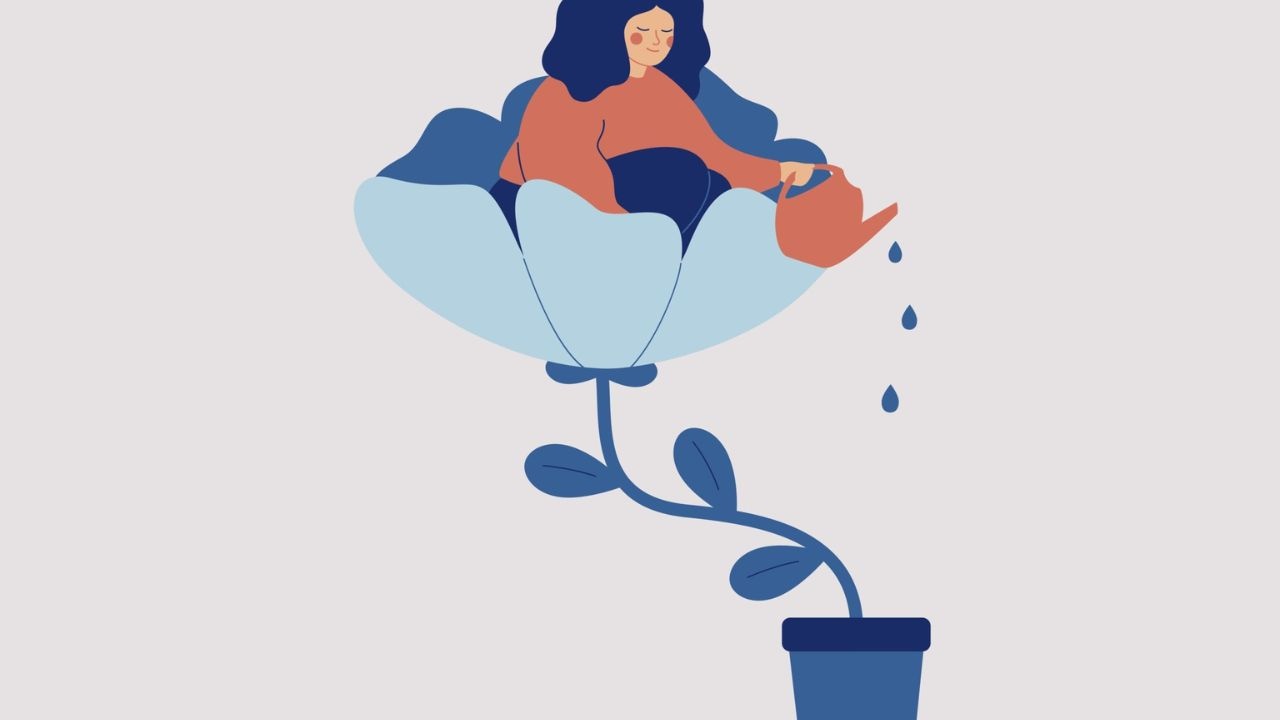
This section reframes care as emotional well-being maintenance for daily stability. Supporting yourself helps you show up with more patience for others.
Why Overgiving Can Increase Irritability and Emotional Exhaustion
Overgiving is not only time, but it is also a constant emotional output. When you say yes automatically, your stress response stays activated longer. You may notice faster irritation, lower motivation, and weaker recovery overnight.
Some people also feel emotionally flat after a busy day. Spotting emotional exhaustion signs early helps you pause before burnout starts. A short break can protect your relationships and your health.
How Rest Supports Patience, Mood, and Relationship Health
Rest supports attention, impulse control, and emotional flexibility during stress. When you sleep enough, stress feels less intense and less personal to you.
Short pauses also help you handle delays, noise, and conflict more calmly. This improves how you listen, speak, and repair after mistakes with others.
Building relationship stress resilience starts with recovery, not perfect words. Even small rest windows reduce resentment and improve connection across the week.
Self-Care as Basic Maintenance for Daily Emotional Well-Being
If self-care is a reward, you will delay it until you crash. If it is maintenance, you practice it before stress stacks up. Maintenance can be sleep habits, regular meals, hydration, and light movement.
It can also be a quiet time that lowers mental noise in the evening. These basics support daily emotional balance by reducing baseline tension. Small, repeatable actions work better than big plans you avoid.
Myth 2: Self-Care Must Be Expensive or Time-Consuming
Many people imagine self-care as spa days or expensive routines. That image creates pressure when you have limited time or money.

Real self-care is often simple, private, and repeatable. It focuses on recovery, stress reduction, and stable daily functioning.
In this section, you will find budget-friendly self-care that fits busy weeks. You will see how small actions add up across days.
Free and Low-Cost Self-Care Ideas That Actually Help
Helpful self-care lowers stress, restores energy, or improves clarity. Free options include a short walk, stretching, daylight, or a warm shower. Low-cost options include a notebook, tea, or earplugs to help you sleep better.
Choose options that match your real schedule, space, and responsibilities today. Aim for low-cost stress relief you can repeat without friction each week. Consistency matters more than variety, intensity, or perfect timing.
Quick Self-Care Routines You Can Do in 2, 5, or 10 Minutes
Short routines work because starting is easier than planning. 2 minutes can be slow breathing and relaxing your jaw. 5 minutes can be a quick tidy or a short walk outside.
Ten minutes can be gentle stretching or writing one next step. Use a timer so you stop on time and feel in control. These quick self-care habits protect your mood on busy days.
The Minimum Effective Self-Care Routine for Busy Weeks
A minimum routine is the smallest plan that keeps you steady. Pick one sleep anchor, one food anchor, and one mind anchor. A sleep anchor can be a wake time or a screen cutoff.
A food anchor can be a snack that prevents energy crashes. A mind anchor can be a short plan for tomorrow to reduce uncertainty. This is minimum effective self-care because it prevents spirals without complexity.
Myth 3: You Have to Do Self-Care Perfectly
Perfectionism can turn self-care into a performance with rules and pressure. You may feel you need the best routine and fast results.

When you miss a day, shame can make you quit altogether. Self-care should support you, not grade you or measure your worth. This section builds self-care consistency that adapts to real life and energy. You will learn how to restart quickly after disruptions.
Minimum Version Habits That Keep You Consistent
Minimum versions keep habits alive when energy is low or time is tight. If you cannot work out, take a 5-minute walk near home. If you cannot journal, write one sentence about your need today.
If you cannot cook, choose 1 stable meal instead of skipping. These small actions protect your nervous system during hard days. They support consistent self-care routines by keeping momentum realistic.
What to Do After You Skip a Day Without Starting Over
Skipping a day is normal and does not erase your progress. The best response is to restart with the smallest version tomorrow morning.
Avoid punishing yourself with extreme routines or long catch-ups. Ask what made it hard and adjust the plan to fit better.
Choose one supportive action, like an earlier bedtime or a short walk. This builds self-care recovery skills that reduce guilt and improve follow-through.
How to Track Progress Without Turning It Into a Scoreboard
Tracking can help when it stays gentle and simple. Use a yes or no check for one habit, not a long list. Add one note about how you felt afterward, such as calmer or clearer.
Review once a week to learn patterns without obsessing over daily details. The goal is information, not judgment or competition with yourself. This keeps self-care tracking supportive instead of stressful over time.
Myth 4: Self-Care Means Avoiding Hard Feelings
Some people use self-care as a distraction from hard feelings. That can delay processing and make emotions return stronger.

Emotional self-care means making a safe space for sadness, anger, or worry. It also means lowering intensity so you can function and stay present.
This section teaches emotional self-care skills you can use in real time. It also explains when support from others is useful.
Naming Feelings Without Overthinking or Self-Blame
Naming feelings reduces confusion and makes choices easier in the moment. Use plain labels like anxious, angry, tired, or lonely. Add one cause in clear words, such as conflict, uncertainty, or overload.
Avoid replaying details that push you into a spiral of self-criticism. Ask what the feeling is signaling, and what need it points to now. This emotion labeling builds clarity, lowers shame, and supports decisions.
Small Actions That Reduce Emotional Intensity in Real Time
When feelings are strong, start with the body first. Use slow exhales, a short walk, or cool water on wrists. Then choose one small action that matches your need, like a break.
Keep it small, so you do not feel trapped or forced to do more. If you need clarity, write one next step and stop there. These in-the-moment coping tools prevent escalation.
Support Systems, Healthy Boundaries, and When to Ask for Help
Support is part of self-care, and it is not a weakness. Choose one person who listens well and respects your limits. Set boundaries around draining topics and constant requests. If distress lasts for weeks and affects sleep, work, or relationships, seek help.
A licensed therapist can support patterns, skills, and recovery at your pace. This is healthy support for mental health that reduces isolation and strain.
Build Your Self-Care Plan Without Guilt or Pressure
Plans fail when they are too complex for real days. A strong plan is short, flexible, and easy to restart.

Choose actions that match your stress points, not what looks impressive. Keep your routine small so it supports you instead of adding work.
Here you will build self-care without guilt or pressure with a simple structure. You will also learn small setup changes that make it easier.
Choose 2 Daily Habits and 1 Weekly Reset That Feel Manageable
Start with 2 daily habits that take 10 minutes total. Pick one body habit, like a short walk or gentle stretching. Pick one mind habit, like planning tomorrow in 2 minutes. Add one weekly reset, like reviewing stress points and priorities.
Keep the reset brief so it feels supportive, not demanding or heavy. These manageable self-care routines help you stay consistent when life changes.
Use Reminders and Environment Tweaks to Reduce Pressure
Make self-care easier by reducing the steps needed to start. Keep water visible and set a simple snack where you will see it. Charge your phone away from the bed to protect sleep.
Keep a short list of calming options so you do not decide under stress. Use reminders that prompt action, not guilt, like breathe for 2 minutes. These environmental design habits lower pressure and increase follow-through.
Conclusion
Self-care feels guilty when you treat it like something you must earn. When you challenge myths, rest and routines start to feel normal. Start small, repeat what helps, and keep your plan flexible.
Use minimum versions on hard days and restart gently after misses. Support from others can be part of the routine when needed. Over time, self-care without guilt or pressure becomes sustainable daily care.