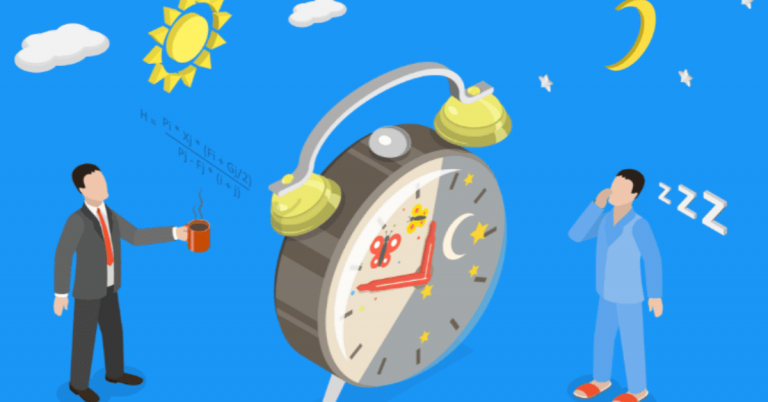
Rest is often treated like a reward, but it works more like a daily requirement. How rest supports emotional well-being becomes clear when you notice how small breaks change your patience, focus, and mood.
You do not need a perfect routine, but you do need repeatable recovery. This guide focuses on healthy habits, mental organization, self-care, sleep, and emotional routines.
You will get practical steps that fit busy days. You will also see apps and tools placed where they naturally support each habit.

What Rest Does For Emotional Regulation
Rest is not only about sleep, and it is not the same as zoning out on a screen. Rest lowers emotional intensity by giving your brain fewer inputs to manage at once.
When you rest consistently, you notice your reactions earlier, and you recover faster after stress. That creates room for better choices instead of automatic ones.

The goal is not to avoid feelings, but to handle them with less friction. These next habits show how rest changes your day in measurable ways.
Rest Lowers Reactivity And Improves Patience
When you are exhausted, small problems feel bigger than they are. A short pause reduces snap reactions because your nervous system gets a chance to settle.
Try a two-minute reset before you respond to tense messages or family stress. The app Balance offers guided relaxation sessions that are easy to use when you do not know what you need.
If you want something simpler, use a phone timer and breathe slowly without tracking anything. Repeat the same reset daily, and your patience becomes more reliable.
Rest Improves Decision Quality Under Stress
Stress pushes you toward fast, imperfect choices, especially late in the day. Rest improves decision clarity by reducing mental noise and fatigue signals.
Add one planned break to your afternoon, even if it is five minutes of quiet sitting. A time blocking tool like Structured can place breaks directly into your timeline so they stop being optional.
During the break, do nothing productive and do not solve problems. This trains your brain to exit urgency mode on command. Over time, you make fewer decisions you regret.
Rest Makes Healthy Habits Easier To Keep
Healthy habits fail when they depend on willpower alone. Rest protects consistency by lowering the resistance you feel toward simple tasks.
When you are rested, it is easier to cook, move, and follow through on routines. Use a habit tracker like Habitify to keep one rest habit visible without adding guilt.
Keep the goal small, like one evening wind-down step or one midday pause. Track only completion, not intensity, so you do not turn rest into performance. Small wins stack into real stability.
Cognitive Rest: Clearing Mental Clutter Before It Turns Into Anxiety
Cognitive rest is what happens when your brain stops carrying open loops. Mental clutter drives emotional tension because unfinished thoughts keep recycling in the background.

You do not need deep journaling to get benefits, but you do need an offload. The goal is to clear enough space that your mind can settle at night.
Cognitive rest is also part of self-care because it reduces self-criticism and rumination. These tools make it easier to unload without spiraling.
The Five Minute Brain Offload Routine
A brain offload works best when it is short and structured. Write without editing for five minutes, then circle one next step you can do tomorrow.
Reflectly offers guided prompts that keep you moving and prevent overthinking. If you prefer privacy and simple text, use a notes app and keep it to five lines.
The offload is not a diary; it is a mental clear-out. End with one sentence that names what you will do next, then stop. Your goal is relief, not a perfect entry.
Planning The Next Day Without Overplanning
Planning can either calm you or keep you stuck, depending on how you do it. Light planning reduces nighttime worry because you stop negotiating with yourself in bed.
Use TickTick to create a short list with three tasks for tomorrow and one personal care action. Keep the tasks small enough to finish in a normal time.
Do not plan the whole week when you are tired, because that invites pressure. Close the list after you write it, and do not keep adjusting it. A simple plan is a form of cognitive rest.
The One List That Prevents Night Overthinking
A single list works better than many lists because it reduces switching. One list prevents mental scattering by giving every thought a safe place to land.
Create a list called “Later” and add anything you keep replaying. Use a lightweight tool like Simplenote if you want fast capture with minimal features.
Review the list once per day at a set time, then stop thinking about it. This keeps overthinking from stealing your evening rest. Your mind relaxes when it trusts the system you built.
Sensory Rest: Reducing Noise, Light, And Input
Sensory rest is the fastest way to lower stress when the world feels loud. Too much input mimics burnout because your brain has no quiet window to recover.

You can build sensory rest without expensive gear, and you can do it in minutes. The key is to reduce sound, light, and multitasking for short periods each day.
Sensory rest supports sleep, but it also improves daytime mood stability. These changes work best when you choose one or two and repeat them.
Why Sensory Overload Feels Like Emotional Burnout
Sensory overload often shows up as irritability and low patience. Constant input drains emotional control because your brain stays in scanning mode. Notice the common triggers: loud rooms, bright screens, and multiple conversations at once.
Create a two-minute quiet pocket by pausing all audio and dimming the lights. If sound is the main issue, Loop earplugs can reduce noise without isolating you completely.
If you prefer digital sound control, try Noisli for steady background noise that masks spikes. The goal is fewer sharp inputs, not silence.
A Bedroom Setup That Supports Calm
Your bedroom should signal recovery, not stimulation. A calmer room supports calmer feelings because it reduces tiny disruptions that raise stress.
Set a warm lighting routine using Philips Hue or any adjustable lamp you already own. Lower the brightness one hour before bed, so your body starts powering down. Keep your phone off the bed and reduce clutter near the sleep area.
If you need sound, try a consistent track like Rain Rain rather than switching every night. Consistent cues help your emotions settle before sleep.
A Daytime Quiet Window That Resets Your Nervous System
Daytime rest protects you from carrying stress into the evening. A quiet window prevents emotional buildup that shows up later as insomnia or snapping.
Choose one daily window, like before lunch or after work, and protect ten minutes. Put the phone on airplane mode and sit without content, even if it feels awkward.
If you need guidance, try a short Yoga Nidra track inside the iRest program. The goal is to exit stimulation, not to chase a perfect meditation session. After a week, the reset feels more natural.
Social And Emotional Rest: Reducing Draining Interactions
Social rest is about protecting your emotional energy, not avoiding people. Draining interactions create fatigue that looks like anxiety, irritability, or numbness.

Supportive connection can help you recover, but constant availability can keep you stressed. The goal is to notice which interactions restore you and which ones drain you.
Emotional rest also includes how you talk to yourself, because self-pressure is exhausting. These practices help you set boundaries without guilt and keep connections healthy.
The Difference Between Supportive And Draining Connection
Supportive people leave you feeling steadier, even after hard talks. Draining a connection leaves you tense and replaying the conversation later.
Use Moodfit to track how certain interactions affect your mood patterns over a week. Notice how your body feels before and after each call or chat. You are not judging people, you are noticing impact.
Once you see the pattern, you can choose the timing and length of contact more wisely. This is social rest, and it protects emotional balance.
A Boundary Script You Can Repeat
Boundaries work best when they are short and consistent. A repeatable script reduces conflict because you do not improvise under pressure.
Try lines like, “I can talk tomorrow,” or “I cannot commit to that right now.” If you want structured guidance, Mental Health Foundation resources on stress and boundaries can help you identify common patterns.
Save your script in your phone so you can use it when you are tired. Boundaries are easier when they are planned before emotions peak. The more you repeat them, the less guilt you feel.
When Rest Means Saying No, Not Doing More
Many people try to rest by adding more self-care tasks. Sometimes rest is subtraction because your schedule is the real stressor.
Choose one thing to pause for a week, like optional errands or late-night messages. Replace it with a short recovery action such as a walk, a shower, or a quiet sit.
If you struggle to protect time, use a calendar block labeled “Recovery” and treat it as nonnegotiable. Rest is not selfish; it is maintenance. Saying no is often the most effective emotional routine.
Building A Rest Routine That Survives Busy Weeks
A routine only matters if it survives real life. Sustainable rest is flexible because stress and schedules change.

You need a minimum routine for weekdays and a simple recovery plan for disruptions. The goal is to keep your core actions even when you cannot do everything.
Busy weeks require fewer choices, not more rules. Use tools that reduce friction and keep you focused on the basics. This section gives a structure you can repeat without perfection pressure.
The Minimum Routine For Weekdays
Weekdays need a routine that fits tight time blocks. A minimum routine keeps you stable when motivation drops. Choose one midday break and one evening wind-down step, then repeat them daily.
Use Sunsama if you want a daily planner that blends tasks and time blocks in one view. If Sunsama feels too detailed, use a simple repeating reminder in your calendar instead.
Keep the break short and protected, even if it is only five minutes. Rest builds stability when it is consistent and small.
The Restart Plan After A Bad Night Or A Rough Day
Recovery depends on what you do after a disruption. A restart plan prevents spiraling because you stop trying to fix everything at once.
Keep your wake time close to normal, then add one quiet break during the day. Avoid doubling caffeine and avoid long, late naps that steal the next night.
If you track habits, mark the day as “restart” rather than “fail” to protect motivation. Use a short evening routine with low light and calm input. The next day is where consistency returns, not the same night.
Conclusion
Rest is not a luxury, and it is not optional if you want emotional stability. How rest supports emotional well-being shows up in patience, decision quality, and healthier routines that feel easier to maintain.
You can start with cognitive offload, sensory reduction, or a protected break, then build slowly. The best routine is the one you repeat through busy weeks. When you treat rest as daily maintenance, emotions become easier to manage.