
Home Blog Page 2

How to Improve Emotional Well-Being in Daily Life: 5 Daily Habits That Actually Stick

0

Emotional health is built through small repeats, not one perfect day. To learn how to improve emotional well-being in daily life, start with habits that promote steady sleep, attention, and stress. 

When those basics improve, your reactions feel less intense, and recovery is quicker. This guide gives five habits you can do daily. 

Each habit includes one tool or resource for support. Try one change at a time so you can see results. Within weeks, steadier days become common.

How to Improve Emotional Well-Being in Daily Life: 5 Daily Habits That Actually Stick
Image Source: Parkview Health

Stabilize Your Mood With a Sleep Anchor

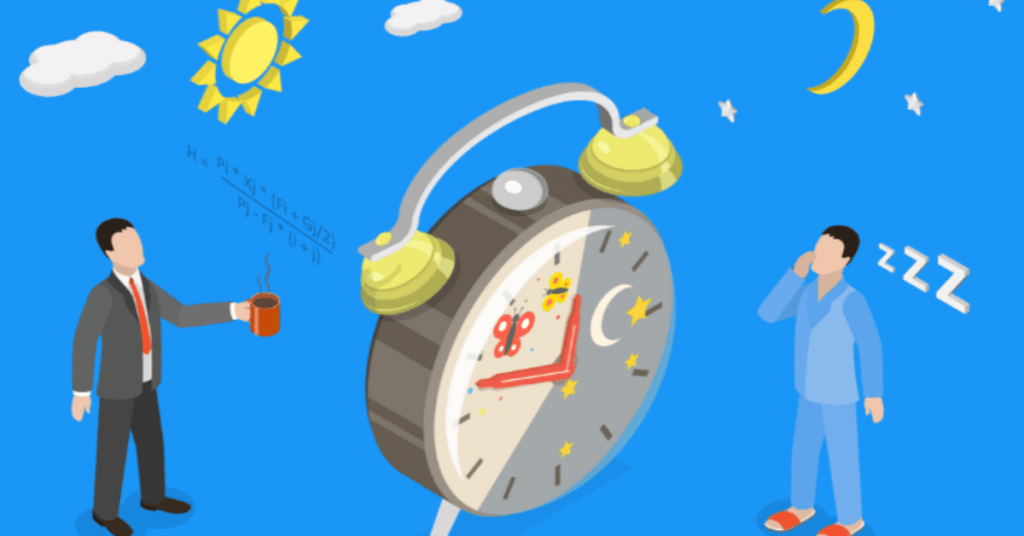
Sleep affects emotional control because tired brains handle stress poorly. Start with one anchor: a consistent wake time, even after a rough night. 

Sleep Cycle shows patterns in wake time, bedtime drift, and interruptions. When you see the data, you stop guessing and change one thing at a time. Aim for a 30 to 60-minute wake window. This anchor makes settling in for the evening easier.

How to Improve Emotional Well-Being in Daily Life: 5 Daily Habits That Actually Stick
Image Source: InfinumGrowth

Keep a Wake Time Window That Fits Your Life

Pick a wake window you can hold on weekdays and weekends. Sleeping in later can delay sleepiness and make bedtime harder. 

Use Sleep Cycle to compare steady mornings with weeks that drift. Consistency trains your body clock so your mood steadies earlier in the day. 

If you need extra rest, move bedtime earlier, not wake time later. Keep the window you can repeat for weeks.

Create a Wind Down That Ends the Day Cleanly

A wind-down should stay simple to repeat when you are exhausted. Choose two steps, like washing up and reading, and keep the same order. Put your phone out of reach so you are not pulled into updates. 

Your mind settles faster when the last hour is predictable and calm. Keep lights dim and avoid intense content close to bed. If you miss a night, restart the next evening.

Recover From a Bad Night Without Emotional Spillover

After poor sleep, emotions can feel closer to the surface all day. Keep your wake window, get daylight early, and eat at normal times. Skip long naps, since they cut sleep pressure and can worsen the next night. 

Treat the day as a reset so you do not spiral into frustration. Check Sleep Cycle notes for clues like late screens or late caffeine. Adjust one factor for the next week.

Use Micro-Movement to Release Daily Stress

Stress often builds as muscle tension and shallow breathing throughout the day. You do not need a full workout plan to shift that pattern. 

How to Improve Emotional Well-Being in Daily Life: 5 Daily Habits That Actually Stick
Image Source: Postandshare

Down Dog offers short yoga and stretching sessions that fit small breaks. Your nervous system downshifts when you move and breathe with intention. 

Start with three minutes once or twice a day. The benefit comes from consistency, not intensity or perfection.

Do a Three-Minute Reset Before You Reply or React

When irritation rises, move first and speak second. Open Down Dog and pick a short session for neck, shoulders, or hips. Match your breath to the movement so your body slows down. 

A brief reset changes your tone before you send a message or enter a meeting. If you cannot stand, do seated stretches with the same breathing. Repeat it daily until it feels automatic.

Add Movement Snacks to Your Workday Routine

Attach movement to moments you already have so it stays realistic. Stand and stretch after calls, or walk during audio instead of scrolling. 

Use Down Dog to rotate sessions so you do not get bored. Small bouts of activity reduce the restless edge that can fuel snapping. Keep sessions light if you are already depleted. What matters is showing up, not doing a perfect routine.

Use Gentle Evening Movement to Support Better Sleep

Evening movement should help you unwind, not stimulate you. Choose slow yoga or mobility and keep your effort moderate. 

Down Dog can guide a relaxing session that reduces tension from the day. Falling asleep is easier when your body feels loose, and breathing is slower. 

Keep the session short and do it before you wind down. If evenings are packed, do it after dinner as a transition.

Clear Mental Clutter With a Simple Capture System

Emotional strain rises when your brain holds unfinished tasks in the background. A capture system moves open loops into a trusted place. 

How to Improve Emotional Well-Being in Daily Life: 5 Daily Habits That Actually Stick
Image Source: The Conversation

Todoist works well because you can add tasks fast and sort them later. A lighter mental load makes it easier to stay patient when plans change. Keep the system minimal so it does not become another stressor. Start with two lists each day.

Use Two Lists: Today and Later

Too many lists create friction and make you avoid the system. Create two lists only: Today and Later, then keep them updated. Add tasks to Todoist as soon as they pop up, then return to your activity. 

Your brain stops rehearsing reminders when it trusts the daily capture habit. Each morning, choose three priorities and accept tradeoffs. This reduces decision fatigue and supports steady emotions.

Do a One Minute Brain Dump to Stop Rumination

Rumination often comes from vague worries that never become clear actions. Set a one-minute timer and write what keeps looping in your mind. In Todoist, capture items quickly without overformatting or sorting. 

Short capture beats perfect planning because it reduces stress right away. If an item has no next step, label it as a thought, not a task. Then return to what you can control.

Close the Day With a Two-Minute Shutdown

A clean ending helps your nervous system stop working after hours. Spend two minutes moving unfinished items from Today to Later. 

Write one next step for the morning so you do not wake up behind. Sleep comes easier when your brain feels safe to pause and stop tracking. Keep the review short so it does not become late work. Do it at the same time each night.

Practice a Daily Emotional Skill That Works in Real Moments

Emotional well-being improves when you practice response skills before stress hits. Medito offers short sessions that help you notice, label, and redirect attention.

How to Improve Emotional Well-Being in Daily Life: 5 Daily Habits That Actually Stick
Image Source: The Insync Brain

You are not trying to erase feelings; you are training better responses. A daily check-in creates a pause between emotion and action. Keep practice brief so you can do it on busy days. Over weeks, the skill shows up reliably.

Do a One Minute Check-In Before You Respond

Before you reply, ask what you feel and where you feel it in your body. Name it simply, like anxious or irritated, without debating it. 

Use a short Medito track or a breath cycle to create space. Intensity often drops once it is named and noticed without judgment. Then choose to pause, ask a question, or set a boundary. This prevents conflict and reduces regret.

Use Grounding to Lower Overwhelm Fast

Overwhelm grows when attention is scattered across too many worries. Grounding brings you back to the present so you can act. Notice five things you see and four things you feel, then exhale slowly. 

Medito can guide this, and your body settles when you follow the prompt. Use grounding before you send messages or start difficult tasks. Repeat it often so the skill becomes familiar.

Practice on Calm Days, so the Skill Is Reliable

Skills work under pressure when you practice them during ordinary moments. Schedule a short Medito session at the same time daily, like after lunch. Treat it like hygiene, not a performance or a mood test. 

With repetition, you remember the skill even when emotions spike. If you miss a day, return the next day without catching up. A steady habit matters more than a perfect streak.

Build Self-Compassion So You Recover and Keep Going

Many people try to improve by criticizing themselves, but that adds stress. Self-Compassion.org offers practical exercises that support accountability with care. 

How to Improve Emotional Well-Being in Daily Life: 5 Daily Habits That Actually Stick
Image Source: Forbes

When you respond to mistakes fairly, you stay engaged instead of quitting. Self-compassion improves follow-through because it reduces shame and avoidance. This matters when you slip on sleep, food, or boundaries. Use simple scripts you can apply in real time.

Replace Harsh Self-Talk With a Useful Script

Notice how you speak to yourself after a mistake, especially when tired. Replace global labels with one specific fact and one next step. Self-Compassion.org practices can help you write a kinder script quickly. 

When the script is clear, you recover faster and return to your routine. Keep it short enough to repeat in your head without effort. Over time, the new tone becomes your default.

Use a Two-Step Repair After a Rough Moment

When you react poorly, repair builds confidence and protects relationships. Step one is to acknowledge the impact without excuses or self-punishment. Step two is to choose one small change for next time and practice it soon. 

Self-Compassion.org exercises keep repair focused on learning, not blame. If an apology is needed, make it clear and brief, then follow through. This turns setbacks into useful data.

Conclusion

Emotional well-being is built through daily supports that work together. Start with sleep anchors, add micro-movement, and capture mental clutter early. Practice one emotional skill so you respond with intention instead of impulse. 

When you slip, self-compassion keeps you consistent and willing to restart. Use the tools in each section as guidance, not pressure. If distress feels severe, seek professional support early when needed.

Self-Compassion.org – Self-Compassion by Kristin Neff: Join the Community Now

How To Recognize Emotional Overload Early And Stop It Before It Spreads

0

Life can feel normal right up until it does not. If you want to learn how to recognize emotional overload early, you need signals you can spot fast. Emotional overload rarely arrives as one big event. 

It builds through tiny changes in sleep, focus, patience, and body tension. The good news is that early signs are trackable. 

With the right tools, you can respond before you snap or shut down. This guide breaks it down in a practical way. You will leave with steps you can repeat.

How To Recognize Emotional Overload Early And Stop It Before It Spreads
Image Source: Sensitive Refuge

What Emotional Overload Looks Like Before It Gets Serious

Emotional overload often starts quietly, which is why it gets missed. You might still function, but your margin for stress gets thinner. 

The goal is to catch early warning signals before they turn into conflict or burnout. A quick daily check helps you notice patterns across body, mind, and behavior. 

How To Recognize Emotional Overload Early And Stop It Before It Spreads
Image Source: Zen Caregiving Project

Apps like MindDoc can support a simple mood check without turning it into therapy homework. Think of this as observation first, then action.

The “Too Much, Too Fast” Feeling

One early sign is the sense that everything feels urgent at once. You may feel overwhelmed by even small requests. Your body can feel tight while your thoughts jump ahead. 

Use Daylio to mark a quick mood tag and a short note. That record makes patterns visible when days blur together. The key is noticing when urgency becomes your default, not just a busy day.

The Irritability Signal Most People Misread

Irritability is often a fatigue signal, not a personality flaw. You may get annoyed at noise, questions, or slow conversations. That is a clue that your capacity is shrinking, even if you are still productive. 

Track irritability with Bearable by logging mood plus triggers like sleep or meals. Seeing the trigger list helps you respond earlier next time. When irritation rises, your recovery needs are rising too, even if nothing “big” happened.

The Sleep And Phone Habit Clues

Overload shows up in sleep drift and phone habits before emotions explode. You may scroll longer at night or check notifications more often. That extra stimulation makes your brain feel wired, then tired

Try Jomo to add gentle limits that reduce compulsive checking. Pair it with a simple bedtime reminder so the evening has a clear stop. If your phone use spikes, treat it as a signal, not a failure.

The Body Checklist: Early Physical Signs You Can Notice Today

Your body often reports overload sooner than your mood does. Physical signs are easier to spot because they repeat in predictable ways

How To Recognize Emotional Overload Early And Stop It Before It Spreads
Image Source: Healthy.net

The goal is to notice patterns like tension, shallow breathing, and low energy dips. Tools help here by replacing guesswork with small prompts. 

Apps like Breathwrk can guide fast breathing resets when you feel keyed up. You are building a body-based alert system you can trust.

Tight Jaw, Shallow Breathing, And Restlessness

A tight jaw and shallow breathing can show up before you feel upset. Restlessness may look like fidgeting, pacing, or constant shifting. These cues tell you the nervous system is stuck in high gear

Use Breathwork for a two-minute downshift routine when you notice it. If reminders help, set Stretchly to prompt short movement breaks. When tension appears, treat it as an early alarm, not something to push through.

Micro Fatigue And Afternoon Crashes

Micro fatigue is when your energy drops sharply, even after normal work. You may feel heavy, foggy, or unusually drained by small tasks. This can happen before you label yourself stressed. 

Use Fitbit or another wearable to notice resting heart rate and sleep consistency trends. Pair that with WaterMinder so dehydration does not mimic fatigue. If you crash daily, your body is asking for a reset, not more caffeine.

A Five-Minute Body Reset Routine

A quick body reset can stop overload from compounding. Start with slow breathing, then a short stretch, then one glass of water. Keep it simple, so you actually do it on rough days. 

FitOn offers short mobility sessions that take only 5 minutes. If you work at a desk, add a standing break with a timer. The goal is to lower stimulation and restore the baseline. When you reset early, your mood stays more stable later.

The Mind Checklist: Early Cognitive Signs That Predict Overload

Cognitive signs often show up as fog, looping thoughts, or reduced patience. You might read the same line twice or forget small commitments. 

How To Recognize Emotional Overload Early And Stop It Before It Spreads
Image Source: Rula

These are not moral failures; they are capacity markers. Tools can reduce mental load so your brain stops carrying everything

Microsoft To Do works well for quick capture without a complex setup. Once mental clutter drops, your nervous system calms faster, and decisions feel easier.

Forgetfulness And Mental Fog

Mental fog can show up as losing words or skipping steps. You may feel slower even when you are trying hard. Start by capturing tasks immediately so your brain stops holding them. 

Microsoft To Do lets you dump tasks in seconds, then sort later. If you want a more structured list, Todoist can separate work, home, and self-care. The key is not productivity; it is relief. When fog rises, reduce the number of open loops in your day.

Rumination And Negative Prediction

Rumination is when the mind replays problems without solving them. Negative prediction is when you assume the next thing will go wrong. These patterns feed overload because they keep stress active. 

Use Moodnotes to label the thought and challenge it briefly. If you prefer a guided structure, Sanvello offers CBT-based exercises and mood tools. Keep it short so you do not turn reflection into more thinking. When rumination starts, interrupt the loop early with one concrete step.

A Fast Brain Dump Routine

A brain dump helps when your mind feels crowded at night. Write every worry and task for three minutes without organizing it. Then circle the top two items you will handle tomorrow. 

Use Notion with a simple template if you like structure, or use a plain notes app. The key is stopping at the timer, even if the list feels incomplete. This builds trust that thoughts have a place to land. A quick dump creates mental closure that supports calmer evenings.

The Behavior Checklist: Early Social And Habit Shifts

Behavior changes are often the clearest signal to other people. You might withdraw, over-scroll, snack mindlessly, or avoid messages. 

How To Recognize Emotional Overload Early And Stop It Before It Spreads
Image Source: Verywell Mind

These shifts usually happen before you admit you are overloaded. The goal is to spot behavior drift and respond with small corrections. 

Tools can help you notice patterns and reduce friction. StayFree can show app use spikes that you might underestimate. When behaviors shift, your system is compensating, and it needs support.

Pulling Away From People

Pulling away can look like ignoring texts or canceling plans. Sometimes it is healthy rest, sometimes it is overload avoidance. To tell the difference, track your social energy for one week. 

Use Ahead to log triggers and get short coaching tools for emotional control. If you notice guilt plus avoidance, plan a smaller connection instead of disappearing. A short voice note can replace a long call. When you withdraw, choose intentional rest, not accidental isolation.

Over-Scrolling And Over-Snacking

Over-scrolling and over-snacking often show up when you want relief fast. These habits numb stress briefly but can worsen sleep and mood later. Use Opal to create focused blocks that reduce impulse checking. 

For food cues, use Ate Food Diary to log patterns without calorie pressure. The goal is not restriction, it is awareness and timing. Replace one scroll session with a short walk or shower. If you catch the drift, you can redirect gently without shame.

The Boundary And Break Plan

Boundaries are a prevention tool, not a last resort. When overload builds, you need fewer demands and more recovery space. Create one boundary script you can repeat, then practice it. Use a calendar app to block two short breaks as fixed appointments. 

If you want structure, TimeBloc can map your day with clear break windows. Keep breaks simple, like quiet sitting or a short stretch. A plan works when your boundaries are pre-written, not negotiated under stress.

The Reset Plan: Fix It Today And Prevent It This Week

A reset plan should work on your worst day, not your best day. The goal is to resolve overload early, recover, then reduce recurrence. 

How To Recognize Emotional Overload Early And Stop It Before It Spreads
Image Source: Physicians Premier

You will use quick steps for today and a light plan for the week. Tools matter only if they lower friction and keep you consistent. 

SleepScore can help you see if your sleep quality is drifting without guessing. When you reset in time, overload stops spreading into relationships and routines.

The Same-Day Reset Steps

Start with a 10-minute reset to lower stimulation. Drink water, move your body lightly, and step away from screens. 

Use Breathwrk or Calmaria for a short guided breathing track if you need direction. Then do one small task that restores control, like clearing a surface

Finally, message one person with a simple update instead of disappearing. The goal is stability, not a full life overhaul. A same-day reset works when it is short and repeatable.

The Weekly Prevention Routine

Prevention is about protecting recovery before stress peaks. Pick two nights for a consistent wind-down and protect them. 

Use SleepScore to check trends, then adjust one factor like bedtime timing. Plan one low-demand block on the weekend that includes movement and quiet time. 

If you need habit support, use Streaks to track only two recovery actions. Keep it light so you do not create pressure. Weekly prevention is effective when you make recovery visible on your calendar.

Conclusion

Emotional overload is common, but it is not mysterious. Learning how to recognize emotional overload early starts with noticing small shifts in body, mind, and behavior. The faster you spot changes, the easier it is to respond without damage. 

Resolve early with a same-day reset, then prevent recurrence with light weekly structure. When rest and boundaries become routine, your emotional baseline gets steadier.

Emotional Balance Tips For Everyday Life That Fit Real Schedules

0

Most days feel fine until something tips the scale. If you want emotional balance tips for everyday life, you need routines that fit life. This guide covers early signals, regulation, boundaries, and support. 

You will not be asked to overhaul your life. You will use steps that protect sleep. Each section includes one app or resource to try now. The goal is steadier emotions, not constant positivity. Start with what you can repeat.

Recognize Early Overload Signals

Before you change anything, learn to spot your earliest warning signs. Many people react first, then explain later, which creates conflict and guilt. 

Emotional Balance Tips For Everyday Life That Fit Real Schedules
Image Source: Bangkok Post

Early awareness gives you options while you still have capacity in the moment. The How We Feel app helps you label emotions quickly without writing notes. 

Use it in the morning and midafternoon for one week. Patterns appear fast when you track consistently.

Emotional Balance Tips For Everyday Life That Fit Real Schedules
Image Source: Paul Ekman Group

Track Your Body Cues

Your body gives the first clue that emotions are rising. Notice jaw tension, breathing changes, or a tight chest during tasks. If you catch the signal early, your next choice can be calmer. 

Open How We Feel and record the cue with an emotion label. That point shows what happens before irritability or shutdown. Over time, you learn whether you need food, rest, or a break.

Catch Irritability Early

Irritability is easy to blame on people, but it signals overload. When small problems feel huge, run a check before you respond. Ask whether you slept enough, ate, or stared at screens too long. 

A fast self-check keeps you from arguing when you are out of capacity. Log “irritated” in How We Feel and add one cause. This builds a map you can change, no guessing.

Use A Pause Rule

When you feel like snapping, use a rule that slows you on purpose. Lower your voice, reduce speed, and take one breath before you reply. This buffer protects relationships when stress is high. 

In How We Feel, tag the moment as “pause” so you can see it later. Small, slowing actions interrupt the chain between stress and reaction. Repeat the rule in texts, meetings, and key moments.

Regulate Stress In Real Time

You do not need many coping skills; you need one that works anywhere. Fast regulation means returning to baseline so you can think again. 

Emotional Balance Tips For Everyday Life That Fit Real Schedules
Image Source: Psychology Today

The Healthy Minds Program app offers exercises for focus and calm. A reliable technique becomes easier when you practice it on ordinary days. 

Pick one exercise and use it daily for a week. When stress hits, your body will know the routine.

Try A Breathing Pattern

Breathing works when it is simple and repeatable under pressure. Try a pattern of four counts in, six counts out, for one minute. The longer exhale signals safety and lowers arousal. 

Use the Healthy Minds Program to guide the timing if you prefer audio. Do it mid-task when you notice tension, not only at bedtime. This helps you reset without needing to leave the room.

Do A Brief Body Scan

A body scan helps when your mind is racing, and you cannot settle. Move attention from the forehead to the jaw, shoulders, chest, and hands. Notice tension, then soften one area without forcing it to disappear. 

The act of noticing often reduces intensity within minutes. The Healthy Minds Program includes guided scans that keep it structured. Use it after a difficult call, commute, or argument to return to baseline.

Use A Grounding Routine

Grounding helps when emotions feel big, and you need the moment. Name five things you see, four you feel, three you hear, two you smell, and one you taste. This shifts attention away from rumination and to reality. 

If you want guidance, use a grounding track in the Healthy Minds Program. It works in public because it is quiet and fast. Make it your default when you feel overwhelmed.

Set Boundaries That Protect You

Emotional balance is not only about coping, but it is also about limits. Without boundaries, demands keep stacking until you run out of patience. 

Emotional Balance Tips For Everyday Life That Fit Real Schedules
Image Source: Focus Keeper

TickTick helps you time-block, set reminders, and protect focus with simple prompts. Boundaries prevent overload because they reduce incoming pressure, not just reactions. 

Start with one evening rule and one break rule. When limits are consistent, your mood stabilizes across the week.

Use A Boundary Script

A boundary holds when you have a script before you are tired. State the limit, offer an alternative time, then stop explaining. For example, say you cannot talk tonight, but you can reply tomorrow morning. 

Save the script as a note or reminder in TickTick. Short wording reduces guilt because it limits negotiation. When you repeat it, people learn what to expect and push less.

Silence Notifications Nightly

Notifications can keep your nervous system on alert, even when messages are harmless. Choose a cutoff time when you silence nonessential alerts and stop email checks. 

If you need flexibility, allow one check window, then close it. Protecting evenings improves sleep and reduces next-day irritability. Use TickTick reminders to start the cutoff and end the check window. This keeps work stress from leaking into recovery time.

Schedule Two Daily Breaks

Breaks work better when they are planned instead of accidental. Schedule two short breaks, midmorning and midafternoon, and treat them like appointments. Stand up, breathe, and step away from screens for five minutes. 

Set recurring tasks in TickTick so you do not rely on memory. Even brief breaks reduce emotional build-up and improve patience. When breaks are consistent, you stop waiting until you are overloaded.

Use Connection As Daily Support

Supportive connection can steady you, but constant availability can drain you. The goal is a contact that restores you without turning into another task. 

Emotional Balance Tips For Everyday Life That Fit Real Schedules
Image Source: Haelthy

Voxer makes this easier by letting you send short voice messages asynchronously. Small connection habits can prevent isolation and reduce emotional swings. 

Choose a few people who feel safe and predictable. Then keep your check-ins short enough to repeat on busy days.

Pick Two Support People

Pick two people who leave you calmer after you talk, not more tense. Tell them you are building a support habit and prefer short check-ins. Send a one-minute Voxer update when you feel stretched, then stop. 

Clarity beats volume because it is easier for others to respond. If guilt shows up, remember small contact prevents shutdown and resentment. Over time, your support system becomes low-pressure.

Keep Check-Ins Short

A check-in needs a purpose so it does not expand into a long talk. Share a feeling, context, and request, then end with thanks. With Voxer, you record once and return to your day. 

If someone replies with a long message, listen to it later when you have time. Keep the support bound so the connection stays restorative. This makes support realistic on most workdays and busy weeks.

Take Space Without Ghosting

Taking space is healthy when you communicate it and follow through. Instead of disappearing, send a short note that you are offline to recover. Add a time you will reply so trust stays intact. 

Use Voxer to send it in a tone that avoids long explanations. A clear return time reduces anxiety for both sides. When you return, respond as promised so space feels like care.

Create A Weekly Reset System

Daily habits hold best when a weekly reset keeps them from drifting. A system gives you a place to review energy and limits without obsessing. 

Emotional Balance Tips For Everyday Life That Fit Real Schedules
Image Source: Mindvalley Blog

Action for Happiness offers prompts and calendars for well-being. Weekly structure protects progress because it catches problems before they grow. 

Pick one day and keep the review short and practical. Use the reset to choose one change and one support action.

Run A Weekly Review

Reflection helps when it is structured, timed, and focused on action. Set a 10-minute timer and answer: what drained you, what helped, and what to adjust. Use an Action for Happiness prompt if you want guidance. 

Stop at the timer so reflection does not become rumination. Write a change for next week and a request for support. This turns insight into a plan without self-criticism.

Reset Your Home Base

Your environment affects mood through friction, clutter, and unfinished cues. Choose one weekly reset that makes daily life easier, like clearing one surface or prepping basics. Keep it under ten minutes so you will repeat it. 

Pair the reset with an Action for Happiness weekly activity to reinforce motivation. A small reset reduces background stress and supports better sleep. When your space feels calmer, emotions settle faster.

Conclusion

Emotional balance is not luck; it is practice built into life. Use early signals to notice shifts, then regulate with one reliable method. Protect your mood with boundaries that guard evenings and recovery. 

Keep connection simple, so support feels steady, not demanding. A weekly reset keeps your system from drifting when life changes. If stress stays high for weeks, professional support is the next step.

How To Build Healthier Emotional Responses: Practical Daily Skills For Work And Home

0

Modern life moves fast, so reactions can feel automatic. If you are learning how to build healthier emotional responses, you need repeatable skills. You will use small steps that work at work and at home. 

This guide focuses on body cues, delayed replies, grounding, and quick debriefs. Each method includes a tool you can try today. You will not chase constant calm. You will build steadier responses you can trust.

Spot Early Body Signals Before Your Tone Changes

Body signals usually show up before your words do. When you ignore them, you often sound sharper than you intend

How To Build Healthier Emotional Responses: Practical Daily Skills For Work And Home
Image Source: Hope Trust

MindShift CBT can help you spot patterns and practice quick coping steps. Early detection is your advantage because it gives you a choice point. 

The aim is not to suppress feelings but to lower intensity before you speak. Once you notice the signal, you can steer the response calmly.

How To Build Healthier Emotional Responses: Practical Daily Skills For Work And Home
Image Source: Dr. Jonice Webb

The Three Signals That Predict A Blowup

Most blowups often start with three cues: body tension, rushed thoughts, and a narrowing focus. You might feel your jaw clench, your shoulders lift, or your stomach drop. Your mind may speed up, repeating the same complaint in a loop. 

Finally, you may stop hearing nuance and hunt for certainty. In MindShift CBT, note the cue as soon as it appears. Naming it early makes the next step possible today.

Label The Cue Fast So You Pick The Right Fix

Not every strong feeling needs the same fix, so label the body cue first. Ask if you are tense, tired, hungry, or overstimulated. In MindShift CBT, save one note per state to avoid guessing. 

Choose one response that fits, like pausing, eating, or reducing input. Matching the fix keeps you from snapping at the wrong target. This label turns a messy moment into a clear next step quickly.

A One Minute Reset You Can Do Anywhere

Once you notice the cue, use a reset that fits the setting. At your desk, plant both feet, relax your shoulders, and exhale slowly. Look at one object near you and describe it silently for ten seconds, briefly. 

MindShift CBT includes quick exercises, and a one-minute reset can change your tone. If you can, sip water or stand up once. Return to the conversation only after your breath slows.

Use Signals As A Boundary, Not A Verdict

Body signals are also a boundary alarm, not a personal failure. If your tension spikes, it often means you need a short pause or a clearer limit. Say you need a minute, or ask to revisit the topic later

Use MindShift CBT to plan scripts so you do not improvise. Boundaries protect your response by reducing pressure, not by winning arguments. When the limit is clear, your emotions settle faster.

Slow Your Replies So Impulse Does Not Lead

Many emotional reactions now happen through screens, where speed feels required. Fast replies often become sharp replies, especially when you feel misunderstood. 

How To Build Healthier Emotional Responses: Practical Daily Skills For Work And Home
Image Source: Healthline

One Sec adds friction before you open a chosen app, giving you time to choose. Delay is a skill because it stops an impulse from becoming a message. 

This section shows how to pause, draft calmly, and switch channels when needed. The goal is fewer regrets and cleaner communication.

The Five Minute Delay Rule For Heated Messages

Start with a five-minute delay rule for any message that triggers heat. When you feel the urge to prove a point, you are not ready to write. Use One Sec to pause access to your main app. 

During the delay, take two breaths and read the last message once. Your job is clarity, not speed. After five minutes, decide if a reply helps or if you should wait longer.

A Simple Template That Keeps You Calm

Write replies in a simple template so emotion does not run the structure. Start with one line that reflects what you heard, then one line that states your need clearly. Add one clear request, and stop there. 

Keep language concrete and avoid sarcasm or loaded absolute words. If you want to add a last line, remove it on purpose. One Sec helps by slowing you down before you hit send.

How To Handle Group Chats And Email Threads

Group chats and email threads add pressure because people are watching. When you feel that pressure, write a draft, but do not send it. Use One Sec to pause before you reopen the thread, then reread once. 

Cut any line that assigns motives, and keep the request specific. Public threads reward restraint because calm messages travel farther than sharp ones. If it is sensitive, move it to a private channel.

When To Switch From Text To Voice

Text is efficient, but it removes tone and increases misreads. If a topic matters or emotions rise, switch channels before it escalates. Suggest a call or send a voice note that keeps your tone warm. 

You can still use One Sec to pause before opening the thread. In voice, speak slower than normal and keep it under one minute. When clarity returns, confirm the next step and end the exchange.

Use STOPP Grounding To Respond With Intention

High-stakes moments need a reliable tool, not a long routine. DBT skills are built for real stress, and the STOPP skill is easy to remember. 

How To Build Healthier Emotional Responses: Practical Daily Skills For Work And Home
Image Source: Health

DBT Coach guides practice so you can use it when emotions surge. Grounding creates space between feeling and action, which protects your choices. 

You will use STOPP in meetings, parenting moments, or tense conversations. The aim is to respond with intention, even under pressure.

STOPP In Real Time, Step By Step

STOPP starts with stopping, even for two seconds, before you do anything. Then step back by loosening your shoulders and taking one slow breath. Observe what is happening in your body, your thoughts, and the room. 

Pull back to perspective, reminding yourself what matters most. In DBT Coach, rehearse the steps so the sequence feels familiar to you. Proceed with one small action that matches your values, not your heart.

Ground Without Leaving The Room

You do not need to leave the room to use STOPP well. Keep your eyes soft, relax your jaw, and slow your exhale before you speak. In a meeting, write one word to anchor attention. 

With kids, lower your voice and name the next step calmly, not the problem. Small physical cues can quickly shift the emotional trajectory. DBT Coach can prompt options for public settings when you feel stuck, too.

Practice When Calm So It Works When You Are Not

Skills fail under pressure when they are only used during emergencies. Practice STOPP once per day during calmer moments, like before lunch or after a commute. Use DBT Coach to schedule reminders and track practice sessions. 

Keep each practice short, but treat it as training for conflict. Over a week, you will notice faster recovery times after irritation. When pressure hits, you will reach for the skill without forcing it.

Debrief After A Hard Moment So You Learn Faster

Even with good skills, you will sometimes react in ways you do not like. What matters is what you do next, because repair builds learning instead of shame. 

How To Build Healthier Emotional Responses: Practical Daily Skills For Work And Home
Image Source: Psychology Today

Psychology Tools has worksheets that keep reflection brief. A short debrief helps you see triggers and choose one change for next time. 

You are not rewriting your personality; you are improving your pattern. Do this within 24 hours while the details are clear.

Use An ABC Note To Map What Happened

Use an ABC style note to capture what happened without judging yourself quickly. Write the trigger, the thought, the action you took, and the result. Keep the language factual, like a report, not a confession. 

Psychology Tools worksheets guide this format so you do not drift. Seeing the sequence turns a vague regret into something you can change. When you can describe it, you can interrupt it next time sooner.

Pick One Change And Test It Next Time

After you map the sequence, choose one change that is small and testable. You might pause briefly before replying or ask to revisit the topic later. Write it as an if-then plan in one line. 

Keep it visible in your notes so you remember it in the moment. One tested change teaches more than a long list of promises. Psychology Tools templates can help you keep the plan realistic.

Track Lightly So It Helps, Not Hurts

Progress is easier to see when you track outcomes over time. After a moment, rate your response one to five for respect and clarity. Note one win, even if it was messy, to keep motivation steady. 

Use a Psychology Tools worksheet weekly to review patterns, not daily. Keep tracking light so it supports you instead of becoming pressure. Over a month, you should see fewer escalations and faster recovery overall.

Conclusion

Healthier emotional responses come from skills you practice, not traits you are born with. Notice body cues early, then reset before your tone shifts. Slow digital replies so you speak with intention, and use STOPP when pressure is high. 

Reviewing setbacks keeps you learning instead of repeating the spiral. Try one tool for a week before adding another new one. With consistency, your reactions soften and your relationships feel safer.

Emotional Wellness Practices You Can Maintain: A Habit Ladder For Everyday Life

0

Modern life rewards speed, not stability. If you want emotional wellness practices you can maintain, you need habits that survive busy weeks. Most people fail by starting too big, then quitting when stress hits. 

This guide breaks emotional wellness into five steps you can build gradually. You will focus on awareness, regulation, boundaries, and weekly maintenance. 

Each step includes one tool or resource to support consistency. The goal is calm, you can repeat, not a perfect mood.

Emotional Wellness Practices You Can Maintain: A Habit Ladder For Everyday Life
Image Source: BioNeurix

Build A Minimum Daily Routine That Works On Hard Days

A minimum routine gives you stability when motivation drops. It should feel small enough to complete even when you are tired. 

Start with the basics that protect your mood: water, food timing, movement, and a short pause. 

Emotional Wellness Practices You Can Maintain: A Habit Ladder For Everyday Life
Image Source: Innerlight Community Advocates

Tangerine can help by prompting a simple daily routine without turning your day into a checklist marathon. Think of this step as building a floor, not chasing a ceiling. Once the floor is stable, you stop sliding.

A Two-Minute Start of the Day That Sets Your Tone

Begin with one action that signals you are in charge of the day. Drink water, open a window, or step into daylight for a minute. Put the action in Tangerine, so the prompt arrives before your phone distractions. 

Choose one cue that is visible, like a glass on the counter. Keep the step short so it stays realistic on rushed mornings. This is not about productivity; it is about emotional steadiness.

A Midday Reset That Prevents Build-Up

Midday is when stress quietly stacks, then spills into the evening. Take three minutes to pause, breathe, and loosen your shoulders before you jump to the next task. If you forget, use Tangerine to schedule a reminder around your usual lunch time. 

A small reset protects patience and lowers irritability later. Keep the reset simple so you do not negotiate with yourself. Consistency matters more than intensity for regulation.

An End-of-Day Closure That Stops Carryover Stress

Your brain stays active when the day has no ending. Create a closing ritual that tells your system it is safe to power down. Write one line about what went well, one task for tomorrow, then stop. 

End the day on purpose rather than scrolling until you crash. Tangerine can prompt this routine at the same time nightly. Over time, closure reduces bedtime rumination and morning dread.

Strengthen Emotional Awareness Without Overtracking

Awareness is the habit that turns random bad days into patterns you can change. You do not need deep analysis, but you do need a clear signal of what is happening. 

Emotional Wellness Practices You Can Maintain: A Habit Ladder For Everyday Life
Image Source: Shelly Qualtieri

Moodfit is helpful because it combines mood check-ins with basic habit tracking. Use it to notice what shifts your mood: sleep, caffeine, social conflict, or skipped meals. 

The goal is pattern recognition, not self-judgment. When you see patterns, you act earlier.

Track Triggers That Repeat, Not Every Detail

Tracking fails when it becomes a full-time job. Choose three triggers to watch for one week, such as sleep length, screen time at night, and tension spikes. Log them in Moodfit quickly, then move on with your day. 

Keep the notes short so you do not spiral into writing. After seven days, look for one repeat pattern. You will usually find one lever that is easier to fix than you expected.

Spot Early Signals Before You React

Early signals often show up as tone changes, impatience, or a need to withdraw. Your body may also give clues like shallow breathing or a tight jaw. 

Use Moodfit to label the emotion and the moment, even if it feels minor. Catching it early gives you options before you snap or shut down. 

Over time, you will notice which situations require breaks, boundaries, or food. That is the point of tracking, not perfection.

Test One Change Per Week So It Stays Maintainable

Big change plans create pressure, and pressure creates relapse. Pick one adjustment based on your tracking, such as an earlier caffeine cutoff or a brief evening wind-down. Commit to that one change for a full week before adding anything else. 

Use Moodfit as feedback to see whether the change improves mood stability. If it helps, keep it. If it does not, adjust gently instead of quitting the whole system.

Add A Nervous System Practice You Can Repeat Anywhere

Regulation skills work best when practiced before a crisis. You need a technique that you can use in public, at work, or at home

Emotional Wellness Practices You Can Maintain: A Habit Ladder For Everyday Life
Image Source: Liven

The Balance meditation app offers short practices that are easy to repeat. This step is not about becoming a different person; it is about returning to baseline faster. 

When you regulate quickly, you make better decisions about food, sleep, and conflict. Practice when you feel fine, so it is available when you do not.

One Minute Breathing That Lowers Arousal Fast

Breathing works when it is consistent and simple. Try inhaling for four counts and exhaling for six counts for one minute. Longer exhales help your body shift out of high alert mode. 

Use Balance to guide the timing if you prefer a structured prompt. Do it before a difficult message, meeting, or commute. The goal is not to erase emotion; it is to reduce intensity so you can respond wisely.

A Two Minute Body Scan For Overthinking

Overthinking often starts as body tension you do not notice. A quick scan moves attention from thoughts to physical reality. Focus on the jaw, shoulders, chest, and hands, then soften one area. Notice, then release without forcing the feeling away. 

Balance offers guided scans that keep it simple and time-limited. Use this when you feel mentally busy at night or emotionally edgy after a long day.

Grounding When You Feel Overwhelmed In Public

Some moments require calm without privacy. Grounding helps you stay present when emotions surge. Name five things you see, four things you feel, and three sounds you hear. It pulls you back into the room instead of the story in your head. 

Balance can provide short grounding sessions if you want audio guidance. Use this before you speak, not after you regret your tone.

Add Boundaries That Prevent Relapse Into Overload

If your inputs stay chaotic, your coping skills will always be tested. Boundaries reduce emotional load by limiting demands and stimulation. Freedom helps here by blocking distracting apps and websites during key hours. 

Emotional Wellness Practices You Can Maintain: A Habit Ladder For Everyday Life
Image Source: Postandshare

This step focuses on protecting evenings, reducing reactive messaging, and creating real recovery time. Boundaries do not need to be dramatic to be effective. They need to be consistent enough that your system trusts them.

The Boundary Script That Saves Energy

When you are tired, explaining becomes exhausting. Use a script that states the limit and the next available time. Say, “I cannot do this tonight, but I can reply tomorrow morning,” then stop. 

Keep it short so you do not negotiate with your own guilt. Set a Freedom block for your messaging apps during your cutoff time. This protects the boundary while you build the habit of honoring it.

Notification Limits That Protect Evenings

Evenings shape sleep, and sleep shapes emotional control. Notifications keep your nervous system on alert, even when messages are harmless. Choose a nightly cutoff and block high-stimulation apps with Freedom. 

Protect the last hour before bed as a low-input zone whenever possible. If you need flexibility, allow one short check window and end it on time. Evening boundaries work because they reduce hidden stress and improve recovery.

Protected Recovery Time That Actually Happens

Recovery time often disappears because it is not scheduled. Treat recovery like an appointment and defend it. Block a daily 15-minute window for walking, stretching, or sitting quietly without screens. 

Use Freedom to guard it by blocking the apps that steal time. Start small so you do not rebel against the plan. When recovery is protected, your mood becomes steadier, and your reactions soften.

Weekly Maintenance That Keeps Practices Sustainable

Daily habits drift without a weekly check. A weekly reset prevents small stressors from becoming a month-long slide. 

Emotional Wellness Practices You Can Maintain: A Habit Ladder For Everyday Life
Image Source: Ideal Complex Care

The NHS Every Mind Matters resource offers practical guidance on stress, sleep, and coping skills. Weekly maintenance is not therapy homework; it is routine care. 

Set one time each week to review what helped and what drained you. Then choose one adjustment and one support action for the next week.

A Ten-Minute Weekly Review Without Rumination

Reflection helps when it ends with a decision. Set a timer for ten minutes and answer three questions: what drained you, what helped you, and what to change. 

Stop at the timer so the review does not become overthinking. NHS Every Mind Matters prompts can guide you if you want structure. 

Write one change for next week and one boundary to protect. Small decisions made weekly keep your system stable.

Reset One Stress Zone In Your Environment

Your space affects mood through friction and unfinished cues. Pick one zone that reliably stresses you, like the entryway, the kitchen counter, or your bedside. Reset it once per week in under ten minutes. 

A calmer space reduces background stress and supports sleep quality. Use a simple checklist inspired by NHS Every Mind Matters stress tips. When the environment is lighter, your emotional load is lighter too.

When To Add Professional Support

Some patterns do not shift with routines alone. If you have persistent low mood, panic symptoms, or sleep breakdown for weeks, consider professional support. Getting help early is a maintenance decision, not a failure. 

NHS Every Mind Matters can point you toward the next steps and types of support. You can keep your habit ladder while adding care. The goal is stability and safety, not doing it alone.

Conclusion

Emotional wellness becomes sustainable when it is built in steps. Start with a minimum daily routine, then track patterns without overtracking. Add one regulation practice you can use anywhere, then set boundaries that reduce overload. 

Weekly maintenance keeps the system steady when life changes. When practices are repeatable, emotional steadiness stops feeling random.

How to Maintain Healthy Habits Long Term

0

Busy weeks can make healthy living feel out of reach. If you are learning how to maintain healthy habits long term, start with routines that survive tired days. Life gets crowded, and motivation is not reliable. 

This guide covers self-care, sleep, and mental routines. You will build systems that lower friction. You will also use apps and resources for support. The goal is consistency, not perfection. With a plan, progress is easier to keep.

Build One Core Routine That Never Changes

Healthy habits start with a core routine you protect each day. Your core routine should be short, clear, and tied to health basics. 

How to Maintain Healthy Habits Long Term
Image Source: Revere Health

Pick actions that support mood, energy, and sleep, not a wishlist. When life gets busy, this routine becomes your anchor and reset point. 

Keep it small enough to finish in ten minutes. That is how a stable core routine stays realistic for months.

How to Maintain Healthy Habits Long Term
Image Source: PureGym

The Minimum Day Plan

Create a minimum day plan for drained days. Choose the smallest version of each habit that still counts. That can be a five-minute walk, a meal, and a hygiene reset. Write the plan down so you do not debate it under stress. 

Minimum days protect your identity and keep you showing up. They are your safety net during hard weeks when energy is low.

Habit Pairing With Anchors

Pair each habit with an anchor you already do daily. Anchors can be waking up, meals, or brushing your teeth. Add one small habit right after the anchor and keep the order fixed. This cuts planning time, lowers forgetfulness, and reduces resistance. 

If you miss a day, restart at the next anchor instead of quitting. With practice, habit pairing with anchors builds consistency even when your schedule shifts.

Build A Habit Ladder

Build a habit ladder so routines scale with your day. Create a small version, a normal version, and a bigger version of the same habit. Stretching can be one minute, five minutes, or a full workout. 

This keeps the habit alive, even when time is short. It also avoids the all-or-nothing mindset that breaks progress. A ladder gives flexible options that still count across the week.

Make Your Environment Do The Work

Your environment can support your habits or quietly sabotage them. When life is fast, you default to what is easiest in the moment. 

How to Maintain Healthy Habits Long Term
Image Source: Living Magazine

That is why smart habit design focuses on cues, access, and timing. Choose one space for sleep, one for focus, and one for recovery. 

Remove distractions that pull you off routine. The goal is an environment that reduces friction before you need willpower.

Remove Friction, Add Defaults

Reduce friction by making the healthy choice the simplest choice. Prep simple basics at night, like water, clothes, or breakfast. Keep your journal and medication in plain sight where you will see them each morning. 

Use phone alarms only for habits you truly want to protect. Fewer decisions save mental energy during stressful weeks. These defaults create fast starts that do not rely on mood.

Design For Emotional Triggers

Emotional triggers can pull you away from good routines without warning. Notice the moments when you snack, scroll, or isolate to calm down. Replace the trigger response with an alternative you can do anywhere. 

Try a two-minute breathing reset, a walk, or a voice note journal. Keep the replacement easy, so you will choose it when stressed. This is emotional regulation by design, not self-control contests.

Use Support Without Pressure

Support systems help when they are specific and low-pressure. Pick one person who can check in weekly, not daily. Agree on what you report, such as sleep hours or walks. Use shared calendars or simple messages to keep it light. 

If you prefer privacy, try a coach or an online group with norms. The right support becomes accountability that feels safe instead of judgment.

Track Progress Without Obsession

Tracking can strengthen habits when it stays simple and meaningful. The goal is not perfect data, it is awareness you can act on. 

How to Maintain Healthy Habits Long Term
Image Source: Abbott

Choose a method you will use, like a checklist or note. Avoid tracking many habits at once, because pressure causes a drop off. 

Track behavior, not outcomes, so you see what you did. This creates feedback that supports adjustment rather than self-criticism.

One Metric Per Habit

Use one metric per habit so you stay focused and consistent. For sleep, track a regular wake time or total hours. For movement, track minutes walked, not calories burned. For self-care, track completion of a short routine before bed. 

Keep the metric binary when possible, done or not done, so it is easy to mark. Simple metrics provide clear signals without overwhelm during busy months.

Weekly Review With Adjustments

Set a weekly review to keep problems from becoming setbacks. Pick the same day each week and keep the review under fifteen minutes. Look for patterns, like late nights on weekdays or skipped meals during meetings. 

Choose one adjustment you can test for the next week. Adjust the plan, not your self-worth, when life changes. A review builds long-term improvement through small edits.

Protect Sleep And Emotional Regulation

Sleep and emotional regulation are the foundation for every other habit. When sleep is short, cravings rise and patience drops, even for disciplined people. 

How to Maintain Healthy Habits Long Term
Image Source: BetterUp

Healthy routines often fail during stressful seasons first. Protecting sleep does not require perfection, but it does require repeatable rules. 

Pair sleep habits with emotional skills so you can recover after tough days. This section focuses on practical protection for your nervous system.

A Simple Wind Down Routine

Build a wind-down routine that tells your body it is time to rest. Start twenty minutes before bed and lower stimulation. Dim lights, silence notifications, and keep screens away from your pillow. 

Do one calming action, like stretching, slow breathing, or reading. Write two lines for tomorrow so worries do not loop at night. This routine supports better sleep with less effort over time.

Stress Reset Tools

Stress resets help you return to habits after a rough moment. Use a reset that fits in two minutes so you will not skip it. Try box breathing or a quick body scan. If your mind races, take a short walk without your phone. 

After the reset, do the next smallest habit on your plan. This builds recovery skills that prevent relapse without starting over.

Where to Find Tools That Support Long-Term Habits

Tools cannot replace effort, but they can reduce the work of remembering. The best tools make routines obvious, scheduled, and easy to track. 

How to Maintain Healthy Habits Long Term
Image Source: Crosswalk.com

Choose supports that align with habits, such as sleep reminders or journaling prompts. Avoid downloading apps at once, because choice overload kills follow-through. 

Start with one tool per need and review it two weeks later. This approach creates a practical structure when motivation fades.

Habit And Routine Apps

Habit apps work best when they support a few behaviors, not your whole life. Apps like Habitica, Streaks, or Loop track habits with checkoffs. For planning, Todoist, TickTick, or Google Calendar schedule routines. 

Set reminders for the smallest version of the habit, so the alert feels doable. Review progress weekly and lower targets that are unrealistic. Used well, these apps offer visible progress you can measure.

Sleep Tools And Calm Apps

Sleep tools help when they support timing, relaxation, and a calmer room. Sleep Cycle can highlight patterns in a schedule without turning it into a competition. Calm, Headspace, and Insight Timer offer sessions you can repeat. 

If insomnia is recurring, CBT-i Coach supports structured sleep skills. Pair any app with light and white noise so your brain expects rest. These tools create a smoother path to sleep.

Mental Organization And Journaling Tools

Mental organization tools reduce the noise that drains your focus. Use Apple Notes, OneNote, or Notion to capture tasks and worries. Keep one page for a brain dump, then sort it into next actions. 

For journaling, Day One and Journey support reflections with prompts. If you prefer mood tracking, Daylio or Moodnotes can link feelings to habits. These tools support a clearer mind with fewer loose ends.

Evidence-Based Websites And Resource Hubs

Reliable information helps you choose safe, realistic habits. For broad guidance, start with WHO, CDC, or NHS, often for free. For mental health, APA and NIMH offer clear education. 

For sleep, Sleep Foundation covers basics and common issues. Harvard Health Publishing and Mayo Clinic add practical, evidence-based advice. These sources provide trustworthy guidance you can return to when trends confuse you.

Conclusion

Healthy change is rarely about a perfect streak; it is about systems. When you know how to maintain healthy habits long term, you plan for tired days. Protect a small core routine, shape your environment, and track one metric. 

Prioritize sleep and emotional resets, because they defend everything else. Use a few tools and review weekly. Build consistency you can carry through change and keep moving forward.

Sleep Hygiene Explained Simply: A Practical Guide To Better Rest And Emotional Balance

0

Most people blame stress, but sleep is the hidden driver. Sleep hygiene is the habits and cues that make rest predictable. When you tighten these basics, mood and focus improve. You do not need a perfect bedtime or pricey gadgets. 

You need routines that fit workdays and evenings. This article defines sleep hygiene in plain terms. It shows how to build it step by step. Each section includes one resource you can try now.

What Sleep Hygiene Is And Why It Works

Sleep hygiene is not one hack, and it is not only about bedtime. It is how you manage light, timing, stimulation, and comfort. 

Sleep Hygiene Explained Simply: A Practical Guide To Better Rest And Emotional Balance
Image Source: GoodRx

Sleep Education from the American Academy of Sleep Medicine frames it as healthy sleep habits. When cues stay consistent, your body clock gets clearer signals. 

Better sleep habits can support steadier moods, not just energy. Think of sleep as a daily system you guide.

Sleep Hygiene Explained Simply: A Practical Guide To Better Rest And Emotional Balance
Image Source: Sleep Education

Sleep Hygiene Versus Sleep Hacks

Sleep hacks promise fast results, but they rarely make sleep reliable. Sleep hygiene basics focus on repeatable actions like steady wake time and calm evenings. A hack may help once, then fail when your week gets busy.

Basics work because your brain learns patterns through repetition. If you need a starting point, the AASM Sleep Education checklist can guide you. Try extras only after core habits feel steady.

Why People Miss The Basics

People miss the basics because daytime choices feel separate from bedtime. Late caffeine and irregular wake times can push sleep later. Long naps can also steal sleep pressure from the night. 

Trying to fix sleep only at bedtime is the most common trap. AASM guidance warns that late caffeine and alcohol close to bedtime can disrupt sleep. Choose one disruptor and test a change for two weeks.

How To Spot A Habit Problem Early

You can suspect habits are the issue when sleep improves on weekends. If your schedule shifts and sleep shifts too, timing is a key driver. 

Use a sleep diary for seven days to spot patterns. The CDC suggests tracking bedtime, night wakeups, naps, exercise, and caffeine or alcohol. 

One repeated pattern is enough to start improving sleep hygiene. Fix the biggest pattern first, then reassess next week.

Set Daytime Anchors That Make Sleep Easier At Night

Your night starts in the morning because your body clock uses daytime cues. A steady wake time and daylight build sleep pressure for later. 

Sleep Hygiene Explained Simply: A Practical Guide To Better Rest And Emotional Balance
Image Source: Healthline

Daytime anchors reduce nighttime adrenaline that can trigger racing thoughts. SleepScore can help you see timing trends without guessing. 

Use it to watch patterns across days, not to chase a score. When your day is anchored, bedtime feels less like a fight.

Keep One Wake Time Most Days

A steady wake time is often the strongest lever for better sleep. Even after a rough night, waking near your target time helps. Sleeping in far later can delay the next bedtime and restart the cycle. 

Use SleepScore to compare steady weeks with shifting ones. Consistency beats catching up because your clock prefers predictability. If you need recovery, choose an earlier bedtime, not a late one.

Use Light And Movement As Timing Signals

Morning light helps set your circadian rhythm and supports sleepiness. Try to get outside soon after waking, even for a walk. 

Add light movement, and you lower stress tension in the body. Light plus movement can calm your nervous system without extra effort. 

If mornings are not possible, get light at lunch and keep evenings gentler. SleepScore can help you notice whether active days improve sleep depth.

Set A Caffeine Cutoff You Can Keep

Caffeine timing matters because it can keep your brain alert at night. Research in an AASM sleep journal found that caffeine six hours before bed can disrupt sleep. A practical cutoff is morning or early afternoon. 

Use SleepScore to test one cutoff for two weeks and note changes. If you still struggle, move the cutoff earlier by one hour. This often reduces bedtime restlessness and night wakeups.

Build a Wind-Down Routine That Fits Real Life

A wind-down routine works when it is short and simple to repeat. You are lowering stimulation, not building a long ritual. 

Sleep Hygiene Explained Simply: A Practical Guide To Better Rest And Emotional Balance
Image Source: Harvard Health

The goal is to shift your nervous system from alert to sleepy. Apple Health Sleep and Android Bedtime Mode can schedule reminders and dim screens. 

Predictable cues reduce late planning and scrolling. Pick a start time you can keep most nights, then protect it.

Use a Two-Step Routine On Late Nights

On late nights, keep winding down to two steps you can finish. Choose one body cue, like a warm shower, and one quiet cue, like reading. Two steps are enough because your brain learns the order. 

Use Bedtime Mode to start, so you do not negotiate. Do the steps in the same sequence and keep the lights low. Within two weeks, many people experience sleepiness more quickly.

Create Friction For Screens

Screens keep you active, even when the content still feels harmless. You do not need a detox, but you do need friction. Charge your phone away from the bed and silence unneeded alerts. 

Bedtime Mode settings can dim the display and reduce notification pull. If you must use a screen, choose calm content and lower brightness. This reduces the chance that late scrolling pushes sleep later.

Offload Worries Before You Lie Down

Racing thoughts often come from unfinished tasks and emotional leftovers. A short worry offload tells your brain the issue is recorded, not ignored. Write three lines: the worry, one next step, and when you will handle it. 

Do this before bed, then close the notebook or app. Stop there, so you do not expand it into planning. When worries are captured, falling asleep usually feels less effortful.

Adjust Your Bedroom Setup To Reduce Wakeups

Your bedroom should act like a cue for sleep, not a second office. Small changes to temperature, light, and noise can reduce wakeups. 

Sleep Hygiene Explained Simply: A Practical Guide To Better Rest And Emotional Balance
Image Source: Sleep Care online

Start with the biggest disruption, not a shopping list. Cleveland Clinic guidance often emphasizes keeping the room cool, dark, and quiet. 

A steady environment makes sleep less fragile, especially during stressful weeks. Once the room supports you, your habits work better with less effort.

Fix Overheating First

Heat can trigger lighter sleep and more wakeups. Turn the room cooler and choose blankets you can layer. Cooling the body supports the temperature drop needed for deeper sleep. 

Cleveland Clinic suggests many adults sleep best in a cool bedroom, often around the low sixties Fahrenheit. If you cannot adjust the thermostat, use a fan and breathable sheets. Test one change for a week, then keep what works.

Reduce Light And Noise Triggers

Light and noise can fragment sleep even when you do not wake. Block light with curtains, an eye mask, or by covering LEDs. Reduce noise with earplugs, white noise, or moving devices away. 

If you share a home, agree on a quiet window. Protecting the room helps the brain stay in sleep instead of scanning for changes. These fixes often improve sleep faster than new routines.

Troubleshoot Setbacks And Know When To Get Help

Even with strong habits, some nights still go sideways, even when you do everything right. 

Sleep Hygiene Explained Simply: A Practical Guide To Better Rest And Emotional Balance
Image Source: EHE Health

The key is responding without teaching your brain to dread bed. Use simple rules that protect the bed as a sleep cue. 

NHLBI describes stimulus control as a core method for this. It links bed with sleep, not with work, worry, or frustration. Calm troubleshooting keeps short problems from becoming chronic.

Get Out Of Bed When You Cannot Sleep

If you are awake and frustrated, lying there can make sleep harder. Experts suggest getting out of bed if you cannot sleep after twenty minutes. Go to a light-dimmed room and do something calm, like reading. 

Avoid phones because light and new content can wake you more. Return only when sleepy, so the bed stays linked to sleep. This reduces the chance you start dreading bedtime.

Prevent Weekend Sleep Drift

Weekend sleep-ins can feel like recovery, but they can shift your clock later. A smaller sleep-in keeps Sunday night from becoming a struggle. Try to wake within one hour of your usual time. 

If you need more rest, go to bed earlier the next night. Keep naps short and in the afternoon so they do not steal sleep pressure. These choices help sleep hygiene hold all week.

Watch For Red Flags

Some signs point to sleep issues that habits alone will not fix. Loud snoring, breathing pauses, sleepiness, or long-term insomnia are red flags. If sleep affects driving, work safety, or mental health, get evaluated. 

Do not self-diagnose when symptoms are persistent or worsening. NHLBI resources explain that treatment can include therapy, devices, or care. Good sleep hygiene supports treatment, but it should not delay help.

Conclusion

Sleep hygiene is not a trend. It is a skill set you can practice. Small adjustments add up as your body clock learns cues. 

Anchor wake time and keep caffeine earlier in the day most nights. Keep the room cool, dark, and quiet. If sleep stays broken, talk with a clinician and bring your diary.

How to Improve Sleep With Small Adjustments: A Practical Guide

0

Sleep advice often sounds like a full lifestyle overhaul. To learn how to improve sleep with small adjustments, focus on cues that keep you alert. These tweaks steady your body clock and lower nighttime arousal. 

Test one change, and keep only what works. Aim for better consistency, not perfect nights. Better rest supports mood, patience, and focus. You do not need expensive gear or strict routines. You need small steps you can repeat.

Define the Small Adjustments Approach to Better Sleep

Sleep improves when your habits give your brain a pattern. Small adjustments are shifts in timing, light, stimulation, and comfort your body notices. 

How to Improve Sleep With Small Adjustments: A Practical Guide
Image Source: Silent Night Therapy

When you change one variable, you can see what caused the improvement. The National Sleep Foundation explains these basics in clear terms. 

Small changes are easier to keep when work or family stress spikes. Track a simple note for seven nights so the results are obvious.

How to Improve Sleep With Small Adjustments: A Practical Guide
Image Source: Bedzzz Express

Why Small Changes Beat Big Plans

Big plans fail when life gets busy, because you miss steps and then quit. Small adjustments fit schedules because they do not require prep. If you shift one cue, like light exposure or caffeine timing, sleep can respond. 

A small win builds momentum and reduces pressure to be perfect. Keep the change for two weeks so your body can adapt. Then decide if it is worth keeping.

How to Choose Your First Adjustment

Choose your first adjustment based on your biggest complaint, not on what sounds trendy online. If you cannot fall asleep, target evening stimulation or anxious loops. If you wake too early, target the schedule and morning light. 

If you wake often, target the temperature, noise, and light in the room. Write the choice down so you do not stack changes. Test it for seven nights before judging it.

Fix Your Wake-Up Anchor Before You Touch Bedtime

Your wake time sets your body clock more than bedtime. When wake time drifts, your sleepiness signal drifts later, even if you feel tired. 

How to Improve Sleep With Small Adjustments: A Practical Guide
Image Source: Everyday Health

That is why sleep-ins can make Sunday night feel weird. SleepWatch can help you spot patterns in wake consistency and morning energy. 

A stable wake anchor supports emotional balance because your day starts predictably. Pick a target you can hold most days.

The One Wake Time Rule

Aim to wake within a 30 to 60 minute window across the week. This protects your rhythm while allowing flexibility. After a rough night, avoid sleeping far later, because it delays the next bedtime. 

Consistency trains sleepiness to arrive at a reliable hour. If you need more rest, move bedtime earlier instead of pushing wake time back. Use SleepWatch to compare steady weeks with drifting ones.

Morning Light in Under Ten Minutes

Morning light tells your brain the day has started and helps set circadian timing. Step outside, sit by a window, or walk briefly outside. Even short exposure can reduce grogginess and support earlier sleepiness at night. 

Light is a timing signal more than a motivation trick. If mornings are dark, get daylight at lunch and keep evenings dimmer. Repeat the habit so the cue stays strong.

A Short Morning Movement Cue

A few minutes of movement can lower tension and boost alertness without a workout. Try a short walk, a stretch, or light household tasks after waking. Movement helps build sleep pressure for the next night and supports mood. 

A small dose of activity often reduces restless energy later in the evening. Pair it with an existing cue, like after brushing teeth. Keep it short so you stay consistent.

Cut Evening Stimulation Without Quitting Screens

Evening stimulation keeps your brain in problem-solving mode and delays sleepiness. You do not need to quit screens, but you do need fewer arousing inputs. 

How to Improve Sleep With Small Adjustments: A Practical Guide
Image Source: Raconteur

Forest can add friction by locking you into blocks and limiting impulse checks. Less stimulation means faster settling when you finally lie down. 

Choose a cutoff for intense content and heated conversations. Keep a calm option ready, so the change feels doable.

The Two Check Windows Rule

Create two windows to check messages and social apps, then stop. Outside those windows, use Forest to block access so the rule is real. This reduces the drip of small stressors that keep your system alert. 

A clear boundary lowers tension because your brain stops waiting for updates. Place the last window before your wind-down starts. If you must stay reachable, allow calls but mute the rest.

One Change to Reduce Doomscrolling

Doomscrolling happens when you are tired and searching for a distraction. Replace it with one calm alternative you will use, like music or a short chapter. Start a Forest session so the choice is protected for twenty to thirty minutes.

A planned substitute works better than willpower when you are depleted. Lower brightness and avoid the news close to bedtime. If you slip, restart the plan the next night.

A Message Cutoff That Protects Sleep

Late conversations can raise emotion and push sleep later. Choose a time when you stop replying to nonurgent messages. Tell people your cutoff so it does not feel like rejection. 

Your evenings deserve recovery so your next day is calmer. Use Forest to block apps after the cutoff if you tend to break it. If something urgent appears, respond briefly and return to quiet quickly.

Build a Sleep-Friendly Bedroom and Recovery Plan

Your bedroom should make sleep easier, not fragile, with tweaks and recovery rules. If the room is warm, bright, or noisy, you will wake more often. 

How to Improve Sleep With Small Adjustments: A Practical Guide
Image Source: Leesa

BetterSleep offers soundscapes and timers that mask noise without constant fiddling. Insomnia Coach can guide what to do when a night goes off track. 

A calmer setup reduces wakeups and lowers bedtime worry. Start with temperature, light, and noise, then use the steps after.

Temperature and Bedding Layering

Many people sleep better in a cool room than they expect. Use layers so you can adjust without turning on lights at night. If you wake up sweaty, change one variable, like a lighter blanket or breathable sheets. 

Cooling supports deeper sleep because the body naturally drops temperature at night. Keep a spare layer nearby so you do not get chilled. Test the change for several nights before judging it.

Light Control With Simple Fixes

Light signals your brain to stay alert, even through your eyelids. Block streetlight with curtains, cover gaps, or use a soft eye mask. Hide small LEDs on chargers or devices if they bother you at night. 

Darkness supports melatonin and helps you sleep more deeply for longer. If you need a night light, choose a dim, warm option placed low. Keep your phone facedown and out of reach.

Noise Strategy for Light Sleepers

Noise can fragment sleep even when you do not fully wake. First, identify the main source, like traffic, neighbors, or a partner. Then choose one solution: earplugs, moving the bed, or steady background sound. 

Steady sound masks spikes better than silence in many homes. Use BetterSleep timers so audio fades when you want it to. If you share a space, agree on the plan together.

Recover From a Bad Night Without Spiraling

Even with good habits, some nights will not cooperate. The bigger risk is turning one bad night into fear of bedtime. 

Insomnia Coach offers structured strategies grounded in cognitive-behavioral principles. A calm response protects sleep by stopping the struggle cycle. 

Focus on what you do when sleep breaks, not on blaming yourself. Use simple rules you can repeat half asleep, every time.

The Twenty Minute Rule

If you are awake and frustrated, staying in bed can link bed with stress. After about twenty minutes awake, get up and go to a dim space. Do something quiet, like reading a few pages, until you feel drowsy again. 

Return only when sleepy, so the bed stays a sleep cue. Avoid checking the clock, because it increases pressure. Insomnia Coach can guide this rule with reminders.

How to Handle Racing Thoughts

Racing thoughts often come from unfinished tasks or emotional residue. Do a short thought dump earlier in the evening, then close it and stop planning. If thoughts return, label them and redirect attention to breath or sensations.

You do not need to solve anything at 2 a.m. to be safe. Use a phrase like, I will handle this tomorrow. Repeat the same response each time thoughts restart.

When to Get Professional Help

Small adjustments help many people, but not every sleep problem is behavioral. Loud snoring, breathing pauses, severe sleepiness, or weeks of insomnia deserve evaluation. If sleep issues affect driving, work safety, or mental health, seek care sooner. 

Getting support is practical when symptoms persist despite consistent habits. Bring your simple sleep notes so a clinician can spot patterns. Use Insomnia Coach to prepare questions and track triggers.

Conclusion

Better sleep is often built through small decisions repeated daily. Start with the wake anchor, then reduce evening stimulation, then improve the room. 

Keep one change at a time so you know what helped. Small adjustments add up when you stay consistent through busy weeks. 

Sleep Habits That Improve Emotional Health: Four Nighttime Fixes for a Calmer Tomorrow

0

Emotional energy helps you stay patient, clear, and resilient. These habits that improve emotional energy protect that fuel every day. 

When you notice your patterns early, you react less and recover faster. This article lists four practical habits for everyday emotional well being. 

Each habit includes one app that supports the routine. You will learn simple steps and common mistakes to avoid. Nothing here requires perfect discipline or expensive tools. Pick one habit tonight and build from there.

Sleep Habits That Improve Emotional Health: Four Nighttime Fixes for a Calmer Tomorrow
Image Source: WakeMed

Mind, Replace Mental Noise With One Clear Sentence

Your mind is the first room where emotional energy is protected or spent. If you start the day with harsh self talk, you burn fuel early. 

Sleep Habits That Improve Emotional Health: Four Nighttime Fixes for a Calmer Tomorrow
Image Source: EatingWell

A daily reframe habit keeps thoughts accurate instead of dramatic. It does not erase problems, but it changes how you carry them. The goal is a quick reality check that lowers emotional intensity. Do it in the morning and again after a stressful moment.

Catch The First Draft Thought Before It Becomes A Fact

Notice the sentence your mind repeats when you feel pressure. Write it as a plain statement, not a prediction. Ask what you know for sure, what you assume, and what you need. 

Replace it with a balanced line you can believe today. That replacement is a small mental pivot that saves energy quickly today. With practice, you spot triggers faster and recover with less effort.

Woebot And How It Guides A Fast Reframe

Woebot is a guided chat style app that teaches simple CBT skills. It asks how you feel, then helps you name the thought behind it. 

You choose patterns like catastrophizing or mind reading, then reframe. The app tracks themes across days, so you see what drains you. 

That tracking builds clear emotional self awareness without long journaling. Use it for five minutes, then stop and return to your day.

A Practical Example For Busy Days

Try this after a tense message or a sudden deadline change. Pause, breathe out slowly, and name the emotion in one word. 

Open Woebot and answer one prompt about what you think will happen. Pick one alternative explanation that is realistic, not optimistic. 

Then choose one next action that fits your current capacity. You will feel less stuck because your brain has a clear direction.

Body, Release Stress Before It Turns Into Mood

Your body stores stress even when you tell yourself you are fine. Tension in shoulders, jaw, and breathing makes emotions louder. 

Sleep Habits That Improve Emotional Health: Four Nighttime Fixes for a Calmer Tomorrow
Image Source: SOVA Night Guard

A micro recovery habit keeps your nervous system from staying on alert. This is not a workout, it is a brief reset you can repeat. 

The aim is steady physical regulation that supports a steady mood. Do it before meetings, after commuting, or whenever you feel wired.

The Shoulder To Jaw Chain That Fuels Irritability

Set a timer for ninety seconds and focus on one body area. Roll your shoulders back, unclench your jaw, and relax your tongue. 

Take three slow breaths with a longer exhale than inhale. Then stand and stretch your chest or hips for twenty seconds. 

This creates a fast tension release that lowers emotional reactivity. If you cannot stand, do it seated and keep the breaths slow.

StretchIt And How It Trains Body Awareness

StretchIt provides guided stretching sessions that range from short to long. Choose a three to five minute routine aimed at neck, hips, or back. 

The app uses clear timing cues, so you do not rush through movement. It helps you notice where you feel tightness and discomfort. 

That notice is useful body based self awareness that predicts mood shifts. Log quick notes after sessions to connect tension patterns to stress.

How To Make The Habit Stick At Work

Use StretchIt as a break between two demanding tasks. Start a short routine and keep your phone on the mat. Pay attention to the first moment you want to quit or speed up. 

That impulse often matches how you handle stress in the day. Finish the routine and notice the calmer after effect in your breathing. Return to work with one priority, not five, so energy stays stable.

Space, Lower Background Stress With Tiny Resets

Your space affects your mood because it shapes what your brain scans. Clutter can keep you in a low level threat state all day. 

Sleep Habits That Improve Emotional Health: Four Nighttime Fixes for a Calmer Tomorrow
Image Source: Nilkamal Sleep

When your environment feels unfinished, emotions have less room to settle. A small reset habit reduces background stress without major cleaning. 

The goal is a calmer visual field that supports focus and patience. Treat it like brushing your teeth, quick and consistent.

Why Visual Clutter Feels Like Unfinished Business

Use a ten item reset rule when you feel scattered or irritated. Pick ten objects that are out of place and return them home. Stop at ten even if the room is not perfect, because completion matters. 

Then wipe one surface and throw away one piece of trash. This gives a visible win that lowers mental load quickly. Repeat it daily in the same zone so the habit stays effortless.

Tody And How It Prevents Pileups

Tody turns home resets into simple tasks with reminders and streaks. You choose what matters, like dishes, laundry, or clearing the desk. 

The app schedules tasks based on your frequency, not someone else’s standards. That reduces guilt because you follow a clear plan. 

It also builds awareness of stress hotspots by showing what you avoid. Use the home screen list as your daily reset menu.

A Simple Way To Link Space And Mood

After you complete a reset, rate your mood from one to five. Do not judge the number, just record it in Tody notes. Over a week, you may see clutter days match more irritability. 

If that happens, keep the reset but shorten the task list. The key is repeatable maintenance that prevents overwhelm from returning. A stable space makes it easier to calm down after conflict.

Relationships, Add Connection Without Adding Pressure

Relationships can recharge you, but they can also drain you fast. Emotional energy drops when you guess what others mean or need. 

Sleep Habits That Improve Emotional Health: Four Nighttime Fixes for a Calmer Tomorrow
Image Source: Real Simple

A daily connection habit keeps communication clear and low pressure. It works best when it is small, consistent, and not tied to conflict. 

The aim is safe connection without intensity that steadies your mood. Start with one message or one honest question each day.

The Small Reach Out That Builds Safety

Use a one message rule to keep connection simple on busy days. Send a short check in that includes one detail and one question. For example, say you are thinking of them and ask how today feels. 

Avoid problem solving unless they ask, because advice can drain both sides. This creates small deposits of trust that reduce stress later. If you feel anxious before sending, name the fear and send.

Gottman Card Decks And How It Improves Emotional Clarity

The Gottman Card Decks app offers prompts for connection and repair. It includes conversation starters, stress reducing questions, and conflict tools. Use the connection deck when things are fine, not only when you argue. 

The prompts help you name feelings and needs in direct language. That naming builds stronger emotional self awareness in real conversations. Save a few favorite cards so you can use them quickly.

Repair In One Minute Without Reopening The Whole Fight

After a tense moment, choose one repair prompt and keep it brief. Say what you felt, what you meant, and what you want next time. Listen for the other person’s need without preparing a defense. 

If you feel your chest tighten, pause and breathe before replying. That pause protects your emotional bandwidth and prevents escalation. End with one concrete agreement, even if it is small.

Conclusion

Protecting emotional energy works best when you keep your routines small and repeatable. Start with one room that feels most depleted, then practice the habit daily for a week. 

Track one outcome, like fewer arguments, steadier focus, or faster recovery after stress. If life gets messy, shorten the routine but keep the frequency so progress continues.

Small Daily Actions That Improve Well-Being: Practical Habits You Can Repeat

0

You do not need a full lifestyle reset to feel better. Small daily actions that improve well-being work because they fit real schedules. When you repeat tiny choices, your mood and energy stay steadier. 

This guide shares simple habits for sleep, stress, and daily routines. Each step includes apps, tools, and resources for support. Pick one action and keep it for a week. 

If you have health concerns, adjust the ideas to your needs. Consistency matters more than perfection.

Small Daily Actions That Improve Well-Being: Practical Habits You Can Repeat
Image Source: Edexec

A Two-Minute Morning Reset That Keeps Your Day Steady

A steadier day often starts with a steadier first hour. You are building a repeatable starting point, not a perfect morning routine. 

Think in two-minute blocks that fit between normal tasks. A tiny pause reduces reactive choices and keeps you on track. 

Small Daily Actions That Improve Well-Being: Practical Habits You Can Repeat
Image Source: Live Assets

When you wake up late, do the smallest version and move on. That approach makes the habit easier to keep every week.

Do A 30-Second Mood Check-In Before You Open Apps

Before you open any app, take thirty seconds to notice your state. Name one emotion and one need, so you act with less reactivity. For guided practice, Smiling Mind offers short mindfulness sessions for beginners. 

If writing helps, Journey lets you capture one sentence and clear mental clutter. Keep it brief, because long sessions are easier to skip. Over time, this check-in makes mornings feel more controlled.

Write A One-Line Plan For The Next Two Hours

Write a one-line plan for the next two hours, not the whole day. Pick one priority and one quick win so planning stays practical. Google Keep works well for fast notes and checklists across devices. 

Twos is another option if you want tasks and reminders together. Keep the list short enough to finish so you trust your system. When the block ends, reset the plan instead of adding more.

A Five-Minute Tidy Loop That Makes Your Home Feel Calmer

Your space affects your mood, especially when stress is high. Use short tidy loops to create a clean-enough baseline at home. 

Small Daily Actions That Improve Well-Being: Practical Habits You Can Repeat
Image Source: Ottawa Life Magazine

Skip the deep clean and focus on the spots you see all day. Choose one or two hot spots that annoy you most. 

Short loops prevent overwhelm and help you restart tomorrow. When the timer ends, stop and enjoy the visible change you earned.

Reset One Surface Every Day For Fast Visual Relief

Pick one surface that collects piles, like a counter or desk. Set a five-minute timer and reset it for high-impact decluttering. Forest can help you stay off distracting apps while the timer runs. 

Work left to right so you do not bounce between items. When five minutes end, stop even if it is not perfect. Repeat the same surface daily until it feels automatic.

Use A One-Container Rule For Hot Spots Like Keys And Mail

Use a one-container rule for hot spots like mail, keys, or chargers. The container creates a limit, which supports faster decisions. Run a short Pomodoro with Pomofocus and sort only that container. 

Keep what belongs there and move the rest to its home right away. When the container is full, do a quick reset instead of adding storage. This boundary keeps clutter from spreading across the room.

Apply A One-Touch Finish To Stop Clutter From Multiplying

Use a one-touch finish for items that take under thirty seconds. Hang the jacket, file the paper, or rinse the mug to stop clutter creep. If you work at a computer, RescueTime Focus Sessions can block distractions during resets. 

Do the task right away instead of creating a new pile. Apply the rule to the same items daily for better results. Soon, your home will stay steadier with less effort.

Simple Food And Water Defaults That Support Daily Energy

Energy dips often come from skipped basics like water and simple meals. Choose simple defaults that require almost no thinking on busy days. 

Small Daily Actions That Improve Well-Being: Practical Habits You Can Repeat
Image Source: ADAPT Magazine

Defaults help when your schedule is full, and willpower is low. Start with one hydration cue and one anchor meal you already eat. 

If you have medical needs, use these ideas as general guidance. Small nutrition habits support steadier moods by reducing daily strain.

Set Up A Visible Water Cue You Cannot Miss

Keep a filled bottle where you see it and sip when you pass. This is a visible habit design because the cue reminds. Cleveland Clinic notes needs vary, so regular sipping can beat rigid rules. 

Tie sips to routines like meals, meetings, or bathroom breaks. If plain water is hard, add lemon or choose water-rich foods. Aim for consistency instead of chasing a perfect daily number.

Build One “Anchor Meal” That Is Easy To Repeat

Choose one daily meal as your anchor and improve it first. Add a fruit or vegetable and a protein for repeatable nutrition. The USDA Start Simple with MyPlate app supports simple food goals and tracking. 

Keep ingredients easy, like yogurt, eggs, beans, or pre-washed greens. A steady anchor meal reduces stress because you start from a good base. Most days, better is enough to build momentum.

Mini Movement And Breathing Breaks That Lower Stress Fast

Stress builds when your body stays tense and still for too long. Movement and breathing breaks are fast levers for focus and mood. 

Small Daily Actions That Improve Well-Being: Practical Habits You Can Repeat
Image Source: Truworth Wellness

You do not need a gym or special gear to benefit. Pick actions that fit between tasks, like a short walk or a breathing reset. 

If you have pain or limits, adjust intensity and choose safe options. The payoff comes from repeating small steps, not big ones.

Take A Ten-Minute Walk That Has A Clear Start And Stop

Take a ten-minute walk with a start and stop, like after lunch. A walk gives reliable stress relief and breaks up long sitting. The American Heart Association recommends 150 minutes per week of moderate activity. 

The CDC also recommends weekly movement and muscle strengthening on most days. Keep the pace comfortable so you do not dread it. If you miss a day, restart tomorrow without trying to catch up.

Use A One-Minute Breathing Reset When Stress Spikes

When stress spikes, pause for one minute and slow your breathing. This creates a repeatable pause that interrupts racing thoughts quickly. Breathe2Relax can guide diaphragmatic breathing when you want structure. 

If sound helps, Endel offers adaptive soundscapes for relaxation and focus. Use the break at your desk, in the car, or while waiting in line. You are training your body to downshift safely, then return to the task.

Replace One Scroll Session With One Focus Block

Replace one scrolling session with one focused block each day. Use a 25-minute timer so focus feels achievable. Pomofocus is a simple browser timer that needs almost no setup. 

Cold Turkey can block websites and apps if you need stronger boundaries. Choose one task you can finish in one block to create a clear win. A visible win lowers stress and makes tomorrow easier to start.

A Simple Night Routine That Protects Sleep

Sleep is the habit that makes every other habit easier to keep. Build a simple path to bedtime instead of a long routine, and you will quit. 

Small Daily Actions That Improve Well-Being: Practical Habits You Can Repeat
Image Source: Coppice HR

Start with a screen-down buffer and a few consistent cues. Keep your bedroom setup steady so you make fewer late-night decisions. 

If sleep is a long-term struggle, consider professional support. Better sleep often follows better consistency, not more effort.

Create A 30-Minute Screen-Down Buffer Before Bed

Create a 30-minute screen-down buffer before bed and protect it. This is low-cost and high-return because screens keep the brain alert. MedlinePlus recommends consistent schedules and removing distractions like phones. 

Sleep Education from the American Academy of Sleep Medicine explains practical sleep hygiene. Swap screens for a shower, stretching, or a paper book. If you slip, restart the buffer the next night and keep going.

Make Your Bedroom A Low-Decision Zone

Set up your bedroom so the easiest choice is to sleep. Dim lights early, lay out pajamas, and reduce noise for fewer wake-up triggers. MedlinePlus highlights removing distractions and keeping routines steady across the week. 

If you like sound, Endel offers sleep-focused soundscapes you can use as a cue. Keep the setup minimal so it does not become another project. A supportive room saves energy when you are already tired.

Track Sleep Lightly And Change Only One Thing

Track sleep lightly for a week, then change only one variable. Use data with curious tracking, not self-criticism. SleepScore describes phone-based tracking and coaching to understand your sleep. 

RISE focuses on sleep debt and timing to support better schedules. Pick one change, like a consistent wake time, and test it for seven days. If tracking increases anxiety, stop and return to simple routine cues.

Conclusion

Well-being improves when actions become your default each day. Small daily actions that improve well-being stay powerful because they are repeatable. Start with one habit that reduces stress or friction and keep it for a week. 

Use apps and tools only when they make the action simpler. When you miss a day, restart without penalties or dramatic resets. Over time, small choices stack into routines that feel steady.