
Building habits that last is less about willpower and more about designing a system you can repeat on ordinary days.
When you focus on consistency over perfection, routines become easier to maintain during busy seasons.
Establishing healthy routines works best when the steps are simple, clear, and connected to your real life.
Start With a Routine That Fits Your Real Day
Choose actions that match your schedule, energy, and responsibilities instead of copying someone else’s plan.
Creating healthy routines is easier when the routine is small enough to repeat even when you are tired.
Pick one or two core behaviors to anchor the day so your routine has a stable foundation.
Write down your routine in plain words so it feels concrete and easy to follow.
Identify Your Non-Negotiables
List the daily actions that protect your health, such as sleep, movement, and balanced meals.
Keep your list short so you can complete it on high-stress days without negotiation.
Treat these actions like appointments so they do not get pushed aside by optional tasks.
Match the Routine to Your Energy Patterns
Do your hardest habit when your focus is naturally higher, such as morning or early afternoon.
Put easier habits in low-energy time slots so the routine stays realistic.
If your day is unpredictable, use flexible “time windows” instead of exact clock times.
Make the First Version Almost Too Easy
Start with a version that takes ten minutes or less so it feels automatic to begin.
Build confidence by finishing the routine often rather than doing a big routine rarely.
Once the routine is steady, expand it slowly without changing everything at once.
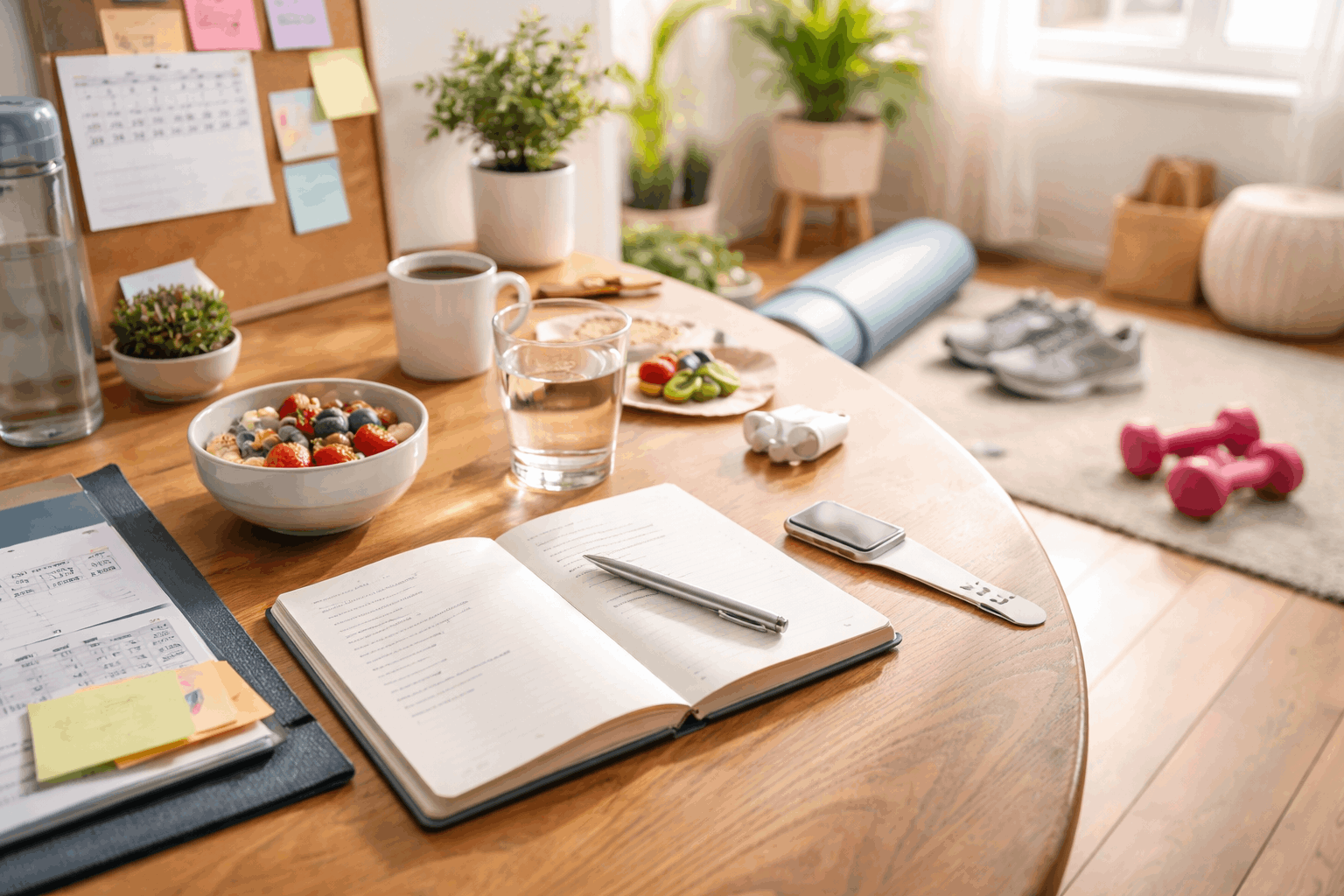
Use Clear Cues and Simple Triggers
A routine lasts longer when you do not rely on motivation to remember it. Link each habit to a visible cue so your environment helps you act.
Use the same trigger every day so the behavior becomes predictable and easier to maintain a routine.
When the cue is consistent, your brain starts to start the routine with less effort.
Stack Habits in a Natural Order
Place a new habit directly after something you already do, like brushing your teeth or making coffee.
Keep the sequence short so it does not feel like a long chain you can break.
Repeat the same order daily until it feels like one smooth routine instead of separate tasks.
Remove Friction From the Setup
Prepare what you need in advance so starting the habit is fast and simple.
Set out clothes, refill a water bottle, or pre-plan a quick meal option to reduce delays.
When the start is easy, you are more likely to follow through even when busy.
Use Visual Reminders That Feel Neutral
Choose reminders that help you notice, not reminders that make you feel guilty.
A checklist, calendar mark, or phone reminder can work if it stays simple and consistent.
If reminders start to feel annoying, reduce the number instead of quitting the routine.
Protect Your Routine With Flexible Boundaries
Routines fail when they require perfect conditions to work.
Creating healthy routines means setting boundaries that protect time without creating conflict.
Use a light structure so you can adapt without losing the core habit. A routine becomes durable when it can bend without breaking.
Plan for Common Disruptions
Think about the situations that usually interrupt your routine, like travel, deadlines, or family needs.
Create a smaller “backup routine” for those periods so you stay consistent.
If you keep the habit alive during disruptions, returning to the full routine is easier.
Set Limits That Support Your Goals
Protect sleep and recovery by setting a reasonable cutoff for screens or late work.
If your routine includes movement, schedule it like a meeting so it has a place in the day.
Boundaries work best when they are specific, realistic, and tied to a clear reason.
Use Social Support Without Depending on It
Invite accountability when it helps, but make sure you can still follow the routine alone.
A friend, family member, or group can make routines feel lighter and more enjoyable.
The goal is support, not pressure, so keep expectations simple and positive.
Keep Routines Interesting Without Constant Change
A routine can get boring, and boredom can cause slow drop-off. Refresh the routine in small ways while keeping the core structure stable.
This helps you maintain a routine while still feeling progress and variety. The best updates are small upgrades, not full replacements.
Rotate Options Inside the Same Habit
Keep the same habit category but change the specific activity, like different workouts or meal ideas.
This keeps the routine familiar while preventing it from feeling repetitive.
Variety works best when it is planned so you do not spend energy deciding each day.
Use Milestones to Create Momentum
Set a short milestone like two weeks of consistency or a month of steady sleep habits.
Celebrate progress with something supportive, like new gear, a relaxing activity, or a planned rest day.
Milestones create forward movement without forcing the routine to become bigger and harder.
Review Monthly and Adjust One Thing
Do a short review once a month to see what feels easy and what feels heavy.
Change one variable at a time so you can tell what actually improved consistency.
Small adjustments help routines stay aligned with real life as your schedule changes.
Strengthen the Mindset That Sustains Habits
Your routine lasts longer when it supports your identity and priorities.
A healthy daily routine is easier to keep when you believe it is part of who you are becoming.
Focus on repeating the process rather than chasing instant results.
When the mindset is stable, the routine becomes less fragile during stressful times.
Use Self-Talk That Encourages Consistency
Speak to yourself like a coach, not a critic, especially after setbacks. Use language that focuses on returning to the routine, not failing the routine.
Encouraging self-talk reduces the stress that often leads to quitting.

Connect Habits to Meaningful Benefits
Name the real benefits you care about, like better energy, calmer mood, or stronger focus.
Remind yourself of these benefits when motivation drops or time feels tight. When the routine has a clear purpose, it feels worth protecting.
Accept Slow Progress as a Feature
Long-term habits grow through repetition, not dramatic changes. If results feel slow, treat that as normal and keep the routine stable.
Stability creates the conditions where progress eventually becomes noticeable.
A Long-Term Routine That Actually Lasts
Maintaining healthy routines over time becomes easier when your plan is small, flexible, and designed for real life.
Establishing healthy routines works best when you build a routine you can repeat on ordinary days, not just your best days.
Keep refining your structure with small adjustments so you can maintain a routine through change and stress.