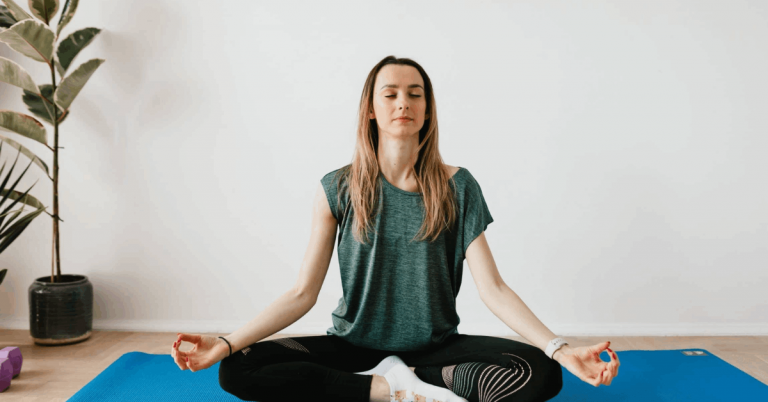
Feeling disconnected, distracted, or simply overwhelmed by endless thoughts? You’re not alone—staying emotionally present isn’t always easy today.
This article is for anyone hoping to enjoy more meaningful relationships, reduce stress, and experience real moments every day.
Why Emotional Presence Matters in Daily Life
Being emotionally present means really noticing what’s happening around you—and inside you—in real time.
It’s not just about being there physically; it’s about engaging fully, responding to feelings and situations without judgment. For many, learning this can improve mental well-being and even boost productivity.
Deeper Connections With Others
When you’re emotionally present, conversations feel richer. People sense your engagement, deepening your relationships.
It also makes it easier to resolve conflicts with care and understanding, though of course, there’s no magic formula for perfection.

Less Stress and More Enjoyment
Living in the moment helps you respond rather than react to stress. You notice small pleasant things—a smile, a breeze—that can easily get lost in scrolling or overthinking. Honestly, it’s a little trial-and-error some days, but even small steps make a difference.
Common Barriers to Emotional Presence
Many struggle with distractions, overbooked schedules, or worrying about what’s next. Fear of missing out presses us to multitask, leaving us less available here and now.

Technology and Digital Distraction
Your phone is designed to grab attention—sometimes it succeeds even during important conversations. This constant pull can fragment your focus, making emotional presence feel difficult.
Unresolved Emotions
Sometimes, old emotions or unspoken concerns swirl beneath the surface, making true presence hard. Ignoring them tends to backfire, but facing every feeling at once isn’t always possible either.
Practical Techniques to Stay Emotionally Present
Building the skill of emotional presence takes deliberate habits. Here are some realistic strategies you can try, even if some feel a bit awkward at first:
- Pause and Breathe – When you catch yourself drifting, take a full, slow breath. Feel your body relax slightly and let thoughts settle momentarily.
- Single-Task When Possible – Try focusing just on the person you’re with or the activity you’re doing. It might not always work, but you’ll notice a difference over time.
- Notice Your Reactions – If something triggers you, mentally step back and observe the feeling. There’s no need to “fix” it instantly; just naming it helps.
- Practice Mindful Listening – Instead of planning your next reply, listen all the way through. You might be surprised by what you hear—or realize what you missed before.
- Allow Imperfection – Presence isn’t about constant focus. Sometimes your mind will wander, and that’s ok. The trick is returning gently without self-criticism.
Integrating Presence Into Everyday Life
Being emotionally present doesn’t have to look dramatic. Small repeats matter more than grand gestures or retreats. Here’s how some people weave it into their day:
- Set Phone Boundaries – For example, leaving your device in another room during meals or conversations can really help.
- Check In With Yourself – Ask yourself, “How am I feeling right now?” a few times each day. Sometimes even that awareness shifts your outlook.
- Use Reminders – A sticky note or phone alarm can prompt you to pause, breathe, and check-in emotionally. It may feel odd at first but gets easier.
Exercises to Improve Emotional Presence
Some days, intentional exercises are more helpful than vague reminders. Consider setting aside 3–5 minutes for a quick reset:
- Body Scan: Sit quietly and focus on each area of your body for a few seconds—from toes to head. Notice sensations without trying to change anything.
- Emotion Labeling: Silently name your emotion—like “frustrated” or “excited”—and pay attention to where you feel it. Naming gives space to the feeling.
When Presence Is Difficult: Compassion Counts
No one stays emotionally present every moment. High stress, exhaustion, or even illness make it harder. Self-compassion during these times matters. Perhaps, over weeks and months, presence will feel more natural—but setbacks are normal.
Useful Resources and Tools
Some apps can help you build habits for presence. For example, Headspace and Calm offer guided meditations. For more on emotional well-being, see our article on practical mindfulness techniques.
Visual Resources and Quick Reminders
Tip Box: Place a cheerful object—a stone, a photo, even a sticky note—somewhere visible as a gentle prompt to return to the present. Image placeholders or infographics mapping daily check-in times could also be useful here.
Conclusion: Small Steps Toward Presence
Staying emotionally present is a gradual journey. Even tiny changes add up, shaping how you experience relationships, work, and quiet moments. Start with a single breath or a short check-in—notice what shifts. Choose an exercise or set a gentle reminder today, and see where it leads.
Looking for more tips on everyday wellbeing? Check out our guide to work-life balance strategies.