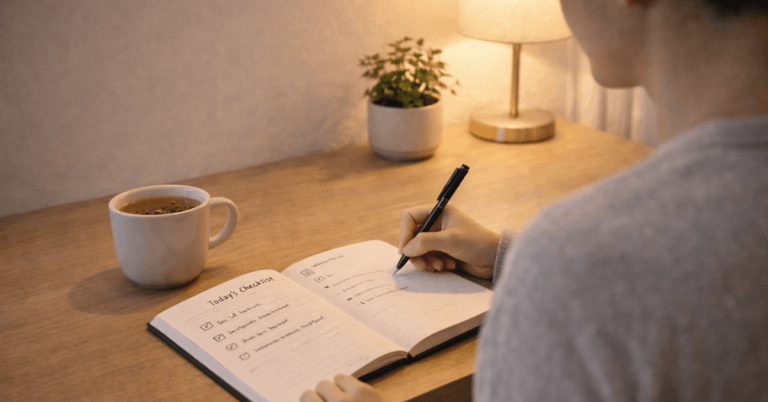
Emotional health can shift on a normal afternoon, even when nothing dramatic happens. You notice your shoulders tighten, your phone buzzes, and your patience drops.
In that moment, you see how small habits shape emotional health, because choices stack fast. You take one slow breath, drink water, and step away for 2 minutes. The mood does not vanish, but it becomes manageable and less sticky.
In this article, you will learn a simple mind skills toolkit built from small habits that improve awareness, reduce spirals, and build steadier reactions. You will start with 1 habit today, repeat it for a week, and then add the next step.

Awareness Habits That Help You Notice Patterns
Awareness is the starting point because you cannot change what you do not notice. Many beginners assume emotions appear randomly, but patterns are usually present.
When you track small signals, your reactions feel less mysterious and more workable. This section shows simple habits that build emotional clarity in real life. You will practice noticing, naming, and mapping triggers without judging yourself.
A 1 Minute Mood Check
A 1-minute mood check gives you a quick snapshot before stress takes over. Pause and rate your mood from 1 to 10, then note one body signal. Ask what you need right now, such as water, food, movement, or quiet.
This habit interrupts autopilot and helps you choose a better next step. Over time, the check builds self-trust because you respond early.
Naming Feelings to Reduce Intensity
Naming feelings reduces intensity because it moves emotion from fog to language. Instead of saying you feel bad, choose a specific word, such as frustrated, anxious, lonely, or overwhelmed.
Add one sentence about what happened, using plain facts rather than blame. When you label the feeling, you create space between you and the reaction. That space makes it easier to act calmly and stay respectful.
Trigger Spotting Without Blame
Trigger spotting without blame means noticing what sets you off, not attacking yourself for it. Write down the situation, the people involved, and what you were expecting to happen.
Include factors like sleep, hunger, noise, and screen time, since they matter. Look for repeating patterns across 1 week rather than one bad day. Once you see the pattern, you can plan a small protective habit.
Thought Habits That Reduce Spirals
Thought habits shape emotional outcomes because your brain explains events before you feel settled.

When the explanation is extreme, the emotion follows that intensity. You do not need to force positive thinking, and you do not need to argue with yourself.
You need small thinking skills that test accuracy and reduce spirals. The habits below help you slow down, check reality, and choose wiser responses.
Thought Labeling and Reality Checking
Thought labeling is a way to stop a story from becoming a fact. When you notice a harsh thought, add a tag like prediction, mind reading, or worst case. Then ask what evidence supports it and what evidence challenges it.
You are not denying your feelings; you are testing the thought’s certainty. This habit reduces emotional spikes because your brain stops treating guesses as truth.
A 2 Question Reframe
A 2 question reframe keeps you practical when emotions feel loud. Ask, what is the smallest true version of this problem right now. Then ask, what is one helpful action I can do in 5 minutes.
This stops overthinking, protects energy, and builds control when you feel stuck. The goal is progress, not perfection, and small actions shift mood quickly.
Worry Scheduling to Contain Rumination
Worry scheduling contains rumination by giving it a boundary instead of banning it. Pick a 10 minute window, earlier than bedtime, and write worries as short lines. For each one, add a next step that you can do tomorrow.
When worry returns outside the window, say, I have a time for this. Over time, your brain learns that worry has limits and sleep feels calmer.
Action Habits That Build Emotional Confidence
Emotional confidence grows when you act in small, consistent ways, even on hard days.

Waiting to feel better first often delays recovery and increases frustration. Action habits are not about doing more; they are about doing the right next step.
You build trust by repeating practical choices that match your real schedule. The habits below create momentum, protect consistency, and soften setbacks.
Tiny Tasks That Create Momentum
Tiny tasks create momentum because they lower the barrier to starting. Pick a 2 to 5-minute task, like tidying one surface or sending one message. Finish it fully so your brain gets a completion signal.
Then choose, stop, and rest, or do one more tiny task. Even on rough days, this builds control and steadiness. You also reduce avoidance, which often fuels anxiety.
Consistency Over Intensity
Consistency beats intensity because your mood responds to repetition, not rare, big efforts. Pick one habit you can do on busy days, like a 10-minute walk. Treat it like brushing your teeth, not a performance.
If you miss a day, return tomorrow without self-criticism. This prevents all-or-nothing thinking and keeps progress steady. Over weeks, those repeats make you calmer under pressure.
Building a Backup Plan for Hard Days
A backup plan protects you when life gets messy, and your usual habits slip. Create a minimum day list with three actions you can always do. Examples include drinking water, taking a 5-minute walk, and texting one trusted person.
When you feel overwhelmed, follow the list instead of debating. This reduces decision fatigue and keeps your mood supported without adding more pressure.
Social Habits That Build Support
Social support stabilizes emotions, yet many beginners avoid it because it feels awkward.

You do not need a dramatic talk to build a connection and reduce the load. Small social habits create safety, clarity, and repair, especially during conflict.
This section shows simple ways to ask for help and keep relationships steady. When you practice these skills, you feel less alone and less reactive.
Asking for Help in Specific Terms
Ask for help in specific terms so people know how to respond. Name the situation in one sentence, then name one need. You might ask for a ride, a quick call, or help with one task.
Add a time limit, like 10 minutes, to keep it manageable. If the first person cannot help, ask another trusted adult or friend. Support becomes easier and less awkward.
Repairing Conflict Early
Repair conflict early because tension grows when it stays unspoken. Start with one ownership line, like I was sharp earlier, and I am sorry. Then name what you want next, such as a reset or a clearer plan.
Keep your voice calm and your words short, even if you feel upset. If it heats up, pause and return later at an agreed time.
Support When Feelings Get Heavy
Sometimes feelings get heavy enough that habits alone are not the best tool. You might feel stuck, on edge, or unable to focus for days.

In those moments, the healthiest habit is reaching for support early. This section explains how to involve trusted adults and build steady help without shame. Getting support is a skill, and it strengthens emotional health over time.
When to Talk to a Trusted Adult
Talk to a trusted adult when emotions disrupt sleep, school, or relationships for days. Choose someone safe, like a parent, guardian, teacher, or school counselor. Start with one clear sentence, such as, I feel overwhelmed, and I need help.
Describe what you notice, how long it lasts, and what seems to trigger it. If you feel unsafe, get immediate help from adults or emergency services.
What Consistent Support Looks Like
Consistent support looks like check-ins and next steps, not one intense talk. You might agree on a weekly conversation, a daily text, or time with a counselor. Good support includes adjustments, like a lighter workload or calmer routines.
It also includes skill practice, such as breathing, journaling, or planned breaks. When a plan is not helping, you review it and adjust without blame.
Conclusion
Small habits work because they give your nervous system repeated signals of safety and control. With awareness, you notice patterns before they turn into blowups. With thought skills, you reduce spirals and choose more accurate explanations.
With action and social habits, you build confidence and support that lasts. Start with one habit today, repeat it for 7 days, then add the next.