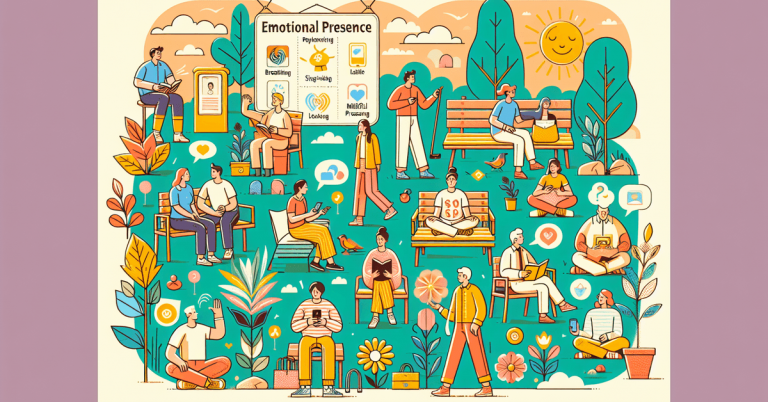
Emotional balance improves when your day has a few dependable cues. This guide covers small changes that support emotional balance without big lifestyle overhauls. You will learn quick actions for mornings, midday stress, and calmer evenings.
Each step is simple, repeatable, and designed for beginners who want steady progress. Try it for 7 days, note what helps, and keep the habits that fit your life.
Morning Anchors That Set Your Mood
Morning anchors matter because they set your emotional baseline before demands arrive.

When your first hour is chaotic, your brain stays on alert and small problems often feel bigger. A morning routine does not need to be long, but it should be predictable.
Choose 2 or 3 actions that signal safety and direction. Repeat them even on busy days so your mood starts steady.

Light, Hydration, and Protein First
Start with light exposure, hydration, and a simple protein first choice to steady energy. Natural light tells your body it is daytime, which supports a more reliable sleep rhythm later.
Water helps reduce morning fatigue that can feel like anxiety. Protein slows energy spikes and crashes that can drive irritability. Keep it basic, such as eggs, yogurt, nuts, or a protein rich sandwich.
Caffeine Timing That Feels Smoother
If you drink caffeine, delay it by 60 to 90 minutes when possible and keep the dose consistent. Early caffeine on an empty stomach can amplify jittery feelings and make stress responses sharper.
Pair coffee or tea with food so stimulation feels smoother. Avoid adding extra cups to chase focus because it increases tension. A steady caffeine rule is a small lever with strong payoff.
A 2 Minute Plan to Reduce Mental Noise
Add a 2 minute plan that reduces mental noise and prevents decision fatigue. Write down the 3 most important tasks and the one thing you will ignore until later. This creates a boundary that protects you from endless switching.
Keep the plan visible so you do not renegotiate it all morning. When your mind knows what is next, it spends less energy scanning for threats.
One Small Win to Build Confidence
Choose one small win that you can finish in under 5 minutes and do it early. It can be making your bed, replying to one message, or packing a bag for later. Finishing a task gives your brain a clear success signal that reduces helplessness.
Keep it easy so you do not trigger perfectionism. Small wins are not about productivity, they are about calm confidence.
Midday Reset Habits That Stop Emotional Spillover
Midday is where stress stacks because you are handling tasks, people, and noise at once.

If you do not reset, your body stays in a high alert mode that drains patience. A midday routine is a short interruption that lowers intensity and restores clarity.
You do not need a long break; you need a deliberate pattern. Use the steps below to stop spillover early.
Caffeine Cutoff and Breath Breaks
Set a caffeine cutoff time and pair it with brief breathing breaks to reduce reactivity. Many people feel wired in the afternoon because caffeine lingers longer than expected. Choose a cutoff such as 2 PM so sleep is not disrupted later.
Then do 3 rounds of slow breathing, with longer exhales than inhales. This shifts your nervous system toward steadier control within minutes.
Short Walks and Posture Adjustments
Use a short walk and posture reset to release tension that collects in your shoulders and jaw. Movement improves circulation and clears stress signals that build during sitting. Aim for 5 to 10 minutes and leave your phone in your pocket.
When you return, sit tall, relax your shoulders, and unclench your teeth. These small posture cues reduce physical stress that can mimic emotional distress.
Micro Environment Shifts When You Cannot Walk
If you cannot walk, change your environment for 2 minutes by stepping outside, opening a window, or moving to a different room. A context shift breaks rumination loops and gives your brain new input.
Look at something far away for 20 seconds to relax eye strain. Then return and start with the easiest next task. This reset works at school or at home.
Simple Food Choices That Stabilize Energy
Make simple food choices that stabilize energy, because hunger can feel like anger or anxiety. Include fiber and protein to keep your blood sugar steadier throughout the afternoon.
Avoid stacking sugary snacks with energy drinks because the crash can be harsh. If you crave something sweet, pair it with fruit and nuts. Stable energy is one of the fastest paths to a stable mood.
Afternoon Boundaries That Protect Focus and Patience
Afternoon is where your focus and patience get tested, especially when messages keep arriving.

Boundaries protect emotional balance by reducing constant interruptions and social pressure. A boundary is not a wall; it is a clear rule that prevents overload.
Choose a few rules that you can actually follow, then communicate them simply. When your attention is protected, your mood is easier to regulate.
Notification Rules and Message Windows
Set notification rules so you control when inputs enter your brain. Turn off non-essential alerts and keep only calls or critical messages if needed. Check messages in 2 or 3 planned windows instead of reacting every few minutes.
This reduces anxiety because you stop training your mind to expect constant updates. Focus improves, and relationships often improve too because replies become intentional.
Micro Break Structure That Actually Works
Use a micro break structure that prevents fatigue without derailing your work. Try 25 minutes of focus with a timer, followed by a 5 minute break, then repeat 2 times. During breaks, stand up, stretch, and look away from screens to reduce stimulation.
Do not scroll social apps because that adds new stress input. A clean break restores capacity and lowers irritability later.
Saying No Without Guilt
Practice saying no without guilt by using short, respectful scripts that keep boundaries clear. Start with a simple line like, “I cannot do that today,” then offer a realistic alternative time if you want.
Avoid long explanations because they invite debate and drain energy. Calmly repeat your decision once, then stop negotiating. Clear no scripts reduce resentment and protect emotional balance across weeks.
Evening Decompression That Improves Sleep Quality
Evening decompression is where you close the stress loop and prepare your brain for recovery.

If you end the day with high stimulation, sleep quality drops, and emotions feel sharper tomorrow. Your goal is a gradual downshift, not a sudden shutdown.
Choose a few cues that signal the day is ending, then repeat them nightly. Consistent evenings build more stable mornings.
Screen Timing and Wind Down Rules
Set screen timing rules that reduce late-night stimulation and protect melatonin rhythms. Pick a cutoff such as 60 minutes before sleep for phones, games, and intense videos.
Replace that time with calmer activities like reading, music, or light chores. If you must use a screen, lower the brightness and avoid rapid content. Better sleep quality makes emotional balance easier the next day.
Reflection Prompts That Reduce Rumination
Use short reflection prompts that reduce rumination and organize your thoughts at night. Write three lines: what went well, what felt hard, and what you will do differently tomorrow.
Keep it factual so you do not spiral into self-criticism. If a worry repeats, add 1 next step that is small and concrete. This turns mental noise into a plan, which helps your brain relax.
Gentle Stretching and Breath Downshifts
Add gentle stretching and slow breathing to signal safety to your nervous system. Focus on your neck, hips, and lower back because tension often collects there. Breathe slowly and extend your exhales to reduce physical arousal.
Keep the session short, around 5 minutes, so it feels easy to repeat. Over time, this becomes a reliable cue that sleep is coming.
Conclusion
If you feel stuck, treat small changes that support emotional balance as experiments, not personal tests. Adjust one variable at a time, such as caffeine timing, notifications, or sleep cutoff.
If anxiety, sadness, or anger is intense or lasts weeks, talk with an adult or a professional. Getting support is a skill, not a failure. Start today and build a routine you can maintain.