Most people blame stress, but sleep is the hidden driver. Sleep hygiene is the habits and cues that make rest predictable. When you tighten these basics, mood and focus improve. You do not need a perfect bedtime or pricey gadgets.
You need routines that fit workdays and evenings. This article defines sleep hygiene in plain terms. It shows how to build it step by step. Each section includes one resource you can try now.
What Sleep Hygiene Is And Why It Works
Sleep hygiene is not one hack, and it is not only about bedtime. It is how you manage light, timing, stimulation, and comfort.

Sleep Education from the American Academy of Sleep Medicine frames it as healthy sleep habits. When cues stay consistent, your body clock gets clearer signals.
Better sleep habits can support steadier moods, not just energy. Think of sleep as a daily system you guide.

Sleep Hygiene Versus Sleep Hacks
Sleep hacks promise fast results, but they rarely make sleep reliable. Sleep hygiene basics focus on repeatable actions like steady wake time and calm evenings. A hack may help once, then fail when your week gets busy.
Basics work because your brain learns patterns through repetition. If you need a starting point, the AASM Sleep Education checklist can guide you. Try extras only after core habits feel steady.
Why People Miss The Basics
People miss the basics because daytime choices feel separate from bedtime. Late caffeine and irregular wake times can push sleep later. Long naps can also steal sleep pressure from the night.
Trying to fix sleep only at bedtime is the most common trap. AASM guidance warns that late caffeine and alcohol close to bedtime can disrupt sleep. Choose one disruptor and test a change for two weeks.
How To Spot A Habit Problem Early
You can suspect habits are the issue when sleep improves on weekends. If your schedule shifts and sleep shifts too, timing is a key driver.
Use a sleep diary for seven days to spot patterns. The CDC suggests tracking bedtime, night wakeups, naps, exercise, and caffeine or alcohol.
One repeated pattern is enough to start improving sleep hygiene. Fix the biggest pattern first, then reassess next week.
Set Daytime Anchors That Make Sleep Easier At Night
Your night starts in the morning because your body clock uses daytime cues. A steady wake time and daylight build sleep pressure for later.

Daytime anchors reduce nighttime adrenaline that can trigger racing thoughts. SleepScore can help you see timing trends without guessing.
Use it to watch patterns across days, not to chase a score. When your day is anchored, bedtime feels less like a fight.
Keep One Wake Time Most Days
A steady wake time is often the strongest lever for better sleep. Even after a rough night, waking near your target time helps. Sleeping in far later can delay the next bedtime and restart the cycle.
Use SleepScore to compare steady weeks with shifting ones. Consistency beats catching up because your clock prefers predictability. If you need recovery, choose an earlier bedtime, not a late one.
Use Light And Movement As Timing Signals
Morning light helps set your circadian rhythm and supports sleepiness. Try to get outside soon after waking, even for a walk.
Add light movement, and you lower stress tension in the body. Light plus movement can calm your nervous system without extra effort.
If mornings are not possible, get light at lunch and keep evenings gentler. SleepScore can help you notice whether active days improve sleep depth.
Set A Caffeine Cutoff You Can Keep
Caffeine timing matters because it can keep your brain alert at night. Research in an AASM sleep journal found that caffeine six hours before bed can disrupt sleep. A practical cutoff is morning or early afternoon.
Use SleepScore to test one cutoff for two weeks and note changes. If you still struggle, move the cutoff earlier by one hour. This often reduces bedtime restlessness and night wakeups.
Build a Wind-Down Routine That Fits Real Life
A wind-down routine works when it is short and simple to repeat. You are lowering stimulation, not building a long ritual.

The goal is to shift your nervous system from alert to sleepy. Apple Health Sleep and Android Bedtime Mode can schedule reminders and dim screens.
Predictable cues reduce late planning and scrolling. Pick a start time you can keep most nights, then protect it.
Use a Two-Step Routine On Late Nights
On late nights, keep winding down to two steps you can finish. Choose one body cue, like a warm shower, and one quiet cue, like reading. Two steps are enough because your brain learns the order.
Use Bedtime Mode to start, so you do not negotiate. Do the steps in the same sequence and keep the lights low. Within two weeks, many people experience sleepiness more quickly.
Create Friction For Screens
Screens keep you active, even when the content still feels harmless. You do not need a detox, but you do need friction. Charge your phone away from the bed and silence unneeded alerts.
Bedtime Mode settings can dim the display and reduce notification pull. If you must use a screen, choose calm content and lower brightness. This reduces the chance that late scrolling pushes sleep later.
Offload Worries Before You Lie Down
Racing thoughts often come from unfinished tasks and emotional leftovers. A short worry offload tells your brain the issue is recorded, not ignored. Write three lines: the worry, one next step, and when you will handle it.
Do this before bed, then close the notebook or app. Stop there, so you do not expand it into planning. When worries are captured, falling asleep usually feels less effortful.
Adjust Your Bedroom Setup To Reduce Wakeups
Your bedroom should act like a cue for sleep, not a second office. Small changes to temperature, light, and noise can reduce wakeups.
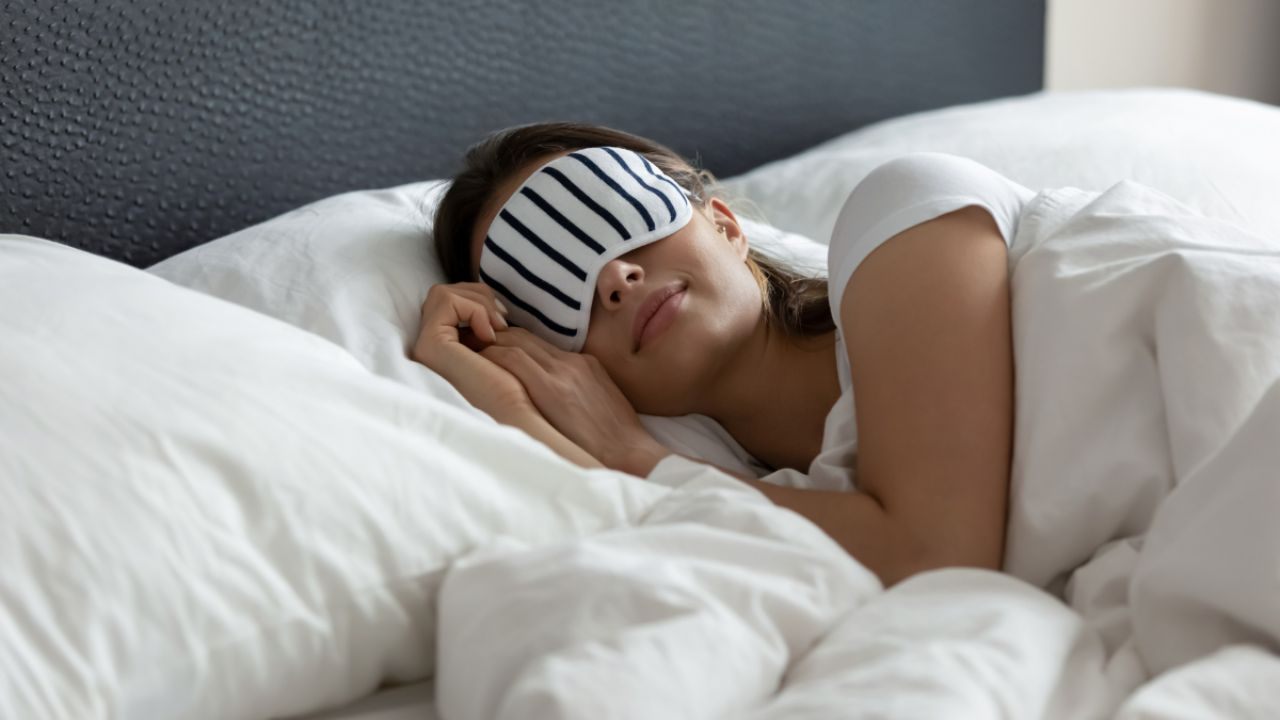
Start with the biggest disruption, not a shopping list. Cleveland Clinic guidance often emphasizes keeping the room cool, dark, and quiet.
A steady environment makes sleep less fragile, especially during stressful weeks. Once the room supports you, your habits work better with less effort.
Fix Overheating First
Heat can trigger lighter sleep and more wakeups. Turn the room cooler and choose blankets you can layer. Cooling the body supports the temperature drop needed for deeper sleep.
Cleveland Clinic suggests many adults sleep best in a cool bedroom, often around the low sixties Fahrenheit. If you cannot adjust the thermostat, use a fan and breathable sheets. Test one change for a week, then keep what works.
Reduce Light And Noise Triggers
Light and noise can fragment sleep even when you do not wake. Block light with curtains, an eye mask, or by covering LEDs. Reduce noise with earplugs, white noise, or moving devices away.
If you share a home, agree on a quiet window. Protecting the room helps the brain stay in sleep instead of scanning for changes. These fixes often improve sleep faster than new routines.
Troubleshoot Setbacks And Know When To Get Help
Even with strong habits, some nights still go sideways, even when you do everything right.

The key is responding without teaching your brain to dread bed. Use simple rules that protect the bed as a sleep cue.
NHLBI describes stimulus control as a core method for this. It links bed with sleep, not with work, worry, or frustration. Calm troubleshooting keeps short problems from becoming chronic.
Get Out Of Bed When You Cannot Sleep
If you are awake and frustrated, lying there can make sleep harder. Experts suggest getting out of bed if you cannot sleep after twenty minutes. Go to a light-dimmed room and do something calm, like reading.
Avoid phones because light and new content can wake you more. Return only when sleepy, so the bed stays linked to sleep. This reduces the chance you start dreading bedtime.
Prevent Weekend Sleep Drift
Weekend sleep-ins can feel like recovery, but they can shift your clock later. A smaller sleep-in keeps Sunday night from becoming a struggle. Try to wake within one hour of your usual time.
If you need more rest, go to bed earlier the next night. Keep naps short and in the afternoon so they do not steal sleep pressure. These choices help sleep hygiene hold all week.
Watch For Red Flags
Some signs point to sleep issues that habits alone will not fix. Loud snoring, breathing pauses, sleepiness, or long-term insomnia are red flags. If sleep affects driving, work safety, or mental health, get evaluated.
Do not self-diagnose when symptoms are persistent or worsening. NHLBI resources explain that treatment can include therapy, devices, or care. Good sleep hygiene supports treatment, but it should not delay help.
Conclusion
Sleep hygiene is not a trend. It is a skill set you can practice. Small adjustments add up as your body clock learns cues.
Anchor wake time and keep caffeine earlier in the day most nights. Keep the room cool, dark, and quiet. If sleep stays broken, talk with a clinician and bring your diary.