Sleep is not only about rest, but it is also emotional maintenance. How sleep affects emotional well-being shows up in your patience, reactions, and stress tolerance. When you sleep well, you handle setbacks with less friction.
When sleep is short, small problems feel louder and harder. This article explains the factors that shape mood through sleep.
You will also learn what lack of sleep does emotionally. Each section includes one helpful tool you can try.

What Sleep Does For Your Emotional Brain
Sleep supports your ability to regulate emotions across the day, not just at night. When you sleep enough, your brain processes stress more effectively, and you recover faster after tension.
Your mood control improves because your nervous system is not running on overload. The goal is not perfect sleep, but sleep that is steady and restorative.
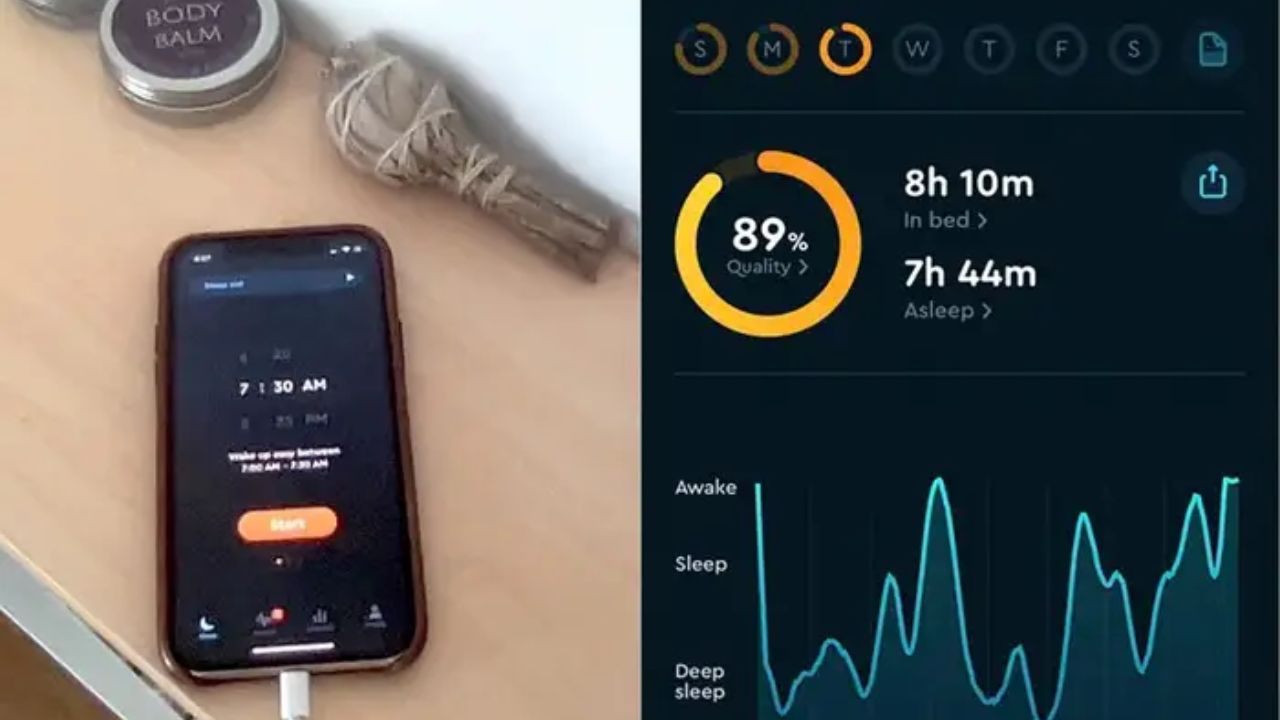
Use Sleep Cycle to notice patterns and keep your routine consistent. Focus on REM, deep sleep, and regular timing.
REM Sleep And Emotional Processing
REM sleep helps your brain sort emotional experiences and reduce their intensity. When REM is consistent, you often feel less reactive the next day, even if problems remain.
Emotional memory gets organized so you can think without replaying the same stress loop. When REM is cut short, your feelings can stay raw and easier to trigger.
Sleep Cycle can highlight trends in sleep timing that may affect REM. Use those patterns to protect your sleep window.
Deep Sleep And Stress Recovery
Deep sleep supports physical recovery, but it also matters for emotional stability. When deep sleep is disrupted, your body carries more stress signals into the next day.
Stress hormones stay higher which can make you feel tense, jumpy, or easily overwhelmed. You might notice more sensitivity to noise, deadlines, or social pressure.
Sleep Cycle can help you spot nights when sleep quality dips. Use that insight to adjust bedtime consistency, not just total hours.
Sleep Consistency And Mood Stability
Your brain responds well to predictable sleep and wake timing, even more than occasional long nights. If your schedule swings, your mood can swing with it, especially in the afternoon.
Consistency lowers emotional volatility because your body knows when to power down and recover. This is why late weekend sleep ins can still feel draining.
Sleep Cycle can reveal if irregular timing matches anxious or irritable days. Aim for a stable wake time, then build bedtime around it.
Sleep Continuity And Next Day Resilience
Sleeping long enough is helpful, but waking often can still leave you emotionally fragile. Fragmented sleep reduces the feeling of restoration and can increase sensitivity to stress.
Interrupted nights reduce resilience because your brain does not finish its full recovery cycles. You may feel alert but emotionally thin, which can lead to snap reactions.
Sleep Cycle can show how often you wake and when it tends to happen. Use that data to review caffeine timing, room comfort, and late screen use.
Why Poor Sleep Makes Small Problems Feel Bigger
Lack of sleep changes how your brain interprets daily events. You may notice faster irritation, stronger anxiety, and less motivation to handle normal tasks.
Sleep loss amplifies negativity because your brain leans toward threat and frustration. This does not mean you are weak; it means your system is underfueled.
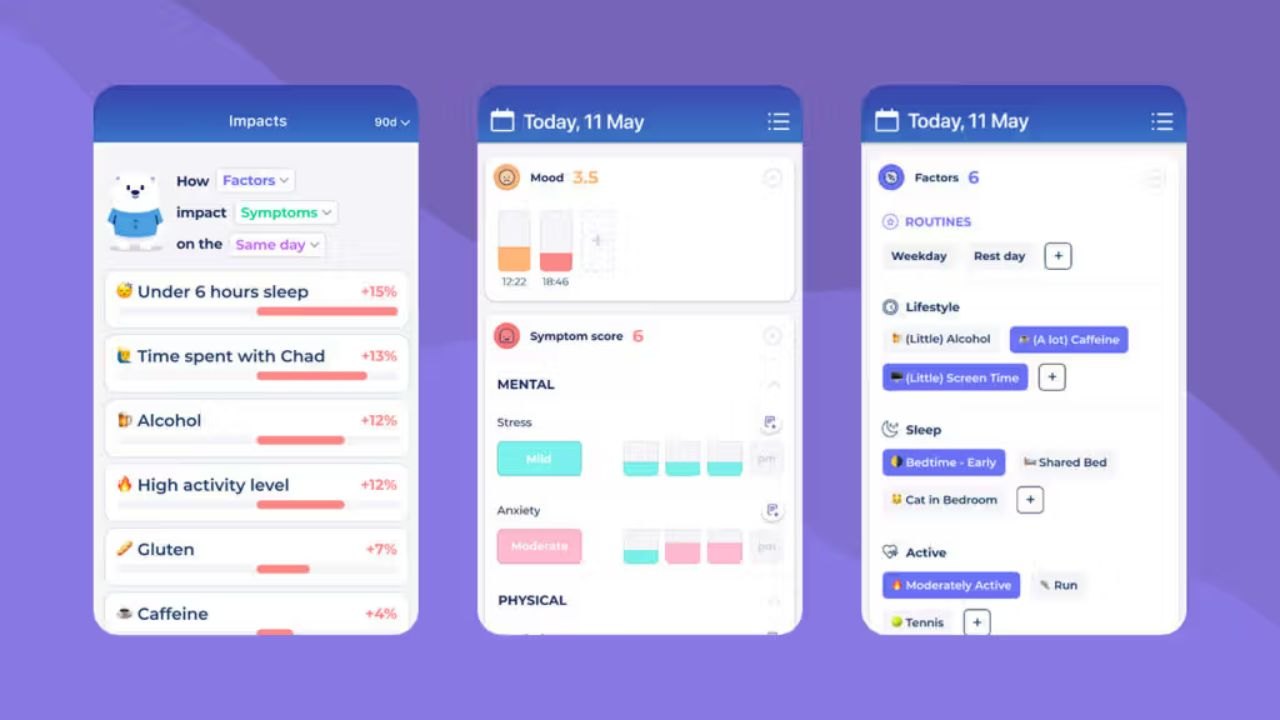
Use Bearable to track mood, sleep, and triggers in one place. The goal is to see patterns and reduce repeated setbacks.
Lower Patience And Faster Frustration
When you are tired, your emotional “pause” gets shorter. You respond before you think, especially in messages, traffic, or family conversations. Your frustration threshold drops because your brain has less capacity for self-control.
This can create guilt later, which adds more emotional weight at night. Bearable helps by letting you log irritability and link it to sleep length. When you see the pattern, you can plan calmer responses on low sleep days.
Stronger Negative Bias And Overthinking
Poor sleep makes your mind scan for what is wrong more than what is neutral. You may overread tone, assume the worst, or replay mistakes longer than usual. Overthinking becomes louder because your brain struggles to filter emotional noise.
This often leads to worry loops that make the next night worse, too. Bearable can track anxiety and rumination alongside sleep patterns. Use that log to spot when you need an earlier wind-down, not more self-criticism.
Reduced Motivation And Social Withdrawal
When sleep is short, even simple tasks can feel heavier and less rewarding. You may cancel plans, ignore texts, or avoid decisions because everything feels effortful.
Low energy reduces connection, which can make a person feel flatter or more isolated. This is not always depression, but it can mimic some of its patterns.
Bearable can help you track motivation and social activity with your sleep data. If withdrawal spikes after poor sleep, plan one small connection habit the next day.
Emotional Numbness And Short-Tempered Bursts
Some people do not feel anxious when tired; they feel numb or detached. Others feel fine until a small trigger causes a big burst of anger or tears. Tired emotions become uneven because your brain shifts between shutdown and overload.
This unpredictability can damage confidence and relationships over time. Bearable can capture these swings by tracking mood intensity and context. When you notice this pattern, prioritize recovery sleep before adding extra goals.
Hidden Daily Habits That Quietly Harm Sleep Quality
Many sleep problems come from routine choices that feel normal until they stack up. These habits reduce sleep depth, increase wakeups, or delay sleep onset without obvious warning.
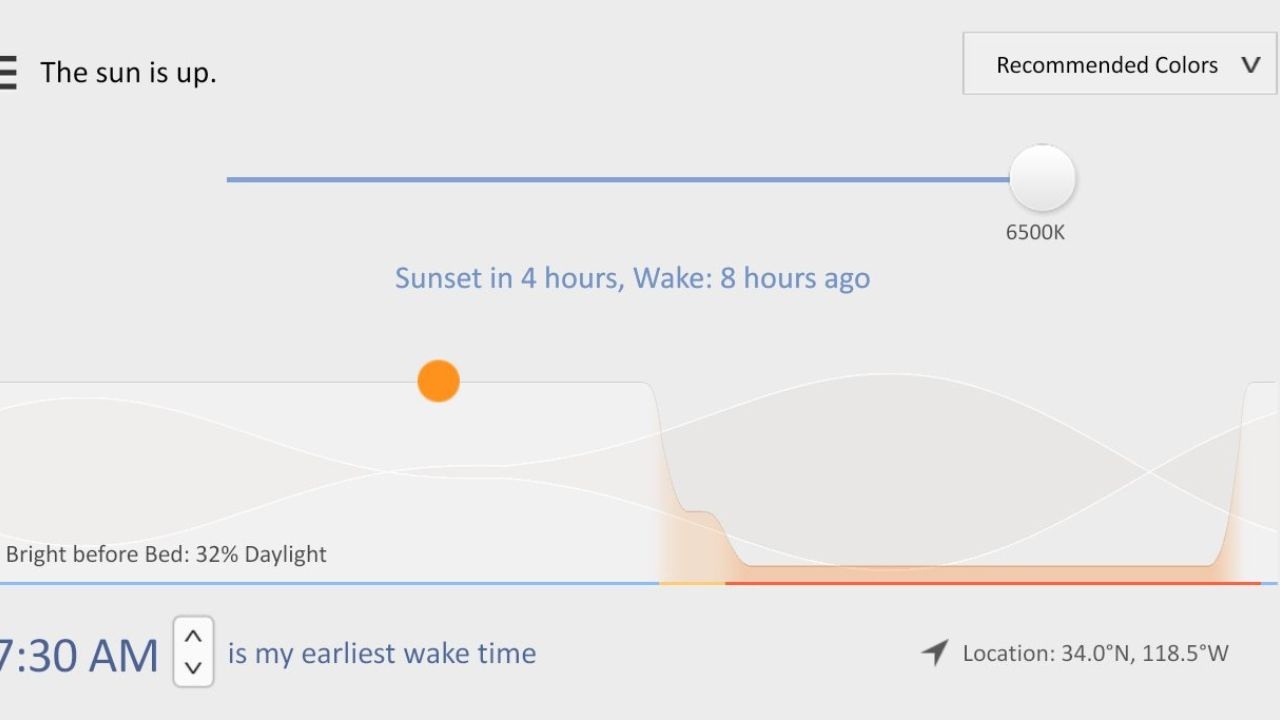
Small habits create big sleep debt because they repeat daily. The fix is not harsh rules; it is better timing and fewer late triggers.
Use f.lux to reduce screen light and support a calmer evening environment. Then address caffeine, stimulation, and irregular schedules.
Late Caffeine And Heavy Meals
Caffeine late in the day can keep your body alert even when you feel tired. Heavy meals close to bedtime can also disrupt comfort and increase night waking. Timing matters more than quantity because your body needs time to settle.
If you want caffeine, move it earlier and reduce afternoon intake first. If you eat late, keep it lighter and avoid spicy or heavy foods. Use f.lux as a reminder to shift into night mode earlier.
Screen Light And Late Stimulation
Bright screens and intense content can delay your sense of sleepiness. Even if you get in bed on time, your brain may stay in alert mode from scrolling and videos.
Late stimulation delays sleep because it keeps your attention engaged and your body activated.
f.lux helps by warming your screen tone in the evening. It will not fix content choices, but it reduces one key trigger. Pair it with a simple rule: lighter content, fewer feeds, earlier stop.
Irregular Bedtimes And Long Naps
If bedtime changes widely, your body struggles to predict when to recover. Long naps late in the day can also reduce sleep pressure at night. Irregular schedules confuse your rhythm and can increase insomnia or early waking.
Try a consistent wake time first, then let bedtime adjust gradually. Keep naps short and earlier when possible. Use f.lux to signal evening transition at the same time each day, even if life is busy.
Bedroom Temperature, Noise, And Comfort Drift
Sleep quality can drop when your room feels slightly too warm, noisy, or uncomfortable. These factors often cause micro awakenings you do not remember, but your body still feels them.
Comfort problems fragment sleep and can make you emotionally sensitive the next day. Adjust bedding, airflow, and noise control in small steps.
Keep the room slightly cooler and reduce bright light exposure. f.lux helps with light management, but your room setup matters just as much.
A Practical Plan To Improve Sleep And Emotional Well-Being
You do not need an extreme transformation to improve your mood through sleep. You need a plan that is realistic, repeatable, and easy to restart after a bad week.
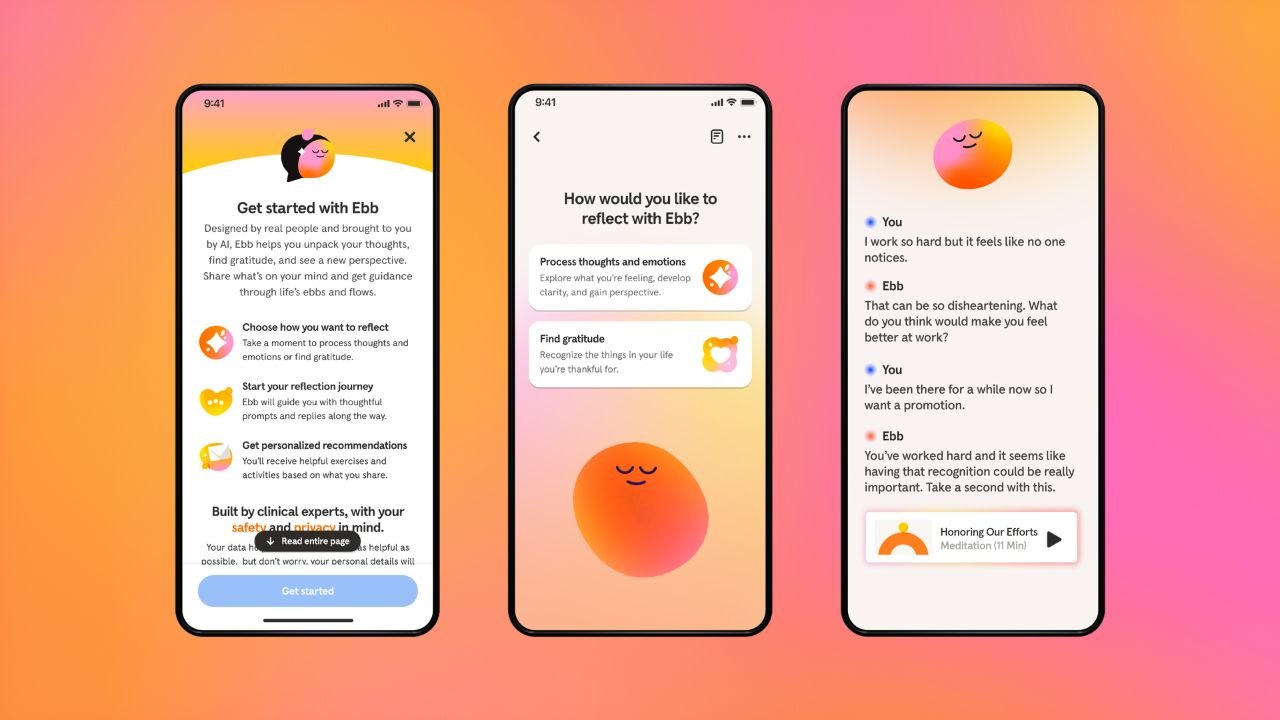
Simple changes work fast when they reduce late stimulation and improve consistency. Start with a wind-down cue, a wake anchor, and a method for night thoughts.
Use Headspace for guided wind down and sleep support when you need structure. Keep the plan small and steady for two weeks.
Build A Wind Down Cue That Signals Safety
A wind-down cue is a short sequence that tells your brain the day is ending. Keep it consistent, such as washing your face, dimming lights, and putting your phone aside. A cue reduces mental noise because your body learns what comes next.
Headspace can support this with brief wind-down audio that does not demand effort. Avoid trying to fix your whole life at night; just transition calmly. When the cue starts, your goal is rest, not productivity.
Use A Wake Time Anchor For Stability
A steady wake time is one of the strongest supports for better sleep and mood. It builds sleep pressure naturally, which makes it easier to fall asleep later. A wake anchor stabilizes mood because your energy and hormones follow a predictable pattern.
Headspace can help with a gentle morning start if you wake anxious or tense. If you slept poorly, still wake close to your anchor and avoid long sleep-ins. Use a short nap only if you truly need it, and keep it early.
Handle Night Thoughts With A Simple Script
Night thoughts are common, especially when you are stressed or emotionally drained. Instead of fighting them, use a short script: name the thought, write it down, and choose one next step.
Writing creates closure because your brain stops holding the loop. Headspace can help you return attention to your breath when your mind keeps jumping.
Keep your phone away so you do not restart stimulation. Repeat the same script each time, so your brain learns it works.
Conclusion
Sleep and emotional well-being are tightly connected, even when you do not notice it daily.
How sleep affects emotional well-being becomes clear when you track mood, timing, and recovery. Good sleep supports patience, calm thinking, and steadier reactions.