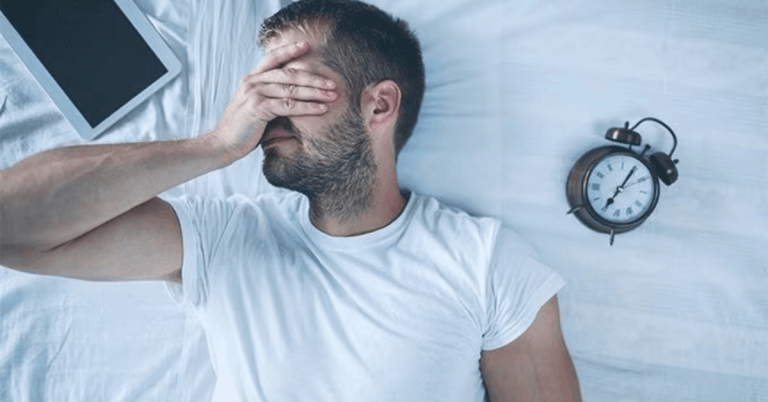
Most people feel off after a short night, and it is predictable. This article explains how sleep deprivation affects emotion in daily life. When sleep drops, you react faster, worry more, and recover more slowly.
You will learn hidden causes that steal sleep without notice. You will get fixes for screens, caffeine, schedules, and stress. Each section includes a tool that reduces friction. Follow the two-week plan to rebuild mood.
The Hidden Causes Of Sleep Deprivation That Sneak Up On You
Sleep deprivation often comes from small habits, not one dramatic all-nighter. These habits keep your brain alert and delay sleepiness.

When they repeat, emotional control narrows and frustration spikes. You may notice shorter patience in conversations and sharper reactions to setbacks.
Identify one trigger, change it, and observe results for a week. Sleep Cycle can track bedtimes and wake times so you can learn trends.
Late Screens And Dopamine Loops
Late scrolling keeps attention on novelty. Screens can delay melatonin and push sleep later. Even if you fall asleep, lighter sleep can leave you raw. The next day, small irritations feel personal, and your tone may sharpen.
Set a cutoff, then switch to calmer content after dinner. Freedom can block apps and sites on a schedule. That removes the negotiation that leads to one hour.
Caffeine Timing That Quietly Breaks Sleep
Caffeine can help you focus, but timing matters. If you drink it late, it may still be active at bedtime. That can shorten deep sleep and increase waking. Over time, anxiety and irritability rise together because recovery stays shallow.
Move your last caffeine earlier by one hour and keep it consistent. Track the change for a week in Google Keep or a simple notes app.
Irregular Schedules And The Weekend Catch-Up Trap
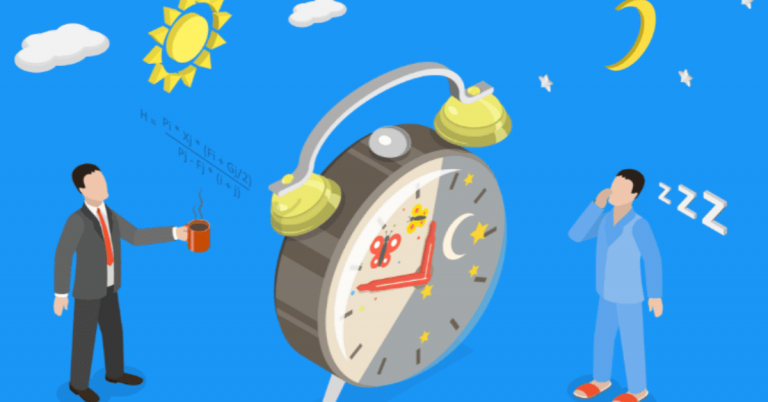
Irregular schedules confuse your body clock, even when hours are adequate. Sleeping in on weekends can delay the onset of sleepiness. Then Monday arrives, and you wake early on a clock that feels wrong.
That mismatch creates mood swings that feel sudden and harder to control. Aim for a wake time window within one hour, daily. Use Sleep Cycle to spot drift and see how consistency changes mood.
Noise, Light, And A Bedroom That Works Against You
A bright or noisy bedroom can keep you in lighter sleep stages. You might not remember waking, but your brain is still recovering. The next day, stress feels louder, and problem-solving feels slower.
You may notice more sensitivity to criticism and less social patience. Test one fix, like blackout curtains or earplugs. The myNoise website lets you build a steady background sound that masks spikes.
Stress And Anxiety: When Your Brain Will Not Power Down
Stress insomnia is common because the mind treats bedtime like a review. It replays events, scans tomorrow, and searches for certainty.

That work keeps the nervous system active. After a few nights, rumination becomes a habit, and emotions spike faster.
You do not need to force calm; you need an off-ramp. The tools below help you park thoughts and lower arousal consistently at night.
Use A Worry Window Instead Of Carrying Worry To Bed
A worry window is a short time to think on purpose. Set aside 10 minutes in the early evening and write down your concerns. For each item, add one next step you can do tomorrow. This gives your brain a sense of closure and reduces bedtime looping.
When the timer ends, you stop and shift to a calmer activity. Use Insight Timer or your phone timer so the habit stays contained.
Journal For Closure, Not For Perfect Self-Understanding
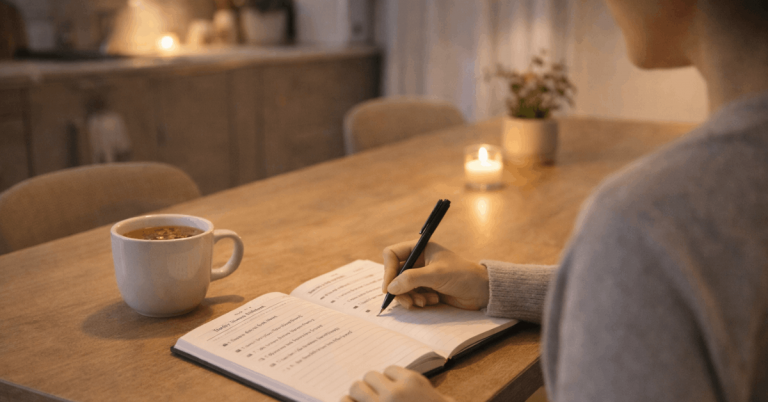
Journaling helps most when it creates closure, not endless analysis. Write three lines: what happened, what you feel, and what you need next.
Keep it brief so you do not turn reflection into stimulation. End with one small action for the morning to reduce uncertainty.
If a thought returns, tell yourself it is already captured. The Journey app offers short prompts that keep journaling structured and quick.
Try A Guided Wind Down When Your Body Stays Alert
Sometimes the problem is physical arousal, not thoughts. Your heart rate stays high, and your muscles stay tense after a stressful day.
A guided wind-down teaches your body how to shift into rest. Choose a 10-minute body scan or slow-breathing track and repeat it nightly.
With repetition, your brain learns a sleep cue and resists it less. Headspace and Calm both offer short sessions that fit busy schedules.
When Sleep Loss Signals Something Bigger
If sleep trouble persists for weeks, treat it as a health issue, not a flaw. Chronic sleep loss can deepen anxiety and lower mood. If you snore loudly, stop breathing, or wake gasping, talk with a clinician.
If worry dominates most nights, therapy can shorten the cycle and teach skills. The CBT i Coach app supports insomnia routines. Psychology Today can help you find providers.
Design Your Environment And Daytime Habits To Protect Sleep
Better sleep is built across the day, not only at bedtime. Light exposure, movement, and meals shape how sleepy you feel.

When those inputs are inconsistent, your body resists sleep even when tired. That resistance creates frustration, and frustration amplifies emotion the next day.
The goal is a rhythm that supports recovery without rules. Start with one change, then layer the next after it holds.
Set Up Your Bedroom For Calm And Consistency
Your bedroom should signal rest, not work or endless content. Keep it cool, dark, and quiet as much as you can. If your phone is your alarm, place it across the room.
Reduce clutter, because visual noise can keep you alert at night. If sound is the issue, test earplugs or steady white noise. Use the Sleep Foundation checklist to pick one improvement and stick with it.
Use Light And Temperature Timing To Set Your Body Clock
Light is the strongest signal for your body clock, so timing matters. Get outside within an hour of waking, even for five minutes. In the evening, dim lights and reduced screen brightness signal wind down.
A warm shower earlier can help because body temperature drops afterward. These cues create a smoother slide into sleep without complicated hacks. Use Night Light settings or f.lux to automate the change.
Move During The Day To Reduce Nighttime Restlessness
Daytime movement helps because it lowers stress and builds sleep pressure. You do not need intense training, but you do need consistency. A brisk walk, gentle strength work, or stretching can all support sleep.
Movement also improves mood by releasing tension and boosting focus. That leads to less emotional volatility when your day gets messy. Use Google Fit to set a realistic step goal and track weekly progress.
Use Meal Timing To Avoid Night Waking And Mood Crashes
Meal timing can sabotage sleep and your mood. Heavy dinners late at night can cause discomfort and lighter sleep.
Skipping meals can trigger late hunger and restless waking. Aim for a steady dinner time and keep late snacks small. Balance hydration so you do not wake often.
This supports more stable energy and fewer mood crashes. Use Cronometer for a week to notice timing patterns without obsession.
A Two Week Plan To Reduce Sleep Debt And Stabilize Your Mood
A two-week plan works because it turns advice into repeatable tests. Changing everything at once often creates pressure and makes sleep worse.

Week one builds consistency, and week two refines the wind-down. Tracking helps you see progress even when nights vary.
As sleep improves, your emotional threshold rises, and conflicts feel easier to manage. Use tools as steady support, not as a scorecard.
Week One: Build Consistency With One Wake Time Anchor
Pick a wake time you can keep within one hour every day. Get morning light as soon as you wake and move your body. Keep naps short and earlier in the day if you need them. Move your last caffeine earlier and keep it consistent.
Lower lights after dinner and start a buffer routine. Track bed and wake times in Sleep Cycle so sleep pressure stays reliable and mood steadies.
Week Two: Strengthen The Wind Down And Reduce Stimulation
With a steadier wake time, focus on the last hour before bed. Choose one calming sequence, like a shower and light reading.
Keep screens dim and avoid fast scrolling once the sequence starts. Set app limits or use Freedom to set the cutoff automatically.
Repeat the same steps nightly until they feel normal. This trains a reliable off switch and reduces middle-of-the-night waking.
Recover After A Bad Night Without Making It Worse
Even with habits, you will have a bad night, so plan for it. Keep wake time steady, get light, and avoid naps. Use walking and breathing to prevent blowups during the day. At night, return to your routine instead of chasing sleep with screens.
Check trends weekly, not daily, so you do not overcorrect. Insight Timer and Daylio can support simple tracking without pressure.
Conclusion
Sleep shapes emotion by changing how your brain reads stress. When you reduce sleep debt, patience returns and worries soften. Start by fixing screens, caffeine timing, and schedule drift.
Then use worry windows, brief journaling, and a consistent wind-down. Track trends for two weeks and adjust one input at a time. Once it is clear how sleep deprivation affects emotion, you can protect your mood with practical routines.