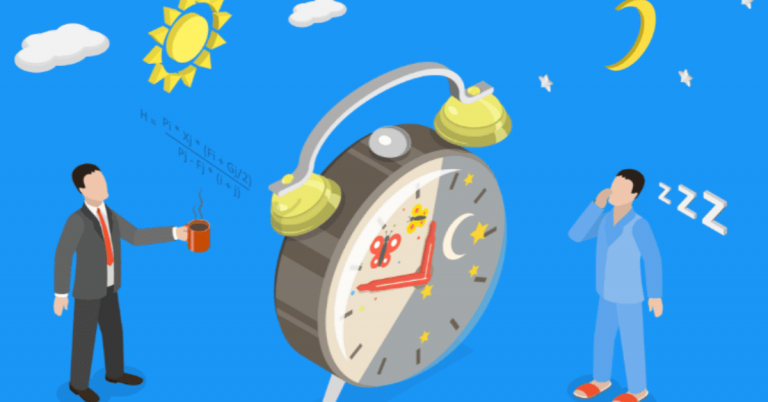
Sleep problems often show up as irritability and low focus. For simple sleep habits that make a difference, start with repeatable routines. Small shifts beat big overhauls on busy weeks. You do not need perfect nights.
You need a steady wake time, morning light, and calmer evenings daily. This guide breaks sleep into levers you control at home easily. Each section pairs one habit with one app or trusted resource.
Set Your Sleep Anchor Time First Every Week
A stable schedule makes sleep more predictable every week. When wake time shifts, your body clock shifts, and bedtime gets harder.

The goal is a consistent wake anchor, not a perfect bedtime. You can keep a flexible bedtime window while protecting rhythm across most days.
Pillow helps you spot patterns in wake time and morning energy over time. Use it to observe trends and adjust gently, not to score nights.

Pick A Wake Time You Can Keep Most Days
Pick a wake time you can keep five days a week, including one off day. That cue trains your brain to time sleepiness later, even if bedtime varies. Start with the morning because it is controllable when life gets messy.
Avoid sleeping in for hours, since it can delay bedtime again. Log wake time in Pillow and add a mood note by midmorning. After a week, adjust by fifteen minutes only.
Use A Bedtime Window Instead Of A Fixed Bedtime
A bedtime window adds structure without feeling trapped. Choose a forty-five to sixty-minute range when you usually get into bed after evenings. As you enter it, lower the lights and keep decisions simple.
Let sleepiness lead, and avoid starting new tasks. Pillow can show whether earlier nights improve the next day’s focus for you. If you miss the window, return the next night and move on again calmly right away.
What To Do After A Bad Night Without Ruining The Next One
A bad night can trigger choices that sabotage the next one. Sleeping in too late reduces sleep pressure and delays bedtime again. Keep wake time close to normal, then use light and movement to stay functional all day.
Protect the next night by skipping long naps, especially late ones. If you nap, keep it under twenty minutes before midafternoon. Note it in Pillow and reset the plan tonight with confidence.
Use Daylight And Movement To Build Sleep Pressure During The Day
Daylight and movement set timing that makes sleep easier later. Morning light tells your brain the day has started and schedules sleepiness at night.

Light still works even when you feel tired and stay indoors. Add a short walk to build sleep pressure and reduce anxious energy.
Sun Seeker can show when daylight is strongest where you live. Treat this as creating conditions for rest, not forcing it daily.
Morning Light In The First Hour
Get outside within the first hour after waking, even on cloudy days. Natural light is much brighter than indoor lighting and supports a steadier rhythm. You do not need a long walk, only eyes exposed to daylight. Pair it with water, coffee, or a quick errand to keep it easy. Keep the goal small, like five to ten minutes. Use Sun Seeker to plan sunrise timing and stay consistent daily.
A Short Walk That Improves Night Sleep
A daily walk improves sleep without extra gear or planning. It lowers restlessness, supports mood regulation, and can deepen sleep later. Keep the pace light so it feels doable, and attach it to lunch or the commute home.
Aim for consistency instead of speed or distance. Sun Seeker can nudge you toward a brighter time of day when possible. If you cannot walk, do ten minutes of gentle movement indoors.
Cut The Two Biggest Sleep Disruptors Without Perfection In Real Life
Two disruptors often sabotage sleep: caffeine timing and late naps. You do not need to quit coffee, but you do need rules that protect nights.

Timing matters most because stimulants and sleep pressure run on a clock. A Caffeine Tracker app shows when caffeine may still be active at bedtime.
When you tighten these habits, evenings usually calm down quickly. The goal is easier sleep onset and fewer wakeups overall.
The Caffeine Cutoff That Most People Underestimate
Caffeine can linger for hours, even if you feel fine later. Late coffee can mean lighter sleep or more wakeups. Pick a cutoff time and treat it as sleep protection, not a willpower test.
Start earlier than you think, such as early afternoon, and adjust only if sleep stays steady. Log drinks in Caffeine Tracker to estimate what remains at bedtime. If you slip, return to the cutoff tomorrow.
The Late Nap Rule That Protects Night Sleep
Naps can help, but late naps steal sleep pressure from the night. If you nap after midafternoon, bedtime feels delayed and frustrating.
Keep naps short, set a timer, and avoid the couch trap. Plan the nap as a recovery tool, not a default response to boredom.
Caffeine Tracker can reveal when fatigue is a caffeine crash, not sleep need. If you cannot nap, do ten minutes eyes closed breathing.
Build A Wind Down That Actually Feels Easy At Night
A wind-down routine should lower stimulation and signal safety to your body. Many routines fail because they are long, strict, or hard to repeat.

Choose a small sequence that happens in the same order most nights. BetterSleep can support this with calming sounds and guided wind-down tracks.
Use it as a cue, not something you must play all night. When evenings slow down, sleep arrives with less resistance.
The 20 Minute Lower Volume Routine
Lower lights at home, reduce screens, and slow the pace of tasks. Pick one BetterSleep track and play it at the same point each night. Do one hygiene step, like a quick shower or face wash, without rushing.
Add a short note for tomorrow if your mind feels busy. Keep the routine short so it survives late nights and travel. Repeating the same order teaches your brain what bedtime means.
The Two Minute Brain Offload To Stop Bedtime Worry
Bedtime worry often comes from unfinished thinking with no place to land. Set a two-minute timer, write the loop, then write one next step for tomorrow. Close the note and tell yourself the problem has a scheduled home.
Follow it with a short breathing track and offload, then stop. BetterSleep can guide breathing so you do not spiral. If worry returns, repeat breathing instead of reopening the list.
Fix The Bedroom Basics That Quietly Break Sleep For You
Your bedroom can support sleep or keep your system alert. Light leaks, heat, and noise spikes can cause micro wakeups you forget.

Bedroom basics matter because your brain keeps scanning for safety at night. Sleep Foundation guidance helps you fix the basics without pricey upgrades.
Focus on a few high-impact tweaks and test them for three nights. A calmer space often improves mood and patience the next day.
Temperature And Airflow Changes That Matter
Most people sleep better in a cooler room, and airflow reduces restlessness. If you wake hot or toss often, adjust temperature, bedding weight, or fan use first.
Keep a lighter blanket nearby so you can change without fully waking. Test one change for three nights before adding another tweak.
Sleep Foundation guidance can help you target temperature and comfort basics. The win is fewer wakeups and an easier return to sleep.
Noise Control Without Needing Silence
Silence is not required, but sudden sound changes can wake you fast. If noise is unpredictable, use a steady fan or soft sound to mask spikes. Earplugs help some people, but many sleep better with consistent masking.
Choose stability so your brain relaxes and stops scanning. Sleep Foundation resources explain practical noise strategies and sleep hygiene. If you share a space, agree on one setup and keep it consistent.
Conclusion
Better sleep rarely comes from one dramatic hack. It comes from repeatable basics you can keep busy on in weeks. Simple sleep habits that make a difference protect emotional well-being by restoring patience and focus.
Start with one change, then layer the next when it feels easy. When sleep steadies, your days feel calmer and more manageable.