Most sleep advice fails because it demands a lifestyle overhaul. If you want simple night routines that improve sleep, focus on cues that lower alertness. The goal is to feel sleepy at the right time, not just tired.
You will get five routines for busy evenings and small spaces. Each routine includes one tool or resource to reduce friction. Test one change for seven nights. Track midday energy, because that is the real signal.
Why Sleep Improves When Your Evenings Get Predictable
Predictable evenings help your brain shift from problem-solving to recovery. The National Sleep Foundation links routine beats to willpower to fewer late decisions.

When your night has a clear sequence, you stop negotiating at 11 p.m. That lowers stress and makes sleep onset less fragile.
Start by naming what keeps you wired, then pick one cue. Repeat it nightly so your body learns what comes next.
Common Reasons You Feel Wired at Night
Most people stay wired because evenings keep demanding attention. Bright screens, intense shows, and late messages keep your brain scanning. Caffeine late in the day and alcohol at night can make sleep feel lighter.
Do a quick audit and note the last two things you consumed before bed. If they raise your heart rate, bedtime turns into performance. Swap one high stimulation input for a calmer option for seven nights.
Tired vs Sleepy: Know the Difference
Tired means low energy, while sleepy means your body is ready to sleep. You can be tired after a day and still feel alert in bed. Sleepiness looks like heavy eyelids, slower thoughts, and less interest in tasks.
Build it by lowering light and mental load, because chasing exhaustion backfires. Stress can keep you awake. If you are tired but not sleepy, use a wind-down cue, not scrolling.
Build Consistency Without Perfection
Consistency matters more than perfect rules, because life is unpredictable. Choose an anchor that happens most nights, and treat a missed night as data. Keep the routine short so you can do it on late nights too.
Use a tiny checklist so you do not rely on memory. Reset the next evening and keep your wake time steady. Over time, the routine becomes automatic and easier to protect.
A “Lights Down” Cue That Starts the Wind Down
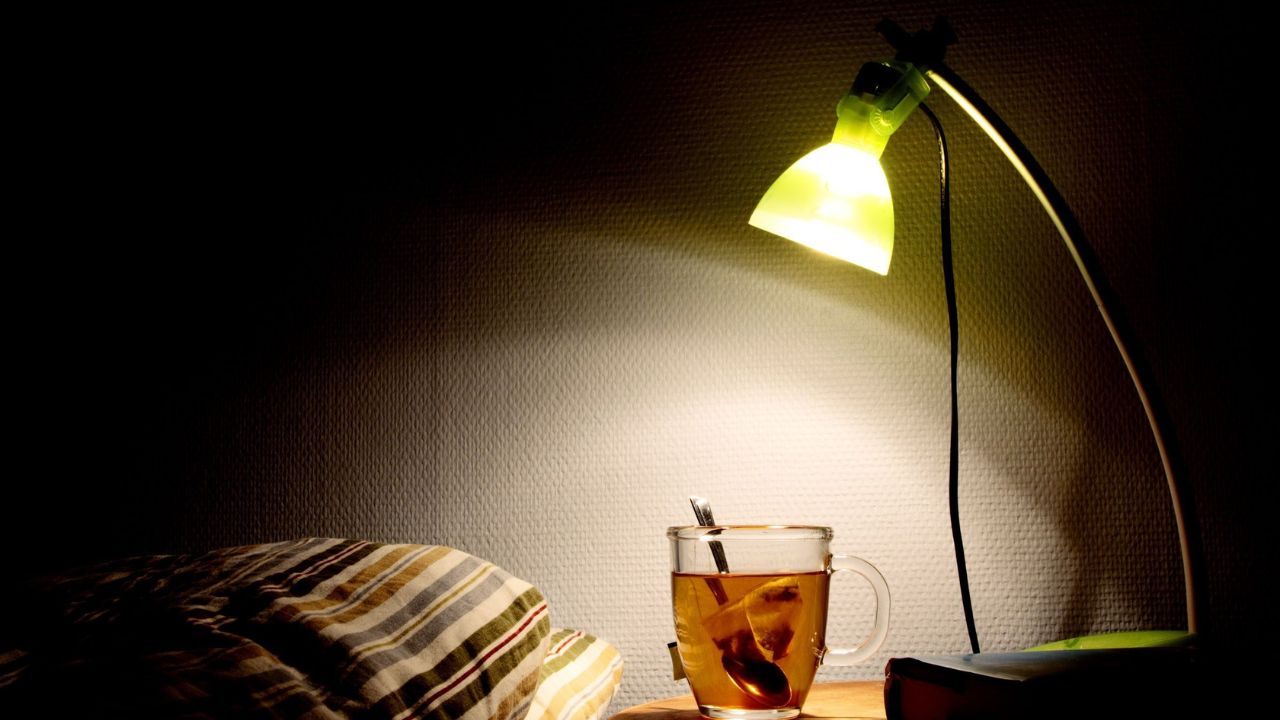
Light is a signal for your sleep clock, and evenings can stay bright. A dimming cue tells your brain the day is ending without forcing sleep.

Philips Hue can schedule warm light that supports sleepiness at the same time each night. Start it 45 minutes before bed so your body can downshift. Finish tasks under a softer light, then settle. Keep the timing stable and change one setting at a time.
Gradual Dimming 45 Minutes Before Bed
Set a scene that lowers brightness in two steps rather than a single drop. Begin with normal light, then shift to warmer light as you slow down. Use Philips Hue to automate the change so you do not forget.
Pick one trigger time; automation removes negotiation when feelings vary. If you lack smart bulbs, dim lamps, and turn off lights at the cue. Keep it unchanged for a week.
What To Do If You Share a Space
Shared homes make routines harder because your schedule is not the only one. Agree on a low light window, even if bedtimes differ. Use Philips Hue zones so clear expectations prevent conflict when one area stays bright.
A reading lamp can replace an overhead light without waking others. If you have kids, make the dimming cue part of their bedtime, too. Keep the rule simple, so it is easy to follow.
A 10-Minute Audio Ritual That Replaces Scrolling
Scrolling keeps you mentally active, even when your body feels tired. An audio ritual can replace the feed and give your brain something gentle in the absence of light.

Pzizz offers timed sleep sessions that fade as you drift off. Choose one session length and use it at the same point nightly.
Your mind settles more easily when the input is predictable. If you wake, start a shorter session instead of checking messages.
Replace the Feed With a Timed Audio Session
A timer limits overuse and keeps ten minutes screen free. Charge your phone across the room, then start Pzizz at low volume. Use a timer so the audio stops without you touching the device.
If your mind races, focus on the sound instead of your to-do list. Keep your eyes closed and let your breathing slow naturally. After a week, note whether you fall asleep faster or wake less.
How To Keep It From Becoming Another Screen Habit
Audio helps only if you keep the phone out of reach. Turn on Do Not Disturb and silence notifications before the session. Use one app and one track so you do not browse options at night.
Set a start time, then let it run; choice overload keeps you awake. Download one offline track so you are not tempted to scroll. If you need changes, set them before you lie down.
If Audio Distracts You, Use a Limited Reading Ritual
If audio distracts you, use a reading ritual with a limit. Pick a calm book and read on paper or a lit e-reader. Libby can help you borrow titles without shopping.
Set a rule like four pages, then stop, because a hard stop protects sleep. Keep the book by the bed so you do not drift back to screens. Over time, your brain links that short read with bedtime.
Nervous System Downshift and Worry Containment
Short practices work because they fit real evenings, not ideal ones. A strong routine needs a body cue and a mind cue. Breathing lowers arousal, and worry containment reduces rumination.

Insight Timer offers short breathing timers you can repeat nightly. Use the same two minutes so your body learns the pattern. Pair breathing with a simple plan for tomorrow, so worries have a place to land.
A Two-Minute Breathing Timer
Open Insight Timer and choose a two-minute breathing timer. Sit or lie down and breathe slowly, because the exhale is your brake pedal. On each exhale, relax your jaw, shoulders, and hands on purpose.
If thoughts appear, label them quietly and return to the count. Keep the inhale comfortable and the exhale slightly longer. When the timer ends, move straight into the next step.
A “Worry Parking” Note for Tomorrow
After breathing, park worries so they do not follow you into bed. Write three lines, and notice that a parked worry feels smaller right away. List the worry, the next action, and a time to handle it.
Use Google Keep for a note that stays simple. Do not solve anything now; you are only making a placeholder. Close the note, set the phone down, and return to low light.
A Consistent Sleep Window That Trains Your Body Clock
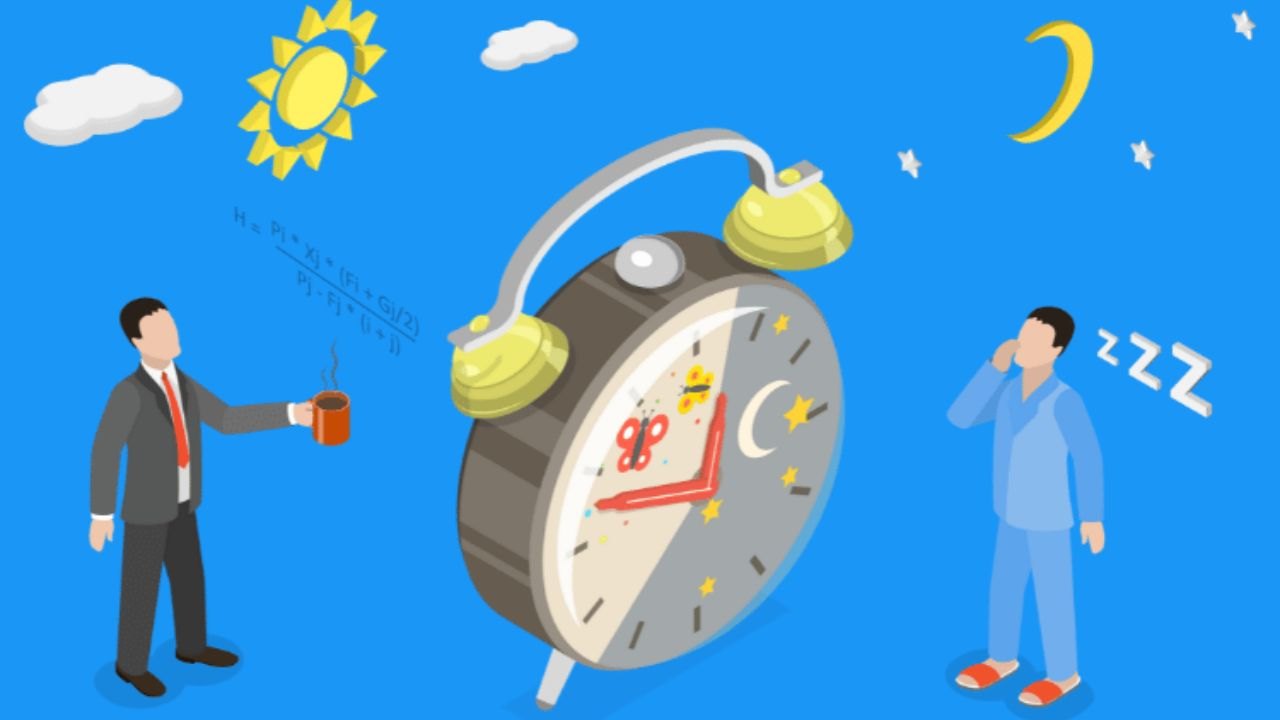
Your body clock learns from timing, so a stable window is your final routine. You need a consistent range because timing creates predictability when your day feels chaotic.
SleepScore can estimate patterns and suggest a target window. Use it to pick a 30-minute bedtime range and a steady wake time. Protect the window with earlier routines, not with pressure. After a month, review trends rather than single nights.
The 30-Minute Bedtime Range
Choose a range, like 10:30 to 11:00, and treat it like a meeting. Set an alarm for the start of the range, not for wake time.
Use SleepScore to see if the range fits sleep onset; a range beats a fixed time. If you are not sleepy, keep the lights low and do the breathing cue. Stay off the clock. After two weeks, adjust by 15 minutes if needed.
How To Handle Late Nights Without Breaking the Pattern
Late nights happen, so plan for them instead of pretending they will not. If you miss the range, keep your wake time within one hour of normal. Avoid sleeping in long, because it pushes bedtime later.
Use SleepScore notes to mark what caused the late night. Restart with dim lights and audio, even if the routine is shorter. Remember that recovery is about returning to the routine, not punishing yourself.
Conclusion
The best routines work because they cut down on decisions when your brain is tired. Start with one change, then add the next after it feels automatic. Dimming light, swapping scrolling for audio, and a brief breathing timer can shift your night.
Small cues add up when you protect a bedtime range and keep worries brief. If sleep stays poor for weeks, consider talking with a clinician. Bring a few notes so you can describe patterns clearly.