When your energy feels low, you might blame your sleep—or your lack of self-care. But in reality, these two systems rely on each other.
Self-Care and Sleep are not separate pillars of well-being—they’re linked habits that regulate your body and mind daily. This article explains their connection and gives you clear actions to support both.
The Link Between Recovery and Daily Routines
Your body depends on both rest and action. Understanding how they affect each other helps you build sustainable wellness.
Sleep Recharges Your Mental Bandwidth
Sleep isn’t just physical rest—it resets your emotional regulation and decision-making. When sleep quality drops, your tolerance for daily tasks shrinks.
This makes self-care feel harder, even when you need it most. A good night’s sleep restores motivation and protects mental resilience. Without it, you burn out quickly.
Self-Care Anchors the Transition to Rest
Evening self-care creates a bridge between daytime activity and rest. Washing your face, dimming lights, or turning off devices sends your body a clear signal.

These habits reduce adrenaline and help initiate your sleep cycle. Without them, your brain stays alert and overstimulated. The right routines make rest easier to access.
When Self-Care Breaks Down, Sleep Suffers?
Your body reads daily patterns like instructions. If your routine is unstable, your sleep pattern becomes unstable too.
Erratic Schedules Disrupt Internal Clocks
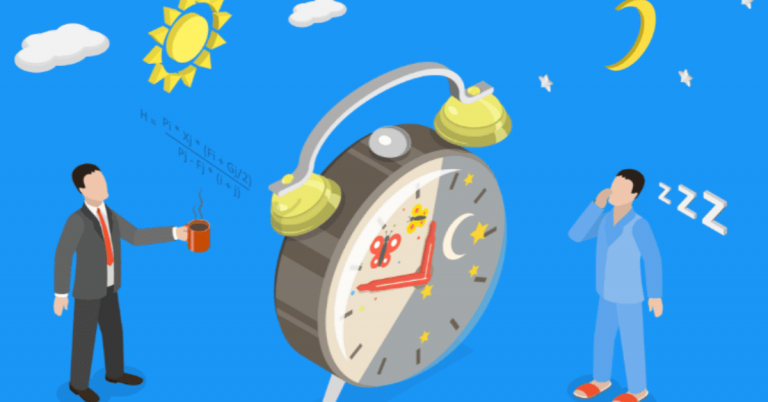
When your meals, movement, and sleep change daily, your circadian rhythm becomes confused. This affects hormone production and weakens your natural sleep drive.
You may feel tired at the wrong times or alert during the night. Consistent self-care helps keep your internal clock on track. When you remove that structure, sleep follows.
Mental Overload Blocks Wind-Down
Many people mistake screen time or multitasking for relaxation. But overstimulation keeps your brain active well into the night.
Scrolling, noise, and bright lights delay melatonin and reduce sleep depth. Real self-care requires quiet, not distraction. Protecting your sensory space helps your body feel safe enough to rest.
When Poor Sleep Disrupts Your Self-Care Habits?
Sleep isn’t just recovery—it’s the base that holds your habits in place. If your sleep suffers, your ability to maintain routines drops fast.
Tired Minds Drop Habits First
When energy is low, motivation disappears. Simple self-care routines like prepping meals or moving your body feel optional.
You skip habits that actually help you recover. The cycle worsens as you rely on sugar or distractions instead. Sleep fuels the follow-through you need to show up for yourself.
Sleep Deprivation Amplifies Emotional Strain
Lack of rest raises cortisol and reduces your ability to self-regulate. You may feel snappier, more anxious, or less motivated. Emotional stress builds up fast when you’re running on empty.
Self-care becomes harder because everything feels more intense. Rest builds emotional resilience that routines depend on.
Visible Signs You Need to Reconnect Both
These signals show that your self-care and sleep aren’t supporting each other. Pay attention to these patterns if you’re feeling off balance.
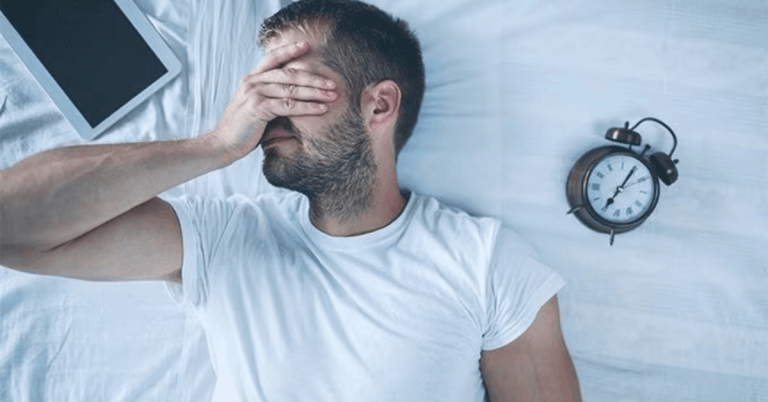
You Wake Tired and Stay Tired
If you sleep but don’t feel rested, it’s a warning sign. Your sleep may be shallow or disrupted by habits you haven’t addressed.
Over-reliance on caffeine, sugar, or distraction to get through the day is also common. Real rest doesn’t need a boost. When you depend on one, something’s misaligned.
Daily Tasks Feel Like Too Much
When self-care routines like showering or planning meals feel overwhelming, your system is overworked. These aren’t laziness signals—they’re signs of emotional and physical overload.
Your routines may be too complex for your current energy. Simplifying helps you recover and rebuild stamina. Watch for avoidance patterns that weren’t there before.
Simple Habits That Improve Both Self-Care and Sleep
You don’t need extreme changes to feel better. Small, reliable actions can reset your cycle.
- Dim the lights 60 minutes before sleep. This helps your brain understand it’s time to slow down and reduce stimulation.
- Use a short checklist or phrase to mark the end of your day. It could be “done for now” or a 3-task review. It helps you mentally detach.
- Change clothes or wash your face as a trigger. These actions transition your body from activity to rest.
- Keep your phone out of reach during wind-down. It removes the temptation for mental overload and supports your calm state.
- Stretch or breathe for one minute. This shifts your nervous system into rest mode, preparing for sleep more effectively.
How Daily Timing Shapes Your Sleep Quality?
When you practice certain self-care habits matters. Small changes during the day can build stronger sleep pressure at night.
Morning Light and Movement Set Your Rhythm
Sunlight exposure in the first 60 minutes of your day helps reset your internal clock. Even five minutes outdoors can signal your body to release alertness hormones.
Light movement like walking, cleaning, or stretching builds tiredness that supports deep sleep later. These habits don’t require high effort—they just need consistency.
Daytime Meals and Breaks Prevent Sleep Disruptions
Skipping meals or working nonstop keeps your stress hormones elevated. This makes it harder to unwind later. Eating balanced meals and taking intentional breaks lowers stress earlier in the day.
That way, your body isn’t trying to recover during sleep hours. Early regulation leads to deeper rest.
Designing a Routine That Supports Both
You don’t need a long list of habits. Just a system that makes your nights easier and your days more stable.
Start With One Anchor Habit
Pick one evening habit you can repeat every day. It could be journaling, drinking tea, or washing your face.
This becomes your start signal for winding down. The habit should be short, calming, and realistic. Once it feels automatic, you can build around it.
Track What Helps Your Sleep Feel Better
Use a simple notebook or tracker to mark habits and sleep quality. This creates awareness and lets you adjust without pressure.
You might find that certain foods, screen times, or thoughts affect your rest. Tracking helps you stay accountable and flexible. It’s not about perfection—it’s about clarity.
Emotional Self-Care Strengthens Sleep Depth
Emotional regulation is often skipped in sleep guides—but it’s essential. A calm mind helps your body stay asleep longer.
Quiet Activities That Release Stress
Gentle self-expression, like journaling or drawing, lowers stress without triggering stimulation. You don’t need to process everything—just release the surface noise.

These practices allow your mind to feel seen and safe. Avoid overthinking and just let the feeling pass through. A little goes a long way.
Use Physical Comfort for Nervous System Safety
Your body remembers touch and warmth. A warm shower, soft blanket, or hand cream routine tells your body that it’s time to rest.
These simple comforts lower stress signals naturally. You feel more grounded and less agitated. Sleep quality improves when your body feels supported.
A Reset Worth Starting Tonight
You don’t need more effort—you need smarter timing. Self-Care and Sleep are deeply connected, and restoring one helps fix the other.
Start by anchoring just one routine that supports both sides. Your energy will follow the structure you give it. Choose one change tonight, and let that habit start the reset.