Emotional recovery can feel tough on ordinary days. The self-care practices for emotional recovery that last start with small actions you can repeat without pressure. This guide breaks recovery into steps that calm you and restore energy.
You will learn quick resets for stress and routines that protect sleep. Each section includes one tool you can use now. The focus is consistency, not perfection. Try the steps for one week. Adjust based on what works.
Start With Immediate Nervous System Relief
When emotions feel loud, calm your nervous system before you analyze the story. A reset lowers tension so you can think and choose your next step.
You are not trying to erase feelings, you are reducing overload. Pick a routine you can do at work, at home, or in transit. Practice it daily so it becomes automatic. The goal is calm enough to respond on purpose.
Use A Two Minute Breathing Reset You Can Repeat Anywhere
Sit or stand with your feet grounded and relax your jaw for ten seconds. Inhale through your nose for four counts, then exhale for six counts. Repeat for two minutes and keep your shoulders soft.
If your mind wanders, return to counting instead of arguing with thoughts. This pattern reduces physical arousal and helps focus return within minutes. Make it your default reset during stress spikes.
Try Temperature Shifts That Calm the Body
Temperature shifts interrupt a spiral as your body adapts. Splash water on your face, or hold something cold to your cheeks for 30 seconds. If cold feels harsh, use a warm shower or a heating pad to loosen muscles.
Pair the change with breathing so the effect lasts longer. Keep it safe, brief, and repeatable. Use it as a physical cue that brings you back.
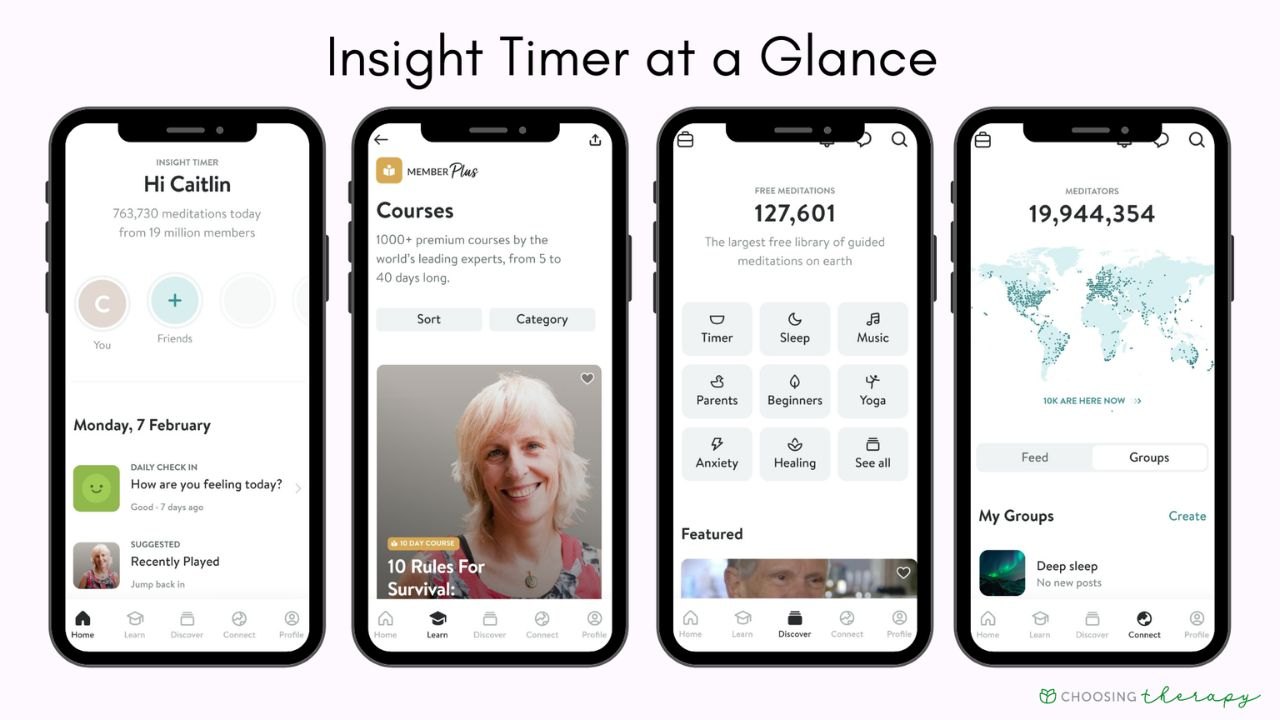
Use Insight Timer To Guide Short Calming Sessions
Support helps when you are learning and want to quit. Insight Timer offers breathing timers and sessions you can run in two to five minutes.
Choose tracks labeled stress reset, then save two favorites. Use one at the same time each day to build consistency. If you miss a day, restart and keep it simple. Treat the app as a light structure you can lean on.
Restore Energy With Basic Care That Actually Helps
Emotional recovery is harder when your body is on low fuel. Dehydration, poor sleep, and long gaps between meals can amplify worry and irritability.

The fastest gains come from basics you can repeat, not dramatic overhauls. Aim for small actions that prevent crashes and protect your baseline.
These routines support decision making when you feel drained. Think of them as maintenance that keeps you resilient.
Build A Hydration And Snack Routine That Prevents Mood Crashes
Drink water because dehydration can look like irritability and fog. Keep a bottle nearby so it stays visible. Add a snack with protein or fiber, like yogurt or nuts.
Avoid long gaps between meals when you can, because mood drops follow sugar dips. Use a reminder for a week, then remove it once the habit holds. The payoff is steadier energy that supports steadier emotions.
Use Light Movement For Emotional Release Without Overtraining
Movement supports recovery because it releases tension and steadies your mood. You do not need a hard workout, you need motion that fits your day. Take a ten minute walk after lunch, or stretch between tasks.
If motivation is low, start with one song and move until it ends. Focus on breathing and posture, not performance or numbers. With repetition, it becomes a daily outlet for pressure.

Use Sleep Foundation Guidance And Sleep Cycle For Recovery
Sleep is where your brain processes emotion and rebuilds stress tolerance. Use the Sleep Foundation website to pick one habit, like a consistent wake time. Use the Sleep Cycle app to spot patterns in bedtime and interruptions.
Keep changes small each week, since too many rules raise anxiety. If you wake at night, avoid clock watching and return to breathing. This supports better sleep without perfectionism.
Mental Organization That Stops Emotional Overload
Emotional fatigue often comes from carrying too much in your head all day. Unfinished tasks and worries loop because your brain wants closure.

A simple organization system reduces pressure by capturing thoughts outside your mind. You are not becoming a productivity expert, you are creating room to recover.
When thoughts are sorted, you react less and choose more. The result is a calmer mind that can prioritize.
Do A Five Minute Brain Dump To Clear Mental Noise
Set a timer for five minutes and write whatever is taking space in your mind. List tasks, worries, conversations, and anything you keep replaying. Do not organize while you write, just capture it.
When the timer ends, mark the items that matter today and leave the rest. Turn one item into a step you can do in ten minutes. This creates immediate relief by externalizing thoughts.
Use A One Page Plan To Reduce Decision Fatigue
Decision fatigue grows when each hour requires choices and reminders. Make a one page plan for today with three priorities and one self care action. Keep it visible and update it daily, not hourly.
If a task appears, park it on a Later list instead of reshaping your day. When you finish a priority, pause for ten seconds before switching. This gives a simple map for the day.
Use Notion Or Google Keep As A Single Capture Space
Tools help when they reduce friction and do not add planning. Notion works for structure, while Google Keep is better for quick capture. Pick one tool and stick with it for two weeks to stop switching.
Create three sections only: Today, Later, and Notes. Review Today in the morning and mid afternoon, then close the app. You are building a dependable place to put your thoughts.
Build A Night Routine That Repairs Your Emotional Baseline
Evening habits shape recovery because the day either closes or keeps running in your head.

If you go to bed with loose ends, sleep gets lighter and moods run hotter tomorrow. A night routine should lower stimulation and create a sense of completion.
It must fit real life, including work and family demands. Small steps done consistently beat long routines done rarely. Aim for recovery that carries into tomorrow.
Do A Closing Shift Routine For Your Mind
Treat your evening like closing a shop and putting tools away. Spend five minutes tidying one area, then write three tasks for tomorrow. Add one sentence about what went well, so your brain scans for balance.
If something is unresolved, write the next action, not the story. Choose one calming activity, like reading or music, and keep it consistent. This routine creates closure that reduces rumination.
Set Screen Boundaries That Still Let You Enjoy Your Night
Screens are not the enemy, but stimulation keeps your body alert. Choose a cutoff for scrolling and switch to lower intensity content later. Reduce brightness and keep notifications off after a time.
If you watch a show, decide the stopping point before you press play. Replace the last ten minutes with a quieter habit you can repeat, like stretching. The point is less activation before sleep.
Use Apple Health Or Google Fit To Track Sleep Signals
Tracking helps when it informs decisions instead of creating pressure. Apple Health and Google Fit show sleep duration and trends across weeks. Check data once a week, not morning, so you avoid overreacting.
If you see short sleep, adjust one input, like caffeine timing or a calmer wind down. Note what you changed and test it for seven days. Use tracking as feedback for smarter routines.
Weekly Maintenance That Makes Recovery Stick Long Term
Daily routines last when you review them without self judgment. A weekly check prevents drift and helps you adjust as life changes.

You do not need a long reflection, just a clear look at what supported you. Over time, you learn triggers and what restores you fastest.
This builds confidence because you stop guessing and start testing. The aim is steady progress that survives busy weeks.
Spot Triggers And Supports With A Ten Minute Review
Choose one day weekly and review mood, sleep, and energy. Ask what raised stress and what lowered it, then write answers. Keep notes factual and specific, not a self critique.
Pick one habit to protect next week and one obstacle to reduce. If the week was hard, lower the bar and focus on basics like sleep and food. The review becomes your reset button for consistency.
Use Daylio To Connect Habits With Mood Trends
Daylio makes tracking simple because you log mood and activities in seconds. Use it to notice how sleep, movement, and connection affect your baseline. Review the weekly view for trends, not daily swings.
If you see a pattern, choose one adjustment and test it next week. Keep categories clear and simple so the tool stays fast and honest. This supports informed self care instead of guessing.
Conclusion
Emotional recovery is not a one time fix, it is routines you return to. Start with a quick reset, then support energy with water, food, and sleep. Clear mental clutter so stress does not recycle all day.
Close the evening with a short shutdown that signals completion. Review weekly so you keep improving without pressure. With self-care practices for emotional recovery, you build habits that hold up.