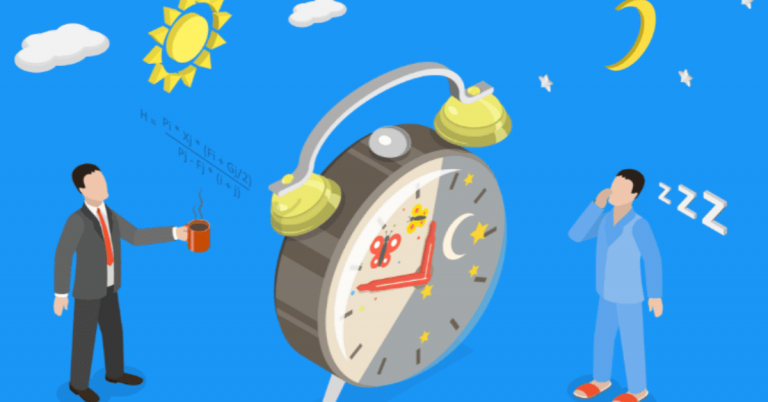
Busy schedules can make self-care feel unrealistic. Many people search for self-care practices that fit busy lives because days are packed. You do not need long routines to support mood and sleep.
You need habits that attach to moments you already have. This guide covers morning anchors, workday resets, and calmer evenings.
Each habit is designed for demanding weeks. The focus is practical self-care, not perfection. You will build repeatable recovery cues that fit.

Why Self-Care Fails When It Competes With Your Schedule
Self-care often fails when it becomes a separate project you must add. When your calendar is full, extra tasks create pressure instead of relief.
The better approach is to make self-care part of routines you already do. Schedule-friendly self-care relies on existing cues as anchors.

That keeps you from waiting for free time that never arrives. Over time, this method reduces guilt and improves consistency.
The Problem With Big Self-Care Plans
Big self-care plans sound inspiring, but they break during real deadlines and family demands. If a routine requires an hour, it becomes the first thing you drop. All-or-nothing planning turns one missed day into a reason to quit.
Instead, define a minimum version you can complete in five minutes. A smaller habit keeps the routine alive during busy seasons. Consistency protects your mood more than intensity.
Self-Care That Works During High Demand Weeks
High-demand weeks require simpler habits, not stronger willpower or perfect timing. Choose actions that reduce friction, like preparing snacks, filling a water bottle, or setting a stop time.
Low-friction routines protect your energy when workload and responsibilities are high. Focus on maintenance, not transformation, until the week calms down.
This prevents exhaustion from turning into irritability. When the week eases, you can expand the routine again.
Morning Self-Care That Does Not Slow You Down
Mornings shape your emotional baseline and your ability to handle pressure later. If you start rushing, your nervous system stays reactive for hours.

The goal is not a long routine, but a steady start you can repeat. Morning stabilizing habits reduce mental noise and improve focus.
They also support sleep by keeping your day more regulated. A few small steps can change the tone of the whole day.
A 3-Step Morning Reset
Start with water, light, and one clear priority, then keep it short. Drink water, open curtains or step outside, and write the first task you will complete.
Rapid morning anchoring reduces scattered thinking and gives your brain direction. Keep the steps under three minutes so they stay doable.
This routine signals wakefulness and lowers early tension. You begin the day with more control and less urgency.
Planning to Reduce Stress Later
Planning counts as self-care when it prevents avoidable chaos and last-minute pressure. Take two minutes to scan your day and choose one hard task to start early. Proactive time mapping reduces emotional spikes caused by surprises.
Add one short break on your calendar, even if it is only ten minutes. This protects your mood when meetings run long. A small plan makes the day feel more manageable.
Quick Body Care That Boosts Energy
Body care does not need a gym session to support mood and alertness. Use a quick stretch, a brief walk, or a few slow breaths while you wait. Small movement cues reduce stiffness and help your body release overnight tension.
When your body feels looser, your mind often feels less tense too. This supports steadier energy across the morning. It also lowers the urge to push through stress later.
Workday Self-Care for Emotional and Mental Organization
Workdays create stress through speed, interruptions, and constant decisions that drain attention.

Self-care during work is not indulgent; it is protective maintenance. In-work recovery habits fit between tasks and reduce emotional wear.
When you reset during the day, you carry less tension into the evening. That makes it easier to sleep and easier to stay patient. The goal is to protect your capacity while you work.
Preventing Decision Fatigue
Decision fatigue grows when you make too many small choices before lunch and keep going. Reduce it by using defaults for meals, clothing, and recurring tasks. Decision simplification rules lower mental load and protect emotional control.
Batch similar work so your brain stays in one mode longer. If possible, set two message check-in times instead of constant monitoring. Fewer decisions support a steadier mood and better focus.
Protecting Focus With Boundaries
Boundaries protect your attention, which protects your mood, energy, and patience at work. Close unnecessary tabs, silence nonessential notifications, and set a timer for focused work blocks.
Attention boundary practices reduce the feeling of being pulled in ten directions. Tell people when you will respond, so interruptions drop and expectations stay clear.
Even one protected hour improves emotional steadiness. Focused work ends sooner, which creates more recovery time.
Reset Habits That Reduce Stress Buildup
Stress builds when you never release tension, especially after meetings and interruptions. Use brief resets such as standing up, stretching, or taking ten slow breaths after a task ends.
Micro-reset routines stop stress from stacking hour after hour. Add a short walk during lunch if you can. Movement helps your body discharge pressure quickly. These resets make afternoons feel lighter and evenings less drained.
Self-Care During Family and Social Responsibilities
Busy schedules often include caregiving, family needs, and social obligations that do not pause each week.

Self-care must work inside those roles, not outside them, or it will not last. Shared-life self-care focuses on boundaries, communication, and quick recovery.
You can support others while still protecting your energy. Small choices reduce resentment and emotional spillover. The aim is sustainable care in real life, not perfection.
Tiny Boundaries That Prevent Burnout
Burnout often starts with unclear limits and constant availability to everyone else. Choose one boundary you can hold, such as a quiet ten minutes after work or a no-phone dinner.
Boundary micro-commitments protect patience and reduce emotional spillover at home. Say what you can do and what you cannot do in plain language.
Boundaries prevent repeated overextension. They also make your time feel more intentional.
Self-Care Without Guilt
Guilt can make self-care feel selfish, which reduces consistency and increases stress. Reframe it as maintenance that helps you show up better. Permission-based self-care means acting before you feel depleted.
Start with tiny actions, like sitting down to eat or stepping outside. When you care for yourself, you respond with more patience and less reactivity. That supports your relationships and your mood.
Shared Routines That Help Everyone
Some self-care works better when it becomes part of the household rhythm. Build routines like a short evening walk, a tidy-up timer, or a weekly meal plan.
Family-friendly routines reduce chaos and lower decision load for everyone. Shared habits also reduce conflict because expectations are clearer.
They create predictable cues that calm the home environment. When the environment is steadier, your mood stays steadier too.
Nighttime Self-Care That Improves Sleep and Recovery
Nighttime habits prepare your mind and body for rest, which shapes your mood the next day. If stimulation stays high, sleep becomes lighter, and emotions feel more reactive.

Sleep-supporting self-care is about consistent signals, not perfect nights. Your goal is to lower the intensity in the last hour of the day. When nights are calmer, mornings feel easier to start. Recovery improves across the week.
Reducing Stimulation
Stimulation comes from screens, noise, bright light, and unfinished work that keeps your brain alert. Reduce it by dimming lights, lowering the volume, and stopping heavy tasks earlier.
Evening stimulation control helps your nervous system shift into rest mode. Put your phone in another room if possible and charge it there. Choose calm activities like reading or showering. These cues tell your body the day is ending.
A Short Emotional Decompression Routine
Emotions often surface when the day slows down, and there is finally quiet. Use a quick routine to release pressure, such as journaling three lines or listing worries with one next step.
Emotional offloading practice reduces rumination and lowers nighttime tension. Keep it brief so it does not turn into overthinking. Pair it with a calming action, like stretching. A lighter mind supports deeper sleep.
Preparing for a Cleaner Morning
A smoother morning often starts the night before, especially when life is busy. Set out what you need, write tomorrow’s first task, and clear one small area. Next-day setup habit reduces morning decision fatigue and early stress.
This makes it easier to maintain your morning routine. It also protects your mood, because you start with momentum. Small preparation improves sleep confidence and morning calm.
Conclusion
The most effective self-care is the kind you can repeat on busy days without resentment. When you design self-care practices that fit busy lives around constraints, consistency becomes easier.
Sustainable self-care systems rely on anchors, defaults, and recovery moments. Morning structure, workday resets, and calmer evenings protect mood and sleep. Start with a small version that you will do. Then build slowly as your schedule allows.