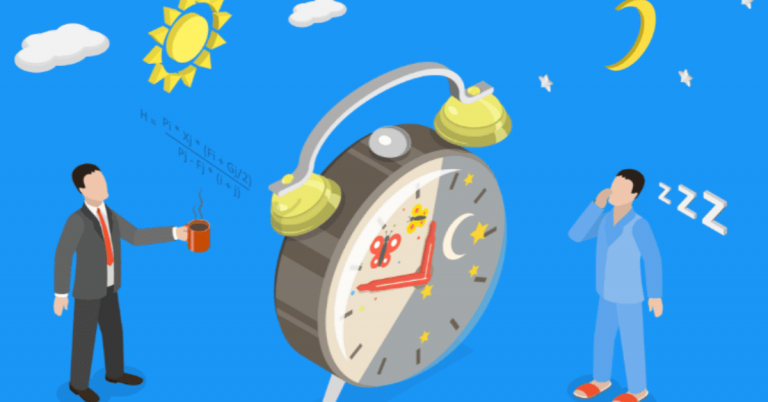
Self-care can feel complicated, but it does not have to be. Many people search for self-care basics everyone can follow because life stays busy. You can build a routine that supports mood, focus, and recovery.
The key is consistency, not intensity. Start small, then repeat what works. A few reliable habits can protect your sleep and patience.
They can also reduce overwhelm and improve daily decision-making. This guide breaks the basics into simple pillars.

Sleep and Recovery Basics
Sleep is not just rest; it is emotional recovery and a mental reset. When your sleep is inconsistent, stress feels louder, and reactions happen faster.
Recovery routines work best when they are predictable and realistic. You do not need perfection, but you do need repeatable cues.

Start with timing, then add small behaviors that help your body downshift. These basics support focus, mood, and the ability to cope.
Keep a Consistent Sleep Window
A consistent sleep window is one of the easiest ways to stabilize mood. Pick a bedtime range you can follow most nights, then protect it. Consistent sleep timing helps your brain anticipate rest at the same time.
This reduces late-night scrolling because your body feels ready to slow down. Keep your wake time steady so mornings feel less chaotic. If plans change, return to your window the next night without guilt.
Create a Short Wind-Down Cue
Wind-down cues tell your nervous system that the day is ending. Choose a simple sequence like washing up, dimming lights, and preparing tomorrow’s first task. Evening downshift cues lower mental noise and reduces rumination.
Avoid intense conversations or heavy content close to bedtime when possible. Keep screens out of the last part of your routine if you can. When the cue is consistent, falling asleep becomes easier over time.
Recover After a Bad Night
Bad nights happen, and they do not have to ruin the next day. Focus on stability, not on immediately chasing the perfect fix. Next-day recovery steps include getting morning light, eating regular meals, and moving gently.
Avoid doubling caffeine late in the day because it can disrupt the next night. Take short breaks to reduce irritability and prevent stress from stacking. Go to bed at your usual window so you reset quickly.
Protect Rest Without Making It Another Task
Rest can become stressful when you treat it like a performance goal. The aim is to create conditions that make rest more likely, not to force sleep. Rest as a practice includes quiet moments, slower pacing, and fewer late decisions.
Try ending work or study with a clear stop signal, like closing tabs and writing tomorrow’s first step. Keep your evenings lighter when you can, even in small ways. A calmer rhythm supports deeper recovery and steadier mood.
Physical Basics That Support Mood
Your body influences your emotional range every day, even when you do not notice it. Hunger, dehydration, and long periods of sitting can increase irritability and anxiety.

Physical stability gives your brain a safer baseline to work from. These basics are not about strict rules; they are about reducing avoidable swings.
When you support your body, your mood becomes easier to regulate. Small, repeatable actions matter more than occasional big efforts.
Hydration and Meal Timing
Hydration and meal timing affect mood by shaping energy and concentration. Skipping meals can feel normal, but it often leads to sharper emotions later. Steady blood sugar support comes from regular meals and a planned snack if needed.
Keep water visible and drink early, not only when you feel thirsty. Choose simple foods you can repeat without stress. When your body is fueled, patience and focus improve naturally.
Movement You Can Repeat
Movement helps discharge stress and improves sleep quality over time. You do not need intense workouts to get benefits; you need consistency. Repeatable movement habits can include walking, stretching, or short strength sessions.
Pick a time that fits, such as after lunch or before dinner. Use movement to break up long sitting periods that increase tension. When movement is routine, your mood feels less fragile on busy days.
Manage Energy Dips
Energy dips can look like emotional problems when they are mostly physical. Afternoon crashes often lead to scrolling, irritability, or avoidance. Energy dip planning includes a short break, a snack, and a brief change of scenery.
If possible, step outside for a few minutes to reset attention. Keep caffeine earlier in the day, so sleep stays protected. When dips are handled early, emotions feel more manageable later.
Keep Your Environment Supportive of Basic Care
Your environment can make basics easier or harder to follow. If healthy options are hard to access, the easiest choice will win. A low-friction setup means placing water, snacks, and reminders where you will see them.
Keep a simple plan for busy days, like a prepared meal option and a short movement routine. Reduce decision fatigue by repeating the same basics most weekdays. When your environment supports care, habits become automatic instead of forced.
Mental Organization Basics
Mental organization is a form of self-care because cluttered thoughts create constant pressure.

When your mind holds too many tasks and worries, emotional reactivity increases. Mental load reduction helps you respond more calmly and sleep more easily. You do not need a perfect planner; you need simple systems that close loops.
The goal is clarity, not productivity theater. When your mind feels organized, daily choices feel lighter.
Thought Offloading in Two Minutes
Thought offloading is writing what is spinning in your head, so it stops looping. Keep it short and practical, and do it once or twice a day. Thought dump routine works best when you include one next step for the biggest worry.
This turns anxiety into a plan your brain can trust. Avoid making a long list that creates more stress. Two minutes is enough to create space and calm.
Priorities That Fit Real Life
Priorities protect emotional stability by reducing overcommitment. Choose three priorities for the day, then decide what can wait. Realistic prioritization prevents the feeling that everything is urgent.
If your list is too long, break one item into a smaller first step. Schedule one recovery block, even if it is short, so your day has breathing room. When priorities are clear, you feel more in control.
Manage Digital Input
Digital input shapes your mood because it affects attention and comparison. Constant checking keeps your nervous system activated and makes focus harder.
Digital boundary habits can include set check-in times for messages and fewer notifications. Keep your phone away during meals and the last part of the evening.
If you use social media, choose specific times and stop when the time ends. Less input creates more mental quiet and better emotional recovery.
Build a Weekly Reset That Prevents Pileups
A weekly reset helps you avoid the slow buildup of stress and clutter. Take a short break to review appointments, deadlines, and priorities. Weekly planning reset works when it is brief and consistent, not detailed and exhausting.
Clear one small mess, like an inbox folder or a desk surface, to reduce visual noise. Decide on one habit to keep and one habit to simplify next week. Small weekly adjustments prevent big emotional crashes.
Emotional Regulation Basics
Emotional regulation is the skill of responding without losing yourself in the moment. It does not mean you never feel anger, worry, or sadness. Regulation skills help you return to baseline faster after stress.

These basics are simple, but they become powerful through repetition. Practice them on normal days so they work on hard days. Over time, you feel steadier and less controlled by impulses.
Name What You Feel Early
Naming emotions reduces intensity because it turns vague discomfort into information. Use a simple label like anxious, irritated, or overwhelmed, then pause. Emotion labeling helps you notice patterns and choose a better response.
Keep it factual and avoid judging yourself for feeling it. If you struggle to name it, start with body cues like a tight chest or a tense jaw. Early naming prevents emotion from escalating into impulsive behavior.
Grounding and Breathing Tools
Breathing and grounding tools calm the body, allowing the mind to think clearly. Try a slow inhale and longer exhale for several cycles, then relax your shoulders.
Nervous system grounding can include noticing your feet on the floor or naming five things you see.
These tools are subtle and can be used anywhere, including work or school. Use them during transitions, like after a call or before meals. Regular practice makes calm easier to access.
Build a Pause Before Reacting
A pause is the difference between a reaction and a response you respect later. When you feel triggered, stop for a few seconds and decide on your goal, such as clarity or kindness. Pause before reacting protects relationships and reduces regret.
If you need time, say you will reply after you think, then follow through. This keeps conflict from escalating and supports emotional stability. With repetition, the pause becomes a natural habit.
Practice Repair After Emotional Moments
Even with skills, you will have moments you wish had gone better. Repair is part of regulation because it restores trust and reduces lingering stress. Repair and recovery can be as simple as acknowledging impact and stating what you will do differently.
Avoid overexplaining, and focus on clear accountability. After repair, do a short reset so your body can downshift. Repair keeps one moment from turning into days of tension.
Relationship and Boundary Basics
Relationships can either support your well-being or drain it, depending on boundaries and communication.

Emotional health improves when you feel safe, respected, and able to say no. Healthy relationship basics do not require perfect communication, but they do require clarity. Boundaries protect time, energy, and emotional recovery.
Support systems also matter because isolation makes stress feel heavier. These basics help you stay steady even during conflict or pressure.
Clear Limits Without Guilt
Limits protect your emotional energy by reducing overcommitment and resentment. Start with small boundaries like a stop time for work messages or a quiet break after responsibilities.
Boundary clarity is stronger when you say what you can do, not only what you cannot. Keep your language simple and consistent, and avoid apologizing for basic needs.
If someone pushes back, calmly repeat the boundary. Limits help you recover and keep relationships healthier.
Repair and Support Systems
Support systems reduce emotional load because you do not carry everything alone. Choose one or two people you can talk to honestly without feeling judged. Supportive connection can be a quick check-in, a walk, or a short call.
Repair matters here, too, because unresolved tension drains emotional energy. If conflict happens, return to the conversation with calm timing and clear intent. When relationships feel safer, emotional stability becomes easier to maintain.
Conclusion
Self-care becomes sustainable when it is simple, repeatable, and rooted in real life. The best self-care basics everyone can follow are built on sleep, physical stability, mental organization, regulation skills, and healthy boundaries.
Small wins compound into steadier moods and better recovery. Consistency turns basic care into a daily advantage.