
Emotional life can look fine while still feeling heavy inside. Learning how to regulate emotions in simple ways starts with small skills you can repeat anywhere. Stress tightens your body and makes minor problems feel urgent.
Mental clutter turns small setbacks into bigger stories. This guide shares five methods you can use at home, at work, or in public. Each one stays practical and quick, even on busy days. You will leave with one simple action to test this week.
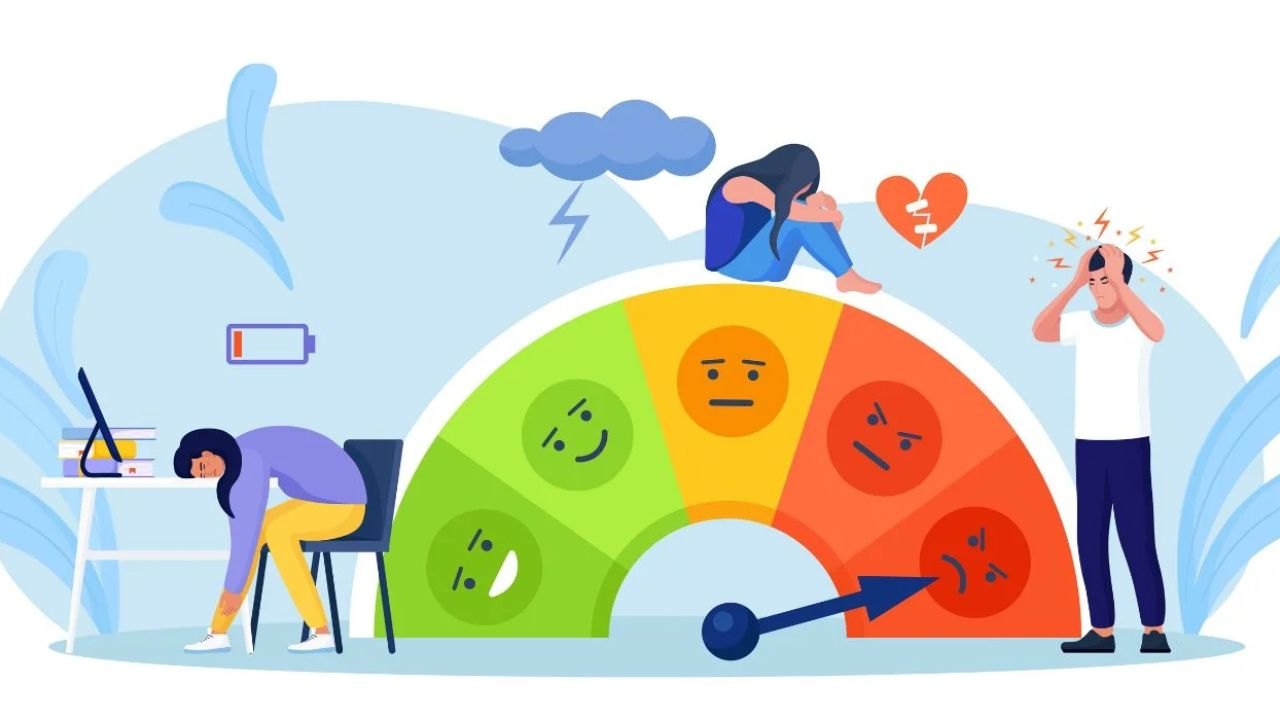
Stop Reacting On Autopilot With A 60-Second Name And Rate Check
When emotions spike, speed can push you into regret in minutes. A name and rate check creates space between feeling and action.

You label the emotion, rate intensity, and choose one next step. This shifts you from vague discomfort to usable information you can follow.
It reduces shame by treating feelings as data, not flaws or weakness. Use it when your tone starts changing and your attention feels scattered.
Use A Simple Script When You Feel Flooded
Name what you feel with one or two accurate words right now. Rate it from one to five and keep the number neutral. Ask what small action is safe in the next ten minutes. Take that action before you reply, scroll, or make a new commitment.
Then check your posture and unclench your jaw as you exhale. This pause makes a calmer response more likely, even under pressure.
Match The Rating To The Right Response
At one or two, adjust posture, hydrate, or step outside briefly. At three, add a short walk or delay a reply with a time. At four or five, prioritize distance, safety, and support, then return later.
Name what you need in a few words, like space or clarity. You are not suppressing emotions, you are steering them. This prevents small stress from escalating into sharp words.
Use A Light Tracker To Spot Triggers
Track the check for one week so patterns show up without overthinking. Daylio logs mood plus one tag in seconds, so it stays simple. Tag situations like commute, meeting, money, or family, then close the app.
Review once a week so tracking stays light and does not take over. Look for repeat triggers and the times they show up. Over time, triggers feel predictable and planning gets easier.
Reset Your Body First With A Breathing Pattern You Can Remember
Emotions live in the body as much as in thoughts you can explain. Shallow breathing keeps your system on alert and speeds reactions.

A short breathing pattern lowers arousal even if the problem stays. The rhythm must be simple enough to recall under pressure.
Practice in calm moments so it appears in traffic, conflict, or deadlines. Think of it as a portable reset that supports clearer choices right away.
Use The 4-6 Pattern For One Minute
Breathe in through your nose for four counts and keep the inhale smooth. Breathe out for six counts and let shoulders drop. Repeat six rounds, then take one normal breath. Longer exhales signal safety and slow the stress response in your body.
If counting is hard, match the rhythm to footsteps or a tap. After a minute, your mind often clears and your voice sounds steadier.
Make It Work When Breathing Feels Awkward
If the exercise feels fake, do three rounds instead of six and move on. Focus on lengthening the exhale, not perfect counting. Pair it with moments like washing hands, waiting in line, or opening a laptop.
Relax your jaw and hands as you breathe out, since tension keeps activation high. Add one shoulder roll after the last exhale. With practice, the cue works faster and you stop resisting it.
Use A Guided Timer When You Need Help
If you want structure, Breathwrk offers short timed sessions you can follow. Pick one routine that lasts one or two minutes and keep it consistent. Repeat it daily for a week rather than exploring new options.
The app removes counting so you can focus on a full exhale. Close the phone after the session and return to one task. Over time, stress drops sooner as your body recognizes the routine.
Clear Emotional Carryover With A Two-Minute Brain Unload
Emotional fatigue grows when mental loops stay open through the evening. Your brain keeps rehearsing tasks and conversations in the background.

A two minute brain unload gives thoughts a container and reduces replaying. This is not deep journaling, it is quick closure with a next step. Do it after work, before bed, or right after conflict. It supports cleaner rest because your mind is not performing overnight.
Use Three Lines To Close The Loop
Write three short lines and keep them direct, even on messy days. Line one is what happened, using facts only. Line two is what you feel, using one or two words that fit.
Line three is what you will do next, with one action and a time. Name what can wait until tomorrow so you stop revisiting it. In two minutes, your mind can stop replaying and shift toward rest.
Capture Thoughts Fast So They Stop Repeating
Speed matters because loops return when capture is slow and uncertain. Google Keep opens fast and saves automatically, which helps on busy nights. Keep one note called Unload and add short lines as they appear.
Label items like tomorrow, call, schedule, or buy, then close the note. Review once daily and archive what is done so the list stays clean. This creates a trusted holding place that lowers background tension.
Turn A Worry Into One Action
When a worry repeats, it usually lacks a next step you trust. Ask what one action reduces uncertainty today, not forever. Check a deadline, send one clarifying message, or set one reminder with a time.
If there is no action now, schedule a review time and park it there. Planned attention beats constant scanning because it gives your brain a promise. Over time, worry loses volume and shows up less.
Lower Emotional Volume By Changing Your Input For Ten Minutes
Sometimes you need less input, not more analysis or advice. Overstimulation keeps emotions high when you stack screens, noise, and constant updates.

A micro break can lower intensity without a big lifestyle change. For ten minutes, add no new information, including headlines and stressful threads.
Switch to quiet, predictable sensory cues that your brain can stop scanning. This protects attention and patience when you feel close to snapping.
Try A One-Sense Swap
Pick one sense to soften for ten minutes and keep it small. Lower sound, dim light, or step away from busy visuals. Face a plain wall or look out a window for a minute. Add slow breathing without counting and let shoulders drop once.
The goal is lowering the signal so you can think again. After ten minutes, reactions often shrink and the next step feels simpler.
Use Predictable Sound In Busy Places
If sudden noise triggers you, add a steady sound layer that stays predictable. Endel can play soundscapes at low volume while you work or commute. Choose one setting and avoid switching tracks often, because switching keeps the brain active.
Predictability helps since your mind stops scanning for changes and threats. Keep volume safe with headphones and take one minute. Combined with a break, your system settles more reliably than scrolling.
Protect Emotional Energy In Conversations With One Clear Boundary
Many emotional spikes come from pressure to respond fast and please others. Quick replies can lead to overcommitting, resentment, or harsh words you regret.

A one sentence boundary protects you while staying respectful and direct. The key is clarity without overexplaining or apologizing repeatedly, which can invite debate.
State the limit, set a time, and follow through calmly. This creates space to choose better timing and a better tone.
Use A Short Delay Script
Prepare one sentence you can use when you feel rushed. Try “I saw this and I will reply tomorrow,” or “I can confirm at 3 PM.” The script sets a time and lowers urgency without sounding cold.
If someone pushes, repeat the same line once and stop there. Add a simple thanks, then move on to your next task. With practice, boundaries feel normal and you stop negotiating with pressure.
Save Phrases So You Do Not Freeze
If you freeze, saving scripts can help you stay steady when stress hits. TextExpander stores phrases and inserts them with shortcuts, which reduces hesitation. Many phones also support text replacement settings for replies you want ready.
Keep three scripts: delaying, declining, and requesting clarity, and keep them short. Practice them in low stakes situations so they sound like you. When words are ready, stress drops faster and conflict loses heat.
Conclusion
You do not need perfect calm to live well, you need quick recovery. These methods show how to regulate emotions in simple ways in moments that matter. Name and rate to slow reactions, then breathe to reset your body.
Unload mental loops so your rest feels real, not restless. Reduce input when you feel overstimulated and close to snapping. With repetition, your emotional range becomes easier to manage day to day.