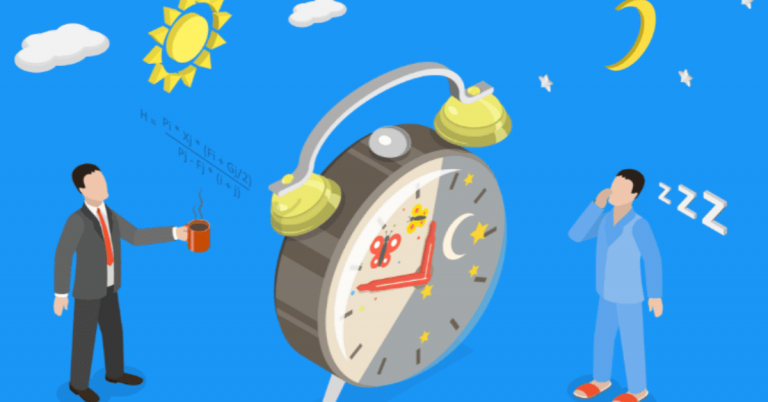
Bedtime should feel like a landing, not another battle. To learn how to reduce mental noise before bed, use small signals to end the day. Most overthinking comes from open loops, screens, and body tension. You do not need perfect calm to sleep better.
You need steps that work on tired nights. This guide shares five tips you can repeat. Each one uses a resource to reduce friction. Try one tonight and notice a quieter mind.
Close Open Loops In Two Minutes So Your Brain Stops Rehearsing
Your brain stays loud when it thinks something is unfinished right at bedtime. Open loops can be tasks, conversations, or worries with no next step.

A quick offload tells your mind that the load is stored somewhere safe. Keep it short so you do not turn bedtime into planning hour.
You are aiming for closure, not a full review. That shift creates mental completion that makes sleep reachable.
Use The Three Lines Then Stop Method For Fast Mental Offloading
Write three lines on paper or in a notes app, then stop. Line one states what is pending in plain facts. Line two names what you feel about it, using one word. Line three sets the next action and the time you will handle it.
When the thought returns, remind yourself it is already parked safely and handled later. This simple structure prevents rumination loops from restarting in bed.
Park Tomorrow Without Planning The Whole Week
If tomorrow feels crowded, park only the first move, not the whole day. Choose one priority that would make the morning easier and write it down. Add one constraint, like a meeting time, then stop there.
Day One helps because you can reuse a short nightly template. Keep the entry brief so it supports you, then close it quickly. Sleep comes easier when tomorrow feels contained.
Reduce Screen Pull With A Clear Cutoff That Feels Realistic
Screens create mental noise by feeding your brain new problems to solve. Late scrolling keeps attention trained on novelty and threat.

A realistic cutoff is not about willpower, it is about less temptation. Pick a time window you can keep most nights, even if it is short.
Replace the phone with one quiet activity that ends on its own. That trade protects your attention runway as you approach sleep.
Follow The No New Information Rule For The Last 30 Minutes
For the last thirty minutes, take in no new information at all. That means no news, no debates, no shopping, and no work messages. Your brain cannot quiet down while it is still collecting fresh input.
Choose a familiar book, light stretching, or simple hygiene steps instead. If your mind wanders, return slowly to the same low-stim routine. This protects cognitive quiet better than forcing silence.
Handle The Urge To Check One More Thing
The urge to check one more thing is often a cue, not a command. When it hits, wait sixty seconds and take one slow exhale. If you still want the phone, open it with a purpose, then stop.
Opal can help by blocking apps during your bedtime window. You set the schedule earlier, so bedtime does not depend on willpower. That creates less friction with yourself at night.
Lower Body Arousal So Thoughts Stop Feeling Urgent
When your body stays activated, thoughts feel louder and urgent. You may be tired, yet your chest, jaw, and hands stay tense.

The fix is not more thinking, it is lowering arousal first. A short release routine tells your nervous system the day is safe to end. Keep it repeatable and do it in the same order nightly. That consistency becomes a physical cue that sleep is next.
Release Jaw, Shoulders, And Hands In The Same Order
Start with your jaw, because clenching keeps your system on guard. Press your tongue up, then let the jaw drop slightly, slowly. Roll shoulders up, back, and down three times as you breathe out.
Open and close your hands, then shake them out for ten seconds. Finish by stretching your neck gently side to side at night. This sequence creates felt safety that quiets racing thoughts.
What To Do When You Feel Tired But Wired
If you feel tired but wired, shorten the routine and lower the bar. Dim the lights, sit down, and do three long exhales before anything else. Then choose one calming track and commit to finishing it.
Balance offers short guided downshifts that stay under ten minutes. Pick one favorite and repeat it nightly so your brain learns the cue. Repetition builds a faster off-switch over time.
Adjust Late Stimulants And Intense Exercise Without Overcorrecting
Late caffeine, heavy meals, and intense workouts can keep arousal high. Instead of cutting everything, start by moving one stimulant earlier.
Set a caffeine cutoff time that matches your sensitivity, then stick to it. If you exercise late, switch to gentle mobility or a slower walk.
Notice if your heart rate stays elevated, and adjust next day. These tweaks protect nighttime calm without harsh new rules.
Replace Mental Chatter With Gentle, Predictable Input
Silence can be hard when your mind is used to stimulation. A better approach is to swap noisy input for predictable, low-demand cues.

Predictability helps because your brain stops scanning for surprises and conflict. Choose one sound or story that you already know well from start to finish.
Keep volume low and avoid content that pulls you into problem solving. This creates a softer mental track that supports sleep steadily.
Use Sound That Does Not Demand Attention
If audio helps you, keep it boring in the best way. Avoid podcasts with new ideas or cliffhangers that hook you. Choose steady rain, brown noise, or a simple fan sound instead.
Noisli lets you mix consistent sounds and save one bedtime preset. Set a timer so it fades and you are not listening for the end. The goal is background comfort that replaces mental chatter.
Use A Familiar Re-Read Or Re-Listen Rule
Familiar content calms because it removes the urge to keep up. Pick a book you have read before or a show you know well. Limit it to one chapter or one short episode, then stop.
Keep the screen off if possible, or use audio with the phone parked. If curiosity pulls you forward, return to the same section again. You train predictable closure instead of endless novelty.
End The Day With A Clear Tomorrow Starts Here Cue
Many people lie awake because the day ends without a clear finish. Your brain keeps negotiating tomorrow while you try to rest.

A closure cue tells your system that planning time is over. It should be small, repeatable, and linked to your bedtime routine. The goal is to reduce decisions, not add new tasks late at night. This creates a clear endpoint that supports sleep every night.
Do A One-Minute Setup That Prevents Night Worry
Set up one thing that removes a common morning stressor. Fill a water bottle, lay out clothes, or pack what you need by the door. Keep it to one minute so it never becomes a project at night.
When a worry pops up, point to the setup and remind yourself you acted. This gives your brain a signal of competence, not uncertainty. That shift supports settling into rest more reliably.
Repeat One Closure Statement And Keep It Consistent
End the routine with one sentence you repeat every night. Say, “The day is done, I will handle the rest tomorrow,” once. CBT-i Coach offers sleep tools and a routine guide for structure.
Use it daily to keep a schedule and note brief sleep disruptors. Skip analysis, and look for one pattern after a week. Consistency builds trust in your nights and lowers mental noise.
Conclusion
Nighttime calm is not a personality trait, it is a routine you practice. Start by closing loops so your brain stops rehearsing. Reduce screens so you stop feeding new input. Lower body tension so thoughts feel less urgent.
Use predictable sound or familiar content to soften chatter. End with a closure cue that ends planning. Pick one tip for seven nights and track the change closely. You are building sleep-friendly momentum for tomorrow morning.