Feeling emotionally stressed has, at times, been a normal part of my daily life. Maybe that’s something you can relate to. With work, relationships, and everything else layered on, it’s easy for tension to build up.
But I’ve realized that certain everyday practices can noticeably reduce emotional stress. If you’re reading this, perhaps you’re also searching for practical ways to bring more calm and balance into your routine.
This article is for anyone wanting less overwhelm and more emotional well-being—whether you’re managing life as a student, professional, parent, or just navigating daily challenges.
Why Managing Daily Emotional Stress Matters
I’m convinced that ignoring stress is tempting but rarely useful. Lingering stress doesn’t just wear you down mentally—it can impact sleep, immune health, and even relationships.
Even low-level, chronic tension can seep into moments when you least expect it. That’s why adopting simple daily habits can make such a difference both short-term and long-term, for anyone who cares about their mental health.
The Foundation: Healthy Habits That Ground You
One thing I’ve noticed is that stress feels worse when I’m not physically well-rested or nourished. It’s something we all know, but honestly, it’s easy to overlook. Here are some non-negotiables I now try to stick to:
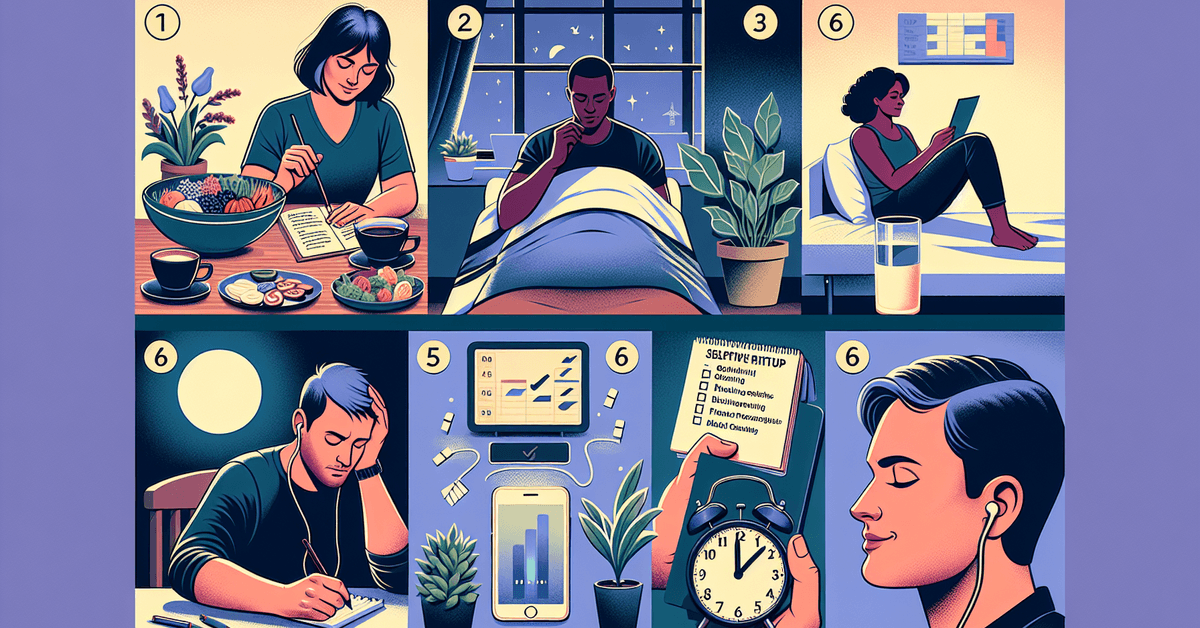
- Adequate Sleep – I aim for 7 to 8 hours a night. When I don’t get enough, minor inconveniences feel huge.
- Balanced Meals – Skipping meals or eating poorly makes my mind feel foggy, which definitely ramps up stress levels.
- Hydration – It sounds overly basic, but staying hydrated really does improve mood stability and focus.
It isn’t always perfect—I still have late nights or the occasional junk food binge. Yet, when I get back on track, I always notice a reduction in emotional stress.
Mental Organization: Structuring Thoughts to Reduce Anxiety
Cluttered thoughts are a hidden source of daily tension. I try to counteract this by establishing a routine for organizing my mind—usually in the morning or before bed. These are the practices that help most:
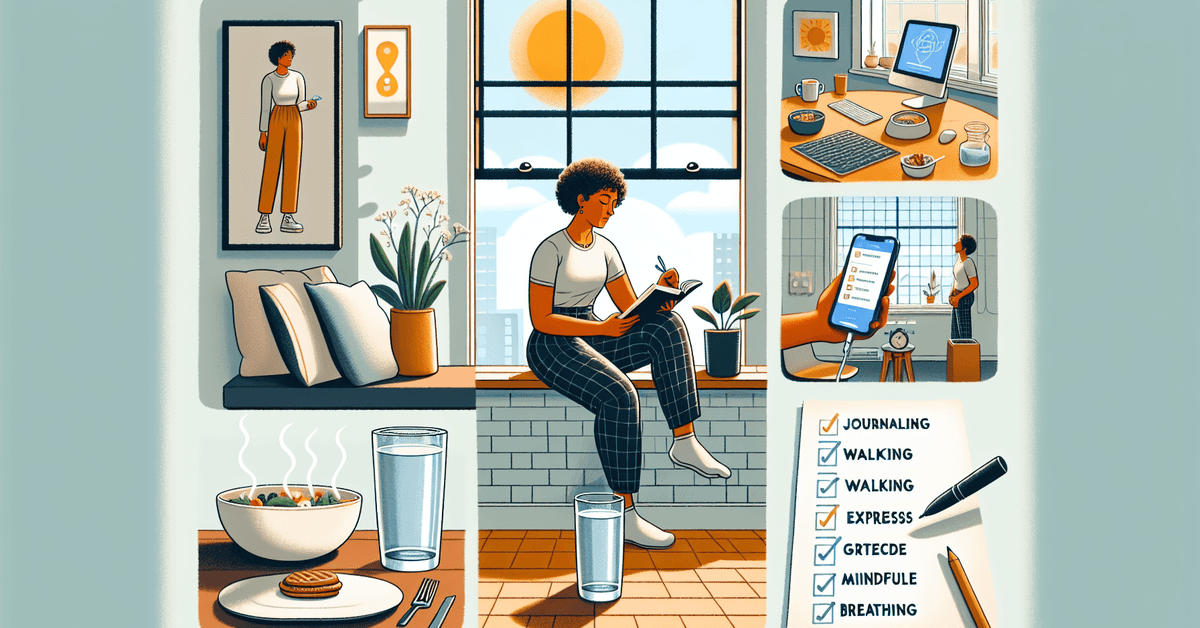
1. Daily Journaling
Writing down what’s on my mind each day helps me spot stressors I might not even realize are there. Even a few lines can clarify which worries are worth my energy.
2. Task Lists
For me, crossing off a list (even if it’s digital) makes overwhelming days more manageable. I focus on three priorities. Anything after that is a bonus, not a must.
3. Mental Check-Ins
Sometimes I pause mid-day, asking, “Am I tense? Why?” It’s a gentle practice, but being aware of how I’m feeling keeps stress from spiraling as the day goes on.
Self-Care: Small Rituals, Big Impact
It took me years to grasp that self-care isn’t selfish—it’s necessary. Still, the phrase gets thrown around a lot online. For me, it means intentionally setting aside tiny windows of time just for my own renewal:
- Short walks outside (even 10 minutes helps clear my head)
- Breathing exercises (I use the 4-7-8 method before meetings)
- Listening to a favorite song or calming playlist
- Limiting screen time in the hour before bed
No single ritual makes all the emotional stress disappear, but together, these actions create a noticeable reset, especially on busy days.
Sleep: The Reset Button for Emotional Well-Being
Personally, the link between sleep and mood is almost impossible to ignore. When I’m sleep-deprived, small hassles grow bigger. So here are the habits that help me—and might help you too:
- Consistent bedtime and wake-up times—even on weekends
- Reducing caffeine after lunch
- Using a sleep mask or blackout curtains for better rest
- Writing out worries before bed so my mind isn’t racing
I sometimes have nights where sleep just doesn’t come easily, but even then, practicing better sleep hygiene makes the next night easier.
Emotional Routines to Build Resilience
Some days feel heavier than others, and while I can’t prevent all emotional stress, I can build routines that raise my baseline resilience:
Gratitude Practice
I used to roll my eyes at gratitude lists, but after trying it for a week, I noticed I was more positive about daily challenges. Writing three things I’m grateful for anchors my mind, even when stress is high.
Talking It Out
Sometimes, just saying out loud what’s bothering me—whether to a friend, family member, or even just into a voice note—lightens the mental load instantly.
Mindfulness and Meditation
On days when my thoughts are scattered, even five minutes of guided meditation helps me regain a sense of calm. There are many free options out there; I like to recommend the app Headspace for short meditations.
Practical Tips to Maintain Low Stress Every Day
My go-to strategies are simple, but I find they steadily build up emotional strength over time:
- Take movement breaks—stretch, breathe, or pace the room once per hour
- Limit multitasking; single-tasking helps prevent cognitive overload
- Say no to new commitments when I’m already stretched thin (not easy, but necessary)
- Create a calming, clutter-free space—tidying up even one corner can be soothing
Visual Guide: Daily Emotional Wellness Checklist
To keep these habits top-of-mind, I recommend creating a simple daily checklist. A quick example:
| Practice | Time Needed | Day Completed? |
|---|---|---|
| Journaling | 5 min | [ ] |
| Short outdoor walk | 10 min | [ ] |
| Bedtime gratitude | 3 min | [ ] |
| Mindful breathing | 2 min | [ ] |
| Consistent sleep routine | All night | [ ] |
Consider printing or saving this checklist as a daily visual reminder. It’s not about perfection, but about regularly supporting yourself.
Extra Resources for Emotional Wellness
For more guidance, explore the following resources:
- Mind UK: Stress Information
- Sleep Foundation for tips on better sleep habits
- How to Build a Morning Routine (Internal Link Suggestion)
Conclusion: Start Small, Build Daily Calm
No one approach erases emotional stress entirely—at least, not in my experience. But when small practices become part of your routine, you start noticing positive changes. Even remembering to take a deep breath during tough moments is a victory.
If you want more calm in your life, why not start with one or two habits from this list today? And if you’re curious about creating more balanced routines, check out our guide on mindful habits for well-being for next steps.
Your emotional wellness matters. Begin with one small step—your future self will thank you.