Life moves quickly. That’s something I’ve come to realize over the years, and sometimes our well-being is the first thing to slip through the cracks. If you’re anything like me, the phrase emotional wellness can sound abstract or even out of reach—especially when you’re busy or overwhelmed.
But here’s a truth: tending to our emotional health doesn’t have to mean dramatic changes. Instead, I’ve discovered that making small daily steps can build a solid foundation for a healthier mind and a more resilient self.
What is Emotional Wellness, Really?
I used to think emotional wellness was about being happy all the time. But over time, I realized it’s so much more than that. Emotional wellness is about understanding, accepting, and managing our feelings in a constructive way.
It’s the ability to bounce back from stress, to nurture meaningful connections, and to live with a sense of purpose. And, honestly, it’s not about perfection—it’s about progress.
Why Take Small Steps Toward Emotional Wellness?
For a long time, I underestimated the power of micro-habits. I thought only big changes would bring about results. But small choices, repeated daily, really do add up. In my experience, the following benefits come from embracing small steps:

- Less overwhelm: Breaking big goals into tiny actions feels more manageable.
- Consistency: Habitual small steps become second nature, reducing the need for constant motivation.
- Long-term progress: Small wins actually boost confidence and foster lasting change.
Healthy Habits for Everyday Emotional Wellness
Let’s be honest, there’s no magic bullet. But, certain healthy habits can act as pillars of emotional wellness. Here are a few I lean on:
1. Start With One Positive Ritual Each Morning
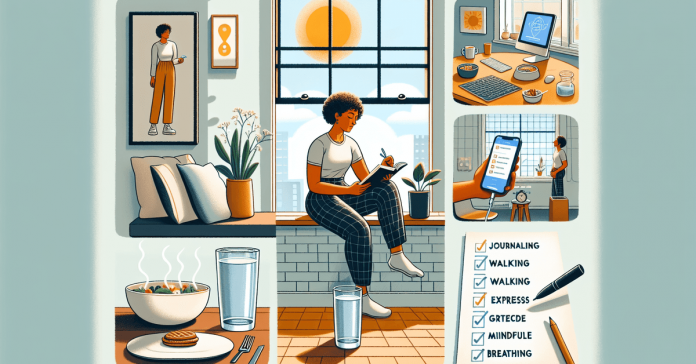
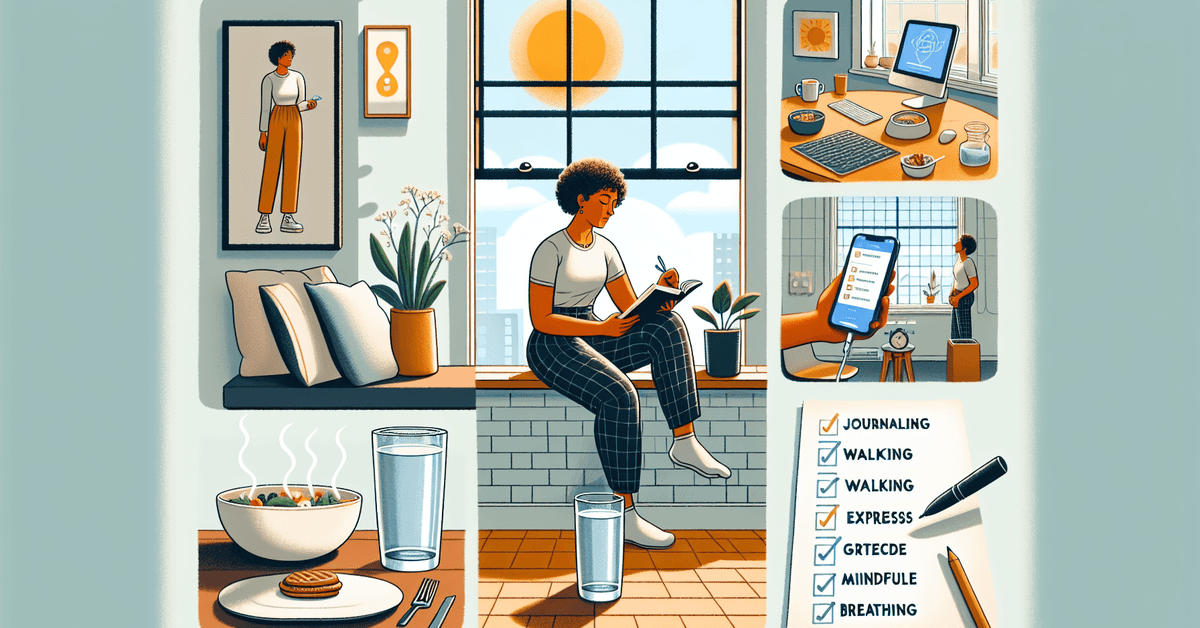
My mornings used to be a rush of emails and anxiety. Lately, I begin with a single positive action—sometimes that’s journal writing, other times it’s five minutes of mindful breathing. Amazingly, that small choice can set the tone for the entire day.
2. Practice Gratitude—Even Briefly
It may sound cliché, but jotting down one thing I’m grateful for each evening gently reroutes my mind from stress to appreciation. This tiny ritual helps me end my day with a sense of peace rather than worry.
3. Move Your Body—Even Just a Bit
Exercise sounds daunting, I know. But walking around the block or stretching for five minutes at your desk can really help release built-up tension. Movement, in any form, gets those feel-good hormones flowing.
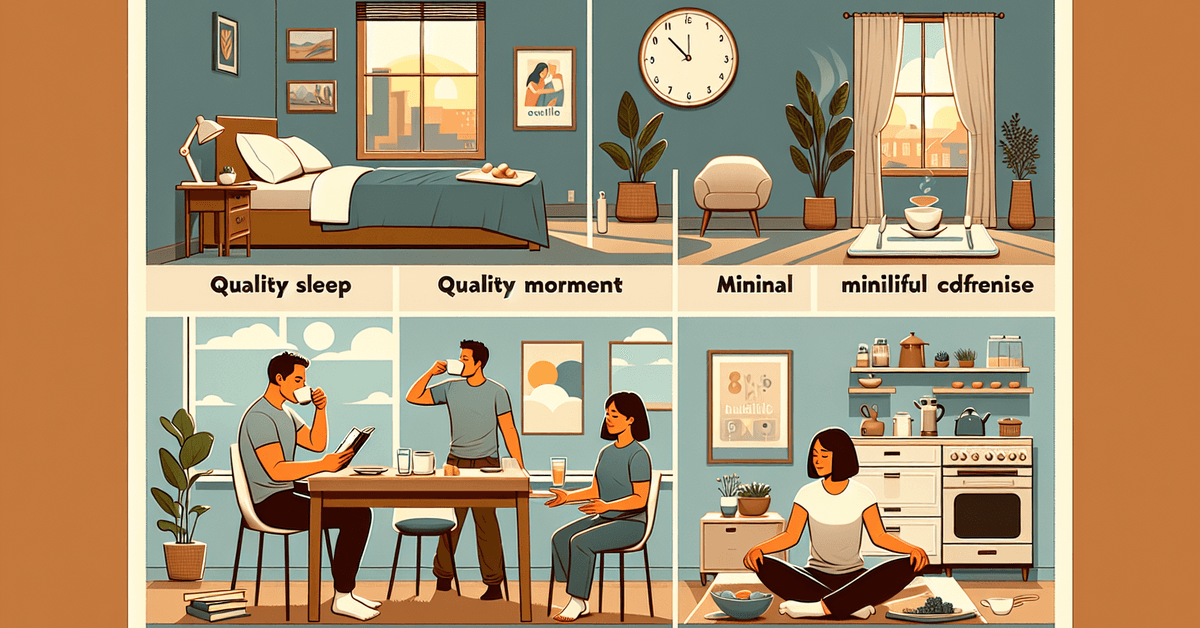
4. Prioritize Quality Sleep
I used to brush off sleep as unimportant. Now, I see how much it affects my mood and resilience. A nightly wind-down routine curbs insomnia and leaves me better equipped for emotional ups and downs the next day.
5. Connect (Even Briefly) With Someone You Trust
Days can be lonely, but a quick text to a friend or family member keeps connection alive. Emotional support, I’ve found, sometimes requires no more than a moment of vulnerability.
Mental Organization: Declutter for a Calmer Mind
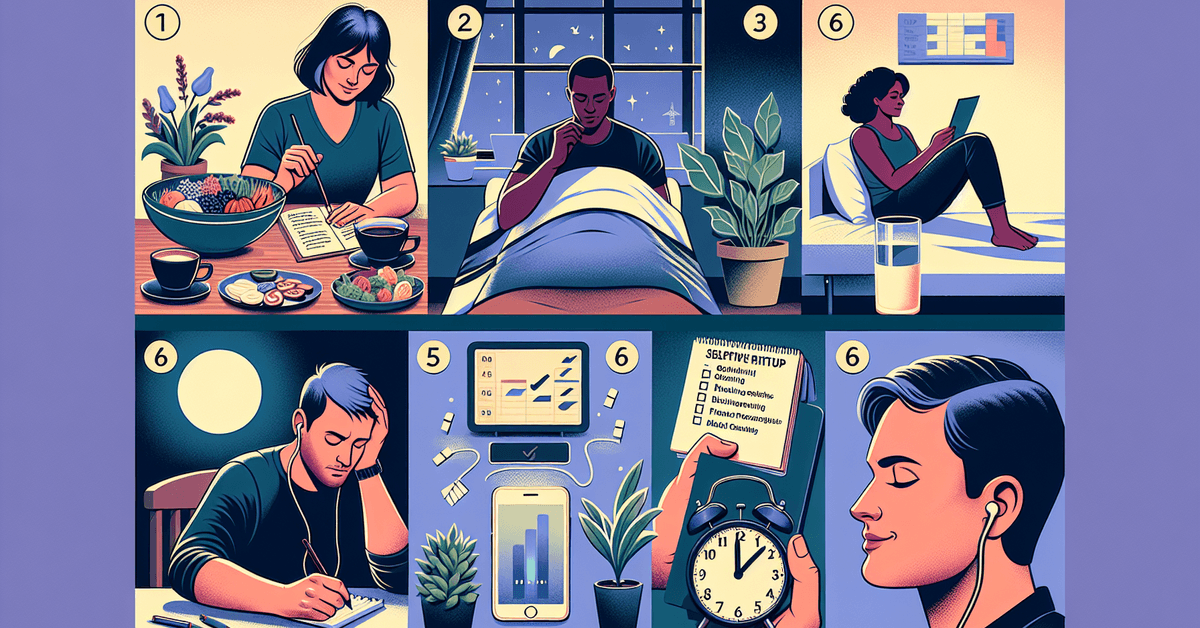
Clutter—whether physical or mental—can increase stress. I try to take five minutes most days to organize my thoughts, my to-do list, or even my workspace. Here’s what helps me:
- Writing out priorities for the day on a sticky note
- Clearing my inbox each morning or afternoon
- Spending Friday afternoons reviewing the week, celebrating wins, and letting go of what didn’t work
Honestly, my mind always feels lighter when I do this.
Building an Emotional Routine That Works For You
Finding a sustainable emotional routine isn’t as intimidating as it might seem. Here’s a basic structure I’ve crafted for myself (but feel free to adapt):
| Time of Day | Emotional Wellness Action |
|---|---|
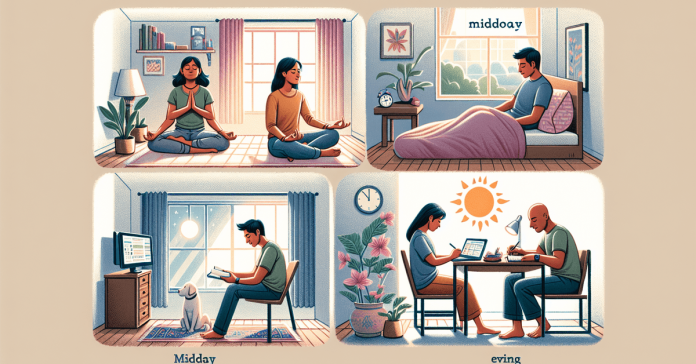
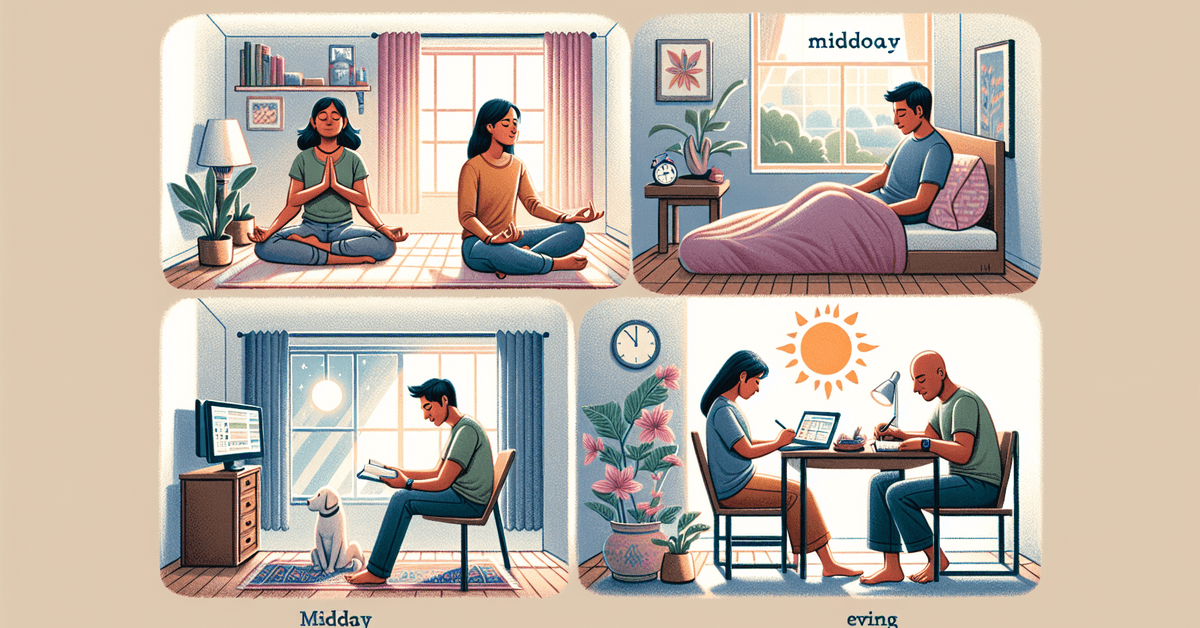
| Morning | 2-minute breathing exercise, Set an intention |
| Midday | Short walk or stretch break, Check in on energy and mood |
| Evening | Reflect on one gratitude, Limit screen time before bed |
None of these actions take long, and sometimes I skip a step. Striving for consistency over perfection makes it easier to stick with the routine.
Self-Care Isn’t Selfish
For years, I thought self-care was indulgent. Now I realize it’s essential—for myself and those around me. Whether it’s enjoying a hot shower, reading a favorite book, or taking a mental health day, replenishing my emotional reserves leaves me better able to help others.
Tip: If you’re not sure where to start, pick the habit that feels easiest. Success breeds momentum!
Common Challenges & How to Handle Them
Sticking with positive routines isn’t always easy. Here are a few hurdles I’ve hit—and strategies that help:
- Lack of motivation: Remind yourself how you’ll feel after. Sometimes sheer discipline gets things started, even if motivation is low.
- Forgetfulness: Place notes or reminders where you’ll see them—on your phone, mirror, or fridge.
- Overwhelm: If you’re struggling, scale back. Even one minute of mindfulness counts.
Don’t be too hard on yourself if you miss a day. Emotional wellness is a journey—and, yes, sometimes you’ll backslide. That’s part of being human.
Helpful Resources and Next Steps
Feeling stuck? I recommend exploring resources like the Mind charity for tips on mental health or checking out our self-care articles for practical guides you can apply right away. Building a support network or finding a mentor can also provide encouragement and accountability.
Final Thoughts: Start Small, Grow Strong
If there’s one takeaway from my experience, it’s this: small daily steps absolutely matter. You don’t have to do everything at once. In fact, you shouldn’t—trying to overhaul your routine in a day is likely to leave you frustrated. But gradually, with patience and compassion, you’ll see the benefits add up.
Ready to feel more balanced and at ease? Choose one small habit, give it a try for a week, and notice how you feel. If you want more guidance, check out our in-depth guide to better sleep or browse actionable routines in our Emotional Wellness articles . Take your first small step today—you may be surprised by where it leads.