
Home Blog Page 7

How to Create a Restful Sleep Environment

0

A long day ends, you finally get into bed, and you expect sleep to come quickly. You look around and realize a restful sleep environment is missing, even though you feel exhausted. 

Light leaks in, your room feels stuffy, and small noises keep pulling your attention. You start shifting positions and checking your phone without thinking. You wake up feeling like you never fully shut down. 

If you are new to improving sleep, this is a common starting point. In this article, you will learn practical steps you can follow in order. You will also learn how to test what works, so you do not waste time or money.

How to Create a Restful Sleep Environment
Image Source: Calm

Why Your Environment Controls Sleep Quality

Your bedroom sends signals that tell your brain what comes next. Light, noise, temperature, and comfort shape how alert you feel at night.

If the cues say stay awake, you can feel tired but still wired. A supportive room lowers arousal, so sleep starts naturally and feels smoother. Control the cues, and your routine depends less on willpower and more on consistency.

How to Create a Restful Sleep Environment
Image Source: Healthline

Circadian Rhythm and Light Timing in Simple Terms

Your circadian rhythm is a 24-hour body clock that reacts strongly to light. Bright light at night tells your brain it is still daytime, even if you are sleepy. That delays melatonin and shifts your sleep window later than you want. 

Dim, warm evening lighting helps your brain shift into rest mode. Morning daylight anchors the clock, making falling asleep more predictable.

Arousal Level and Why Calm Beats Tired

Feeling tired is not the same as being calm enough to fall asleep. Stress, late work, intense videos, and constant messaging keep your system activated. When arousal is high, your heart rate and thoughts stay elevated in bed. 

A restful room reduces stimulation, helping your body switch into recovery mode faster. Calm is the bridge between a busy day and the deep sleep you need.

Sleep Stages and How Disruptions Reduce Recovery

Sleep has stages that support learning, mood, immune function, and physical recovery. Small disruptions can break these stages without fully waking you up. Noise spikes, light leaks, and overheating trigger micro-awakenings that reduce deep sleep. 

You may still get 7 hours and wake up feeling drained and foggy. A steady environment protects the full cycle, so your sleep feels more restorative.

The Pillars of a Restful Room

A restful room is built on pillars that you can control with simple choices. The pillars are darkness, quiet, cool temperature, and physical comfort. 

How to Create a Restful Sleep Environment
Image Source: Your Coffee Break

You do not need perfection, but you do need consistency on most nights. Each pillar removes a common sleep blocker and supports faster sleep onset. Start with the pillar that is easiest to improve in your space, then build from there.

Darkness and Light Hygiene

Darkness supports melatonin and helps your brain treat bedtime as a clear boundary. Dim the lights 60 minutes before bed and avoid bright overhead bulbs. Block outside light with curtains, a sleep mask, or by covering small gaps. 

Lower screen brightness and stop notifications from flashing in a dark room. When your room stays dark, you fall asleep faster and wake up less often.

Quiet and Sound Buffering

Quiet matters because your brain stays alert to protect you during sleep. Even if you think you sleep through noise, your body can still react to spikes. Use steady sound, like a fan or white noise, to cover sudden changes. 

Close gaps under doors, move rattling items, and keep your phone on silent. A quieter room reduces micro-awakenings and makes your sleep feel deeper.

Temperature and Air Quality

Most people sleep best in a cooler room because their body temperature drops at night. If your room is warm, you may toss and turn, waking up sweaty and restless. Use a fan, lighter bedding, or adjust the thermostat to stay comfortable. 

Air quality matters too, so ventilate when possible and avoid strong odors. Cooler, cleaner air helps your sleep stay smooth and stable across the night.

Step-by-Step Ways to Create a Restful Sleep Environment

If you are new, the best approach is to change one variable at a time. Start with actions that cost nothing and take about 15 minutes tonight. 

How to Create a Restful Sleep Environment
Image Source: nochesleep

Add small purchases only if they solve a clear, repeatable problem. Over 30 days, refine comfort and build a routine that stays consistent. This step-by-step method prevents overwhelm and helps you see what actually improves sleep.

What to Change Tonight in 15 Minutes

First, lower light by using a lamp and turning off overhead bulbs. Next, set your phone to Do Not Disturb and place it across the room. 

Clear the bed area so it feels calm when you lie down. If outside light is strong, block the brightest leak with a towel. Finish with 5 minutes of slow breathing or gentle stretching.

What to Change This Week With Small Purchases

Buy only what fixes your biggest barrier, not what looks trendy online. If light is the issue, start with blackout curtains or a sleep mask. 

If noise is the issue, try a white noise machine or a fan. If heat is the issue, choose breathable sheets and adjust bedding weight. Targeted upgrades often help more than expensive gadgets, so keep it simple.

What to Change Over 30 Days for Long-Term Results

Over 30 days, focus on comfort and repeatability instead of constant changes. Check pillow and mattress support by noting neck and back comfort each morning. Keep a stable bedtime window on most nights so your body learns the pattern. 

Get about 10 minutes of morning daylight to anchor your timing. Review the room weekly to clear clutter and adjust one pillar if needed.

Common Mistakes Beginners Make When Fixing Sleep

Beginners chase fast fixes because poor sleep feels urgent and frustrating. The basics drive most results, so skipping them wastes time and money. 

How to Create a Restful Sleep Environment
Image Source: Jennifer Adams

If you ignore light and temperature, many changes will feel weak and inconsistent. Another issue is changing too many things at once, which makes the results unclear. A focused plan with a few pillars works better and builds confidence.

Overdoing Supplements Instead of Fixing the Room

Supplements can help some people, but they cannot overpower a stimulating bedroom. If your room is bright, noisy, or hot, your body will resist sleep each night. Some products vary in quality, and that can create confusion about what is working. 

Fix light, sound, temperature, and comfort first, then reassess your needs. If sleep problems persist, consider speaking with a qualified health professional.

Buying Gear Without Solving Light and Temperature

It is easy to buy new sleep gear and expect instant change. But the most common disruptors are light leaks and overheating, not missing products. A premium pillow will not help if your room stays warm overnight

Start with blackout options and cooling strategies before upgrading accessories. Spend money only after you identify the real issue and can explain why it matters.

Using the Bed for Work and Training Your Brain to Stay Awake

Your brain learns associations, so the bed should signal sleep, not stress. If you work or scroll in bed, you train your mind to stay alert. 

Then, when you lie down, thoughts speed up, and sleep takes longer. Set up a work spot outside the bed, even a chair. Keep the bed for sleep and a short wind-down so the cue stays clear.

How to Know Your Sleep Environment Is Working

You do not need fancy trackers to see if the environment is working. Look for changes you can feel in the morning and observe at night. 

How to Create a Restful Sleep Environment
Image Source: Restolex

Over 2 to 3 weeks, you should fall asleep faster and wake fewer times. Daytime energy and focus should feel steadier during normal tasks. If progress stalls, adjust one pillar, test 7 nights, and stay objective.

The Morning Test: Energy, Mood, and Alertness

A better room usually shows up first in how you feel after waking. You may notice less grogginess and a steadier mood in the first hour. Your morning appetite can feel more normal, with fewer intense cravings. 

Pay attention to focus during simple tasks, like reading or making a plan. Write a quick note for 14 days, because trends matter more than one bad morning.

The Night Test: Time to Fall Asleep and Wake-Ups

At night, note how long it takes to fall asleep after lights out. Many beginners improve when they cut light and noise, even with the same bedtime. Track wake-ups, especially those caused by heat, light leaks, or sudden sounds. 

If you wake, identify the cue and remove it the next night if possible. Over 2 weeks, sleep should feel smoother in a stable room.

Conclusion

A restful sleep environment comes from small, repeatable choices that reduce stimulation. Start with darkness, quiet, cool temperature, and comfort, then adjust one pillar weekly. 

Use the 15-minute reset tonight and add only the upgrades you truly need. Track time to fall asleep and morning energy for 14 days. With consistency, your room will support deeper sleep and better days.

How to Improve Emotional Awareness Daily for Better Well-being

0

Taking care of our emotional health is something many of us overlook, but it quietly shapes how we feel every single day. If you’ve ever wished you could respond less reactively or just feel a little lighter emotionally, deepening emotional awareness may be the path forward.

This article is for anyone who wants to start recognizing, understanding, and managing their emotions—whether you’re looking to reduce stress, build stronger relationships, or just feel more in control. The benefit? Greater resilience, clarity, and day-to-day happiness. Let’s explore how you can improve your emotional awareness, step by step, as part of your everyday wellness routine.

What Is Emotional Awareness and Why Does It Matter?

Before you can improve something, it helps to know what it is. Emotional awareness means noticing, understanding, and naming what you feel as you feel it. It’s about being honest with yourself without judging those feelings as “good” or “bad.”

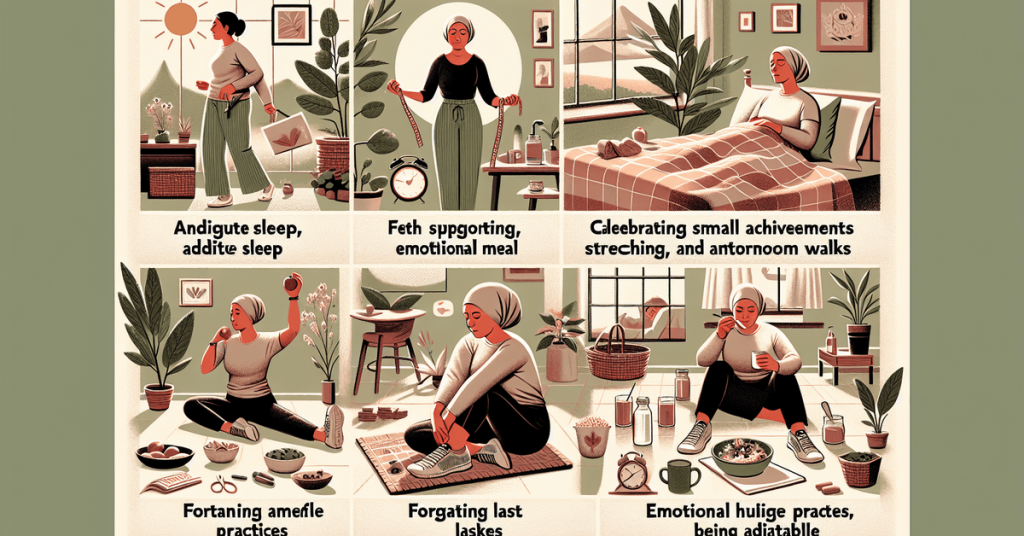
Image 2

Why does this matter? Well, being more aware of your emotions can help you make healthier choices, communicate better, and feel less overwhelmed. You begin to notice patterns and triggers, allowing you to respond instead of just react.

Simple Habits to Grow Daily Emotional Awareness

Let’s be practical. Improving emotional awareness isn’t about dramatic changes. It’s about building small habits into your day. Here’s how I approach it:

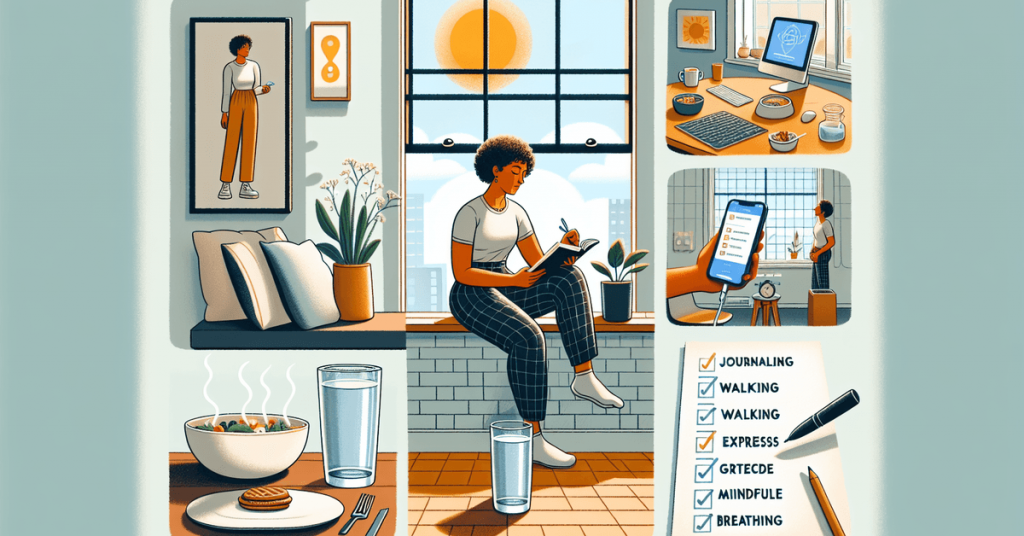
Image 1

Start With a Morning Check-In

Every morning, before grabbing my phone, I take a moment to notice how I’m feeling. Is there tension in my chest, a sense of lightness, or maybe a quiet worry?

  • Ask yourself: What am I feeling right now?
  • Try to name the emotion—happy, anxious, hopeful, tense, curious, something else?
  • Notice any physical sensations tied to that feeling.

Over time, this gets easier. I often jot a word in my planner to capture that feeling—it’s a gentle way to track my moods.

Practice Mindful Breathing

Mindfulness is a bit of a buzzword, but honestly, it works for tuning into emotions. I try a simple breathing exercise at lunch (it literally takes five minutes and can change my mood).

  • Close your eyes and breathe in for a count of four, out for six.
  • As you breathe, ask: What emotion is present?
  • Let any feeling—pleasant or uncomfortable—be there without rushing to change it.

Use Emotion Naming Throughout the Day

Emotional vocabulary matters. If I notice I’m snappy or withdrawn, I try to be curious: Am I irritated, embarrassed, lonely? Sometimes the right label makes all the difference.

Quick Tip: Keep an emotion wheel handy or bookmark one online. It’s surprisingly helpful when you’re stuck for words.

Reflection Routines: How Looking Back Helps You Move Forward

By the end of the day, I find it useful to pause and reflect. A few honest questions can go a long way in strengthening emotional intelligence:

  • Which emotion showed up most today? Was it joy, impatience, calm, or something else?
  • Did anything trigger strong feelings? Can I spot a pattern?
  • How did I respond to those emotions? Do I wish I’d acted differently?

I used to think journaling was a chore, but even a short note in my phone helps. Sometimes, just admitting “I felt overwhelmed after that meeting” gives me a sense of clarity I wouldn’t get otherwise.

Building Emotional Awareness Into Healthy Habits

Emotional wellness links to so many daily practices. Here’s what I’ve learned to integrate for better results:

Prioritize Regular Sleep

Lack of sleep makes emotions swing more wildly; I notice I overreact when I’m tired. Try to keep a steady sleep schedule—your emotional stability will thank you.

Move Your Body

Exercise doesn’t just help physical health. Even a quick walk, some stretching, or dancing to a favorite song shifts emotional energy and offers time to process what I’m feeling.

Practice Gratitude and Self-Compassion

When I acknowledge small wins or deliberately thank myself, my mood lifts a little. Self-compassion isn’t always easy, but it’s essential—especially on rough days.

Habit  Emotional Benefit  How to Start 
Morning Check-In  Recognize emotions  Ask yourself, “How do I feel?” 
Mindful Breathing  Reduces reactivity  Take 5 deep breaths at lunch 
Daily Reflection  Increase insight  Note one emotion before bed 
Physical Activity  Emotional release  10-minute walk in afternoon 

Dealing With Emotional Triggers: What If You Get Stuck?

No journey is linear, and improving emotional awareness sometimes means facing difficult feelings. There are days I still feel stuck. When that happens:

  • I take a small break—step outside if possible, pour a glass of water, or just stretch for sixty seconds.
  • I remember that emotions are messages, not instructions. Not every urge needs a response.
  • If I can’t shake off a heavy mood, I’ll consider talking to someone I trust (sometimes a professional, sometimes just a friend).

Progress isn’t about perfection. It’s about being a little more honest with myself than I was yesterday—and sometimes, that’s enough.

Linking Emotional Awareness to Self-Care and Well-being

Emotional awareness sits at the heart of self-care . If I don’t know what I need emotionally, how can I meet those needs?

Try linking your check-ins to other self-care routines. For example, pair your emotional check-in with your evening skincare, or practice identifying emotions while making your morning coffee.

Need extra support? There are excellent online resources—websites like Mind or Mental Health Foundation —which offer practical advice on understanding feelings.

Using Emotional Awareness in Relationships

Perhaps one of the biggest changes I’ve noticed from regularly practicing emotional awareness is feeling less defensive in conversation. When I pause to notice what I’m experiencing, it often helps me communicate more clearly.

If you’d like to deepen your relationships, try gently naming your emotions in conversation: “I feel a bit anxious about that, if I’m honest.” It’s surprising how much more open others become when I do this.

When to Seek Professional Help

Sometimes, our emotions feel too much to handle alone. If you notice a constant sense of sadness, or if you feel emotionally overwhelmed most days, reaching out to a therapist or counselor is a wise, brave step. There’s no shame in seeking help—that’s a form of self-awareness, too.

Conclusion: Start Small, Stay Curious

Improving emotional awareness daily isn’t about becoming perfectly Zen. It’s an ongoing process—sometimes repetitive, sometimes messy—and that’s absolutely normal.

The smallest effort to notice your feelings, even once a day, plants a seed for lasting emotional well-being. Try a morning check-in tomorrow, or simply spend five minutes breathing at lunch. The journey isn’t always predictable, but every step matters.

Ready to take charge of your emotional wellness? Start with one of these simple habits today, and notice how your clarity—and your sense of calm—slowly begin to grow. For more on building daily emotional routines, explore our Emotional Wellness guides .

Self-Care Practices for Emotional Recovery: Daily Habits That Hold Up

0

Emotional recovery can feel tough on ordinary days. The self-care practices for emotional recovery that last start with small actions you can repeat without pressure. This guide breaks recovery into steps that calm you and restore energy. 

You will learn quick resets for stress and routines that protect sleep. Each section includes one tool you can use now. The focus is consistency, not perfection. Try the steps for one week. Adjust based on what works.

Start With Immediate Nervous System Relief

When emotions feel loud, calm your nervous system before you analyze the story. A reset lowers tension so you can think and choose your next step. 

Self-Care Practices for Emotional Recovery: Daily Habits That Hold Up
Image Source: Choosing Therapy

You are not trying to erase feelings, you are reducing overload. Pick a routine you can do at work, at home, or in transit. Practice it daily so it becomes automatic. The goal is calm enough to respond on purpose.

Use A Two Minute Breathing Reset You Can Repeat Anywhere

Sit or stand with your feet grounded and relax your jaw for ten seconds. Inhale through your nose for four counts, then exhale for six counts. Repeat for two minutes and keep your shoulders soft. 

If your mind wanders, return to counting instead of arguing with thoughts. This pattern reduces physical arousal and helps focus return within minutes. Make it your default reset during stress spikes.

Try Temperature Shifts That Calm the Body

Temperature shifts interrupt a spiral as your body adapts. Splash water on your face, or hold something cold to your cheeks for 30 seconds. If cold feels harsh, use a warm shower or a heating pad to loosen muscles. 

Pair the change with breathing so the effect lasts longer. Keep it safe, brief, and repeatable. Use it as a physical cue that brings you back.

Use Insight Timer To Guide Short Calming Sessions

Support helps when you are learning and want to quit. Insight Timer offers breathing timers and sessions you can run in two to five minutes. 

Choose tracks labeled stress reset, then save two favorites. Use one at the same time each day to build consistency. If you miss a day, restart and keep it simple. Treat the app as a light structure you can lean on.

Restore Energy With Basic Care That Actually Helps

Emotional recovery is harder when your body is on low fuel. Dehydration, poor sleep, and long gaps between meals can amplify worry and irritability. 

Self-Care Practices for Emotional Recovery: Daily Habits That Hold Up
Image Source: FluidStance

The fastest gains come from basics you can repeat, not dramatic overhauls. Aim for small actions that prevent crashes and protect your baseline. 

These routines support decision making when you feel drained. Think of them as maintenance that keeps you resilient.

Build A Hydration And Snack Routine That Prevents Mood Crashes

Drink water because dehydration can look like irritability and fog. Keep a bottle nearby so it stays visible. Add a snack with protein or fiber, like yogurt or nuts. 

Avoid long gaps between meals when you can, because mood drops follow sugar dips. Use a reminder for a week, then remove it once the habit holds. The payoff is steadier energy that supports steadier emotions.

Use Light Movement For Emotional Release Without Overtraining

Movement supports recovery because it releases tension and steadies your mood. You do not need a hard workout, you need motion that fits your day. Take a ten minute walk after lunch, or stretch between tasks. 

If motivation is low, start with one song and move until it ends. Focus on breathing and posture, not performance or numbers. With repetition, it becomes a daily outlet for pressure.

Self-Care Practices for Emotional Recovery: Daily Habits That Hold Up
Image Source: YouAligned

Use Sleep Foundation Guidance And Sleep Cycle For Recovery

Sleep is where your brain processes emotion and rebuilds stress tolerance. Use the Sleep Foundation website to pick one habit, like a consistent wake time. Use the Sleep Cycle app to spot patterns in bedtime and interruptions. 

Keep changes small each week, since too many rules raise anxiety. If you wake at night, avoid clock watching and return to breathing. This supports better sleep without perfectionism.

Mental Organization That Stops Emotional Overload

Emotional fatigue often comes from carrying too much in your head all day. Unfinished tasks and worries loop because your brain wants closure. 

Self-Care Practices for Emotional Recovery: Daily Habits That Hold Up
Image Source: Everyday Health

A simple organization system reduces pressure by capturing thoughts outside your mind. You are not becoming a productivity expert, you are creating room to recover. 

When thoughts are sorted, you react less and choose more. The result is a calmer mind that can prioritize.

Do A Five Minute Brain Dump To Clear Mental Noise

Set a timer for five minutes and write whatever is taking space in your mind. List tasks, worries, conversations, and anything you keep replaying. Do not organize while you write, just capture it. 

When the timer ends, mark the items that matter today and leave the rest. Turn one item into a step you can do in ten minutes. This creates immediate relief by externalizing thoughts.

Use A One Page Plan To Reduce Decision Fatigue

Decision fatigue grows when each hour requires choices and reminders. Make a one page plan for today with three priorities and one self care action. Keep it visible and update it daily, not hourly. 

If a task appears, park it on a Later list instead of reshaping your day. When you finish a priority, pause for ten seconds before switching. This gives a simple map for the day.

Use Notion Or Google Keep As A Single Capture Space

Tools help when they reduce friction and do not add planning. Notion works for structure, while Google Keep is better for quick capture. Pick one tool and stick with it for two weeks to stop switching. 

Create three sections only: Today, Later, and Notes. Review Today in the morning and mid afternoon, then close the app. You are building a dependable place to put your thoughts.

Build A Night Routine That Repairs Your Emotional Baseline

Evening habits shape recovery because the day either closes or keeps running in your head. 

Self-Care Practices for Emotional Recovery: Daily Habits That Hold Up
Image Source: DadSense.co

If you go to bed with loose ends, sleep gets lighter and moods run hotter tomorrow. A night routine should lower stimulation and create a sense of completion. 

It must fit real life, including work and family demands. Small steps done consistently beat long routines done rarely. Aim for recovery that carries into tomorrow.

Do A Closing Shift Routine For Your Mind

Treat your evening like closing a shop and putting tools away. Spend five minutes tidying one area, then write three tasks for tomorrow. Add one sentence about what went well, so your brain scans for balance. 

If something is unresolved, write the next action, not the story. Choose one calming activity, like reading or music, and keep it consistent. This routine creates closure that reduces rumination.

Set Screen Boundaries That Still Let You Enjoy Your Night

Screens are not the enemy, but stimulation keeps your body alert. Choose a cutoff for scrolling and switch to lower intensity content later. Reduce brightness and keep notifications off after a time. 

If you watch a show, decide the stopping point before you press play. Replace the last ten minutes with a quieter habit you can repeat, like stretching. The point is less activation before sleep.

Use Apple Health Or Google Fit To Track Sleep Signals

Tracking helps when it informs decisions instead of creating pressure. Apple Health and Google Fit show sleep duration and trends across weeks. Check data once a week, not morning, so you avoid overreacting. 

If you see short sleep, adjust one input, like caffeine timing or a calmer wind down. Note what you changed and test it for seven days. Use tracking as feedback for smarter routines.

Weekly Maintenance That Makes Recovery Stick Long Term

Daily routines last when you review them without self judgment. A weekly check prevents drift and helps you adjust as life changes. 

Self-Care Practices for Emotional Recovery: Daily Habits That Hold Up
Image Source: Android Police

You do not need a long reflection, just a clear look at what supported you. Over time, you learn triggers and what restores you fastest. 

This builds confidence because you stop guessing and start testing. The aim is steady progress that survives busy weeks.

Spot Triggers And Supports With A Ten Minute Review

Choose one day weekly and review mood, sleep, and energy. Ask what raised stress and what lowered it, then write answers. Keep notes factual and specific, not a self critique. 

Pick one habit to protect next week and one obstacle to reduce. If the week was hard, lower the bar and focus on basics like sleep and food. The review becomes your reset button for consistency.

Use Daylio To Connect Habits With Mood Trends

Daylio makes tracking simple because you log mood and activities in seconds. Use it to notice how sleep, movement, and connection affect your baseline. Review the weekly view for trends, not daily swings. 

If you see a pattern, choose one adjustment and test it next week. Keep categories clear and simple so the tool stays fast and honest. This supports informed self care instead of guessing.

Conclusion

Emotional recovery is not a one time fix, it is routines you return to. Start with a quick reset, then support energy with water, food, and sleep. Clear mental clutter so stress does not recycle all day. 

Close the evening with a short shutdown that signals completion. Review weekly so you keep improving without pressure. With self-care practices for emotional recovery, you build habits that hold up.

How To Build Better Sleep Patterns: A Practical Guide For More Stable Days

0

Sleep affects stress, focus, and emotions. To learn how to build better sleep patterns, you need a plan you can repeat. Small cues teach your body when to be alert and sleepy. A healthy pattern is not perfection; it is consistency you return to. 

You will learn what healthy sleep looks like. Then you get four methods, each paired with a practical tool. Start with one change, test it for a week, and keep what works.

What A Healthy Sleep Pattern Looks Like

A healthy sleep pattern means steady timing, solid sleep, and daytime function. You fall asleep within a reasonable window and wake close to the same time. 

How To Build Better Sleep Patterns: A Practical Guide For More Stable Days
Image Source: Healthline

Harvard Medical School’s sleep education explains how the circadian rhythm supports stability. Your mood feels less reactive when your brain is not running on fumes. One late night can happen, but you return quickly. That return matters more than a perfect streak.

Healthy Pattern Versus Random Sleep

Random sleep means bedtimes and wake times swing by hours across the week. Your body clock then sends mixed signals, so you feel wired at night. A healthy pattern creates a predictable window when drowsiness shows up. 

How To Build Better Sleep Patterns: A Practical Guide For More Stable Days
Image Source: Northwell Health

Predictability beats strict rules because it fits real-life demands. Use Harvard Sleep Education to learn sleep drive and timing basics. Then compare weekdays and weekends to find where the drift starts.

Signs Your Pattern Is Working

You know the pattern is working when sleep feels simpler, not fragile, at home. You fall asleep faster on most nights and wake fewer times. Harvard guidance points to daytime function as a practical marker. 

Daytime energy is steadier in late morning and early afternoon. You rely less on caffeine just to feel normal during work hours. If mornings feel easier, your pattern is improving.

The Most Common Pattern Breakers

Common pattern breakers include wake time drift, late caffeine, and late work stress. Alcohol, heavy late meals, and late workouts can fragment sleep in subtle ways. Harvard resources warn that irregular schedules weaken circadian alignment over time. 

Clock checking increases pressure and can keep you awake longer. If life is hectic, protect one anchor habit first. Start with wake time, then adjust evenings in small steps.

Lock In A Wake Time Anchor

Wake time consistency is the strongest driver of stable sleep timing. When wake time is steady, your body learns when to build sleepiness. 

How To Build Better Sleep Patterns: A Practical Guide For More Stable Days
Image Source: Choose PT

Wake time is your main lever for retraining a disrupted pattern. Rise Science can estimate sleep debt and suggest a bedtime window. 

Use it to guide choices, not to chase a score. Once mornings stabilize, evenings are easier to shape with confidence.

The 45 Minute Wake Window Rule

Choose a target wake time and keep it within a 45-minute window. This keeps your body clock steady while allowing real-life flexibility. 

If you sleep in much later, your next bedtime often shifts later, too. A tighter wake window reduces drift and supports consistency. 

Rise Science can show how wake timing affects sleep debt. If you need more sleep, move bedtime earlier slowly.

What To Do After A Bad Night

After a bad night, do not try to fix it by sleeping late. Keep your wake window, get daylight, and eat at normal times. Use Rise Science to confirm that one poor night is recoverable. 

Staying on schedule builds pressure so the next night can improve. If you nap, keep it short and earlier in the day. Then follow your wind-down without forcing sleep again.

How To Track Pattern Shifts Without Obsessing

Tracking helps when it informs action, not when it adds stress. Track three points only: wake time, bedtime range, and one energy rating. 

Simple tracking keeps you calm and makes it easier to maintain habits. Rise Science can summarize trends, but your morning feeling matters most. 

Review results weekly and change one variable at a time. When things improve, stop tweaking daily and let the pattern settle.

Use Morning Light And Daytime Rhythm Cues

Light is a strong signal that sets your internal clock each day. Bright light early helps your brain to sleep less later at night. 

How To Build Better Sleep Patterns: A Practical Guide For More Stable Days
Image Source: Medical News Today

Morning light supports mood by lowering grogginess and steadying energy. The Lux Light Meter shows whether your environment is bright enough indoors today.

 You do not need perfect weather; you need a repeatable cue. Pair light with movement and regular meals for rhythm.

Light In The First Hour

Aim for bright light within the first hour after waking. If you cannot go outside, sit near a window and brighten indoor lights. Lux Light Meter helps you compare a dim morning to a brighter one. 

Early light exposure helps timing so drowsiness arrives more reliably at night. Keep the routine short so you actually do it daily. Even five to ten minutes is a start.

Movement Timing That Builds Sleep Pressure

Daytime movement builds sleep pressure and reduces restlessness at night. You do not need intense training, but you do need regular activity. A brief walk after lunch can lower tension and sharpen focus. 

If you can, do it outside to combine movement and light. Lux Light Meter can confirm that the light level is meaningful. Avoid hard workouts very late if they wear you.

The Afternoon Slump Fix That Does Not Backfire

Afternoon slumps can trigger caffeine or long naps that hurt night sleep. A small reset protects sleep while still helping you finish the day. Start with water, a walk, or a snack with protein and fiber. 

If you nap, keep it around twenty minutes and avoid late afternoon. Move to a brighter space when you feel foggy at work. Use the Lux Light Meter to pick the best spot.

Reduce Evening Alertness With A Short Wind Down

Better sleep patterns require lower alertness before bed. You need cues that signal the day is ending, even on busy nights at home. 

How To Build Better Sleep Patterns: A Practical Guide For More Stable Days
Image Source: TrainingPeaks

ScreenZen can limit app opens and schedule quiet periods for your evening routine. Evening boundaries reduce reactivity by preventing your brain from scanning for demands. 

Pick a wind-down start time and protect it most nights, including weekends. Short routines work when they are consistent and easy.

The Two Check Windows Method

Set two windows to check messages and social apps in the evening. Outside those windows, use ScreenZen limits to block automatic app opening. Fewer interruptions lower stress and reduce late mental looping over small issues. 

Make the last check window end at least thirty minutes before bed. If you must stay reachable, allow calls only from key contacts. This keeps the connection possible without constant stimulation at night.

A Calm Replacement Plan For Scrolling

If you stop scrolling with no replacement, your brain searches for a quick reward. Choose one calming replacement, such as reading, light stretching, or quiet music. A planned substitute prevents relapse on nights when you feel tired. 

Use ScreenZen to block your most tempting apps during wind down. Keep lights dim and avoid heated topics late. If you slip, restart the plan the next evening without shame.

A Message Cutoff That Protects Sleep

Late conversations can trigger emotion and problem-solving right before bed. Choose a cutoff time when you stop replying to nonurgent messages. A clear cutoff protects recovery because your mind stops expecting more input. 

Use ScreenZen’s scheduled focus time to automatically support the rule. If you must respond, keep it brief and delay deeper discussion. Over time, people adjust to your boundary, and your sleep becomes steadier.

Make Your Bedroom A Strong Sleep Cue

Your bedroom should make sleep easier, not fragile, every night. Aim for a space that supports deeper sleep and fewer wakeups all week, even if you share it. 

How To Build Better Sleep Patterns: A Practical Guide For More Stable Days
Image Source: CareCredit

Strong bedroom cues guide sleep because your brain links the room with rest. Tide offers soundscapes and timers that can mask noise spikes. Use it as support, not as a distraction. Start with temperature, then fix light leaks and noise.

Cooling And Bedding Layering

Many people sleep better in a slightly cool room than expected. Use bedding layers so you can adjust without fully waking. If you wake up sweaty, change one variable, like lighter bedding or more airflow. 

Cooling supports deeper sleep because your body naturally cools down at night. Tide can add a steady sound if a fan is not an option. Keep the change for a week before judging.

Light Control With Simple Fixes

Light signals your brain to stay alert, even through closed eyelids at night. Block streetlight with curtains, cover LEDs, and keep screens out of view. Darkness supports melatonin and can reduce early wakeups for many people.

If you need a night light, keep it dim and low near the floor. Use Tide timers so sound fades if you prefer quiet later. Small light fixes often beat complex routines in practice.

Noise Masking And A Two Week Stability Plan

Noise can fragment sleep even when you do not remember it. Identify the source and choose one strategy you can keep. 

Earplugs work for some, but others prefer steady sound. Steady sound masks spikes better than silence, and Tide can run on a timer. 

For two weeks, practice building better sleep patterns by changing one category each week and noting the results. Keep what improves mornings and drop what adds effort.

Conclusion

Better sleep patterns come from repeatable cues, not perfect nights. Keep your wake time steady first, then use morning light and daytime rhythm to support natural sleepiness. 

If sleep still feels broken or daytime functioning is impaired, get professional support and bring your notes.

How to Improve Emotional Clarity: Practical Steps for Greater Self-Understanding

0

Emotional clarity —it’s not a phrase you hear every day, but it’s one I think about a lot. When I talk to friends or read about emotional wellness, it keeps coming up. That muddled feeling?

The sense you’re upset but can’t quite say why? That’s exactly what emotional clarity helps with. So, if you’ve ever found yourself lost in your feelings, this guide is for you.

What Is Emotional Clarity and Why Does It Matter?

I suppose we all know what it feels like to be confused by our own emotions. Sometimes, I sit with a heavy feeling and I can’t find the source.

Emotional clarity is the skill of identifying, understanding, and expressing your emotions accurately. It’s fundamental for emotional health , and truthfully, for functional relationships, too.

Defining Emotional Clarity

At its core, emotional clarity means being able to name what you’re feeling and understand how that emotion is impacting your actions.

For instance, you might feel irritable, but is it anger, disappointment, or perhaps even shame? Being able to label it—however clumsily at first—is the first step.

How to Improve Emotional Clarity: Practical Steps for Greater Self-Understanding

Why It’s Important

Without clarity, emotions can pile up, causing stress, misunderstandings, and poor choices.

From my experience, when I’m able to pause and identify what’s really going on inside, everything feels more manageable. Maybe not simple, but certainly more navigable.

Healthy Daily Habits That Boost Emotional Clarity

Habits shape our emotional world. To be honest, the more I care for my regular mental routines, the more steady my clarity becomes. Let’s break down a few habits that actually make a difference.

How to Improve Emotional Clarity: Practical Steps for Greater Self-Understanding

Mindful Journaling

Writing things down has always helped me. Even a few minutes a day can sharpen your awareness of patterns, triggers, and subtle mood shifts. Don’t worry about neatness—scattered notes count.

Scheduled Self-Check-Ins

Once or twice a day, pause and ask yourself: “What am I feeling right now?” Try describing it in a sentence or two.

The act alone can reveal surprises. Sometimes I realize I’m more anxious than I thought; other times, it’s relief, not anger.

Sleep and Emotional Clarity

This one comes up a lot when talking about self-care. Lack of sleep muddles emotions. 

Good sleep hygiene—regular routines, dark cool rooms—can do wonders for emotional steadiness. I resist a strict bedtime, but I notice the difference when I’m consistent.

How to Organize Your Mind for Better Emotional Understanding

I find that my emotional clarity is highest when my life isn’t overly cluttered. The mental mess translates into emotional confusion. Organizing your mind doesn’t need to be rigid, but having some structure helps.

Declutter Your Mental Space

Try clearing mental space each morning—maybe through meditation, or simply by listing your top priorities. Focusing on what matters most reduces noise that can cloud emotional awareness.

Visualizing Your Emotions

Sometimes, I picture my emotions as shapes or colors. This technique, called using an emotion wheel, makes things more concrete. Even if it feels odd at first, it’s surprisingly effective for teasing apart complex feelings.

Setting Mini-Boundaries

Boundaries aren’t just about saying “no” to others—they’re also about protecting your own energy and headspace. Scheduling digital breaks or turning off notifications can free mental bandwidth for more honest self-reflection.

Self-Care Techniques for Emotional Insight

We hear about self-care so frequently, but for emotional clarity, it has practical significance. No need for anything extravagant. Sometimes, the basics are enough—I’m talking baths, walks, even a mindful cup of tea.

Breathing Exercises

Simple, slow breathing helps to ground you in the present moment. When I focus on my breath—even just for one minute—I notice emotional “static” fades, and individual feelings step forward.

Physical Activity

Any movement works: stretching, dancing, or a brisk walk. Physical activity gets your blood moving and can untangle stuck feelings. It doesn’t always happen instantly—but usually, I return with a clearer head.

Nature Breaks

If possible, spend some time outside. Green spaces, fresh air, even a glimpse of the sky can help with emotional reset. It doesn’t cure everything, but the slight shift in scenery opens new perspectives.

Routines for Sustainable Emotional Wellness

Let’s face it—one-off efforts rarely work long term. My emotional clarity is strongest when I build small routines into daily life. This definitely took trial and error, but the benefits are clear.

Morning Emotional Check

Before starting your day, ask, “How am I feeling?” This can be verbal, written, or even a short mental inventory. It’s not always easy, but the consistency matters more than perfection.

Evening Reflection Summary

Take a minute at night to name an emotion you felt most strongly that day. Consider what caused it and how you responded. Over time, patterns emerge—the honest kind, not always the ones we expect.

Digital Detox Moments

Emotional clarity gets blurry when I spend too long scrolling social media. Scheduling tiny breaks away from screens helps you reconnect with your authentic emotional state.

Common Obstacles to Emotional Clarity (and How to Overcome Them)

We all run into hurdles. There’s no shame in struggling. Here are a few common blocks I’ve noticed—along with ideas for moving past them.

  • Overthinking: When you analyze feelings to death, clarity gets lost. Brief check-ins work better than endless rumination.
  • Emotional Avoidance: It’s tempting to push feelings away, especially the uncomfortable ones. Small, regular engagement helps build tolerance over time.
  • Chronic Stress: High stress drowns out subtle emotions. Self-care, boundaries, and seeking support all help lower the “noise floor.”
  • Lack of Sleep: Exhaustion ruins emotional insight. Prioritizing rest, even in small increments, gradually makes a difference.

Recommended Visual Tools for Emotional Clarity

Visual cues offer concrete support. If you process information best visually, try these:

  • Emotion Tracking Apps: Tools like Daylio or Mood Meter help log and recognize patterns.
  • Emotion Wheels: Print or save an emotion wheel for daily check-ins.
  • Printable Trackers: Consider using a mood chart to spot trends over weeks.

Suggested Internal Links and Topic Clusters

  • Emotional Routines for Better Stress Management
  • Healthy Sleep Habits and Emotional Wellness
  • Mindfulness: Benefits & Incorporation into Daily Life

Conclusion: Start Your Journey to Emotional Clarity Today

Gaining emotional clarity is a process—it won’t happen overnight. But with a few honest habits, a little patience, and some openness, I think anyone can get there. The benefits ripple out: less stress, deeper relationships, and even a sense of steadiness, no matter what life brings.

Ready to begin? Try one check-in, or start a journal entry after reading this. And if you’re interested in other emotional wellness topics, explore our emotional routines guide for more actionable tips.

Daily Habits For Better Emotional Stability: Simple Moves That Keep You Steady In Real Life

0

Emotional stability is not about staying calm all the time. Many people build daily habits for better emotional stability with small skills, not big overhauls. When stress piles up, your mind can jump to worst-case stories. 

The habits in this guide fit busy days. They take minutes, not hours. You will name feelings, calm your body, clear clutter, and reconnect. Each section includes one app that supports consistency. Small routines add up when you repeat them.

Daily Habits For Better Emotional Stability: Simple Moves That Keep You Steady In Real Life
Image Source: Verywell Mind

Name The Feeling Clearly Before You Act In The Moment

When emotions stay vague, your reactions tend to speed up. Naming the feeling creates a pause before you speak or type. 

Daily Habits For Better Emotional Stability: Simple Moves That Keep You Steady In Real Life
Image Source: Healthline

It also keeps one moment from becoming a verdict. You do not need deep insight, just a usable label. Pair it with one need and one next step. 

This habit supports clearer conversations and fewer regrets. Think of it as turning feelings into signals you can act on.

Use A Label, A Need, And One Safe Next Step

Start with one emotion word that fits the moment. Add the need under it, such as respect, rest, or clarity. 

Notice the urge that comes with the feeling, like arguing or withdrawing. Take one slow breath and choose one safe next step for ten minutes. 

Safe steps include water, a short walk, or delaying a reply. This keeps you out of automatic reactions when stress spikes. Repeat the loop until your tone feels steady again.

Separate Facts From Stories In Two Short Sentences

Write one sentence with only observable facts, then stop. Write a second sentence with the story your mind adds, then stop again. 

Facts are camera-ready, like a late message or missed deadline. Stories add meaning, like rejection or disrespect. 

Seeing the split cools the moment and reveals options. That is often enough to change your tone. It gives you space to respond instead of guessing motives.

Track Patterns Briefly Without Turning It Into Homework

Moodfit can store quick check-ins so your brain does not have to remember everything. Log the emotion label, the trigger, and one coping action in under a minute. Keep entries short and honest, especially on rough days. 

Review once a week and look for repeat situations, not perfect charts. Then pick one small change to test next week. This makes progress easier to see and easier to keep. Your goal is insight, not a score.

Stabilize Your Nervous System In Under Three Minutes On Busy Days

Emotions feel louder when your body is on alert. Tight breathing and tense shoulders amplify every thought. 

Daily Habits For Better Emotional Stability: Simple Moves That Keep You Steady In Real Life
Image Source: Psychology Today

The fastest relief often comes from changing the body first. You are not ignoring feelings, you are lowering intensity so you can choose. 

Practice these resets when you are calm so they show up later. Consistency matters more than variety for results. This creates a reliable off switch you can use anywhere.

Use The Physiological Sigh To Downshift Fast

Take a normal inhale through your nose. Add a second short inhale at the top without forcing it. Then exhale through your mouth until you feel empty. Repeat two or three times and notice your shoulders drop. 

This pattern helps your body release tension and slow the stress response. Use it before replying to messages or entering a meeting. It is a fast reset that does not require privacy.

Build A Reset Cue For Your Most Stressful Moment Of Day

Pick one daily moment that triggers stress, like commuting or closing your laptop. Attach one reset method to that moment and repeat it every day. 

Keep the method tiny so you do it even when rushed. Your system learns through repetition, not motivation. 

If you forget, restart tomorrow without judging yourself. After a week, the cue becomes automatic and easier. That creates a protective buffer before emotions escalate.

Use A Short Guided Breath When You Need Direction

Othership offers short breath sessions that can guide your reset in real time. Choose one three minute option and repeat the same one daily. 

Avoid browsing for new sessions at night, since choosing can wake your brain up. Use headphones if it helps you stay focused. 

Stop when the timer ends and return to one simple task. This supports repeatable practice when you feel scattered. Keep it simple so the habit stays easy.

Reduce Mental Clutter With One Next Step List

Mental clutter makes feelings harder because your brain stays busy. When tasks float around, you carry pressure into relationships and sleep. 

Daily Habits For Better Emotional Stability: Simple Moves That Keep You Steady In Real Life
Image Source: BetterUp

A next-step list is not a planner, it is a small capture you trust. It reduces late rehearsal by giving thoughts a place to land. Keep it short so it never becomes a chore. Your goal is clarity, not productivity. This creates mental breathing room for steadier moods.

Use A Two Column List To Shrink The Day

Make two columns: can act today, cannot act today. Move each worry or task into one of the two columns fast. 

Pick one item from can act today and write the first tiny step. Start that step for five minutes and stop if needed. This reduces overwhelm because you stop treating everything as urgent. 

Over time, the list builds a sense of control without overplanning. It also makes decisions feel less personal.

Set A Daily Shutdown Time And Treat It As A Boundary

Pick a time when planning ends, even if it is only ten minutes before bed. After that time, you can only capture notes, not build new plans. 

This boundary reduces spiraling because your brain stops hunting for better answers. If you miss the shutdown time, start again the next night without guilt. 

A clear end teaches your mind to stop working. That builds clean closure for emotional recovery. Over time, your evenings feel lighter.

Use A Routine App To Keep The List Simple

Tangerine can help by pairing your list with a small evening routine. Set two or three steps, such as capture, prepare one item, and shut down. 

Track completion, not perfection, so the routine stays supportive. Keep the steps stable for a week before changing them.

Review once weekly and adjust only what feels too heavy. This keeps planning in its place instead of leaking into sleep. It also reduces the urge to over-optimize.

Strengthen Emotional Stability With One Micro Connection

Emotional stability improves when you feel supported, not always on call. Micro connection is a short check-in that does not demand a long talk. 

Daily Habits For Better Emotional Stability: Simple Moves That Keep You Steady In Real Life
Image Source: Forbes

It reduces isolation after a hard day and softens stress. The habit works best when it is predictable. Choose a person and a format that fits your life. Keep it brief, then return to your routine. This builds steady social support without draining you.

Send A Check-In That Includes One Detail And One Question

Send a check-in that shares one small detail from your day. Add one question that invites a simple reply. 

Keep it under two minutes so it does not feel like a task. Avoid heavy topics right before bed unless it is urgent. 

If you want warmth without typing, send a short voice note. Let the other person respond when they can. These check-ins build stronger bonds over time.

Keep Boundaries So Connection Stays Healthy

Micro connection should not turn into emotional labor. If you are tired, say you can talk tomorrow and follow through. If someone sends a long message, respond with one kind line and a time. 

You can care without becoming the only support person. Boundaries prevent resentment, which protects emotional stability. They also reduce guilt, because expectations are clear. Clear limits create safer relationships on both sides.

Use Asynchronous Video When Live Calls Feel Too Much

Marco Polo lets you send video messages without scheduling a live call. You can record a short check-in and watch replies later. This format lowers pressure because you control timing and energy. 

Keep messages under one minute so it stays easy. Use it with one trusted person and keep the tone simple. Aim for one message a day. When connection feels doable, stress settles faster on busy weeks.

Conclusion

Emotional stability comes from repetition, not perfect behavior. These four moves work because they are small, clear, and realistic. Name the feeling so you stop reacting blindly. Reset your body so intensity drops before decisions. 

Capture one next step so your mind stops carrying everything. Add micro connection so stress feels less lonely. Practice one habit for a week before adding another. That is how daily habits for better emotional stability become part of your day.

Emotional Wellness for Everyday Challenges: Practical Habits for a Balanced Life

0

If I’m honest, I didn’t always pay much attention to my emotional wellness . Like many people, I thought pushing through tough days and ignoring how I felt was just part of adult life. But over time, it became clear that without emotional balance, everything—from work productivity to relationships—can start to unravel.

This article is for anyone feeling a bit overwhelmed, maybe slightly stuck, or just wanting concrete ideas to feel better day-to-day. Whether you’re dealing with stress, juggling family and career, or simply want to build resilience, I’ll share insights for creating healthy routines and small changes that nurture emotional well-being.

Why Emotional Wellness Matters in Daily Life

We talk a lot about physical health—exercise routines, nutrition plans, step counts—but emotional health often gets pushed to the side. For a long time, I treated my emotions as something to “deal with later,” only paying attention when I felt completely overwhelmed.

Once I started checking in with myself regularly—acknowledging stress instead of brushing it off, celebrating small wins, and talking through anxieties rather than letting them quietly pile up—I noticed subtle but meaningful changes. My thoughts felt less scattered.

Image 2

My reactions were calmer. Even sleep came more easily, and tasks that once felt draining became simpler to start and finish. It sounds almost too simple, but the impact was real.

Life’s everyday challenges don’t pause until we feel emotionally prepared. Traffic jams still happen, emails still carry sharp tones, bills still arrive, and disagreements with family or coworkers are unavoidable.

What can change, though, is how we meet those moments. When our minds are more organized and our emotional baseline is steadier, stressors don’t hit as hard or linger as long.

Instead of feeling consumed, we’re able to respond with perspective. That’s the real value of emotional wellness—not eliminating problems, but building the inner capacity to handle them with more patience, clarity, and resilience.

Building Healthy Emotional Habits

Finding stability in a busy world isn’t simple, but small habits make a difference. I try to set aside five minutes each morning for silence—no phone, no news, just breathing. It sounds unimpressive, but it helps me face whatever’s coming my way. Here are a few strategies that work:

Image 1

Consistent Sleep Routine

Neglecting sleep always catches up with me. Quality sleep keeps emotions in check. I aim for a regular bedtime, even on weekends, and avoid screens late at night. Apps like Sleep Foundation have good tips.

Mindful Breaks During the Day

I often forget to pause, but short breaks truly change the day’s course. Sometimes it’s a walk, sometimes a cup of tea without multitasking. Mindful breaks lower stress—science backs this up, but honestly, you’ll just feel it.

Gratitude Journaling

This isn’t about toxic positivity. Personally, when I jot down two or three small things I’m grateful for (even if it’s just a decent lunch), it improves my perspective, especially on rough days.

Organizing Your Mind for Emotional Clarity

Mental organization isn’t talked about enough. If my thoughts are in disarray, I find myself irritable, distracted, overwhelmed. So, how do you tidy up your mind?

The Power of To-Do Lists

Writing things down organizes the chaos. I don’t just list work tasks; I add personal goals or reminders to check in with friends. Tools like Todoist can help, but pen and paper work fine, too.

Setting Boundaries

It took me years to realize that saying “no” now and then is vital for emotional balance. Maybe you relate? Letting go of people-pleasing frees up energy for what matters. It’s uncomfortable at first, but gets easier.

The Importance of Self-Care Rituals

Self-care isn’t just spa days or vacations—though I wouldn’t complain about more of those. It’s also the routine things: eating well, moving my body, enjoying hobbies. I used to think self-care was selfish. Now, I see it as maintenance for my emotional engine.

  • Nourishing Meals : Cooking simple, healthy food helps me feel centered and a bit in control amid chaos.
  • Exercise : Even a quick walk counts. Movement dissipates stress.
  • Connection : Spending time with supportive people (sometimes virtually) is crucial for my mood.

Emotional Routines for Resilience

Emotional routines remind me that tough moments pass. Sometimes I’ll just sit with my feelings—no judgment, no need to fix. Other days, I repeat small affirmations or check in with a friend.

Short Meditation Sessions

Even a two-minute guided meditation can quickly ground me. I like the Calm and Headspace apps ( Calm, Headspace), or you could follow a free video online. Some days, this resets everything.

Allowing Emotions—Even the Tough Ones

Honestly, I don’t always want to feel sadness or anger. But bottling them up seems to make things worse. Recognizing emotions, maybe naming them aloud, helps me move forward. It doesn’t have to be perfect.

How to Build Long-Term Emotional Wellness

This is an ongoing journey, not a one-time fix. Some setbacks will surprise me—they always do. But by returning to these habits, I find a steadier version of myself. Here’s a brief table summarizing the core habits that have helped me most:

Habit  Benefit  Tool/Resource 
Consistent Sleep  Improved mood, stress relief  Sleep Foundation 
Gratitude Journal  Positive perspective  Notebook or app 
Mindful Breaks  Reduced overwhelm, clarity  Phone reminders 
Exercise  Emotional stability  Fitness tracker 
Setting Boundaries  More energy, less resentment  Read boundary-setting guides 

Further Resources for Emotional Wellness

If you’re interested, there are plenty of trustworthy resources that dive deeper into building emotional strength. For government-backed info, check out MentalHealth.gov . For practical tips on self-care, browse a few articles from our Emotional Wellness section. No shame in reaching out for extra support.

Final Thoughts and Motivational Call to Action

Emotional wellness isn’t a destination—it’s a collection of small, everyday choices. There will be ups and downs, and that’s okay. I still have days where I get overwhelmed or stuck, despite knowing all these strategies. But every small habit seems to build a kind of inner scaffolding; you might find the same.

If you feel inspired, pick just one habit from this article. Try it for a week, and see how you feel. And if you want more guidance, check out our related piece: Healthy Habits for Emotional Well-Being .

Your emotional wellness is worth it. Take one step today—you might be surprised how much lighter you feel.

How to Build Sustainable Daily Habits for Better Emotional Well-Being

0

Building sustainable daily habits can seem overwhelming, but the rewards are profound. I’ve learned over the years that consistency—not intensity—is what really drives improvement.

If you’re hoping to create healthier routines around self-care , mental organization , and emotional balance, this guide is for you. The biggest benefit? These habits can genuinely make each day feel steadier and more fulfilling.

Why Sustainable Habits Matter for Well-Being

Maybe you’ve felt burned out after setting too many ambitious goals. I’ve been there. That’s why focusing on sustainable habits, rather than quick fixes, matters so much. 

Sustainable routines create a supportive foundation for mental health and emotional stability. Instead of chasing trends, you learn to work with your mind and body, gradually.

How to Start: Identify What Really Matters

Before jumping in, pause and reflect. What part of your life feels chaotic? Is it your sleep, or maybe your ability to focus? Start by choosing just one area.

For me, improving my ability to wind down in the evening felt urgent. Addressing that first helped everything else feel a little bit easier.

Image 2

The Science Behind Habit Formation

Habits, as I’ve read, are basically mental shortcuts formed through repetition. Research shows it can take anywhere from 18 to 66 days to adopt a new routine. 

That’s surprisingly variable! The trick is repetition, but also making the behavior simple—almost automatic. If you want to learn more, this explanation by James Clear is a helpful resource.

Key Steps to Building Consistent Habits

1. Start Ridiculously Small

It might feel counterintuitive, but I found that tiny changes stick best. Want to journal? Begin with one sentence. Consider introducing easy writing prompts for emotional wellness to remove friction and make it less daunting. These micro-habits build up over time.

Image 1

2. Link New Habits to Existing Ones

If you always make tea after lunch, perhaps that’s your cue for a five-minute stretch. Habit stacking, as it’s called, cleverly latches new behaviors onto established ones, making them harder to forget.

3. Track Progress, But Don’t Obsess

I like ticking a box on my calendar after meeting a daily goal. But I’ll admit, some days get missed. That’s normal. The key is to see the bigger picture and not panic over imperfections. Many tracking apps (like Productive) can help, or simply use pen and paper.

Healthy Habits to Support Emotional Routine

Sleep Hygiene

Every wellness article mentions sleep, and well, for good reason. Quality sleep boosts mood, sharpens focus, and improves resilience. Start small by setting a consistent bedtime or dimming screens before sleeping. If you’re curious, you can compare popular bedtime routines here on our blog.

Mindful Breaks

The modern world is full of distractions. Integrating mindful breaks —pausing to breathe or stretch—restores a sense of calm. I sometimes just stare out the window for two minutes. Simple, but surprisingly restorative.

Digital Declutter

Notifications, emails, and endless content clutter our minds. Choosing one time block daily to disconnect can lift a surprising weight. Even a 20-minute break away from screens can be calming. Here’s our digital detox guide if you want more structured steps.

Nourishment Habits

What you eat can affect your mood and focus. I find a balanced breakfast and regular meals stabilize both my body and mind. Not perfect every day, but I notice a real difference when I keep things simple and nourishing.

Common Challenges—and What Helps

Handling Slip-Ups

Let’s be real: missing a day happens. Maybe life just throws you off, or motivation dips for no clear reason. Sustainable habits aren’t about perfection; they’re about coming back, gently, when you veer off track.

Staying Motivated Long-Term

One trick? Connect small habits to meaningful outcomes. On days when I don’t want to go for a walk, I remind myself that those few minutes, over time, accumulate into better sleep or a steadier mood. Linking purpose to habit makes the effort easier to sustain.

Adjust and Experiment

Not every routine suits every person. Some people love early mornings, others function better late at night. Adapt, tweak, and even abandon a routine if it’s not serving you. Consistency matters, but flexibility is equally important.

Visual Prompt: Simple Habit Tracker Table

Habit  Daily Goal  Track (M-T-W-T-F-S-S) 
Sleep Routine  Lights out by 10:30pm  ☐ ☐ ☐ ☐ ☐ ☐ ☐ 
Journaling  One sentence  ☐ ☐ ☐ ☐ ☐ ☐ ☐ 
10-min Walk  After lunch  ☐ ☐ ☐ ☐ ☐ ☐ ☐ 

Frequently Asked Questions About Building Sustainable Habits

How long does it take to form a habit?

While some say three weeks, research shows it can take much longer—sometimes 2–3 months. The important part is not the speed, but the gentle, steady repetition.

What if I lose motivation?

That’s normal. Try reconnecting with the reason why you started. Or, adjust the goal to fit your current life rhythm. Even small efforts count; you don’t have to start over.

Can habits improve emotional health?

Absolutely. When routines support your emotional needs—like calm, rest, or connection—they enhance resilience and lower stress. Even imperfect routines can nurture well-being.

Conclusion: Begin Small, Stay Patient

I used to assume ambitious plans were more effective, but I was wrong. If you’re hoping to improve your emotional well-being , sustainable habits—built patiently, tweaked often—truly pay off. Start by picking just one new routine. Be gentle with yourself, and remember: every attempt matters.

Ready to take the next step? Explore our top healthy evening routines —or simply jot down your first micro-habit now. Change, I’ve learned, starts with the tiniest, most forgiving steps.

Emotional Health vs Emotional Wellness Explained – What’s the Real Difference and Why It Matters

0

We hear so much about emotional health and emotional wellness —sometimes acting like they mean the same thing. But do they? I used to think they were basically interchangeable, sort of two ways to approach feeling balanced.

But after digging in for myself (and honestly, struggling on my own emotional journey), I’ve realized they actually point to some different ideas. Let’s unpack what each term means, how they connect, and why that little difference might matter for you—even if you’re not sure you care just yet.

What Is Emotional Health?

Emotional health feels like one of those foundations people often overlook. To me, it’s about how well we manage our feelings, reactions, and relationships on a daily basis. Think of it as the core stability that keeps us steady, kind of like mental fitness for the heart.

Recognizing Emotional Health

Some signs of good emotional health might be:

Image 2
  • Handling sadness or stress without totally unraveling
  • Feeling comfortable expressing emotions—maybe even the hard ones
  • Having realistic expectations of yourself and others

Essentially, if you’ve ever bounced back after a tough day, communicated honestly (even awkwardly), or set a healthy boundary, chances are your emotional health is working for you.

Defining Emotional Wellness

Then there’s emotional wellness . At first, it sounds super similar, right? Honestly, I thought so too! But after reading and listening to a few experts, I see it as a broader approach—more proactive than just reactive.

Image 1

What Does Emotional Wellness Look Like?

In my mind, emotional wellness is an ongoing process. It involves:

  • Actively developing self-awareness around feelings
  • Building habits for self-care and emotional nourishment
  • Making choices that align with your values and emotional needs

So, emotional wellness isn’t just about reacting to stressful times, but about laying the groundwork before they happen. Similar to physical wellness—it’s the regular walks, the nutritious meals, and those small healthy choices, even on boring days.

Emotional Health vs Emotional Wellness: Key Differences

This is where the difference pops out. While emotional health is the state you’re in, emotional wellness is the practice that supports that state. It’s easy to blur them, especially since one naturally influences the other. Yet, separating them helped me rethink my daily choices.

Emotional Health  Emotional Wellness 
Current capacity to handle emotions  Active process to nurture emotions 
Can fluctuate from day to day  Built over time through routines 
Reflects how you cope/react now  Focuses on long-term habits and prevention 

Some days, my emotional health feels solid—I can take a setback and move on. Other days… well, not so much. But when I focus on my emotional wellness routines, over time those ‘off’ days have less power over me. That’s the magic.

Why Understanding the Difference Matters

Why does it matter to know which is which? Because if, like me, you sometimes overlook emotional needs until you’re burned out, being able to spot the difference offers new choices.

It’s not just about fixing problems when you’re already exhausted; it’s about building up resilience ahead of time.

For Example:

  • If you feel overwhelmed by work, improving emotional health might mean asking for help or venting to a friend.
  • But pursuing emotional wellness would look like regular check-ins with yourself, stress-relieving hobbies, or building a supportive community before the overwhelm sets in.

Not sure where you stand? That’s okay. I’ve found it shifts depending on life’s curveballs, but knowing both concepts helps me set realistic goals for myself—sometimes just making one tiny improvement is enough.

Habits and Routines for Emotional Wellness

If emotional wellness is about practices, what kind of habits actually help? I’ve tried a bunch (not all stuck, to be fair), but here are some that made a difference for me and others I know:

Daily Journaling

Pausing for five minutes—even if I only jot down a couple of feelings—helps me process before small things spiral. If you’re new to this, simple prompts can help, like: What’s one emotion I felt today?

Regular Sleep Routines

It sounds basic, but sleep (or the lack of it) plays a huge role in how we process stress. When I don’t get enough, I’m quicker to snap or withdraw. Aligning your sleep with your body’s needs supports your emotional baseline.

Mindful Breathing or Meditation

Even two or three minutes can reset my mood during a tough afternoon. Lots of free guided exercises are online— Calm is a good place to start.

Setting Boundaries

Learning to say ‘no’ (and meaning it!) made me realize which commitments energized me, and which drained me. Emotional wellness sometimes begins with giving yourself permission not to do everything.

How Emotional Health Supports Everyday Life

I’ll admit, sometimes I forget just how deeply emotional health underpins the rest of life—work, family, even physical health. If I’m emotionally off-center, it spills into my decisions and relationships.

  • I’ve skipped opportunities because I doubted myself
  • Or, on days I was resilient, I could take feedback and adapt instead of shutting down

Recognizing and working with my own emotional state is, perhaps, the single most valuable way I keep moving forward—even if it’s slow progress.

Warning Signs and When to Seek Help

Let’s be real—not all challenges can be met with a journal or bubble bath. If you notice that emotions are overwhelming or persistent (sadness lasting weeks, panic attacks, loss of interest in things you love), it might be time to reach out to a professional.

  • MentalHealth.gov – Get Help
  • Local counselors or helplines
  • Talking with your doctor or trusted friend

There’s strength—not weakness—in asking for support. Sometimes I wish I’d done so sooner.

Internal Resources to Deepen Your Practice

  • Explore our article on healthy habits for emotional well-being for small-scale routines
  • Read about how sleep influences emotional health
  • Check our self-care checklist for emotional balance

If you’re looking to broaden your toolkit, these guides can help embed new practices right where you need them most.

Conclusion: Start Wherever You Are

When it comes to emotional health vs emotional wellness , I think the biggest lesson is to recognize where you’re at right now. You don’t have to ‘fix’ everything. Maybe all that’s required today is noticing your mood, or making one gentle choice in your favor.

Over time, those choices add up. Why not try a habit or two? Take the first step to nurture your emotional wellness today—your future self will thank you. And if you want more ideas, check out the rest of our Emotional Wellness content . It’s okay to begin small. Actually, sometimes that’s exactly the place to start.

Emotional Wellness Habits That Fit Any Routine – Simple Steps for a Calmer, Happier You

0

Emotional wellness. It sounds a bit grand, doesn’t it? But the truth is, tending to our emotional health doesn’t have to mean huge lifestyle changes or hours lost to self-care rituals. The right emotional wellness habits truly can fit into almost any routine – even if, like me, you’re not always nailed down by schedules.

This article is meant for anyone looking for realistic, practical ways to boost their mood and reduce stress. Whether you work long hours, juggle family commitments, or just feel overwhelmed, you’ll discover habits you can tailor to your unique rhythm. The goal? To feel sturdier, more focused, and a bit lighter, without needing a total life overhaul.

Why Emotional Wellness Matters in Everyday Life

Some days I wonder if emotional wellness is just another buzzword, but every time I skip it, the difference is obvious. Emotional wellness affects focus, energy, motivation – pretty much everything we do.

If our emotional tank is empty, it shows up in our relationships, sleep, productivity, and even our physical health. Not to mention, the way we manage stress or setbacks. If you want to thrive, not just survive, emotional well-being habits are truly non-negotiable.

Image 2

Essential Emotional Wellness Habits That Work for Anyone

I’ll admit, some habits sound intimidating at first. Meditation, journaling, mindful eating – I wasn’t sure I’d keep up. But I found smaller steps that fit my rhythm and offer big benefits. Here are simple, everyday emotional habits you can actually stick to.

1. Morning Check-Ins

Starting the day with a quick self-assessment is powerful. Take a minute to ask, “How am I feeling?” Maybe jot down a word or two, or just notice your mood.

Image 1
  • Sets the tone for the day
  • Helps build awareness of emotional patterns
  • No special tools required

2. Micro-Breathing Breaks

Long meditation sessions can be tricky. Instead, pause for just a minute, three times a day. Breathe in for four counts, out for six. It sounds too simple, but you’ll feel the shift.

  • Reduces stress on the spot
  • Easy to do anywhere (desk, kitchen, car)
  • Promotes mental clarity

3. Express Gratitude, Even in Small Moments

Some days, the only thing I can think to appreciate is my first cup of coffee. That’s fine. Naming small positives, out loud or in your head, rewires the brain for optimism.

  • Boosts mood over time
  • Can foster resilience when things are tough

4. Maintain a Sleep Routine

I used to think sleep was just about rest, but it’s also foundational for emotional balance. A consistent bedtime and wake time—even if imperfect—makes a difference in emotional steadiness.

  • Improves energy and mood
  • Aids decision-making and focus
  • Supports overall resilience

5. Move Your Body, Gently

Daily exercise isn’t always possible. But stretching for five minutes, or walking around the block, is doable. A bit of movement lifts emotion and lessens anxiety. I find a quick stretch at lunch helps reset my afternoon.

  • Elevates endorphin levels
  • Tames built-up tension
  • No gym membership needed

Emotional Self-Care That Fits Every Schedule

Some habits are about tuning in, but others are about tuning out. Allowing yourself to press pause—even briefly—can recharge your emotional batteries. If you’re not sure what qualifies as self-care, it might surprise you how diverse it can be.

Tech-Free Minutes

I noticed that stepping away from screens, even just during a meal or short walk, helps untangle my thoughts. A tech-free break gives your emotions room to breathe.

Connect—But Only When It’s Right

Some days, reaching out to a friend is energizing; other days, silence feels better. Honor whichever you need most. Authentic connection is key, but forced socializing can backfire.

Schedule Mini-Joys

Little pleasures—a favorite tea, a song, or stepping outside—can punctuate even a hectic day. I schedule these into my routine as rewards for sticking with my priorities.

Organizing for Better Emotional Wellness

It’s no secret that clutter increases stress. Organizing your space, or even just your thoughts, can provide surprising calm. But obsessing over perfect organization isn’t realistic. Start with what feels manageable.

Tidy One Surface

Sometimes, just clearing my desk or kitchen counter brings focus. One small win like that can build motivation for the rest of your day.

Five-Minute Mental Dumps

When thoughts feel tangled, a five-minute brain dump—jotting down whatever comes to mind—can help. It frees up mental space for more meaningful tasks.

Building Habits That Actually Stick

If you’ve ever tried to overhaul your routine and felt discouraged, you’re absolutely not alone. I’ve realized that the habits which last are the ones that feel realistic and adaptable .

  • Stack habits onto existing routines. Pair a breathing break with making coffee, or gratitude with brushing your teeth.
  • Allow imperfection. Skipped a day? It happens. Restart gently, without self-criticism.
  • Track progress occasionally . A simple calendar or notes app can highlight how small habits are paying off. (Perhaps use tools like Habitica for gamified tracking.)

When to Seek Extra Help

Sometimes, daily habits aren’t enough. If sadness, anxiety, or hopelessness persist, please don’t hesitate to reach out for professional support. There’s absolutely nothing wrong or weak about this—it’s a vital act of self-respect.

  • Use online directories like Psychology Today to find mental health professionals.
  • Many platforms now offer video sessions, making support more accessible than ever.

Quick Reference Table: Emotional Wellness at a Glance

Habit  Benefit  Time Needed 
Morning Check-In  Mood awareness  1-2 min 
Micro-Breathing  Stress reduction  3×1 min 
Gratitude  Optimism  1 min 
Sleep Routine  Resilience  7+ hr/night 
Gentle Movement  Energy  5+ min 

More Resources for Everyday Emotional Health

  • National Sleep Foundation – Tips on sleep hygiene
  • Headspace – Guided mindfulness exercises
  • Check out our post on Creating an Evening Routine for Better Sleep
  • Explore Self-Care for Busy People for more ideas

Conclusion: Take a Step Toward Emotional Wellness Today

Building emotional wellness doesn’t have to disrupt your life. Even the smallest habit—done consistently—can reshape your days. Maybe start with one idea from this list. See how it feels. Tweak, skip, or change as needed. Your emotional health is always a work-in-progress.

Take your next step now: Try a one-minute check-in or pause for a breath. Your well-being is worth it.