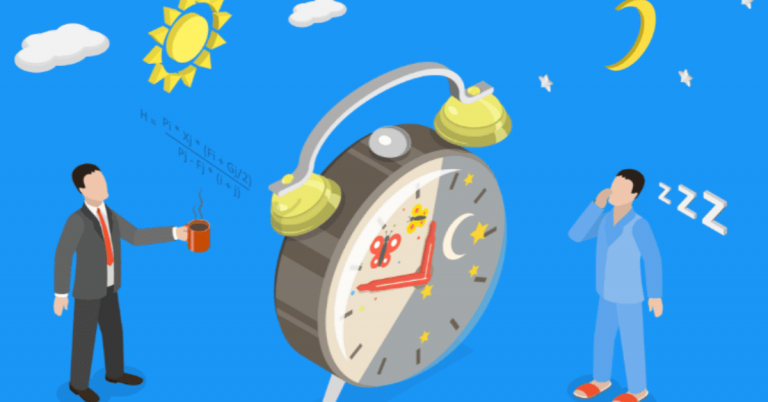
Sleep tips are easy to find, hard to keep. To improve sleep consistently, you need habits that survive busy nights. This guide focuses on timing, light, training, and feedback. You will use four tools with clear roles.
Each section tells you what to do and avoid. You will learn to recover after a rough night. Small steps beat big overhauls when motivation drops. Start with the smallest version and build.
Why Consistency Makes Sleep Easier
Sleep gets easier when your body expects the same schedule each week. A steady wake time anchors your rhythm and makes bedtime feel less random.

When wake time shifts, your brain stays alert longer at night. Consistency also lowers the urge to chase perfect routines. You are building predictability, not a flawless sleep score. Once timing is stable, every other sleep change works faster overall.
Make Wake Time The Anchor, Not Bedtime
Wake time controls when sleep pressure peaks later. If you wake late, meals and light exposure often drift later too. That delay keeps your system in daytime mode and pushes bedtime back.
If you wake on time, sleepiness returns on schedule. Even after a bad night, keep the wake anchor when you can. Choose a target you can hold most weekdays and adjust slowly, patiently.
Keep Weekends From Resetting Your Body Clock
Weekend catch-up can reset your clock without you noticing. Sleeping in two hours can delay bedtime and create Sunday night frustration. Then Monday feels rough, and the cycle repeats again.
If you need extra rest, go to bed earlier instead. A short early afternoon nap can help, but avoid late naps. Keep weekend wake time within about one hour of weekdays for stability often.
Track Only What Helps You Change Behavior
Start tracking only what helps you act. Write bedtime, wake time, and one short evening note in plain language today. Simple tracking reveals patterns without making sleep a performance.
After seven days, look for timing drift, late caffeine, or heavy screens. Pick one change and test it for a week at a time. This keeps you objective and reduces stress about nightly variation later overall.
Sleep As Android For A Stable Wake Routine
A wake anchor is the fastest way to stabilize sleep. Sleep as Android supports consistent wake time with scheduled alarms and routines.
Use it to protect one wake target you keep most days. Treat the alarm as a commitment, not a debate with snooze.
Get up, get light, and start the day at the same time. When wake time is stable, falling asleep takes less effort.
Set One Alarm You Can Actually Follow
Pick a wake time that fits your real obligations. Set one alarm and place the phone across the room. One alarm reduces decision fatigue because you stop bargaining in bed.
If you need backup, set one more alarm five minutes later. After you stand, open curtains or step into brighter light every morning. That light signal helps lock the routine in over time for you.
Recover After Late Nights Without Breaking The System
Late nights happen, so plan your recovery response. Return to your wake anchor the next morning instead of sleeping in. If you need relief, take an early short nap and protect bedtime.
Keep caffeine earlier so sleep pressure can build naturally by evening. Do not add extra rules to punish yourself after one slip. Consistency grows through recovery, not through perfect streaks over time.
Protect Weekends With One Clear Boundary
Weekends break routines unless you set one simple boundary. Keep wake time close to weekdays, ideally within one hour. A small weekend limit prevents Monday misery without killing your social life.
If you stay out late, keep the next morning simple and get daylight early. If you want more sleep, go to bed earlier rather than waking later. Over weeks, this rule stabilizes your entire cycle.
f.lux To Reduce Evening Screen Stimulation
Screens push sleep later, when you feel tired. f.lux warms your screen color in the evening to lower the bright light impact.

It does not replace habits, but it reduces a common trigger. Set it before you feel wired, not after you are overstimulated.
Use it while you finish tasks, then turn off screens on time. Pair it with a short wind-down, you can repeat nightly.
Set Your Screen Schedule Before You Feel Sleepy
Set f.lux to start warming in the early evening. Keep brightness lower and avoid high contrast content near bedtime. Gradual changes feel more natural than an extreme shift at the last minute.
If you work late, keep the warmer setting but narrow tasks to essentials. End with hygiene, stretching, or paper reading, not more scrolling. Your brain needs a predictable ramp down to sleep well.
Use A Late Screen Rule That Prevents Spirals
If you use screens late, use rules to prevent spirals. Keep late screen time short and specific by choosing one task and finishing it. Avoid feeds and news loops because they extend alertness.
If you want entertainment, choose audio with the screen off and dim. Keep the phone out of bed so you do not recheck it automatically. These boundaries protect sleep without a digital detox.
Sleepio For Structured Habit Change Over Time
When sleep has been inconsistent for months, tips may not be enough. Sleepio uses CBT-I methods to target habits and thoughts that block sleep.

It guides you through structures like sleep windows and stimulus control. The value is turning advice into a repeatable program.
Follow it for weeks, becausea long pattern change needs repetition. Used steadily, it makes nights less stressful and more predictable.
Use Stimulus Control To Rebuild Bed As A Sleep Cue
CBT I retrain how your brain connects bed with sleep. Stimulus control teaches your brain that bed is for sleep, not worry. You learn to avoid long periods of wakefulness in bed, which reinforce frustration.
You also learn how sleep pressure builds across the day. This reduces the urge to chase random hacks after one bad night. Over time, the method builds stable cues you can trust.
Stay Consistent By Focusing On Process
Programs fail when you treat each night like a test. Follow the steps, then review progress after a week. Process focus reduces performance anxiety and keeps you consistent.
Keep a simple log of wake time, bedtime, and one evening note daily. Change one variable at a time, like caffeine timing or screen cutoff. If stress rises, simplify and keep only the core steps for now.
Know When To Seek Professional Support
Tools support habits, but some symptoms need medical attention. Get help when insomnia persists and affects mood, safety, or work. Loud snoring, gasping, or choking can signal breathing problems during sleep.
Severe daytime sleepiness can also point to an underlying issue. If anxiety or depression is strong, address it alongside sleep changes promptly. A clinician can rule out causes and tailor a safer plan for you.
Oura Ring For Trend Based Feedback Without Guessing
Tracking helps when it reduces guessing and guides small changes. Oura Ring highlights long-term trends so you can see what is working.

The best use is learning, not judging yourself with nightly scores. Wearables work best when you change one variable at a time.
If data makes you anxious, use fewer metrics or check less often. Treat tracking as a mirror, not a referee for your sleep.
Prioritize Trends Over Daily Scores
Daily scores can swing from stress, food, travel, or workouts. Watch week-to-week patterns in bedtime, total sleep, and recovery instead. If your bedtime drifts later, the trend view will show it clearly.
If your wind-down helps, you should see steadier timing and duration. Use the data to pick one change, then retest for seven days. This prevents overreacting to a single rough night.
Set Data Rules So Tracking Stays Helpful
If you worry easily, set rules for data so it stays helpful. Check trends in the afternoon, not at bedtime or right after waking. Limit yourself to two metrics, such as timing and total sleep.
Ignore detailed staging if it makes you obsess over percentages. Pair tracking with one action, like a screen cutoff or earlier walk. If anxiety rises, pause tracking for a week while keeping habits.
A Seven-Day Plan To Combine All Four Tools
Use a seven-day build plan so tools stack without chaos. Days one and two protect wake time using Sleep as Android as your anchor. Days three and four add f.lux and a short wind-down.
Days five and six start Sleepio steps while keeping the same schedule. Day seven reviews Oura Ring trends and chooses one small adjustment. Repeat weekly until the routine feels stable and predictable.
Conclusion
You do not need perfect sleep, but you need a repeatable system. When timing is stable, the rest becomes easier. Improve sleep consistently by giving each tool one job and keeping boundaries simple.