Modern life moves fast, but your recovery still has to happen. In this guide, simple ways to improve rest and recovery start with choices you can repeat. When rest is thin, emotions spike and focus drops.
When recovery is steady, you handle stress with more patience. The steps below are realistic for busy schedules and tight evenings.
Each section includes one tool or resource that reduces friction right now. Start with one change and look for a calmer day tomorrow.

Create A Reliable Stop Time For Stimulation
Late stimulation keeps your brain in alert mode, even when you feel tired. Bright screens, fast videos, and heated messages raise arousal and delay sleepiness.

A reliable stop time gives your nervous system a clear boundary to downshift. You do not need a perfect bedtime for this to work well for most people. You need a rule that fits your actual evenings. Treat it as closing the day on purpose.
Choose A Stop Time You Can Keep For Seven Days
Pick a stop time for high stimulation and keep it consistent for seven days. After that time, avoid social feeds, intense debates, and work inbox scrolling. Lower your lights and volume to reduce sensory load.
Switch to simple tasks that feel finished, like washing dishes or prepping clothes. If you slip, restart the next night instead of extending the routine. This creates smoother sleep onset without extra effort.
Build A Low Stimulation Menu For Evenings
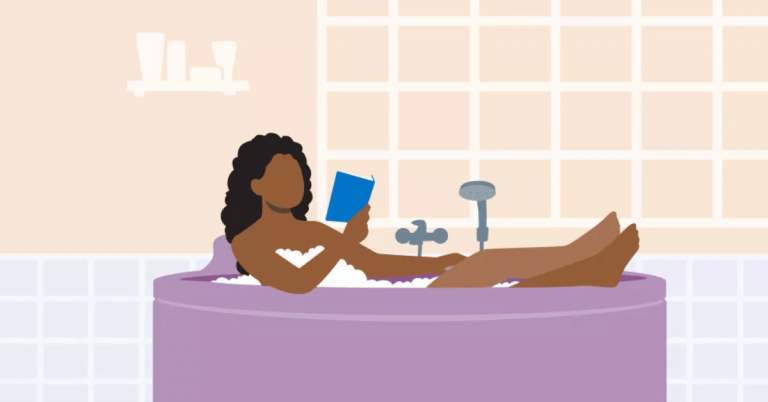
Create a low stimulation menu so you are not deciding when you are drained. Choose two options you enjoy, like a warm shower or a short puzzle. Add one option that does not involve a screen, such as reading a few pages.
Keep choices short so they end before you chase another activity. Avoid content that triggers urgency, comparison, or anger. The menu protects a gentler mental pace before bed.
Tool Spotlight: Jomo
Jomo is a digital wellbeing app that helps you hold your stop time. You can schedule blocks for specific apps during your wind down window. It shows how often you try to open those apps, which reveals impulse patterns.
Use that insight to remove one trigger app from your home screen. Keep the schedule simple and adjust weekly, not nightly. The goal is a clear evening boundary you can keep.
Improve Recovery With Daytime Light And Movement
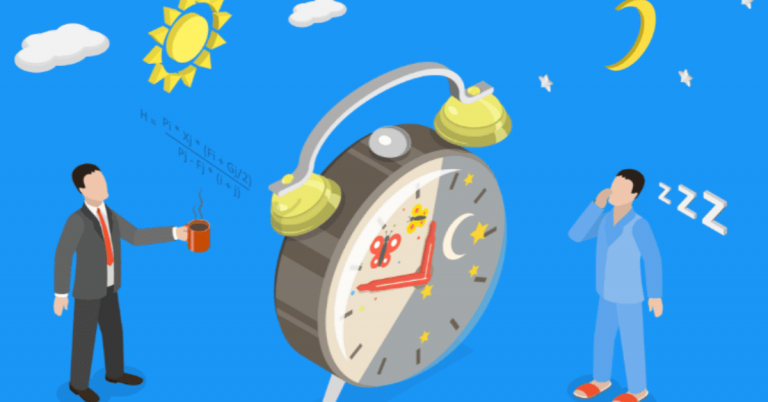
Rest and recovery start with daylight, not only with bedtime. If you stay indoors and still all day, your body clock can drift.

Light and movement strengthen sleep drive, which supports deeper recovery later. They also reduce the wired but tired feeling that fuels irritability.
You do not need intense exercise or long routines to benefit every week. You need a consistent daytime anchor that your schedule can repeat.
Get Morning Light Within The First Hour
Get outdoor light within the first hour after you wake up. Five to ten minutes is enough to send a strong wake signal. Keep your phone away so your eyes stay on the environment and distance.
If mornings are hectic, link it to one fixed task like watering plants. Repeat it daily to reduce evening restlessness and late snacking urges. This builds a predictable rhythm your mood can trust.
Add A Short Afternoon Walk To Unload Stress
Add one short walk in the afternoon to unload stress before it stacks. Aim for ten minutes at an easy pace you can repeat most days. If you cannot go outside, walk indoors while you breathe slowly.
Avoid turning the walk into a work call, because that keeps you activated. Notice tension in shoulders and jaw, then soften it on purpose. The walk becomes a simple recovery valve.
Tool Spotlight: Sun Seeker
Sun Seeker shows sunrise, sunset, and the sun position for your location. Use it to choose a realistic light window that fits your schedule. It helps on cloudy weeks by showing when light is strongest.
Set a reminder based on that window, then step away from the screen. The app is useful when it supports action, not perfection. It keeps you focused on timing that actually helps.
When Your Schedule Changes, Keep One Anchor
If your schedule shifts, use light as a tool rather than a strict rule. Target bright light after your main wake time for the next two days. When you need to sleep, dim lights and reduce screens earlier in the evening.
Keep movement gentle so your body calms down instead of ramping up. Choose one anchor you can repeat, even in a messy week. That anchor protects emotional steadiness.
Use Micro Rest Breaks To Prevent Burnout
Recovery improves when you stop stress from building all day. Micro rest breaks reduce tension, decision fatigue, and emotional sharpness.

They also make it easier to transition into real rest at night. Short breaks work best when you schedule them instead of waiting to crash.
Think of them as maintenance, not laziness, and keep them simple. You are creating small releases during the day that protect stamina better daily.
Try A Two Minute Reset When Patience Drops
Use a two minute reset when you feel your patience thinning. Stand up, drink water, and look far away to relax your eyes. Take five slow breaths and lengthen the exhale to lower arousal.
Write your next task in one line before you return to work. If you cannot stand, do the breaths and eye break seated, then stretch fingers. This prevents late day irritability from spilling into home time.
Follow A Work And Rest Rhythm You Can Repeat
Try a simple rhythm, like twenty five minutes of effort and five minutes of rest. During the rest window, avoid news, feeds, and intense conversations. Use the break for a stretch, a refill, or a quick tidy of one surface.
If your work is chaotic, shorten the cycle to fifteen and three. After a few cycles, take a longer break to eat or walk. This protects more emotional bandwidth.
Tool Spotlight: Focus Keeper
Focus Keeper is a timer app built around work and break intervals. Set your cycle once, then follow the prompts without negotiating. The main benefit is that it tells you to stop before fatigue forces you.
Use breaks for recovery actions, not more scrolling or quick errands. Track only whether you took the break when it rang, then reset. That consistency becomes rest you can feel by evening.
Build A Night Recovery Routine You Can Repeat
A night routine is a repeatable setup for recovery, not a long checklist. When your environment is unstable, sleep can fragment and rest feels thin.

Comfort signals like temperature, noise, and closure help you settle faster. You do not need expensive gear to improve these basics at home.
Start with one change and keep it for a full week, even on weekends. Consistency becomes your recovery signature your body recognizes.
Set Up Your Bedroom To Reduce Wake Ups
Set your bedroom to reduce wake ups and discomfort. Keep the room cool enough for light bedding and easy breathing. Cover bright LEDs and remove scratchy fabrics that irritate your skin. Keep water nearby so you do not fully wake up searching for it.
If noise wakes you, use a consistent sound source every night at low volume. These details support more uninterrupted rest and calmer mornings.
Use A Short Closure Routine Before Bed
Add a short closure routine to stop emotional loops before bed. Write one line about what went well, even if it was small. Write one line about what you will handle tomorrow, with a time.
Then do one calming activity for ten minutes, like reading on paper. Avoid planning arguments or rereading messages in bed, because it trains alertness. This creates a reliable sense of closure that reduces night worry.
Tool Spotlight: myNoise
myNoise provides adjustable soundscapes you can tune for your room. Pick one profile and keep it consistent so your brain recognizes the cue. Use the equalizer to mask sudden sound changes that trigger micro wake ups.
Set a timer so it fades out after you are asleep. If you wake up, restart the same profile and keep lights dim and warm. This supports stable sleep continuity without extra effort.
Reduce Morning Friction So Night Worry Has Less Fuel
Reduce morning friction so night worry has less to latch onto. Lay out clothes, pack what you need, and prep one easy breakfast option. Keep the prep under five minutes so it stays sustainable daily.
This lowers early decision load, which matters after a short night. It also removes the urge to problem solve while lying in bed. You gain more control over mornings without waking earlier.
Conclusion
Better rest comes from repeatable systems, not rare perfect nights. Use simple ways to improve rest and recovery by choosing one step and repeating it. Limit stimulation, get daylight and movement, and protect micro breaks.
Tools help when they lower friction, not when they add pressure. After a week, keep what works and adjust one detail at a time. You will feel more emotional resilience when recovery stays consistent.