
It’s surprising how our daily habits shape our entire sense of well-being. Some days, I wake up drifting through an odd fog, and maybe you know what I mean—the kind of mood you can’t blame on anything major. If you’ve ever wondered how a few changes to your regular schedule could brighten things up, you’re not alone.
This guide is for anyone hoping to feel a little lighter, more upbeat, and more in control of their everyday emotional state. I’ll share practical, science-backed tips for creating daily routines that support your emotional wellness . These are easy enough to start right away—even if life feels overwhelming.
Why Daily Habits Impact Emotional Well-Being
I think it’s easy to underestimate the subtle shifts that come from seemingly ordinary actions. Our brains crave routine and predictability, but also small rewards. When those align, mood usually follows.
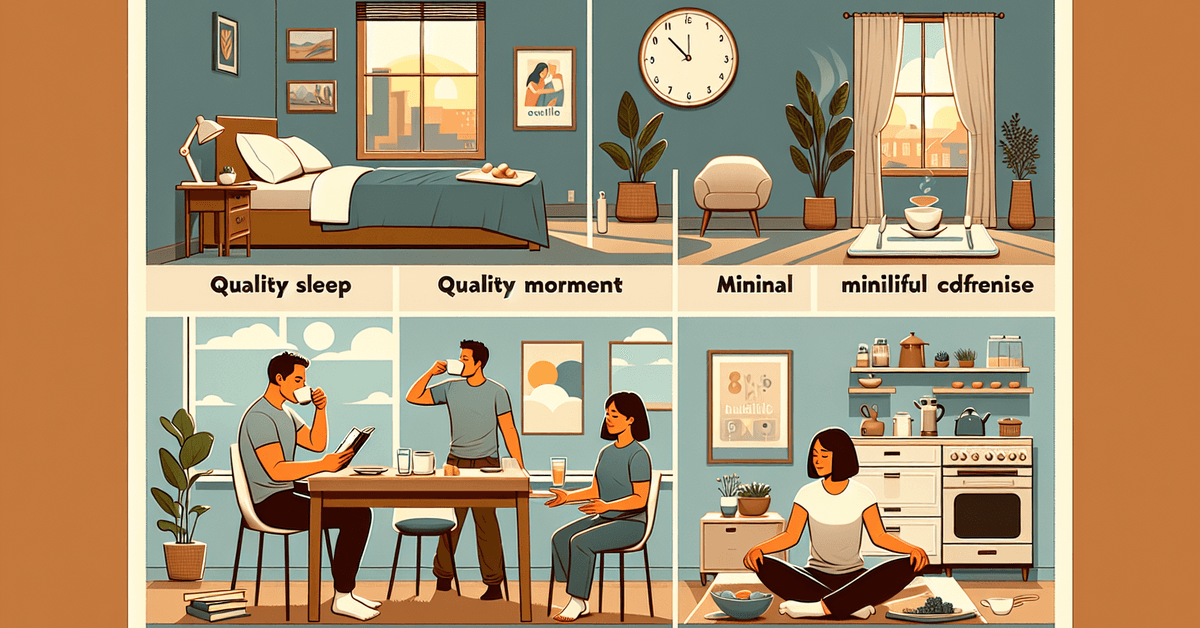
Maybe it’s not just what you do but how consistently you do it . Small habits—like getting outside, organizing your thoughts, or sticking to a healthy bedtime—create a stable foundation for resilient mood and mental clarity.
The Science Behind Daily Routines
Neuroscience shows that routines help reduce stress on the brain. They limit the number of choices we have to make, which in turn lightens emotional exhaustion. Just a few steady habits could actually give you more bandwidth for the things that matter.

Incremental Change vs. Overhauling Everything
Sometimes, the temptation is to revamp every area of our lives at once. Honestly, in my experience, adopting one or two new habits is more realistic—and much more effective over time.
Essential Daily Habits for Boosting Mood
These habits aren’t magic, but collectively, they add up. If you’re unsure where to begin, start with the ones that seem completely doable. Here are foundational routines for emotional wellness:
1. Prioritize Sleep Hygiene
- Create a consistent bedtime and wake-up time, even on weekends.
- Limit screens before bed. Blue light disrupts your natural rhythms.
- Try a simple wind-down ritual—like reading or stretches—to tell your mind it’s time to rest.
Quality sleep is a cornerstone of mental health. Poor sleep can quickly drag your mood down, sometimes within just a night or two. For more sleep tips, see our guide to healthy sleep habits .
2. Daily Movement (No Gym Membership Required)
- Even 10–15 minutes of walking can trigger mood-boosting endorphins.
- If you’re stuck indoors, dance to your favorite song or stretch out tight muscles.
- Regular movement helps regulate anxiety and boosts self-esteem.
You don’t need intense workouts to feel brighter; the key is simply to move your body each day.
3. Mindful Mornings: Start With Intention
- Tune in to your thoughts with a journal entry or quick breathing exercise.
- List three things you want to focus on—or feel grateful for—before diving into emails and news.
- Even one mindful minute can provide a reset, if you’re willing to try.
4. Nourish Your Body and Mind
- Stay hydrated and aim for balanced meals with fruits, veggies, and whole grains.
- Don’t skip meals. Steady energy is deeply linked to emotional resilience.
- If you notice sugar or caffeine spikes impacting your mood, experiment with alternatives.
There are plenty of resources online, like the ChooseMyPlate.gov guidelines, if you’d like more structure around nutrition.
5. Connection Over Isolation
- Reach out to a friend or family member, even if it’s a short message.
- If you work from home, look for digital communities or local meetups that share your interests.
- Helping someone else—a tiny favor—can actually lift your mood, too.
Organize for Mental Clarity
It’s not only about what’s on your schedule, but how you organize your mind and space. When my workspace is cluttered or I have a swirl of worries in my head, it inevitably affects my mood.
Declutter – Physically and Mentally
- Tidy one small area, like your desk, each morning.
- Try a quick “brain dump” by writing everything circulating in your mind onto paper.
You might not solve every problem, but simply naming your worries can free up mental space.
Plan for Little Joys
- Schedule short breaks through the day for something you enjoy, whether it’s a coffee ritual or five minutes with a pet.
- Plan a small reward after completing a hard task. These can be surprisingly motivating.
I tend to forget this one, but planning a few positives—even silly ones—gives me something to look forward to.
Building Emotional Routines
The way we react to our moods becomes a pattern of its own. Having pre-set routines for handling stress, sadness, or low energy isn’t “cheating”—it’s smart self-care.
Practice Mini-Meditations
- Guided five-minute sessions (YouTube or apps like Headspace can help) teach your brain to pause and reset.
- Slow deep breaths, especially when you’re frazzled, can do wonders.
I used to dismiss this, but now I rely on mini-meditations. It’s not instant magic, though over time there’s a noticeable difference.
Set Boundaries With News and Notifications
- Mute notifications from apps that drain your energy or spark anxiety.
- Limit when and how you check the news—a quick scan might suffice.
It’s not always practical or realistic to go “off grid.” But small boundaries around your attention can really buffer your mood.
Monitor Your Progress—But Don’t Obsess
Tracking new habits probably helps, but getting too rigid can backfire. I tend to jot down what worked (and what didn’t) in a small notebook. Some days feel like nearly nothing changed, but looking back, there’s often subtle progress.
If you like, try a simple table like the one below to spot trends or triggers over the week:
| Day | Sleep Hours | Movement | Mood (1–5) | Notes |
|---|---|---|---|---|
| Monday | 7.5 | Walk – yes | 4 | Felt hopeful |
| Tuesday | 6 | Skipped | 2 | Sluggish AM |
| … | … | … | … | … |
When to Seek Extra Support
Sometimes, a dip in mood is more persistent or disruptive than a few daily changes can solve. If you notice ongoing sadness, anxiety, or loss of interest, it may be time to talk with a counselor or mental health professional. There’s strength in reaching out for help.
Find trusted resources like the MentalHealth.gov site or local support services.
Conclusion: Start Small, Stay Kind to Yourself
Better mood isn’t one perfect morning or flawless routine—it’s the sum of consistent, compassionate choices most days. Sometimes I slip, sometimes I try again. That’s human. Maybe that’s what matters most.
Ready to feel better? Start with one new habit this week, and notice what changes. Check out our ideas for emotional routines if you’d like even more inspiration.