
Emotional clarity —it’s not a phrase you hear every day, but it’s one I think about a lot. When I talk to friends or read about emotional wellness, it keeps coming up. That muddled feeling?
The sense you’re upset but can’t quite say why? That’s exactly what emotional clarity helps with. So, if you’ve ever found yourself lost in your feelings, this guide is for you.
What Is Emotional Clarity and Why Does It Matter?
I suppose we all know what it feels like to be confused by our own emotions. Sometimes, I sit with a heavy feeling and I can’t find the source.
Emotional clarity is the skill of identifying, understanding, and expressing your emotions accurately. It’s fundamental for emotional health , and truthfully, for functional relationships, too.
Defining Emotional Clarity
At its core, emotional clarity means being able to name what you’re feeling and understand how that emotion is impacting your actions.
For instance, you might feel irritable, but is it anger, disappointment, or perhaps even shame? Being able to label it—however clumsily at first—is the first step.
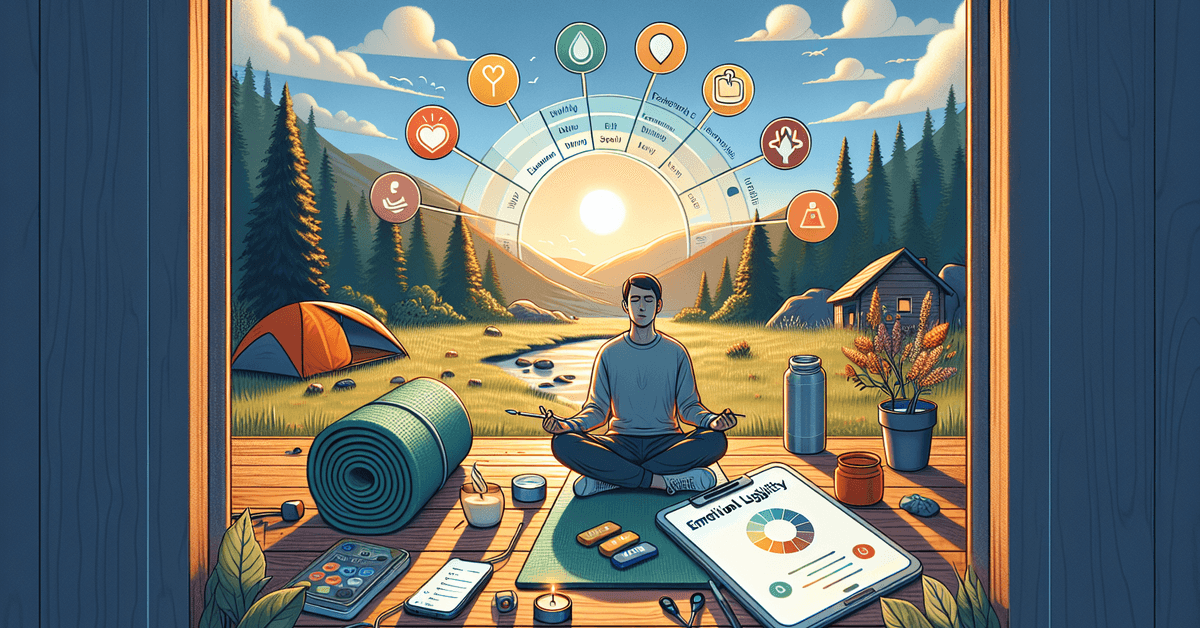
Why It’s Important
Without clarity, emotions can pile up, causing stress, misunderstandings, and poor choices.
From my experience, when I’m able to pause and identify what’s really going on inside, everything feels more manageable. Maybe not simple, but certainly more navigable.
Healthy Daily Habits That Boost Emotional Clarity
Habits shape our emotional world. To be honest, the more I care for my regular mental routines, the more steady my clarity becomes. Let’s break down a few habits that actually make a difference.

Mindful Journaling
Writing things down has always helped me. Even a few minutes a day can sharpen your awareness of patterns, triggers, and subtle mood shifts. Don’t worry about neatness—scattered notes count.
Scheduled Self-Check-Ins
Once or twice a day, pause and ask yourself: “What am I feeling right now?” Try describing it in a sentence or two.
The act alone can reveal surprises. Sometimes I realize I’m more anxious than I thought; other times, it’s relief, not anger.
Sleep and Emotional Clarity
This one comes up a lot when talking about self-care. Lack of sleep muddles emotions.
Good sleep hygiene—regular routines, dark cool rooms—can do wonders for emotional steadiness. I resist a strict bedtime, but I notice the difference when I’m consistent.
How to Organize Your Mind for Better Emotional Understanding
I find that my emotional clarity is highest when my life isn’t overly cluttered. The mental mess translates into emotional confusion. Organizing your mind doesn’t need to be rigid, but having some structure helps.
Declutter Your Mental Space
Try clearing mental space each morning—maybe through meditation, or simply by listing your top priorities. Focusing on what matters most reduces noise that can cloud emotional awareness.
Visualizing Your Emotions
Sometimes, I picture my emotions as shapes or colors. This technique, called using an emotion wheel, makes things more concrete. Even if it feels odd at first, it’s surprisingly effective for teasing apart complex feelings.
Setting Mini-Boundaries
Boundaries aren’t just about saying “no” to others—they’re also about protecting your own energy and headspace. Scheduling digital breaks or turning off notifications can free mental bandwidth for more honest self-reflection.
Self-Care Techniques for Emotional Insight
We hear about self-care so frequently, but for emotional clarity, it has practical significance. No need for anything extravagant. Sometimes, the basics are enough—I’m talking baths, walks, even a mindful cup of tea.
Breathing Exercises
Simple, slow breathing helps to ground you in the present moment. When I focus on my breath—even just for one minute—I notice emotional “static” fades, and individual feelings step forward.
Physical Activity
Any movement works: stretching, dancing, or a brisk walk. Physical activity gets your blood moving and can untangle stuck feelings. It doesn’t always happen instantly—but usually, I return with a clearer head.
Nature Breaks
If possible, spend some time outside. Green spaces, fresh air, even a glimpse of the sky can help with emotional reset. It doesn’t cure everything, but the slight shift in scenery opens new perspectives.
Routines for Sustainable Emotional Wellness
Let’s face it—one-off efforts rarely work long term. My emotional clarity is strongest when I build small routines into daily life. This definitely took trial and error, but the benefits are clear.
Morning Emotional Check
Before starting your day, ask, “How am I feeling?” This can be verbal, written, or even a short mental inventory. It’s not always easy, but the consistency matters more than perfection.
Evening Reflection Summary
Take a minute at night to name an emotion you felt most strongly that day. Consider what caused it and how you responded. Over time, patterns emerge—the honest kind, not always the ones we expect.
Digital Detox Moments
Emotional clarity gets blurry when I spend too long scrolling social media. Scheduling tiny breaks away from screens helps you reconnect with your authentic emotional state.
Common Obstacles to Emotional Clarity (and How to Overcome Them)
We all run into hurdles. There’s no shame in struggling. Here are a few common blocks I’ve noticed—along with ideas for moving past them.
- Overthinking: When you analyze feelings to death, clarity gets lost. Brief check-ins work better than endless rumination.
- Emotional Avoidance: It’s tempting to push feelings away, especially the uncomfortable ones. Small, regular engagement helps build tolerance over time.
- Chronic Stress: High stress drowns out subtle emotions. Self-care, boundaries, and seeking support all help lower the “noise floor.”
- Lack of Sleep: Exhaustion ruins emotional insight. Prioritizing rest, even in small increments, gradually makes a difference.
Recommended Visual Tools for Emotional Clarity
Visual cues offer concrete support. If you process information best visually, try these:
- Emotion Tracking Apps: Tools like Daylio or Mood Meter help log and recognize patterns.
- Emotion Wheels: Print or save an emotion wheel for daily check-ins.
- Printable Trackers: Consider using a mood chart to spot trends over weeks.
Suggested Internal Links and Topic Clusters
- Emotional Routines for Better Stress Management
- Healthy Sleep Habits and Emotional Wellness
- Mindfulness: Benefits & Incorporation into Daily Life
Conclusion: Start Your Journey to Emotional Clarity Today
Gaining emotional clarity is a process—it won’t happen overnight. But with a few honest habits, a little patience, and some openness, I think anyone can get there. The benefits ripple out: less stress, deeper relationships, and even a sense of steadiness, no matter what life brings.
Ready to begin? Try one check-in, or start a journal entry after reading this. And if you’re interested in other emotional wellness topics, explore our emotional routines guide for more actionable tips.