
Emotional recovery is the process of returning to steadiness after stress, loss, conflict, or burnout. If you are searching for how to support emotional recovery, you are already taking a practical first step.
Recovery does not mean you never feel upset again. It means you build skills and routines that help you bounce back faster.
This guide explains recovery in clear stages you can follow. You will learn stabilizing habits, healthy processing tools, and rebuilding steps. You will also learn how to protect progress over time.

What Emotional Recovery Means and What It Is Not
Emotional recovery is not a single breakthrough or a quick fix. It is a set of daily choices that help you feel safer, clearer, and more capable again.
You may still have hard moments, even when you are improving. That is normal and does not mean you are failing.
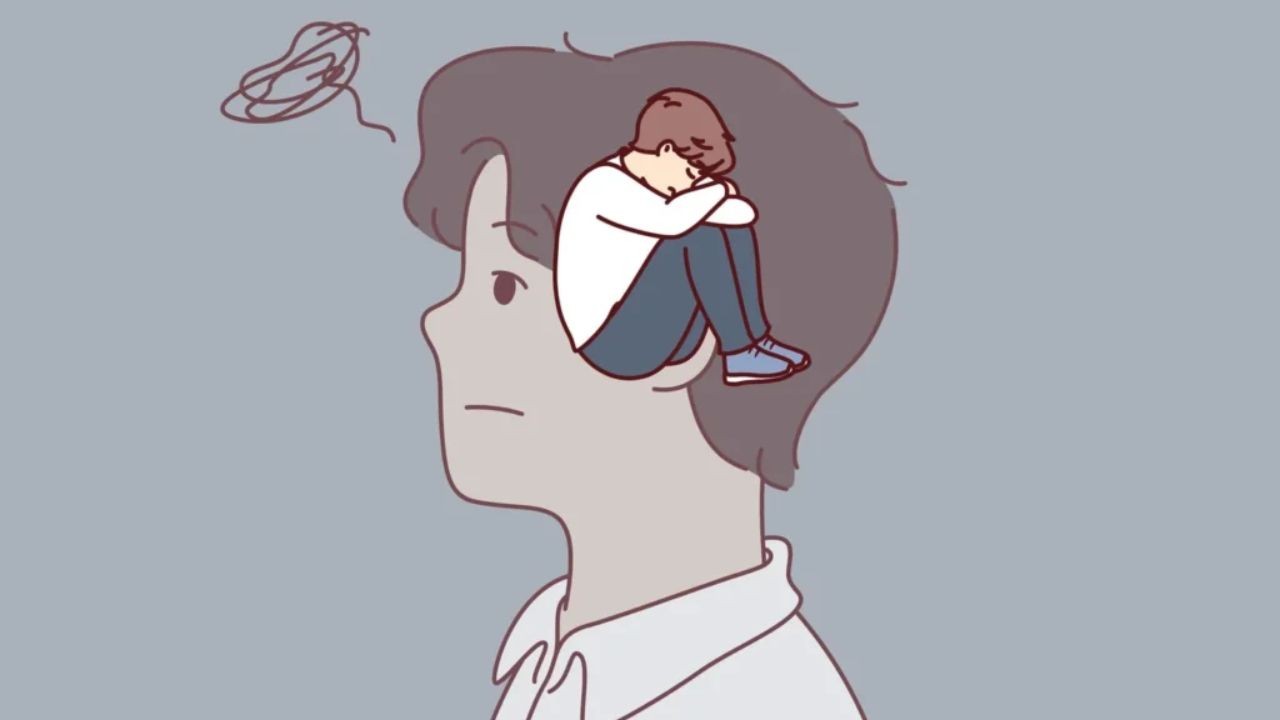
The goal is steadier baseline emotions and better coping when life feels heavy. This section clarifies what emotional recovery means so you can move forward with less pressure.
Emotional Recovery vs Avoidance
Avoidance looks like recovery at first because it lowers discomfort quickly. Over time, avoidance makes feelings stronger because they never get processed. Emotional recovery includes facing reality in manageable doses, not forcing yourself into pain.
A helpful test is whether your actions expand your life or shrink it. Recovery builds flexibility, so you can do normal tasks without dread.
The key difference in emotional recovery vs avoidance is whether you are growing your capacity or shrinking your world.
Why You Can Feel Better and Still Have Hard Days
Hard days can show up even after you make progress. Your body can react to reminders, stress, or fatigue without warning.
Recovery means those hard days become less intense and less frequent over time. It also means you recover faster instead of spiraling for days.
Expect some emotional waves and plan for them calmly. Learning to handle hard days in recovery helps you stay steady and keep building resilience.
Stabilize Your Nervous System and Daily Routine
Stabilizing comes first because your mind cannot process well when your body feels unsafe. Simple routines create predictability, which lowers emotional volatility.

You do not need a perfect schedule, only a few anchors you repeat daily. Think of stability as creating enough calm to make good decisions.
When basics are shaky, emotions can feel bigger than they are. This is why stabilizing your nervous system is the foundation of emotional recovery for most people.
The Basics: Sleep, Food, Movement, Hydration
Your body needs steady inputs to support steadier emotions. Aim for consistent sleep and wake times that fit your life. Eat regular meals with protein and fiber to reduce mood swings from crashes.
Add light movement, like walking, stretching, or gentle strength work, most days. Hydrate earlier in the day so you are not relying on late drinks.
These basics do not solve everything, but sleep, food, movement, and hydration make recovery easier to sustain.
A Daily Anchor Routine That Keeps You Grounded
An anchor routine is a short set of actions you do even on tough days. Choose 3 steps you can finish in 10 minutes or less.
Examples include washing your face, making your bed, and writing one priority. Anchors create a sense of control when emotions feel messy.
They also prevent the day from sliding into chaos. When you keep a daily anchor routine, you protect dignity and self-trust during recovery.
Reduce Triggers Without Hiding From Life
Some triggers are avoidable, and some are part of normal life. Start by reducing what you can control, like intense media, toxic conversations, or alcohol during hard weeks. Then practice gentle exposure to what you cannot avoid, in small steps.
Use a plan, like short visits, time limits, or a supportive person nearby. This approach builds confidence without overwhelming your system. The goal is to reduce triggers safely while still living your life.
Process Emotions in a Healthy, Manageable Way
Processing is the middle stage where you understand what you feel and why it matters. Many people confuse processing with overthinking, but they are different.

Processing has structure and an endpoint, while rumination loops without relief. You are aiming for clarity, not constant analysis.
Healthy processing helps you learn needs, boundaries, and lessons from your experience. When done gently, processing emotions reduces pressure and builds inner stability.
Name the Feeling and the Need
A clear label reduces confusion and lowers intensity. Try naming the feeling with one word, like sad, angry, ashamed, or worried. Then name the need under it, like rest, reassurance, fairness, or support.
This keeps you from reacting blindly and helps you choose a useful response. If you are unsure, start with “I feel tense” and go from there. Practicing name the feeling and the need turns chaos into information and supports calmer decisions.
Journaling Prompts That Create Clarity
Journaling works best when it is focused and time limited. Use prompts like “What happened,” “What did I assume,” and “What do I know for sure.” Add “What is one small next step I can take” to avoid getting stuck.
Keep the session to 10 minutes so it feels safe and practical. End by writing one kind sentence to yourself. Using journaling prompts that create clarity helps release mental load without dragging you deeper into worry.
Self-Compassion Skills That Lower Shame
Shame slows recovery because it convinces you that you are broken or behind. Self-compassion is a skill, not a personality trait.
Start by speaking to yourself the way you would speak to a friend in the same situation. Replace harsh labels with specific observations, like “I am struggling today,” not “I am a failure.”
Add a repair action, like apologizing, resting, or asking for help. Practicing self-compassion skills lowers shame, restores self-respect, and keeps you moving forward.
Rebuild: Habits, Boundaries, and Meaning
Rebuilding is about regaining strength, confidence, and direction. This stage is not about becoming a new person overnight.

It is about creating patterns that protect your energy and make life feel workable again. Rebuilding includes healthier routines, clearer boundaries, and a sense of purpose.
It also includes mental organization, so your mind feels less crowded. Focusing on rebuilding habits and boundaries helps you move from surviving to living again.
Boundaries That Reduce Emotional Drain
Boundaries protect recovery by reducing emotional leakage. Start with simple limits, like shorter calls, fewer late replies, or time away from draining topics. Use calm language and repeat your boundary without long explanations.
If someone argues, remember that your boundary is not a debate. Pair boundaries with a plan for what you will do instead, like a walk or a supportive chat. Strong, healthy boundaries reduce resentment and create room for healing.
Healthy Habits That Restore Confidence
Confidence returns when your actions match your values again. Choose habits that are small enough to repeat daily, like a 15-minute walk or a simple breakfast.
Track consistency, not intensity, because intensity can backfire. Add one habit that supports joy, like music, cooking, or creative time.
Recovery improves when you feel capable in normal life, not only in crises. Repeating healthy habits that restore confidence rebuilds self-trust through gentle progress.
Mental Organization: Plans, Lists, and Small Wins
Mental organization reduces overwhelm by turning vague worries into clear steps. Use a daily list with three priorities and three optional tasks. Keep tasks specific, like “send the email,” not “fix everything.”
Make one small win early in the day to build momentum. Review your list in the evening and move unfinished items forward without guilt. Practicing mental organization helps your mind avoid carrying everything overnight and supports a calmer recovery.
Maintain and Grow: Protecting Progress Over Time
Maintenance matters because life will keep changing, even after you feel better. The goal is not to avoid every dip, but to respond earlier and recover faster.

Long-term recovery includes noticing warning signs and returning to basics quickly. It also includes support, because recovery is easier with safe people around you.
You are building a lifestyle that protects emotional health, not a temporary fix. Learning to maintain emotional recovery helps your progress hold up under pressure.
Early Warning Signs and What to Do
Warning signs are small changes that show you need extra care. Examples include irritability, constant fatigue, isolating, or losing interest in normal activities. When you notice signs, reduce load and return to basics for 48 hours.
Sleep, regular meals, light movement, and fewer commitments can stabilize you quickly. Add one supportive conversation or check in with a trusted person. Responding to early warning signs prevents small dips from becoming longer setbacks.
A Weekly Reset Routine
A weekly reset keeps life organized and lowers emotional noise. Choose one day to review your calendar and your top responsibilities. Clean up one small space and prepare what you need for the next few days.
Check your sleep schedule and adjust bedtime gradually if it drifted. Plan one restorative activity that is not screen-based. Keeping a weekly reset routine makes your week feel guided instead of chaotic and supports steady progress.
When to Seek Professional Help
Sometimes habits are not enough, and that is not a personal failure. If anxiety, sadness, or stress disrupts school, work, or relationships for weeks, consider professional support.
A therapist, counselor, or doctor can help you build targeted strategies and rule out health factors.
If you feel unsafe or overwhelmed, seek immediate help from a trusted adult or local emergency services. Support can speed recovery and reduce suffering. Getting professional help is a strong, practical choice, not a last resort.
Conclusion
Emotional recovery becomes easier when you follow a clear path. Start by stabilizing your body and daily anchors. Then process feelings with structure instead of rumination. Rebuild with boundaries, small habits, and mental organization.
Maintain progress with weekly resets and early warning awareness. If you need it, support from others can strengthen your ability to support emotional recovery over time.