Life feels easier when routines support emotions, not stress. Healthy habits that fit real life begin with actions you repeat. You do not need a makeover to feel steadier. This guide shares five habits for home, work, mind, body, and connection.
Each habit includes one tool that reduces friction. You get steps and pitfalls. Run one habit for seven days, then add another. That pace protects steady progress when life feels loud.
Home, Prep One Friction Saver
Home habits fail when mornings start with scrambling and surprises. A five minute prep reduces decisions waiting for you.

Choose one friction saver that fits your evening, not an ideal plan. Tie it to a cue like plugging in your phone. This protects your first hour from rushed emotions and mistakes. Keep it small so you repeat it on tired nights without bargaining with yourself.
Build An Exit Zone That Works Daily
Set an exit zone near your main door and keep it consistent. Drop keys, wallet, and earbuds into one tray, then stop. Add one item that prevents stress, like a packed charger. Prep one default breakfast option that takes under two minutes.
The goal is fewer micro surprises that trigger impatience early. If the zone gets messy, reset it once and return to the rule.
Keep It Small So It Stays Repeatable
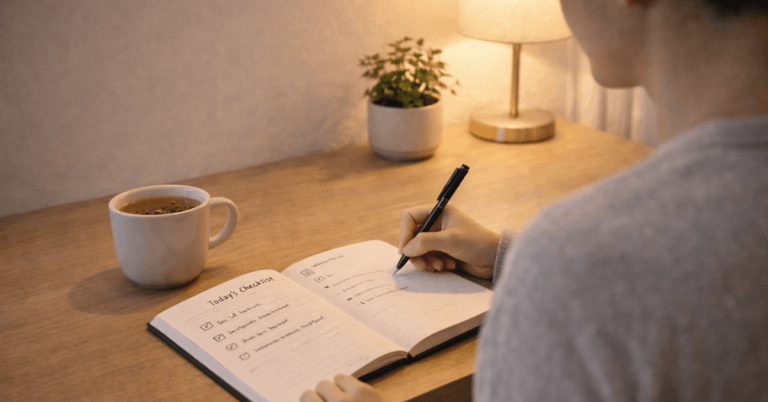
Keep the routine on one surface so it stays realistic. Write a short checklist and tape it where you will see it. If you feel resistance, do only the first item and still count it. That ties success to showing up, not perfection.
Over a week, you build automatic follow through with less effort. After seven days, add one item if the core step holds.
Tool Spotlight: AnyList
AnyList helps by turning your prep into a recurring checklist. Create one list named Five Minute Setup with three to five items. Set it to repeat nightly and keep reminders simple. Check items fast and close the app so it does not feel heavy.
The real benefit is less memory load when your brain is tired. Review weekly and delete anything you skip without shame.
Work, Start Clean To Protect Attention
Work stress grows when your day starts reactive and stays fragmented. A start clean routine reduces tension before the first message.

You are not chasing productivity, you are protecting emotional bandwidth. Pick steps that fit your space, whether it is a desk or counter.
This creates a calmer entry into work so you can focus sooner. Keep the routine under two minutes so you repeat it.
Use A One Minute Start Clean Routine
Before opening email, clear one surface and close extra tabs. Put your phone out of reach for the first block. Write three priorities and circle the one you can finish first. Start a thirty minute focus sprint before you check messages again.
That builds early momentum and lowers the urge to switch tasks. If an urgent issue appears, handle it, then return to the list.
Add A Midday Reset So You Do Not Burn Out
Add a mid day reset so stress does not pile up unnoticed. Stand, drink water, and choose one task to finish next. Move low value meetings instead of squeezing them into fatigue. Batch communication into two windows to reduce small interruptions.
This keeps reactivity lower because your brain is not always switching. End the day by picking tomorrow’s first task and leave with closure clean.
Tool Spotlight: Microsoft To Do
Microsoft To Do supports start clean habits with a simple daily list. Use My Day to reset each morning and skip old clutter. Keep three key tasks at the top and park the rest under Later. Set reminders only for real deadlines.
The best feature is quick capture so worries stop looping in your head. At week’s end, archive wins and delete tasks that were not essential.
Mind, Name Your Mood Before You React
Emotional energy drops when feelings stay vague and unnamed. A labeling habit makes emotions easier to manage in real time.

You do not need long journaling, you need an accurate word quickly. When you can name the feeling, you can choose a response.
This builds practical self awareness that supports better decisions daily. Use it at set moments like before lunch and after hard conversations.
Use One Word Labels For Faster Clarity
Start with one word, then add a second word if it fits. Say “tense” and “uncertain” instead of “bad” or “fine.” Rate intensity from one to five and treat it as neutral data. Notice one body signal, like tight jaw or shallow breathing.
That creates a usable pause before you speak, scroll, or eat fast. Finish by choosing one support, like water, sunlight, or a short walk.
Turn Patterns Into Small Safeguards
Keep the habit gentle by limiting it to sixty seconds. If you cannot name the emotion, describe the situation in one sentence. Then choose from a short list like anger, fear, sadness, or joy.
Over time, you will spot triggers such as hunger, criticism, or isolation. Those patterns help you add earlier safeguards before your mood slides. Share one label with a trusted person when support helps.
Tool Spotlight: How We Feel
How We Feel is built for quick emotion labeling with clear examples. Open it, pick a feeling, and read the definition in seconds. Add a one line note about what happened, then close it.
The trend view links mood shifts to sleep, food, and boundaries. That creates useful pattern feedback without turning tracking into pressure. Use the insight to test one change next week, not five today.
Body, Move In Tiny Batches
Your body restores emotional balance when you move in small doses. Big workouts help, but they are not required for real life routines.

Movement snacks reduce tension and improve sleep quality later. They also interrupt stress loops that build when you sit for hours.
This habit supports steady recovery because it is easy to repeat. Choose moments you already have, like waiting for coffee or a call.
Use Movement Snacks Across The Day
Borrow three moments: morning, mid day, and early evening. In the morning, do two minutes of mobility for hips and shoulders. At mid day, take a brisk five minute walk or climb stairs.
In early evening, do squats and wall push ups for one minute. These snacks create a smoother energy curve and reduce late irritability. If you miss one moment, do the next and keep moving.
Keep Effort Low Enough To Repeat Tomorrow
Keep safe by staying within an effort you can repeat tomorrow. If you feel pain, stop and adjust instead of pushing through for pride. Pair movement with a cue, such as standing when a meeting ends.
Track completion only, not calories, so it stays emotionally neutral. That prevents all or nothing thinking that makes routines collapse fast. After a week, add time if recovery still feels good.
Tool Spotlight: Nike Training Club
Nike Training Club offers short sessions that fit busy days. Pick ten to fifteen minute workouts labeled beginner or mobility. Download a few sessions so you do not browse when tired.
Schedule two fixed days each week and keep the plan simple. The app helps by removing planning friction and showing clear form cues. Stop when it ends and return to life without stacking extra goals.
Social, Make One Low Pressure Connection
Social habits shape emotional energy because connection lowers stress load. When you feel isolated, small problems feel heavier and harder to solve.

A low pressure check in keeps relationships warm without long talks. It should be easy on busy days and awkward days.
This creates micro support that makes recovery and self care easier. Choose one person, one channel, and one short format to reduce hesitation.
Use A Two Minute Check In Script
Use a two minute message with one detail and one question. Say what you are doing, then ask how their day is going. Avoid advice unless they ask, because fixing can feel like pressure.
If you are stressed, say it in one sentence and stay brief. That builds trust through repetition and prevents long silences. If you miss a day, restart with hello and no explanation.
Tool Spotlight: Voxer
Voxer supports this habit because voice messages feel personal and fast. Send a short note while walking or cleaning so it fits real life. Keep messages under thirty seconds so it stays light and repeatable.
Turn off extra notifications so the app does not add stress. The benefit is easy connection without scheduling when days change quickly. Save key contacts as favorites so you can reach out fast.
Conclusion
Healthy routines stick when they match your schedule and energy. Try one habit for a week, then keep what feels stable. Healthy habits that fit real life reduce decisions instead of adding tasks.
A check in keeps support close without effort. You build a calmer baseline that makes emotions easier to manage.