
When your day runs on deadlines, healthy habits for busy schedules start to feel unrealistic, even if you care about your health. You eat what is closest, you sit longer than you planned, and you keep pushing because stopping feels like falling behind.
At night, you scroll to decompress, then sleep later and wake tired again. That loop is common, especially when you are new to building habits.
In this guide/article, you will learn simple systems that fit a busy week and still work when plans change. This keeps progress realistic and steady.

Why Busy Schedules Break Healthy Plans
Busy schedules break healthy plans because your brain chooses speed and comfort when time feels scarce. You make hundreds of small decisions daily, and each one uses attention and energy.
When you are overloaded, you default to what is fast, familiar, and easy to reach. Stress also pushes you toward quick dopamine, not long-term health. Once you see the pattern, you can design systems that prevent it.

The Hidden Time Tax of Poor Sleep and Skipped Meals
Poor sleep is not just a health issue; it is a time issue that makes your day slower. You lose focus, reread things, and take longer to finish simple tasks. Skipping meals adds another cost because hunger increases irritability and weakens planning.
You then spend extra time and money chasing quick fixes like sugary snacks. Protecting sleep and steady meals is a productivity strategy that supports health.
Stress Loops and Why Your Willpower Runs Out
Stress creates a loop where you push hard, feel drained, and then seek the easiest relief. You may intend to work out or cook, but your body wants recovery, not effort.
That is why willpower feels strong early and weak later, especially on long workdays. Over time, stress also disrupts hunger and sleep cues, making cravings louder. Small recovery habits during the day reduce stress, so your choices stay more stable.
What Being Too Busy Looks Like in Your Body and Brain
When you are too busy, your body usually signals it before your calendar does. You feel wired at night, tired in the morning, and hungry at odd times. Small aches linger because you are not moving enough or sleeping enough.
Mood shifts faster, and you may overreact to small problems. These signs are early warnings that your system needs support, not more pressure.
The Minimum Effective Habits That Actually Move the Needle
You do not need perfect habits to get results, especially if you are starting from a busy baseline.

The goal is a minimum effective habit, meaning the smallest action you can repeat consistently. Small wins build confidence and reduce resistance because they fit real schedules.
When time is tight, consistency matters more than intensity. Choose habits that protect movement, food quality, hydration, and sleep without demanding long blocks.
The 10-Minute Movement Rule
A 10-minute movement rule is simple enough to survive a packed day. You choose 10 minutes of walking, stairs, bodyweight moves, or a short routine at home.
The goal is not to max out, it is to show up and keep the habit alive. If you feel good, you can do more, but it is never required.
This keeps momentum steady and prevents the all-week collapse that happens when you aim too high.
Protein, Fiber, and Water as Your Default Trio
When you are busy, food needs to be simple, filling, and easy to repeat. Build meals around protein and fiber, then pair them with water to reduce fatigue and false hunger.
This could be eggs and fruit, yogurt and oats, chicken and vegetables, or beans and salad. When you start with this trio, you snack less and crash less. It also reduces decision fatigue because you always know what a solid meal looks like.
The 2-Step Night Routine That Protects Sleep
Sleep supports every other habit, so protect it with a small routine you can repeat. Step 1 is a caffeine cutoff at least 8 hours before bed, which protects sleep depth. Step 2 is a 10-minute wind-down with dim light and a simple plan for tomorrow.
This reduces late scrolling and racing thoughts that keep you awake. You will still have late nights sometimes, but the routine raises your odds of a better reset.
Habit Stacking for People Who Have No Extra Time
Habit stacking works because it uses triggers that already exist in your day. Instead of relying on motivation, you attach a new habit to a routine you never skip.

That reduces planning, which is important when your brain is tired. Start with 1 stack and keep it small so it feels easy.
After it sticks, add another stack without making your schedule heavier. This is how habits become automatic, not exhausting.
Morning Stack: Wake, Water, Light, Move
Morning is a strong place to build habits because your day has not derailed yet. After you wake up, drink water, then get 2 minutes of daylight at a window or outside. Next, do 2 minutes of easy movement like squats, shoulder rolls, or a short walk.
This is not about intensity; it is about waking your body and brain. A simple morning stack improves energy and makes healthy choices easier later.
Workday Stack: Meetings, Breaks, and Micro-Recovery
Workdays get unhealthy when you treat breaks as optional, so tie them to events you cannot avoid. After a meeting, stand up, take 10 slow breaths, and walk for 2 minutes.
This lowers stress, improves circulation, and reduces stiffness from sitting. It also helps your focus, so tasks take less time. When your breaks are linked to meetings, they happen even on busy days.
Evening Stack: Dinner, Screens, Wind-Down
Evening habits matter because they set up tomorrow’s energy and choices. After dinner, do a 10-minute reset, like packing your bag, prepping water, or cleaning one small area.
Then charge your phone away from your bed so late scrolling becomes less automatic. Finish with 5 minutes of light stretching or calm reading.
This routine reduces chaos and improves sleep quality. When evenings are cleaner, mornings feel easier and less rushed.
Your Weekly Plan in 30 Minutes
Daily discipline is hard when your schedule changes, so you need a weekly plan that reduces decisions.

A 30-minute planning block creates defaults for food and movement before the week gets busy. Defaults matter because they prevent last-minute choices that usually push you toward takeout and skipping exercise.
This planning is not rigid; it is a backup plan for chaotic days. When you plan once, you can execute with less effort all week.
The Default Week Menu That Saves Time and Improves Choices
A default menu stops you from reinventing meals when you are tired. Pick 3 breakfasts, 3 lunches, and 3 dinners you can repeat without thinking. Include at least 1 no-cook option and 1 freezer option for nights that run late.
When food is predictable, grocery shopping is faster, and decision fatigue drops. This makes it easier to stay consistent even when you do not feel motivated.
Calendar Blocking and Simple Reminders That Keep You Consistent
If movement is not scheduled, busy days erase it first, even if you value it. Block 3 short sessions per week, then place them near anchors like lunch or your commute.
If one gets cancelled, reschedule it within 24 hours so the week does not slip away. Add 2 reminders, such as a hydration cue at noon and a wind-down cue at night. This keeps habits visible without turning your day into a checklist.
Setbacks, Travel, and High-Stress Weeks
Even good systems face weeks where work runs late, travel happens, or family needs spike.
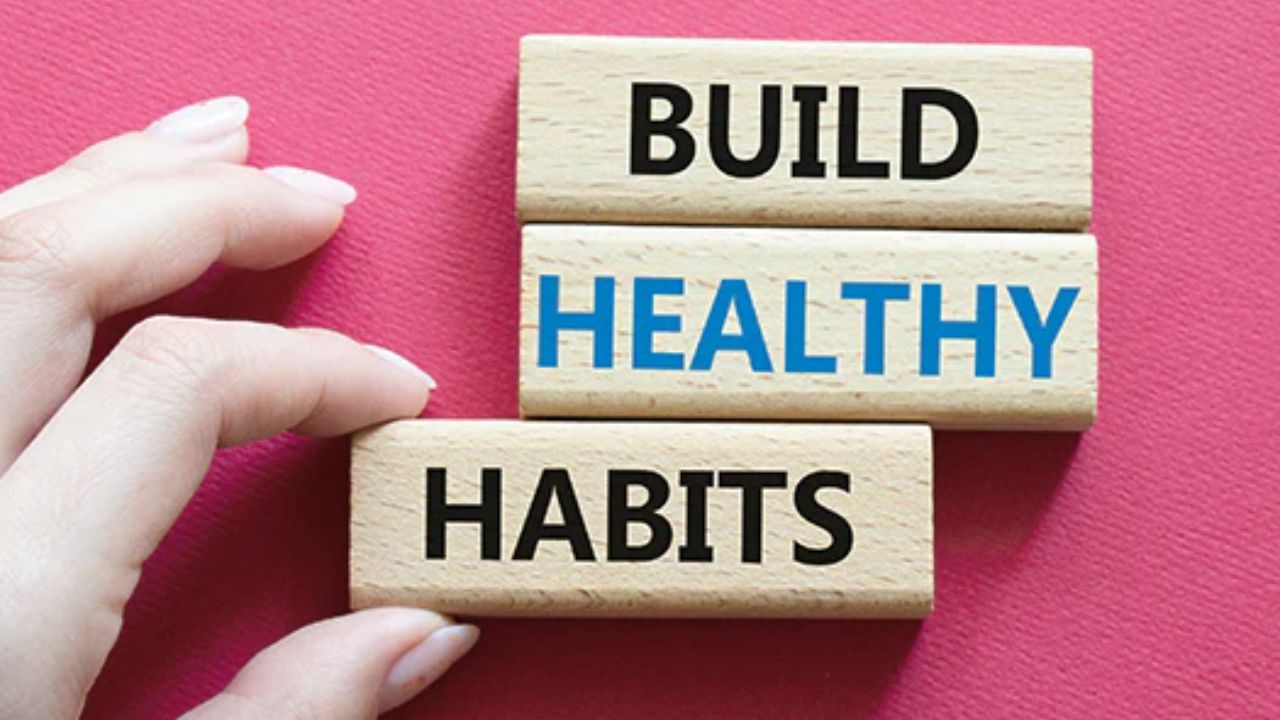
The goal is not perfection; it is a system that bends without breaking. When you expect disruptions, you stop treating them as failures and recover faster.
Fast recovery is what creates long-term progress, not flawless weeks. Build simple rules that help you restart without guilt or overcorrection.
The 2-Day Rule to Prevent Backsliding
The 2-day rule means you do not miss a key habit for 2 days in a row. If you skip movement today, you do 10 minutes tomorrow, even if it is not ideal. If you eat poorly tonight, you return to your default breakfast in the morning.
This stops small slips from becoming your new baseline. It also protects confidence, which is the fuel you need when life gets busy.
Fast Resets and Progress Tracking That Do Not Create Pressure
After missed sleep or heavy meals, avoid extreme fixes that make you crash again. Reset with water, a protein-forward meal, and a short walk to stabilize energy. Keep caffeine earlier in the day so you do not steal sleep from the next night.
Track actions you control, like your 10-minute movement, your meal basics, and your bedtime window. Aim for 70 percent consistency, because that is realistic and still powerful.
Conclusion
You do not need more free time to improve your health; you need better defaults that match real life. When you build small systems, healthy habits for busy schedules become automatic instead of stressful.
Start with 1 minimum habit, stack it to a routine you already do, and plan your week in 30 minutes. Expect setbacks, use the 2-day rule, and reset fast without guilt. If you begin today, you can feel more energy and control within the next 7 days.