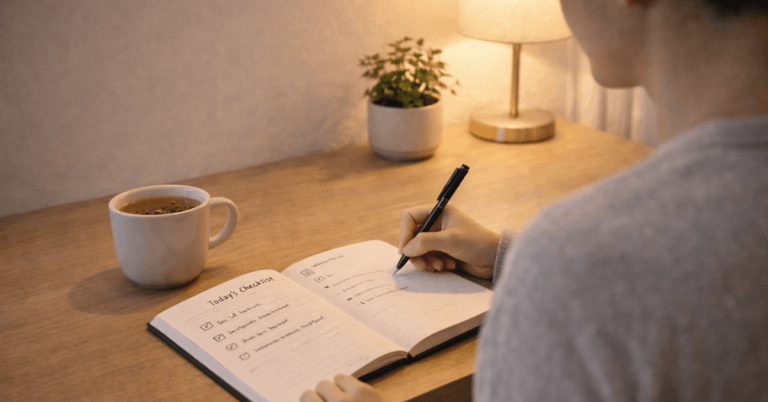
Emotional balance can sometimes feel out of reach, especially when life gets hectic or overwhelming. But over time, I’ve found that healthy daily routines really make a difference. Building good habits helps me create a sense of predictability and control—two things my emotions seem to crave.
This article is for anyone seeking practical ways to ground their emotional health, whether that means incorporating self-care, mental organization, or just making time for a restful night’s sleep. If you’re reading because you want more stability and positivity each day, you’re in the right place.
Why Daily Routines Matter for Emotional Balance
It’s tempting to think that spontaneous self-care or occasional good intentions will be enough. For me, that only worked for a while. On days when everything felt turbulent, I realized predictable routines provided a kind of emotional anchor.
Following small but healthy steps every day—perhaps washing my face, or putting my phone away an hour before bed—helped bring my mood back to neutral. Routine invited a sense of safety, and I think that consistency is surprisingly underrated for emotional health.
Essential Habits to Start the Morning Right
How I begin my day influences everything that follows. At first, I underestimated the power of mornings, but soon I saw how a good start helps set my emotional tone. Here are a few habits that changed things for me:

- Mindful wake-up: Instead of immediately checking news or emails, I sit up slowly and notice how my body feels. Sometimes I set a gentle alarm—no blaring, jarring sounds.
- Hydration: Drinking a glass of water first thing helps shake off grogginess. It’s almost as if my body gets a signal: “Hey, we’re starting fresh.”
- Simple stretching or movement: A few stretches or a quick walk outside eases my tension. Moving, even just a little, really does seem to lift my mood.
- Setting intentions: Pausing to list three things I’m grateful for, or simply reminding myself of what matters today, gives me an anchor point when emotions later start to wander.
The Importance of Regular Meals and Nutrition
I used to be someone who skipped meals, especially during stressful periods. But I gradually learned that well-balanced meals keep my mood steady.
Blood sugar drops make me irritable or anxious, a connection I ignored for too long. If I eat regularly—nothing fancy, often just a fruit or some nuts—it’s easier to stay calm. And I remind myself, unhealthy comfort foods rarely bring comfort for long.
Mental Organization: Managing Thoughts and To-Do Lists
To be honest, my mind tends toward clutter. When I have too many unchecked to-do’s, or my mental notes are everywhere, I get frazzled and emotional. Here’s what’s helped me:

- Written to-do lists: I keep a basic list on a notepad or in an app. Crossing out tasks, even tiny ones, gives me a little dopamine boost.
- Prioritizing: Instead of trying to do everything, I pick my top three priorities each day. Perfection isn’t possible every day, and that’s okay.
- Mental check-ins: Each afternoon, I take five minutes to breathe and notice what I’m feeling. Sometimes I jot thoughts down, sometimes I just let my mind wander.
Staying organized, even in small ways, means less energy wasted on worry or indecision. Less chaos equals a bit more emotional peace.
The Role of Exercise and Movement in Emotional Well-Being
Full disclosure: I was never an athletic person. But I can’t deny that a little physical activity works wonders for my mood.
It’s not about grueling workouts. Even a 10-minute walk listening to a favorite podcast or some gentle stretching makes a difference. These days, when I feel stress or sadness getting heavy, movement can help me break the cycle.
Some ideas that work for me:
- Short walks outside, just around the block
- Simple yoga stretches (there are great free videos online)
- Dancing to one favorite song at home—no one’s watching anyway
Why Quality Sleep Underpins Emotional Health
I underestimated sleep for a long time. But my mood is never at its best when I’m running on empty. Prioritizing restful sleep really changed things for me.
I try my best to follow a regular bedtime, dim the lights an hour before sleep, and switch off screens. If I get seven to eight hours, my resilience the next day is noticeably higher. Even one decent night can make problem-solving seem easier.
Emotional Self-Care Practices for Every Day
Routine self-care isn’t just about bubble baths or spa days, although those are nice. For me, emotional self-care includes things like:
- Journaling: I write a few thoughts or feelings each night. It’s not always deep or profound—sometimes, it’s just a way to unwind.
- Connecting with a friend: Even one text or call lifts my spirits. I’ve learned not to wait for loneliness to pile up.
- Mindful breaks: Taking five minutes to look at the sky or savor coffee, without rushing, helps me reset emotionally.
Honestly, I sometimes forget these habits when life is busy, but when I come back to them, I quickly notice a difference in my overall wellbeing.
Using Digital Tools to Support Emotional Balance
Sometimes technology gets a bad reputation, but certain apps or tools help keep my emotional routines on track. For example, reminders to take breaks, mood tracking apps, and guided meditation platforms (like Headspace or Calm) all play a role in supporting my habits. I also bookmark encouraging blogs or short podcasts for days when I need a boost.
Visualizing My Routine: A Simple Table
| Time | Routine Activity | Purpose |
|---|---|---|
| Morning | Stretching, Gratitude list, Water | Boost mood, Start positive |
| Mid-day | Short walk, Healthy snack, Task review | Prevent fatigue, Refocus |
| Evening | Screen break, Journaling, Wind down | Relax, Prepare for sleep |
Tips for Personalizing Your Emotional Routine
Not every suggestion will fit every life. Honestly, I tweak things often—sometimes what worked last month isn’t helping this week.
My main advice: start with one or two changes at a time. Trial and error is normal. And if you miss a day, it’s not failure; it’s just life being unpredictable. Flexibility, I think, is part of the process.
Other ideas to try:
- Swap social media for a quick meditation during lunch.
- Use sticky notes with reminders for positive affirmations.
- Schedule short “pause” moments between meetings or errands.
When to Seek Support: Recognizing Bigger Challenges
While routines are powerful, sometimes they’re not quite enough. If your emotions feel persistently overwhelming—like lingering sadness or anxiety—I believe it’s okay (even wise) to seek support. Therapists, support groups, or trusted friends can help. For more on when to get help, visit this NIMH guide.
Additional Resources and Related Reads
- Check our article: Daily Self-Care Routines for Stress
- Explore: Habits for Better Sleep
- See: Simple Mindfulness Exercises
Conclusion: Make Your Routine Your Superpower
Creating healthy daily routines for emotional balance has taught me a lot about what truly sustains my wellbeing. Honestly, I’m still a work in progress—some days feel off, and that’s okay. The key is to keep coming back, to give yourself another fresh start each morning. Even small changes compound over time. Ready to get started? Try adding one of these habits today, and notice how your emotional weather gradually shifts. And if you’d like more ideas or community support, check out our Healthy Daily Habits section .