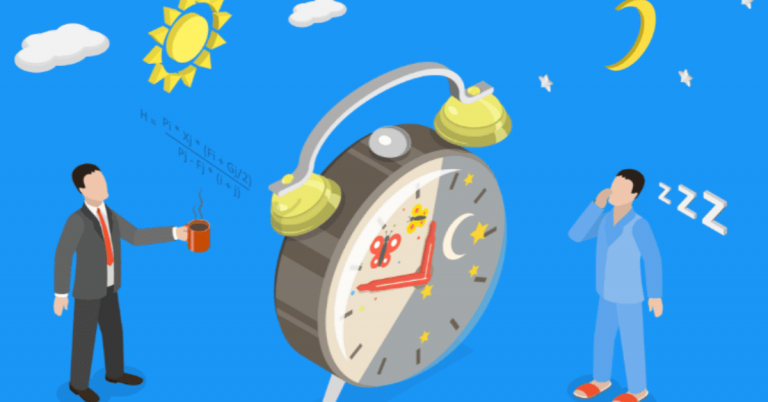
Sleep problems rarely stay in the bedroom. These sleep habits that improve emotional health protect your mood each day.
When you sleep well, stress feels easier to carry. When you sleep poorly, small issues can feel personal and urgent.
Here are sleep habits that improve recovery without strict rules. Each habit includes one app that keeps the routine simple. You will also learn what to do after a rough night. Pick one habit tonight and build from there.

Stop the Second Day From Starting at Night
Nighttime can become a second workday when you replay and plan. That mental load keeps your body alert, even when you feel tired.

A closure ritual tells your brain the day is finished and safe to pause. It reduces emotional carryover that shows up as irritability the next day.
Over a week, you may notice steadier mornings and fewer mood spikes. Treat this as a nightly shutdown that protects recovery.
Use a Two Sentence Shutdown to Create Closure
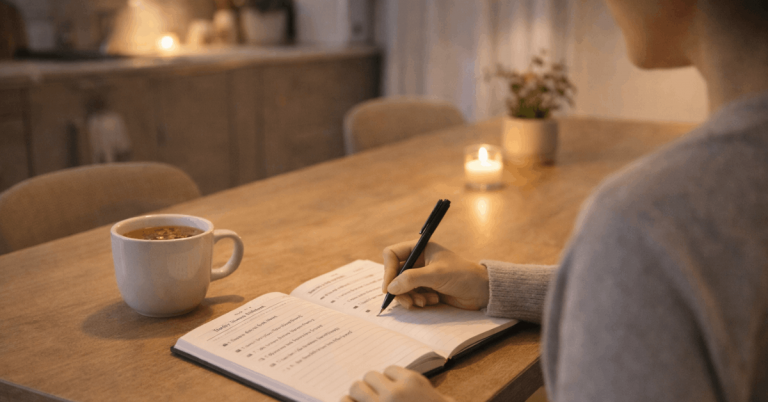
Write a two-sentence shutdown right after your last evening task ends. Sentence one names the main stressor in neutral, simple language. Sentence two names the next action you will take, with a clear time.
If nothing can be done soon, write when you will review it again. This turns vague worry into a plan your brain can stop repeating. Keep it short, because brevity prevents a new spiral later.
Separate Planning From Processing
Separate planning from processing so bedtime stays calm and practical tonight. Planning is actions, while processing is emotion, meaning, and memory. Processing late at night can reopen old scenes and raise arousal quickly.
Do deeper processing earlier in the day with a clear stop time. At night, focus on closure, dim light, and a predictable routine. This boundary is a kindness to tomorrow’s mood when stress is high daily.
Use Thinkladder to Structure Thoughts Without Spiraling
Thinkladder guides a brief CBT-style entry that stays structured. It helps you label the event, identify the thought, and rate intensity. Then it prompts a more balanced thought to reduce worst-case language.
That builds emotional self-awareness because patterns become easier to name. Use it for five minutes, then close it and start your wind-down. The app works best when it replaces rumination, not adds homework.
Use a No-Clock Strategy to Reduce Night Anxiety
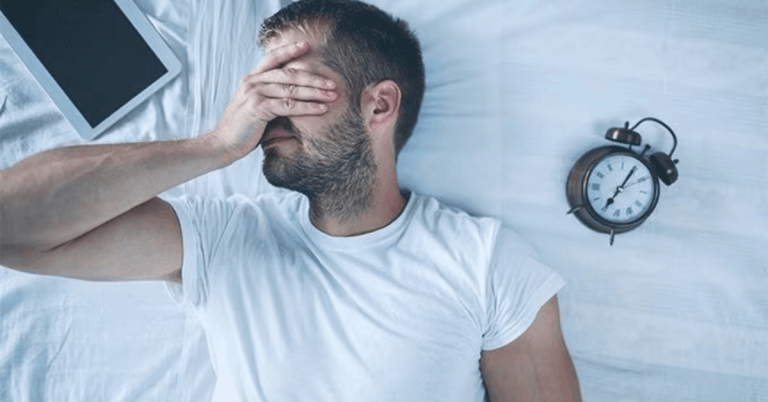
Night waking is common, but clock checking can trigger anxiety very fast. Seeing the time invites pressure and a story that tomorrow is ruined.
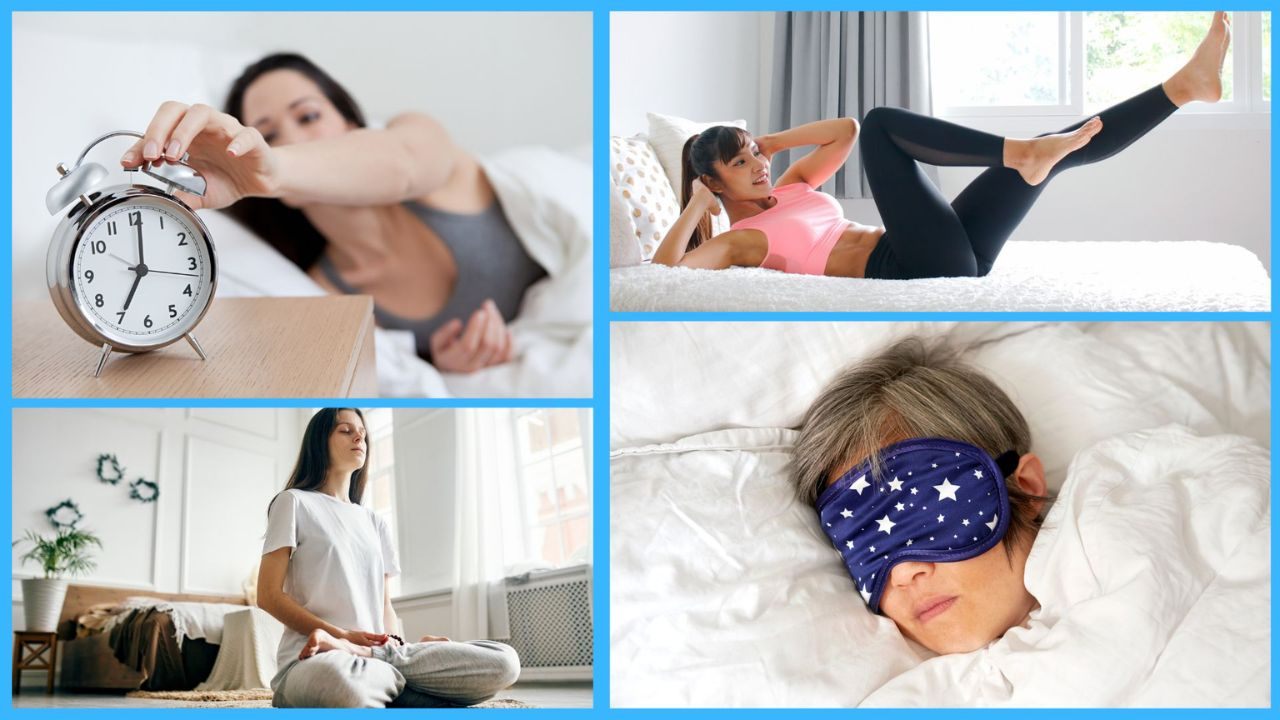
That story raises arousal, making it harder to fall asleep again. A no-clock strategy removes the trigger and keeps the room neutral.
It also protects mood by reducing dread and stress hormones overnight. Think of it as protecting sleep by removing the scoreboard completely.
Hide Time, Reduce Pressure, and Keep the Room Boring
Hide time sources, including clocks, lock screens, and notification previews in your room. If your phone is your alarm, place it across the room face down. Keep lighting dim so waking does not feel like starting the day.
If you must get up, move slowly and avoid messages or headlines. Your goal is boring and safe, not productive or problem-solving. This keeps wake-ups from becoming emotional events.
Use a Night-Wake Script Instead of Negotiating With Yourself
Use a night-wake script so you do not negotiate in the dark. Tell yourself you are resting, then count ten slow breaths. Soften jaw and shoulders, because tension signals danger to the body.
If thoughts appear, label them planning or worry, then return to breath. Repeat the script once more if you are still awake after two minutes. Repetition builds confidence that you can handle wake-ups calmly.
Use ShutEye to Support Screen-Off Sleep Routines
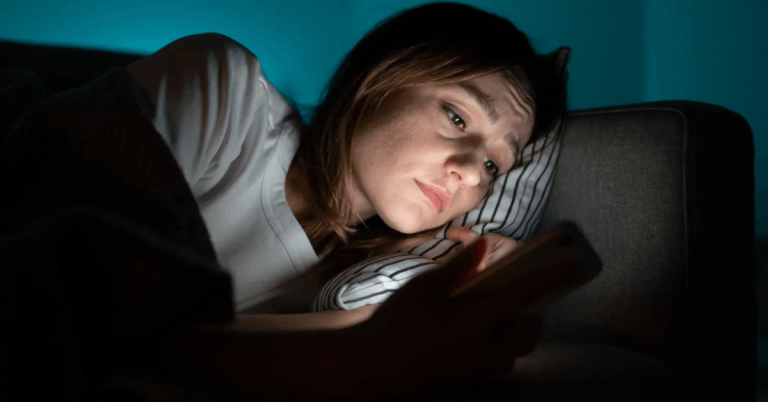
ShutEye provides sleep sounds, bedtime reminders, and screen-off routines. You can set a timer so audio fades while the display stays dark. That reduces the urge to check time, scroll, or open apps.
Choose one sound profile and use it nightly so it becomes a cue. The app can track sessions, helping you spot patterns without obsessing. Used this way, it reduces phone interaction at night when you stir.
Protect the Next Day by Avoiding the Sleep Chase Trap
After a bad night, avoid the sleep-chase trap that disrupts tonight. Keep caffeine earlier and moderate, not doubled to force productivity. If you nap, keep it short and earlier, so bedtime pressure stays strong.
Get outdoor light in the morning to stabilize rhythm and reduce grogginess. Keep the no-clock setup again that evening, even if you feel frustrated. This supports steady recovery instead of panic cycles tomorrow too.
Build a Gentle Pre-Sleep Body Downshift
Emotional strain often shows up as a tense body, not just thoughts. A body downshift lowers arousal so sleep can start more smoothly tonight.

It helps after social overload, intense workdays, or heavy screen time. You are not forcing calm, you are signaling safety and slowing down.
When the body relaxes, emotional reactions soften and recovery improves. Think of this as a physical doorway into better sleep for you.
Use a Short Stretch and Breath Combination
Use a short stretch and breath routine you can repeat in order. Pick two stretches that release tension, like chest opening and hip release. Then breathe with a longer exhale, such as four in and six out.
Keep it under ten minutes so it stays realistic on busy nights. Notice body changes, because that builds awareness of stress signals early. That awareness is a practical form of emotional self-awareness.
Choose One Cue That Makes the Routine Automatic
Make the routine automatic by linking it to one nightly cue. Good cues include washing your face, setting clothes, or plugging devices.
After the cue, do the same stretches and the same breathing pattern. Do not add steps after a missed night, because catching up adds pressure.
If you wake later, repeat one breath cycle instead of reaching for your phone. Consistency builds a stronger sleep association over time.
Use Tide for Timed Breathing and Low-Stimulation Sessions
Tide offers timed breathing, calm soundscapes, and sleep timers in one app. Start a short breathing guide, then let a quiet sound continue.
Set a timer so the session ends automatically and the screen stays idle. It reduces late scrolling and keeps your routine low stimulation.
Tide also prompts check-ins, helping you name whether you feel wired or heavy. Used consistently, Tide becomes a cue for letting go.
Track Patterns Weekly, Not Nightly
Tracking can help, but nightly monitoring can increase stress and doubt. A weekly review is calmer and more accurate because it shows patterns.
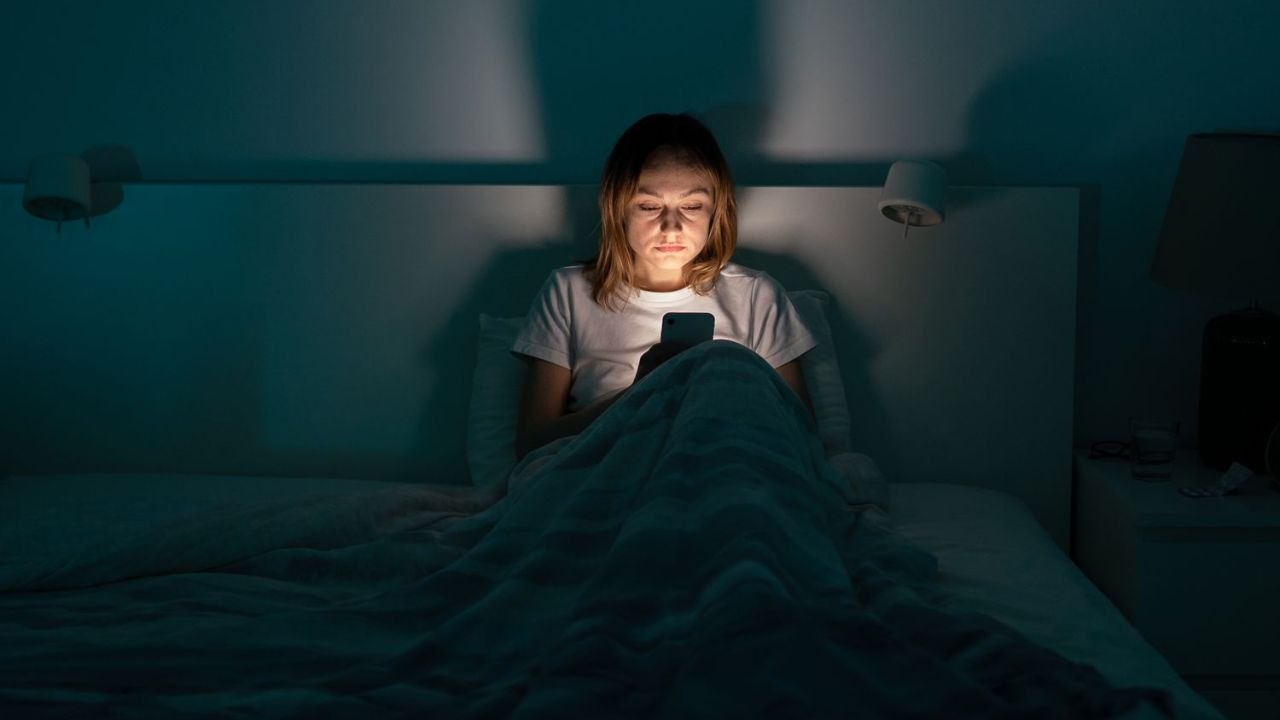
Patterns reveal what predicts irritability, anxiety, and low resilience. When you link sleep trends to mood, self-awareness becomes practical and usable.
You make changes based on evidence, not one bad night or scary thoughts. The goal is one small adjustment per week that you can keep.
Decide What to Measure and Keep It Simple
Choose a few measures so tracking supports you instead of overwhelming you. Track duration, bedtime, wake time, and a quick next-day mood rating.
Add one note about the biggest drain, like late work messages or caffeine. Avoid tracking everything, because too much data increases judgment and confusion.
Review once weekly, then pick the clearest repeating pattern you can change. This keeps attention on action, not perfection or self-critique.
Use Pillow for Weekly Trends and Gentle Insights
Pillow summarizes sleep duration and interruptions in a weekly view at a glance. Add a short mood note each day so the trend has context. Compare your best nights with your hardest nights and find one difference.
Then choose one experiment, such as earlier shutdown or less late input. The app keeps you focused on patterns instead of single-night noise. That creates a feedback loop you can trust.
Turn Insights Into One Small Weekly Adjustment
Turn the weekly insight into one change that is specific and repeatable. If late stimulation is the issue, strengthen your shutdown and reduce scrolling. If wake-ups are frequent, reinforce the no-clock setup and keep the room boring.
If mornings are rough, anchor wake time and get light soon after waking. Write the experiment in one sentence and follow it for seven days. This keeps progress steady and measurable.
Use a Recovery Rule When Life Gets Messy
Use a recovery rule for messy weeks so disruption does not erase progress. Pick a rule like returning to your usual wake window within two days.
Restart the body downshift the same night, even if you feel annoyed. Keep naps short and early, and keep evening input calm and predictable.
Remind yourself recovery is a process, not a test you pass. That mindset protects emotional stability during real life stress.
Conclusion
Better sleep supports emotional health because it restores patience and impulse control. These four habits reduce rumination, remove anxiety triggers, and lower body arousal. Start with the habit that fits your biggest barrier, then add the next.
Use the apps as tools, not scoreboards, so routines stay consistent. Review trends weekly, adjust one thing, and keep your nights simple. Over time, sleep habits that improve emotional health protect your day.