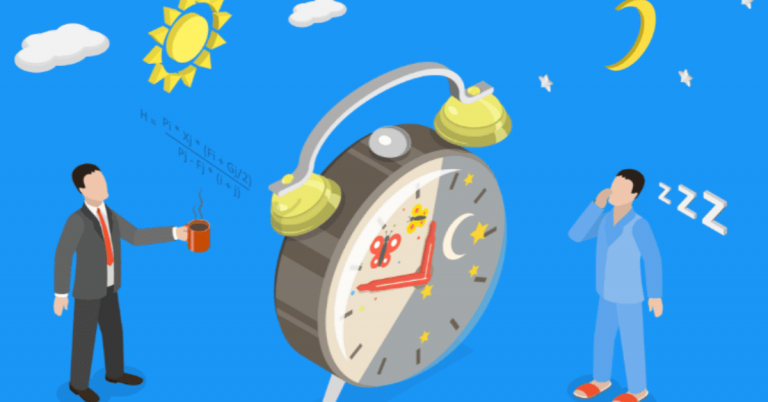
Daily life can drain you before you notice it. To learn simple self-care practices for everyday life, focus on actions you can repeat without planning. Small routines steady your mood, attention, and energy.
Self-care is maintenance, not a luxury purchase. This guide highlights four practices that fit schedules, each with one support tool. You will know what to do on busy days and low days. Start with one change this week and keep what improves your baseline.
What Self-Care Really Means
Simple self-care works when it supports your nervous system daily. It should reduce friction, not add a new project to your week.
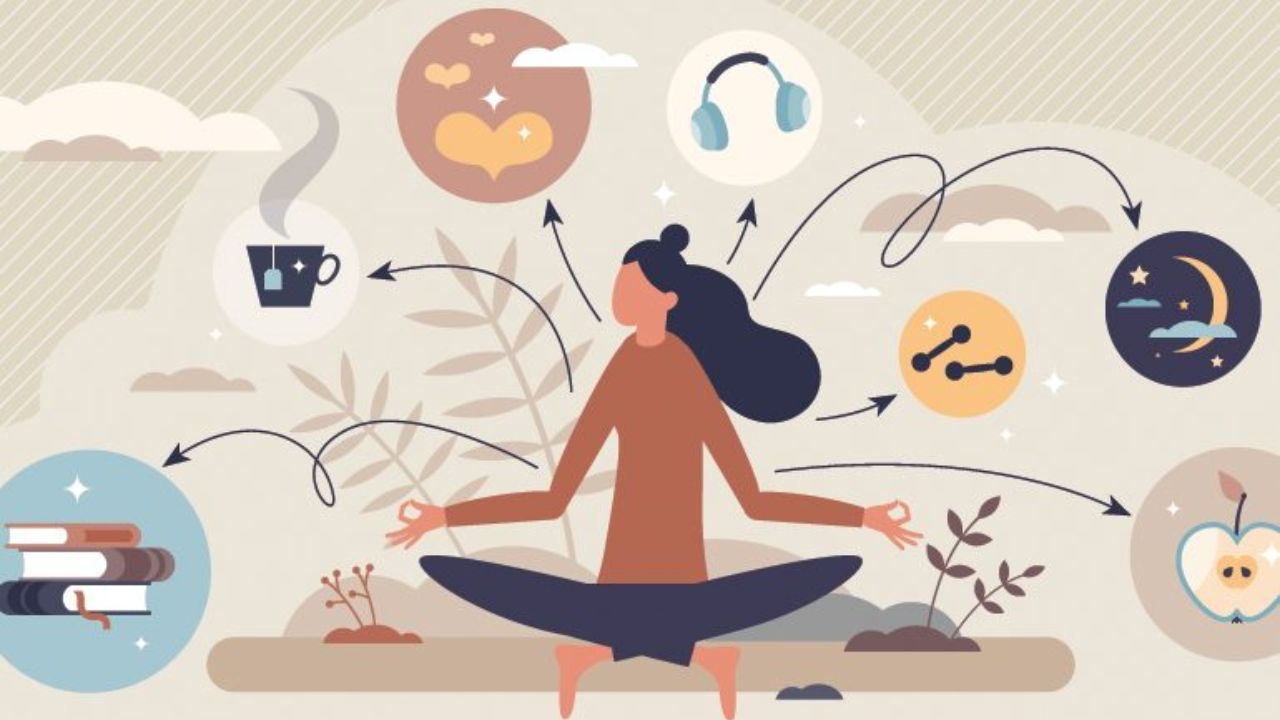
Use NIMH guidance on caring for mental health as a baseline. Notice where you feel stretched, then pick one practice that fits that need. Good self-care is repeatable when motivation drops. If a step feels heavy, shrink it until it fits.
Self-Care Versus Treats
Self-care is not a spa day, and it is not something you earn after stress. It is upkeep that protects sleep, mood, and focus during busy weeks.

A useful test is whether the habit makes tomorrow feel easier. If it creates guilt, it is usually too complicated or costly. Choose actions that protect your baseline, not your image online. That mindset keeps self-care practical.
A One-Week Test
Before you build a routine, run a one-week test with one practice. Do it at the same cue point each day, like after breakfast or after work.
Track simply: note sleep, irritability, and energy in one sentence. Look for trends across the week, not perfect scores. If it helps, keep that practice and add another later. If it does not, swap it without judgment and move on.
Daily Movement That Fits
Movement is a popular self-care habit because it can shift your mood quickly. It lowers tension, supports sleep drive, and interrupts looping thoughts.

The goal is not a workout identity; it is a daily reset you can keep. Google Fit can track walks, steps, and activity minutes with minimal setup. Short movement counts when you repeat it. Start small and make it easy to maintain.
The Ten-Minute Walk Rule
Commit to a ten-minute walk, not a perfect daily step target. Attach it to an existing habit, like coffee or lunch. Ten minutes is enough to reduce agitation and clear mental fog for many people.
Open Google Fit, start a walk, and stop when the timer ends. If you want more, add minutes, but keep the minimum the same. Consistency matters more than distance.
Movement Snacks When Time Is Tight
On days when you cannot walk, use movement snacks to stay regulated. Stand up, stretch, roll your shoulders, and take slow breaths.
Do a short set of bodyweight moves, such as squats or calf raises, between tasks. The point is circulation, not sweating or soreness. Log it in Google Fit, so you see you showed up. Small reps keep stress from settling in your body over long days.
An Evening Decompression Cue
If evenings are tense, a walk can help you transition out of work mode. Keep pace easily, so you feel calmer afterward, not wired. Skip headphones sometimes so your brain settles without extra input.
This is a decompression cue that tells your body the day is ending. Use Google Fit to track how movement affects sleep time. After the walk, go straight into your wind-down routine.
Mindfulness for Better Reactions
Mindfulness helps you notice stress early, rather than react late. You are not trying to empty your mind; you are practicing attention and recovery.

A short reset can lower worry and body tension quickly. UCLA Mindful offers guided practices for beginners on busy schedules. One minute can be enough to change your next choice. Practice on calm days so it is available on hard days.
A Sixty-Second Breathing Reset
Start with a sixty-second breathing reset so you do not avoid the habit. Inhale through your nose, exhale slowly, and let your shoulders drop. Use a UCLA Mindful short track for a voice prompt.
Slow exhale lowers arousal and helps your body feel safer in that moment. Stay seated if you are at work or on transit. Do it in the morning and again mid-afternoon.
Pause Before You Respond
Use mindfulness right before you respond to a stressful message or conversation. Pause, notice what you feel, and name it in one word, like tense or annoyed. Then take three slower breaths before you speak.
Labeling the feeling creates space between emotion and action. UCLA Mindful has short practices you can run as a quick buffer. Over time, you react less sharply because you catch the trigger sooner.
Practice on Calm Days Too
The habit sticks when you treat it like hygiene, not a rescue tool. Pick a consistent cue, like after brushing your teeth or after lunch.
Keep sessions short so you can finish even when tired. You are building a reflex, not chasing a perfect calm feeling. Use UCLA Mindful to rotate topics like stress, sleep, and self-compassion. If you miss a day, restart without making up time.
A Wind-Down That Protects Sleep
A wind-down protects sleep, and sleep protects emotional stability. You do not need a long routine; you need a signal most nights that the day is done.

Late stimulation keeps your body alert when you feel exhausted. Calm can guide sleep stories, breathing, or relaxing sounds at night. Your last hour matters more than you expect. Keep it simple so it survives busy weeks.
A Two-Step Night Routine
Use a two-step wind-down so it does not feel like extra work. Step one is hygiene and comfort, like a shower or face wash. Step two is a quiet activity that does not demand decisions.
Lower the lighting early so your brain understands bedtime is close. Play a Calm soundscape or short story while you get ready. Repeat the same order so the cue becomes automatic.
A Simple Screen Rule
Screens are not evil, but late scrolling often increases alertness. Set a simple rule: stop intense content thirty minutes before bed. Charge your phone away from your pillow so you stop checking.
Replace scrolling with a cue like a Calm sleep story or breathing track. If you must use your phone, keep the brightness low and avoid rapid feeds. Your goal is less stimulation, not strict perfection.
Recover After a Bad Night
Bad nights happen, and the goal is to recover without overcorrecting. Keep wake time close to normal so your body clock stays stable. Get daylight early and avoid long naps that steal sleep pressure.
Treat the next day as a reset instead of a punishment. Use Calm for a short midday relaxation if you feel wired. Follow your wind-down again, even if sleep was rough yesterday.
Journaling to Clear Mental Clutter
Mental clutter is a stressor that can make emotions feel heavier. When tasks and worries stay in your head, they compete for attention all day.

A short journaling habit is popular because it creates closure. Penzu is an online journal that lets you write fast and keep entries private. Writing reduces mental noise by turning vague feelings into clear language. A few minutes is enough to notice relief.
A Three-Line Journal
Use a three-line journal when you do not know what to write. Line one: What happened today in one sentence? Line two: how you feel right now, without explaining or judging it. Line three is one next step you can control tonight, even if it is small.
Write it in Penzu after dinner or before bed. This structure keeps journaling short and prevents spiraling.
Offload Worries Without Rumination
Journaling should unload worries, not deepen them. Set a five-minute timer and write whatever is stuck in your head. Then stop, and add one sentence about what you can do next.
The timer protects you from turning reflection into rumination. If you start repeating the same lines, switch to a checklist of small actions. Penzu works well here because it is quick and private.
Two-Minute End-of-Day Closure
End the day with a two-minute closure, so your brain stops working overnight. Write the top three priorities for tomorrow and one care item. Then note one thing you did well, even if it was small.
Closure reduces overnight planning that can disrupt sleep and mood. Keep the list realistic so it guides you without putting pressure on you. Store it in Penzu so you can review patterns later.
Conclusion
Self-care works when you can repeat it on a Tuesday. Start with one practice and add more only after it sticks. Your baseline improves when movement, attention, sleep, and clarity support each other.
If stress or low mood persists, consider support too. These habits will not solve everything, but they help you respond with stability.