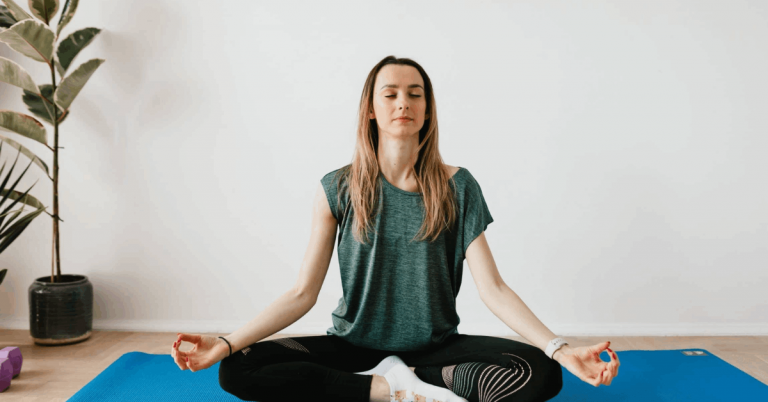
Let’s be honest—life can feel like a whirlwind sometimes. For many of us, managing emotional wellness gets pushed aside amid all the demands of work, family, and, well, just getting by.
I used to believe that improving my emotional health meant signing up for hours of mindfulness workshops or somehow keeping a perfect journal. Thankfully, I discovered that you don’t need complex systems to feel better. Emotional wellness is truly possible with simple, practical steps. And honestly, most days, these are the only ones I can keep up with.
Why Emotional Wellness Matters in Everyday Life
We hear about self-care and mental health almost everywhere now. But emotional wellness isn’t just a trend or buzzword—it’s how we navigate stress, relationships, and daily challenges.
When we feel emotionally steady, we’re more resilient and less likely to get bogged down by small frustrations. Of course, I’ve learned this the hard way—more than once.
The Myths of Emotional Wellness: Simplicity Over Perfection
There’s a myth that you have to make big, dramatic changes to feel better emotionally. But in my own journey, the best results often came from small habits rather than big overhauls. The truth? Consistency beats complexity. The goal isn’t to become perfectly calm—it’s about building a routine that makes tough days a bit easier.
Simple Daily Habits to Support Emotional Wellness
Sometimes I wonder if it’s possible to add one more thing to my to-do list. But these are habits that require barely any time. Over the years, a few have made all the difference, even on the busiest days.
1. Prioritize Quality Sleep
I know, we all hear it: get enough sleep. But really, maintaining a consistent sleep routine is one of the lowest-effort ways to support emotional wellness. Even 30 minutes less sleep sometimes knocks my mood off balance for an entire day.
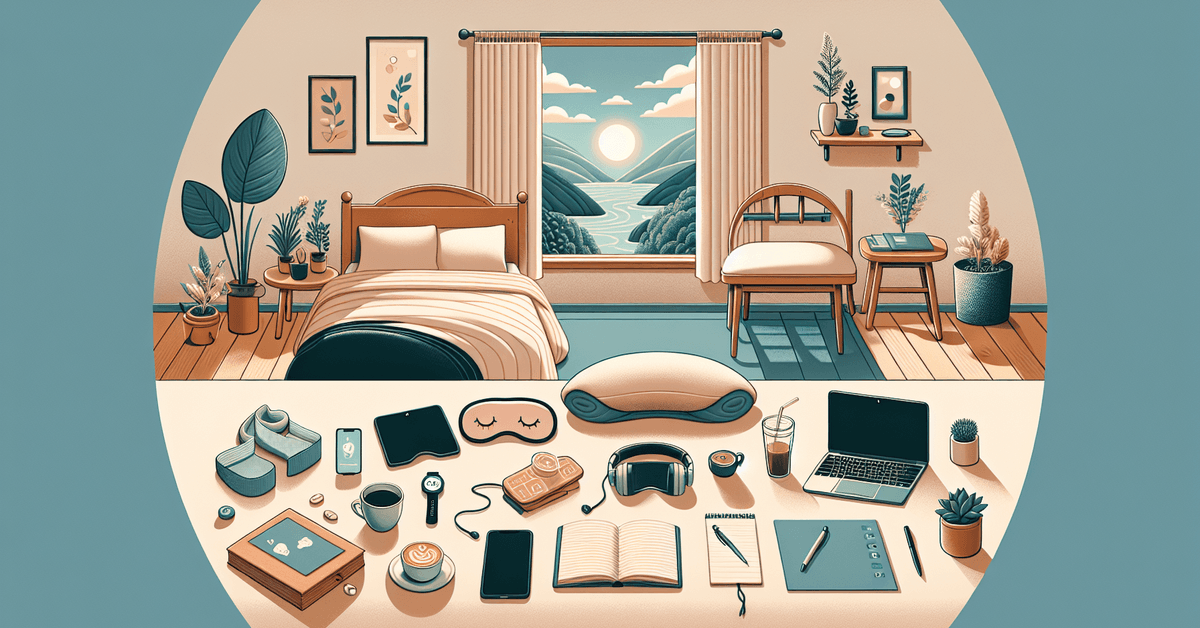
- Try to sleep and wake up at the same time every day.
- Block blue light on screens an hour before bed.
- Keep meals light in the evening.
Tip: If you’re struggling with restlessness or racing thoughts, I find that jotting down tomorrow’s tasks on paper helps me unwind before bedtime.
2. Set Boundaries with Technology
This one can be tough. I have a bit of a habit of checking my phone first thing in the morning, but it usually leaves me more scattered. So, I’ve made a rule: no social media for the first 20 minutes after waking up. Gradually, my mornings became more peaceful—maybe not perfect, but noticeably better.
3. Move Daily—Even Briefly
Physical movement isn’t just about fitness. Even a five-minute walk or some gentle stretches can shift my mood. I’m not an athlete, so I stick with what I can actually do.
- Stretch at your desk every hour.
- Take phone calls while walking.
- Try a quick breathing exercise; even two minutes helps.
4. Mindful Moments, Not Marathons
I used to think mindfulness was out of reach for people like me, but I was wrong. A mindful moment can be as simple as noticing the taste of my coffee or the sound of birds on the way to work. These tiny pauses bring calm in a hectic schedule.
5. Practice Emotional Check-Ins
I do a mental check-in during my commute or before bed. “How am I feeling right now? Worried? Proud? Tired?” Labeling my emotions helps me figure out what I need. Sometimes I write it down; most days, I just notice and move on.
Simplified Self-Care: What Actually Works For Me
The internet is flooded with self-care advice—but not all routines are realistic. Some days, my self-care is as basic as drinking enough water and stepping outside for a breath of fresh air. Here are tactics that stuck, even for someone who forgets things easily.
- Hydration. Keeping a water bottle on my desk is a simple win.
- Nature time. Even a quick look out the window can refresh my perspective.
- Unplug afternoons. Shutting off notifications for an hour helps me reset.
Of course, you might find other routines that work better—self-care isn’t one-size-fits-all.
Mental Organization Without Overcomplicating
Trying to track everything in my head only leads to stress. Instead, I keep mental clutter low by relying on lists and simple calendars. Don’t worry about color-coding everything—the basics will do.
- Use a sticky note for top three priorities each day.
- Jot down longer-term worries in a “worry notebook.”
- Set one small, specific goal every morning.
Resource: For more on simplifying routines, check our easy habits guide [internal link].
Embracing Healthy Habits Over Perfection
I sometimes slip up—miss a walk, skip journaling, forget my boundaries with tech. That’s okay. Emotional wellness isn’t about perfection. For most people, it’s more like steering a path through uncertainty rather than arriving at a fixed destination.
Some suggest using these top habits for emotional wellness for more ideas—though I admit, I haven’t tried them all myself.
Visual Prompts: Simple Routines Table
| Routine | Time Needed | Impact |
|---|---|---|
| Sleep schedule | 7-8 hrs | Mood boost, stress protection |
| Mindful check-in | 2 min | Awareness, tension relief |
| Quick walk | 5-10 min | Energy lift, emotional reset |
| Tech boundaries | Ongoing | Less distraction |
| Hydration | All day | Steadier energy, clarity |
When Simple Isn’t Enough
If emotional struggles begin to feel overwhelming, don’t be afraid to reach out for support. There’s no shame in asking for help—from a professional, a friend, or a support line. Sometimes, simple steps aren’t quite enough, and that’s perfectly okay.
Conclusion: Your Simple Path to Emotional Wellness
Everyone’s journey with emotional wellness is different. What works for me might not work for you—or maybe you’ll find a mix that fits your life. The key is not to wait for the “perfect” moment or the “ideal” method. Try one small change. Be patient. And if you slip, well, that’s human too.
Start with one simple habit today. Keep going. For more practical tips, check our guide to evening self-care routines [internal link]. You don’t need complicated methods to feel better—just honest, everyday steps you can actually do.
Ready to simplify your emotional wellness? Begin with your next breath, then take it from there.