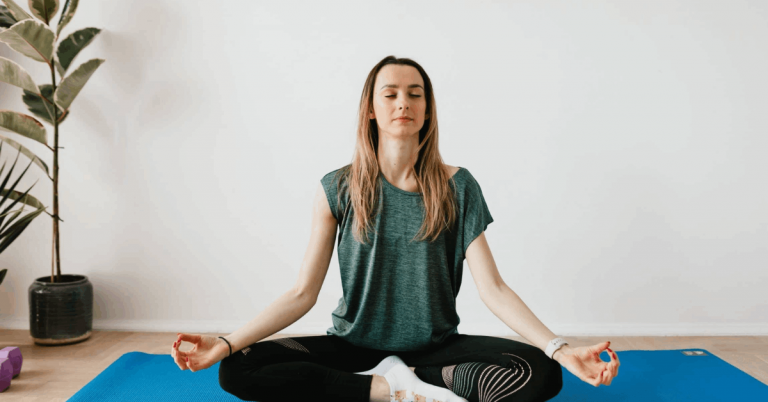
Emotional wellness is the ability to experience feelings without being controlled by them. Emotional wellness without overthinking means you can notice thoughts, name what you feel, and still move forward calmly.
Overthinking often starts as an attempt to stay safe, avoid mistakes, or prevent regret. The problem is that mental loops rarely create clarity; they create tension.
In this article, you will learn what overthinking is, what causes it, and how to reduce it with practical skills.

Overthinking as a Habit of Control
Overthinking is often the mind’s way of trying to create certainty. When you feel unsure, your brain searches for a perfect answer that will remove risk.
This habit can look like analyzing, replaying, or predicting outcomes repeatedly. It feels productive because you are “doing something,” but it drains energy.

Emotional wellness improves when you shift from control to steady acceptance. You can still care deeply without chasing total certainty.
Why Your Brain Searches for Perfect Answers
Your brain is designed to prevent problems, so it naturally scans for what could go wrong. When you face uncertainty, you try to reduce discomfort by thinking harder. Perfectionism can intensify this because you want a choice that feels flawless.
The result is more checking, more doubt, and less peace. The goal is not to stop thinking; it is to stop looping. You can practice choosing “good enough” and moving forward.
The Cost of Replaying and Mental Checking
Replaying conversations and checking decisions keep your body in a mild stress response. Your muscles tighten, your breathing gets shallower, and your attention narrows.
Even if nothing is happening, your system behaves as if a threat is near. Over time, this can affect sleep, mood, and focus in school or work.
It can also reduce confidence because you trust your thoughts less. Awareness helps because you can spot the pattern earlier.
How Overthinking Fuels Anxiety
Anxiety grows when your mind treats thoughts like urgent alarms. Each worry leads to another, and the chain keeps going because your body feels unsettled. You may start avoiding choices to avoid feeling unsure.
That avoidance creates more doubt, which strengthens the overthinking habit. The loop feels safer in the short term, but it increases fear long-term. Emotional wellness improves when you learn to tolerate uncertainty in small doses.
The Core Skills for Emotional Wellness Without Overthinking
You do not need complex techniques to reduce overthinking. The most effective skills are simple, repeatable, and easy to practice daily.

The core skills are noticing, naming, and allowing. Noticing helps you catch the loop before it grows.
Naming reduces intensity by turning vague stress into clear emotion. Allowing helps you stop fighting feelings and start responding with calm action.
Notice Thoughts Without Following Them
Noticing means you observe a thought as an event, not a command. You can say, “I am having the thought that I messed up,” instead of treating it as fact. This small shift creates distance and reduces urgency.
You can then decide whether the thought needs action or just attention. If it needs action, choose one step and stop there. If it does not, let it pass without debate.
Name Feelings to Reduce Intensity
Naming works because it brings clarity to what your body is already signaling. Instead of “I feel awful,” try “I feel anxious, embarrassed, or overwhelmed.” Precise words reduce the sense of chaos and make your next step clearer.
When you name a feeling, you also slow down automatically. You can then choose support, like a break, water, or a calmer conversation. This skill is small, but it builds emotional control fast.
Allow Discomfort Without Panic
Allowing does not mean you like discomfort; it means you stop treating it as an emergency. Overthinking often tries to erase discomfort through analysis. When you allow it, the feeling can rise and fall naturally.
You can practice by noticing the feeling, breathing slowly, and waiting 30 seconds. Then choose one grounded action, like standing up or writing one sentence. This teaches your body that discomfort is safe and temporary.
Practical Exercises You Can Use Daily
Exercises help because they turn concepts into habits. Keep them short so they fit into a normal day and do not become another pressure.
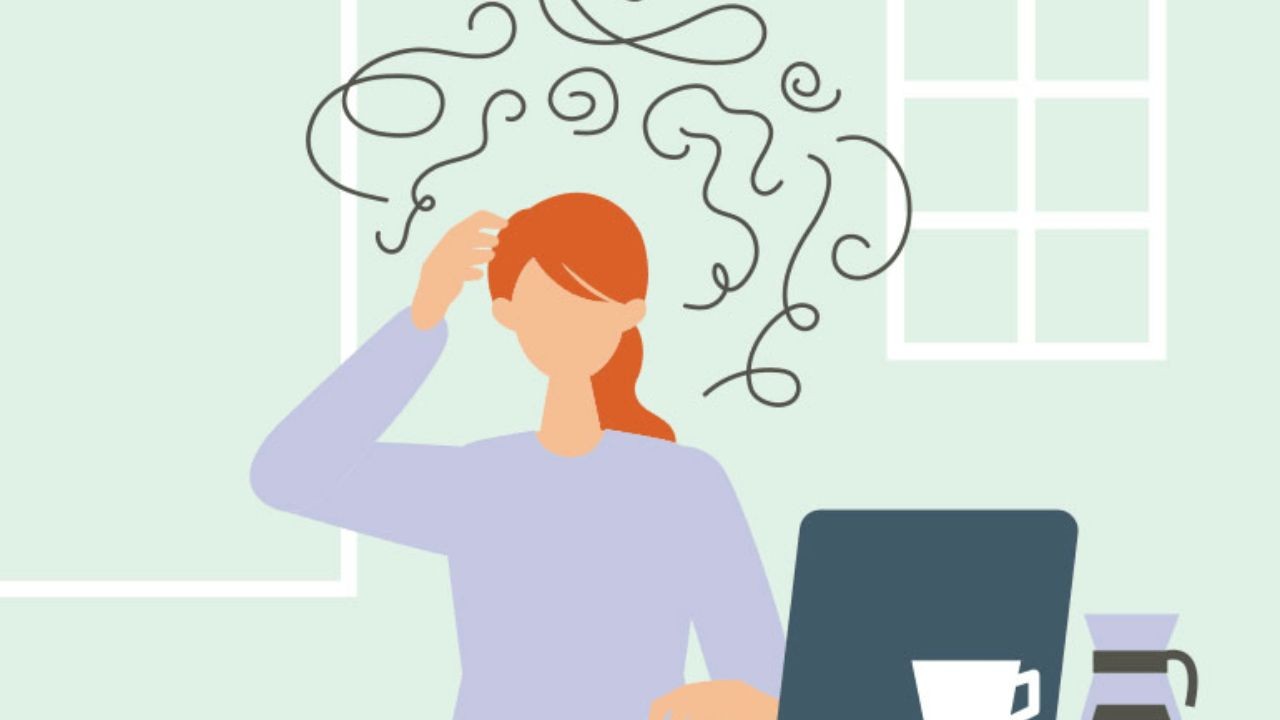
The goal is not to empty your mind; it is to reduce loops and return to the present. Practice these tools when you are calm, so they work better when you are stressed.
Choose one exercise for one week before adding another. Consistency beats variety when you are new.
The 2-Minute Body Scan
A body scan lowers overthinking by moving attention from thought to sensation. Sit or stand and scan from forehead to shoulders to chest to stomach. Notice tension without judging it, then soften one area on purpose.
Take slow breaths and lengthen your exhale slightly. When your body relaxes, your thoughts usually slow down too. Do this before bed or after school to prevent nighttime spirals.
The Thought Label Method
Thought labeling is a quick way to stop getting pulled into every idea. When a thought shows up, label it as “worry,” “planning,” “memory,” or “self-criticism.” The label is not for analysis; it is for recognition.
After labeling, return to what you are doing, like reading or eating. If the thought returns, label it again without frustration. This practice builds mental steadiness and reduces reactivity.
The “What Matters Now” Prompt
This prompt shifts you from rumination to values and action. Ask, “What matters now, in this moment, not in my head?” Then choose one small step aligned with that answer.
It could be finishing one task, drinking water, or texting an apology. You are not solving your whole life; you are choosing the next right action. This breaks loops because it replaces mental debate with real movement. Use it when you feel stuck.
What Causes Overthinking and How to Reduce Triggers
Overthinking usually increases when stress is high and recovery is low. Triggers can be physical, emotional, or digital.
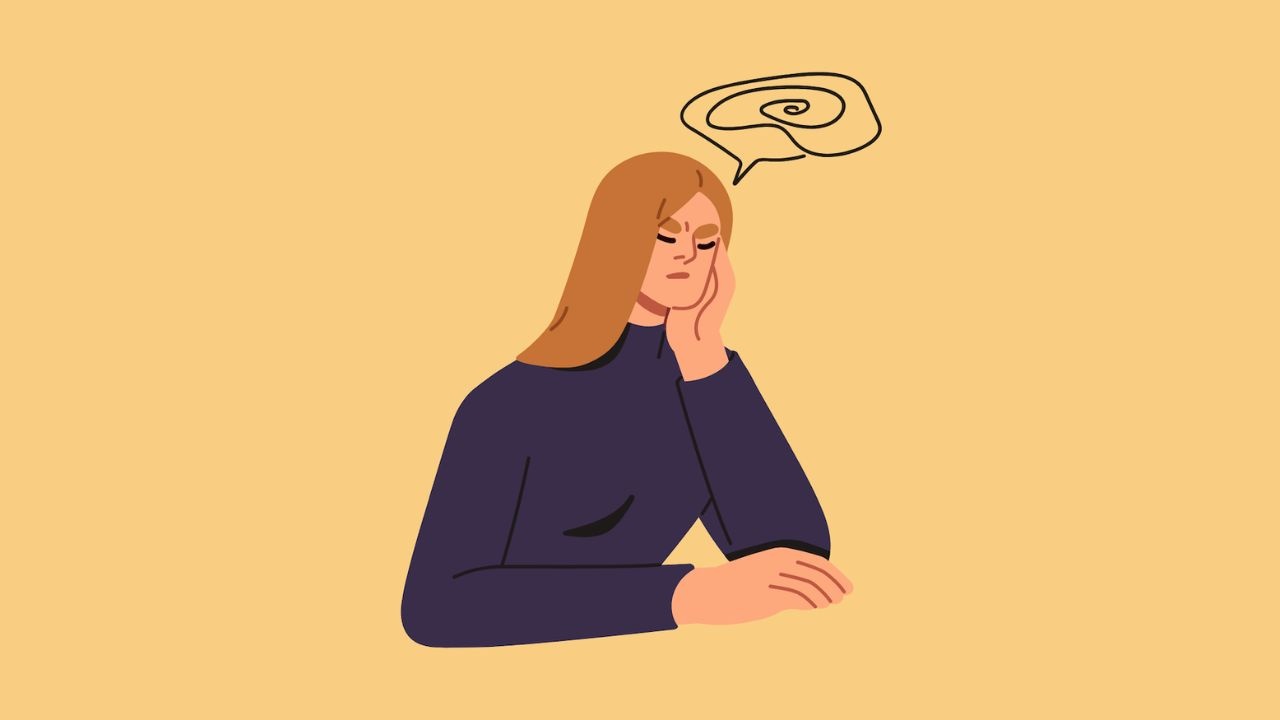
Common triggers include poor sleep, skipped meals, too much caffeine, and constant notifications. Social comparison and conflict also raise mental checking and self-doubt.
The goal is not to remove all triggers; it is to reduce the strongest ones. When triggers drop, your skills work faster and feel easier.
Stress Load and Lack of Recovery
When your schedule is full, your brain gets less quiet time to reset. That makes small issues feel bigger, and decisions feel heavier. Recovery can be short, but it must be real, like a walk or a calm meal.
If you never pause, overthinking becomes your default coping tool. Start with one recovery block per day, even 10 minutes. Protect sleep as much as possible because tired brains loop more.
Digital Inputs and Comparison
Digital inputs are a major cause because they flood your mind with information and emotion. Scrolling can trigger comparison, fear, and urgency within minutes.
Notifications also keep you switching tasks, which increases anxiety and mental clutter. Set simple rules, like no notifications for nonessential apps and no scrolling in bed.
Choose a few check-in times instead of constant checking. Less input creates more space, and space reduces overthinking.
Decision Fatigue and Overcommitment
Decision fatigue happens when you make too many choices without rest. The more you decide, the less energy you have to handle uncertainty calmly. Overcommitment adds pressure because you keep trying to meet every expectation.
That pressure triggers rumination and fear of disappointing others. Reduce choices by using defaults, like simple meals or fixed study times. Say no to one low-priority obligation this week and notice your mind quiet down.
Building a Calm, Sustainable Lifestyle
Emotional wellness grows when your lifestyle supports steadiness, not constant intensity.

The goal is a calm baseline that helps you recover quickly when life gets hard. This comes from routines, boundaries, and realistic expectations. You do not need a perfect mindset to be well.
You need a few supportive habits that you protect most days. When your system is stable, overthinking becomes less frequent and less convincing.
Routines That Protect Your Energy
Routines reduce overthinking by eliminating the need to make repeated decisions. Choose a simple morning routine, a steady meal pattern, and a consistent wind-down. Keep the routine short so it fits your real life and does not create pressure.
A routine also signals safety to your nervous system through repetition. When your body feels safer, your mind seeks control less. Start with one routine first, then add another after 7 days.
Boundaries That Reduce Mental Noise
Boundaries protect your attention so your mind has fewer triggers to process. Use small boundaries like phone-free meals and a short screen cutoff before bed. Set communication limits, like replying during set times instead of all day.
You can also create boundaries with people by using clear, kind sentences. Boundaries reduce resentment and prevent replaying conversations later. When your boundaries improve, your overthinking often decreases without extra effort.
Conclusion
Emotional wellness is not about eliminating thoughts; it is about changing your relationship with them. Emotional wellness without overthinking becomes possible when you notice loops, name feelings, and allow discomfort without panic.
Over time, your mind becomes quieter because your body feels safer. Start small today and build steadiness week by week.