Emotional wellness. It sounds a bit grand, doesn’t it? But the truth is, tending to our emotional health doesn’t have to mean huge lifestyle changes or hours lost to self-care rituals. The right emotional wellness habits truly can fit into almost any routine – even if, like me, you’re not always nailed down by schedules.
This article is meant for anyone looking for realistic, practical ways to boost their mood and reduce stress. Whether you work long hours, juggle family commitments, or just feel overwhelmed, you’ll discover habits you can tailor to your unique rhythm. The goal? To feel sturdier, more focused, and a bit lighter, without needing a total life overhaul.
Why Emotional Wellness Matters in Everyday Life
Some days I wonder if emotional wellness is just another buzzword, but every time I skip it, the difference is obvious. Emotional wellness affects focus, energy, motivation – pretty much everything we do.
If our emotional tank is empty, it shows up in our relationships, sleep, productivity, and even our physical health. Not to mention, the way we manage stress or setbacks. If you want to thrive, not just survive, emotional well-being habits are truly non-negotiable.

Essential Emotional Wellness Habits That Work for Anyone
I’ll admit, some habits sound intimidating at first. Meditation, journaling, mindful eating – I wasn’t sure I’d keep up. But I found smaller steps that fit my rhythm and offer big benefits. Here are simple, everyday emotional habits you can actually stick to.
1. Morning Check-Ins
Starting the day with a quick self-assessment is powerful. Take a minute to ask, “How am I feeling?” Maybe jot down a word or two, or just notice your mood.

- Sets the tone for the day
- Helps build awareness of emotional patterns
- No special tools required
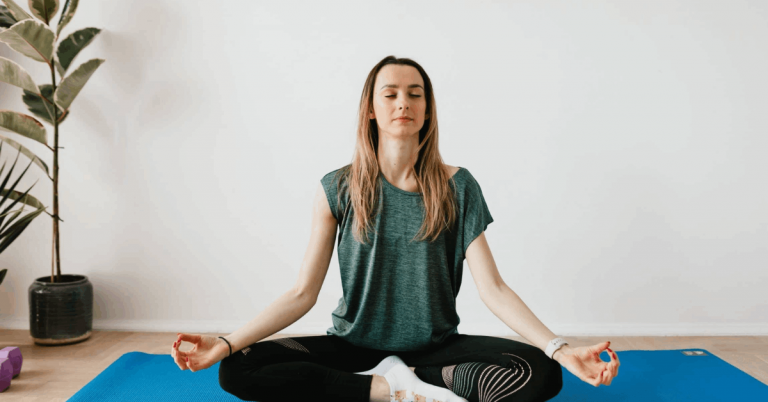
2. Micro-Breathing Breaks
Long meditation sessions can be tricky. Instead, pause for just a minute, three times a day. Breathe in for four counts, out for six. It sounds too simple, but you’ll feel the shift.
- Reduces stress on the spot
- Easy to do anywhere (desk, kitchen, car)
- Promotes mental clarity
3. Express Gratitude, Even in Small Moments
Some days, the only thing I can think to appreciate is my first cup of coffee. That’s fine. Naming small positives, out loud or in your head, rewires the brain for optimism.
- Boosts mood over time
- Can foster resilience when things are tough
4. Maintain a Sleep Routine
I used to think sleep was just about rest, but it’s also foundational for emotional balance. A consistent bedtime and wake time—even if imperfect—makes a difference in emotional steadiness.
- Improves energy and mood
- Aids decision-making and focus
- Supports overall resilience
5. Move Your Body, Gently
Daily exercise isn’t always possible. But stretching for five minutes, or walking around the block, is doable. A bit of movement lifts emotion and lessens anxiety. I find a quick stretch at lunch helps reset my afternoon.
- Elevates endorphin levels
- Tames built-up tension
- No gym membership needed
Emotional Self-Care That Fits Every Schedule
Some habits are about tuning in, but others are about tuning out. Allowing yourself to press pause—even briefly—can recharge your emotional batteries. If you’re not sure what qualifies as self-care, it might surprise you how diverse it can be.
Tech-Free Minutes
I noticed that stepping away from screens, even just during a meal or short walk, helps untangle my thoughts. A tech-free break gives your emotions room to breathe.
Connect—But Only When It’s Right
Some days, reaching out to a friend is energizing; other days, silence feels better. Honor whichever you need most. Authentic connection is key, but forced socializing can backfire.
Schedule Mini-Joys
Little pleasures—a favorite tea, a song, or stepping outside—can punctuate even a hectic day. I schedule these into my routine as rewards for sticking with my priorities.
Organizing for Better Emotional Wellness
It’s no secret that clutter increases stress. Organizing your space, or even just your thoughts, can provide surprising calm. But obsessing over perfect organization isn’t realistic. Start with what feels manageable.
Tidy One Surface
Sometimes, just clearing my desk or kitchen counter brings focus. One small win like that can build motivation for the rest of your day.
Five-Minute Mental Dumps
When thoughts feel tangled, a five-minute brain dump—jotting down whatever comes to mind—can help. It frees up mental space for more meaningful tasks.
Building Habits That Actually Stick
If you’ve ever tried to overhaul your routine and felt discouraged, you’re absolutely not alone. I’ve realized that the habits which last are the ones that feel realistic and adaptable .
- Stack habits onto existing routines. Pair a breathing break with making coffee, or gratitude with brushing your teeth.
- Allow imperfection. Skipped a day? It happens. Restart gently, without self-criticism.
- Track progress occasionally . A simple calendar or notes app can highlight how small habits are paying off. (Perhaps use tools like Habitica for gamified tracking.)
When to Seek Extra Help
Sometimes, daily habits aren’t enough. If sadness, anxiety, or hopelessness persist, please don’t hesitate to reach out for professional support. There’s absolutely nothing wrong or weak about this—it’s a vital act of self-respect.
- Use online directories like Psychology Today to find mental health professionals.
- Many platforms now offer video sessions, making support more accessible than ever.
Quick Reference Table: Emotional Wellness at a Glance
| Habit | Benefit | Time Needed |
|---|---|---|
| Morning Check-In | Mood awareness | 1-2 min |
| Micro-Breathing | Stress reduction | 3×1 min |
| Gratitude | Optimism | 1 min |
| Sleep Routine | Resilience | 7+ hr/night |
| Gentle Movement | Energy | 5+ min |
More Resources for Everyday Emotional Health
- National Sleep Foundation – Tips on sleep hygiene
- Headspace – Guided mindfulness exercises
- Check out our post on Creating an Evening Routine for Better Sleep
- Explore Self-Care for Busy People for more ideas
Conclusion: Take a Step Toward Emotional Wellness Today
Building emotional wellness doesn’t have to disrupt your life. Even the smallest habit—done consistently—can reshape your days. Maybe start with one idea from this list. See how it feels. Tweak, skip, or change as needed. Your emotional health is always a work-in-progress.
Take your next step now: Try a one-minute check-in or pause for a breath. Your well-being is worth it.