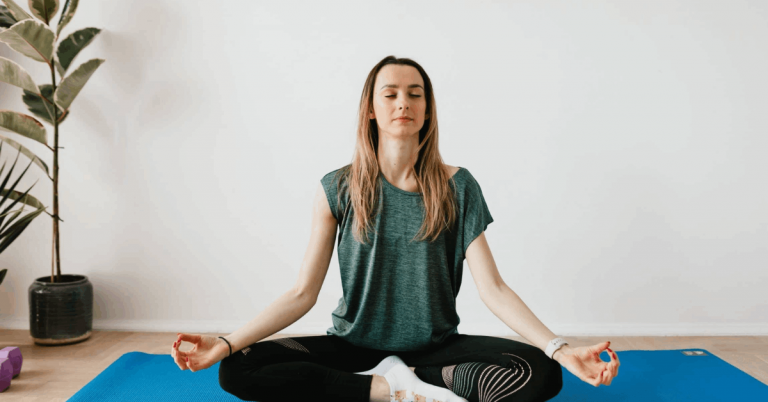
Life moves fast. That much, I think, is obvious. And maintaining emotional wellness when every day seems packed with tasks? Well, that can feel almost impossible at times. Yet, after navigating my own hectic workweeks, I’ve realized how crucial it is to care for our minds, not just our schedules.
This article is for anyone—students, professionals, parents—who juggles a packed calendar, often putting their own feelings on the backburner. My goal? To share honestly what’s worked for me, and offer realistic strategies to help you find a little more calm, clarity, and resilience even on your busiest days.
Why Emotional Wellness Matters in Hectic Lives
If you’ve ever snapped at someone for no reason or felt utterly overwhelmed, that’s your mind signaling a need for attention. Mental health isn’t something you can just ignore until the weekend. When we’re constantly on the go, small emotional stresses can easily pile up and, frankly, make everything harder.

Energy Drain and Productivity Dips
It surprised me how much my mood affected my energy. During especially packed weeks, everything—work, social life, even simple self-care—started feeling heavier. Lowered emotional reserves can lead to mistakes, forgetfulness, or a sense of “running on empty.”
Mood Swings and Relationships
Another point: when you’re too busy to process stress, your mood tends to turn brittle. A rushed morning or tight meeting schedule can spill over into family time or friendships. It’s happened to me more than I’d like to admit.

Signs You Need an Emotional Reset
Squeezing in a “reset” sounds counterintuitive when you’re overwhelmed, but it’s crucial. Some warning signs I’ve noticed in myself and others include:
- Feeling irritable for no clear reason
- Constantly worrying, even about small things
- Difficulty falling or staying asleep
- Feeling emotionally numb or disconnected
- Letting healthy habits—like meals or exercise—slip
If any of those ring true, it’s not weakness. It’s a normal sign that your mind needs care, too.
Simple Habits to Boost Emotional Wellness
I used to think “self-care” meant spa days or meditation retreats—things reserved for less busy people. But the real game-changers, I’ve found, are the smallest habits, repeated consistently. Here’s what’s actually helped, even during the most chaotic times:
Micro-Breaks for Mental Organization
Instead of waiting for a big chunk of free time, I started carving out tiny breaks—just 2-3 minutes—to breathe, stretch, or close my eyes. Sometimes, I’ll set a timer at work as a reminder. Even brief pauses help untangle thoughts and reduce tension noticeably.
Emotion Check-Ins
At least once a day, I ask myself: “How am I feeling, really?” Maybe I feel frustrated about a deadline, or excited but nervous for a meeting. Acknowledging those emotions (even silently) keeps them from bubbling over later.
Healthy Nutrition and Hydration (Even When Busy)
Skipping meals almost became a badge of honor for me—until I realized how much it undermined my mood. Keeping healthy snacks around, and drinking enough water, makes a subtle but steady difference. If you want, keep a bottle close and set a hydration reminder.
Mindful Sleep Preparation
I’ll be honest, late-night screen time is tempting after a busy day. But winding down—even with just 10 minutes away from a screen—helps me sleep deeper. I read, jot down a couple of thoughts, or try gentle stretches in the evening.
Building Emotional Routines (That Actually Stick)
Now, I’m not perfect. Some mornings, I fall into bad habits or rush headlong from task to task. But I have learned a few ways to create emotional routines that feel doable instead of another thing to stress over.
Habit Stacking
Pairing a new wellness habit with something I already do—like stretching while waiting for coffee—helps make it a natural part of my day. It’s less a huge shift, more a gentle nudge.
Flexible Intent, Not Rigid Schedules
I used to schedule everything down to the minute. But with emotional habits, I found it’s better to set an intention (for example, “pause before lunch”), rather than a strict time. It keeps the practice gentle and sustainable.
Tracking Progress (Imperfectly)
Some weeks I journal daily. Other times, I skip days or even a week. That’s okay—progress, not perfection, is what matters. If tracking helps you, great. If not, small “mental notes” of gratitude or mood shifts can be just as valuable.
Self-Care Strategies That Fit a Busy Life
You might wonder if there’s really time for self-care when your to-do list never ends. In my experience, you don’t need hours—just a few mindful minutes here and there. Here are a few ideas that worked for me:
- Listen to music that calms or inspires you, even while commuting
- Write out a quick gratitude list before bed
- Practice letting go of one nonessential task, guilt-free
- Fit in a short walk or stretching session between meetings
- Say no when you need to protect your bandwidth
I know it’s easier said than done. Still, every small act of self-kindness adds up—and your emotional well-being is, honestly, worth making time for.
Organizing Your Mind with Simple Tools
With so much information flying at us, it’s easy for worries and responsibilities to jumble together. I’ve found these tools surprisingly helpful for mental organization:
- To-Do Apps: Using apps like Trello or Todoist (external link) keeps tasks out of my head and in order.
- Brain Dump Journals: Taking five minutes to jot down everything on my mind, without organizing it, helps ease the mental load.
- Prioritization: I try to pick one “must-do” for the day. Anything extra feels like a win, which subtly boosts my mood too.
Addressing Sleep and Its Role in Emotional Health
We all know sleep matters, but honestly, it’s the first thing to get sacrificed during busy weeks. And the effects aren’t always immediate—sometimes they sneak up on you. When my sleep dips, so does my patience and clarity.
Some things that have made a big difference:
- Keep a regular bedtime, even on weekends (as much as you can)
- Use an app or calming playlist to set a sleep routine
- Write down worries before bed, so they don’t spin in your head all night
When to Seek Extra Support
Self-care and emotional habits go a long way—up to a point. If you find your feelings of overwhelm or sadness won’t budge, or daily life just feels too heavy, reaching out to a counselor or mental health professional is a strength, not a weakness. There’s plenty of support online too—sites like BetterHelp are available from anywhere.
Resource Table: Quick Self-Care Strategies
| Strategy | Time Needed | Benefit |
|---|---|---|
| Breathing Breaks | 2–3 mins | Reduces stress, clears mind |
| Gratitude List | 5 mins | Lifts mood, refocuses thoughts |
| Music Pause | Anytime | Immediate emotional reset |
| Quick Stretch | 1–3 mins | Boosts physical and mental energy |
Related Articles You Might Like
- Healthy Sleep Habits for Busy People
- Micro-Habits for Everyday Wellness
- How to Organize Your Mind: Simple Tools
Conclusion – Your Turn to Take a Small Step
I wish there was a single solution—for me, or for you. But emotional wellness on a busy schedule comes from small, repeated acts of care. Even the tiniest shift (like today, pausing to read this) is a real start.
So, try one tip today. Maybe just a minute of honest check-in or a short breathing break. Your emotional health is as important as any deadline.
Ready to start? Explore more micro-habits for wellness here.