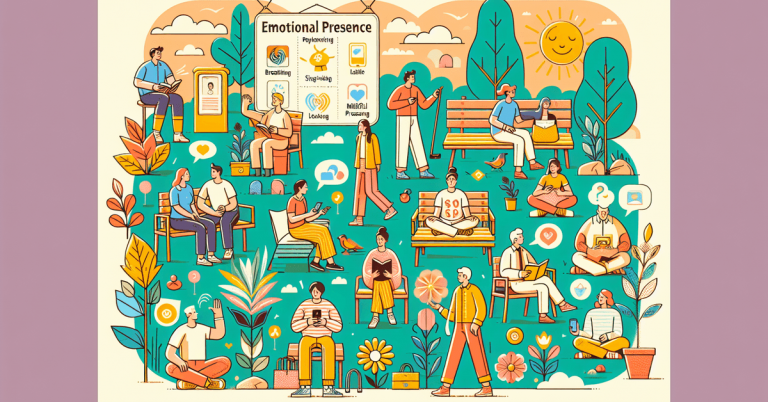
If I’m honest, I didn’t always pay much attention to my emotional wellness . Like many people, I thought pushing through tough days and ignoring how I felt was just part of adult life. But over time, it became clear that without emotional balance, everything—from work productivity to relationships—can start to unravel.
This article is for anyone feeling a bit overwhelmed, maybe slightly stuck, or just wanting concrete ideas to feel better day-to-day. Whether you’re dealing with stress, juggling family and career, or simply want to build resilience, I’ll share insights for creating healthy routines and small changes that nurture emotional well-being.
Why Emotional Wellness Matters in Daily Life
We talk a lot about physical health—exercise routines, nutrition plans, step counts—but emotional health often gets pushed to the side. For a long time, I treated my emotions as something to “deal with later,” only paying attention when I felt completely overwhelmed.
Once I started checking in with myself regularly—acknowledging stress instead of brushing it off, celebrating small wins, and talking through anxieties rather than letting them quietly pile up—I noticed subtle but meaningful changes. My thoughts felt less scattered.
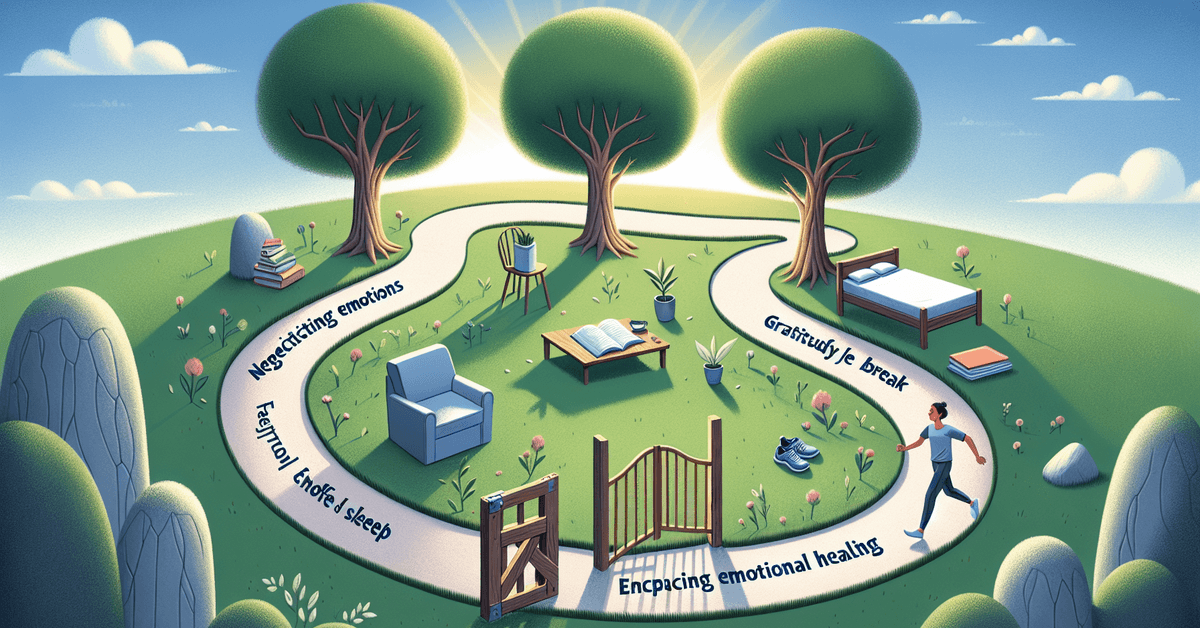
My reactions were calmer. Even sleep came more easily, and tasks that once felt draining became simpler to start and finish. It sounds almost too simple, but the impact was real.
Life’s everyday challenges don’t pause until we feel emotionally prepared. Traffic jams still happen, emails still carry sharp tones, bills still arrive, and disagreements with family or coworkers are unavoidable.
What can change, though, is how we meet those moments. When our minds are more organized and our emotional baseline is steadier, stressors don’t hit as hard or linger as long.
Instead of feeling consumed, we’re able to respond with perspective. That’s the real value of emotional wellness—not eliminating problems, but building the inner capacity to handle them with more patience, clarity, and resilience.
Building Healthy Emotional Habits
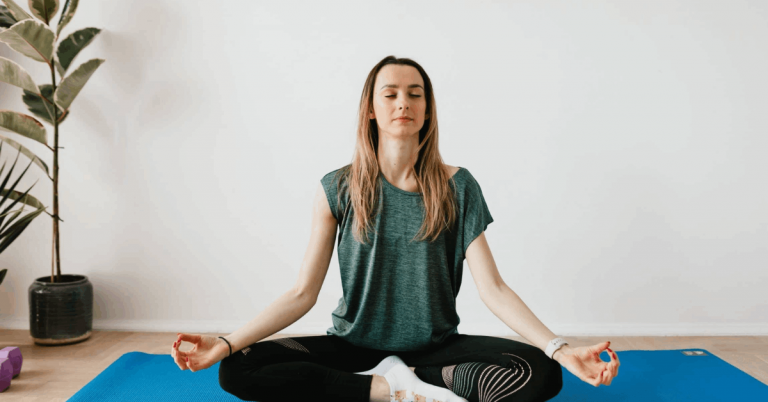
Finding stability in a busy world isn’t simple, but small habits make a difference. I try to set aside five minutes each morning for silence—no phone, no news, just breathing. It sounds unimpressive, but it helps me face whatever’s coming my way. Here are a few strategies that work:

Consistent Sleep Routine
Neglecting sleep always catches up with me. Quality sleep keeps emotions in check. I aim for a regular bedtime, even on weekends, and avoid screens late at night. Apps like Sleep Foundation have good tips.
Mindful Breaks During the Day
I often forget to pause, but short breaks truly change the day’s course. Sometimes it’s a walk, sometimes a cup of tea without multitasking. Mindful breaks lower stress—science backs this up, but honestly, you’ll just feel it.
Gratitude Journaling
This isn’t about toxic positivity. Personally, when I jot down two or three small things I’m grateful for (even if it’s just a decent lunch), it improves my perspective, especially on rough days.
Organizing Your Mind for Emotional Clarity
Mental organization isn’t talked about enough. If my thoughts are in disarray, I find myself irritable, distracted, overwhelmed. So, how do you tidy up your mind?
The Power of To-Do Lists
Writing things down organizes the chaos. I don’t just list work tasks; I add personal goals or reminders to check in with friends. Tools like Todoist can help, but pen and paper work fine, too.
Setting Boundaries
It took me years to realize that saying “no” now and then is vital for emotional balance. Maybe you relate? Letting go of people-pleasing frees up energy for what matters. It’s uncomfortable at first, but gets easier.
The Importance of Self-Care Rituals
Self-care isn’t just spa days or vacations—though I wouldn’t complain about more of those. It’s also the routine things: eating well, moving my body, enjoying hobbies. I used to think self-care was selfish. Now, I see it as maintenance for my emotional engine.
- Nourishing Meals : Cooking simple, healthy food helps me feel centered and a bit in control amid chaos.
- Exercise : Even a quick walk counts. Movement dissipates stress.
- Connection : Spending time with supportive people (sometimes virtually) is crucial for my mood.
Emotional Routines for Resilience
Emotional routines remind me that tough moments pass. Sometimes I’ll just sit with my feelings—no judgment, no need to fix. Other days, I repeat small affirmations or check in with a friend.
Short Meditation Sessions
Even a two-minute guided meditation can quickly ground me. I like the Calm and Headspace apps ( Calm, Headspace), or you could follow a free video online. Some days, this resets everything.
Allowing Emotions—Even the Tough Ones
Honestly, I don’t always want to feel sadness or anger. But bottling them up seems to make things worse. Recognizing emotions, maybe naming them aloud, helps me move forward. It doesn’t have to be perfect.
How to Build Long-Term Emotional Wellness
This is an ongoing journey, not a one-time fix. Some setbacks will surprise me—they always do. But by returning to these habits, I find a steadier version of myself. Here’s a brief table summarizing the core habits that have helped me most:
| Habit | Benefit | Tool/Resource |
|---|---|---|
| Consistent Sleep | Improved mood, stress relief | Sleep Foundation |
| Gratitude Journal | Positive perspective | Notebook or app |
| Mindful Breaks | Reduced overwhelm, clarity | Phone reminders |
| Exercise | Emotional stability | Fitness tracker |
| Setting Boundaries | More energy, less resentment | Read boundary-setting guides |
Further Resources for Emotional Wellness
If you’re interested, there are plenty of trustworthy resources that dive deeper into building emotional strength. For government-backed info, check out MentalHealth.gov . For practical tips on self-care, browse a few articles from our Emotional Wellness section. No shame in reaching out for extra support.
Final Thoughts and Motivational Call to Action
Emotional wellness isn’t a destination—it’s a collection of small, everyday choices. There will be ups and downs, and that’s okay. I still have days where I get overwhelmed or stuck, despite knowing all these strategies. But every small habit seems to build a kind of inner scaffolding; you might find the same.
If you feel inspired, pick just one habit from this article. Try it for a week, and see how you feel. And if you want more guidance, check out our related piece: Healthy Habits for Emotional Well-Being .
Your emotional wellness is worth it. Take one step today—you might be surprised how much lighter you feel.