Taking care of our emotional well-being isn’t always a priority—at least, not until the signs really start to show. Honestly, I’ve noticed that sometimes, we only start paying attention when things feel overwhelming or ‘off’. If you’re reading this, maybe you’ve been wondering whether you’re just stressed or if there’s something more going on beneath the surface.
This article is for anyone who feels a bit out of sorts, or who wants to genuinely understand when their emotional health might need more focus. By the end, I hope you’ll have a clear sense of what signs to look for and actionable ideas on what to do next—because noticing something early might just change everything.
Why It’s So Important to Notice Emotional Well-Being Signals
A lot of us are used to pushing through rough days, assuming they’re just part of life. But ignoring those emotional warning signs can quietly lead to bigger problems, even affecting our physical health. I think of it as being proactive, rather than reactive. When we spot those early hints, we can actually take steps before things spiral.

How Emotional Struggles Sneak Up on Us
Most of us don’t realize something’s wrong until it really starts affecting our routine. Maybe the early signals are subtle—like feeling tired for no clear reason or snapping at people over tiny things.
Occasionally, it’s hard to notice these escalating patterns without taking a step back. Sometimes, it’s only when someone else mentions a change in our behavior that we see it ourselves.
Common Signs Your Emotional Well-Being Needs Attention
No two people experience emotional turbulence in exactly the same way. Still, there are some universal signs that I’ve noticed tend to pop up time and again. I’ll list several below, but remember: even just one of these can be a sign that it’s time to pause and reflect.

Changes in Sleep Patterns
- Waking up several times a night?
- Struggling to fall asleep, or feeling unrested even after a full night?
These are classic indicators. Disrupted sleep often follows emotional stress. You might be worrying a lot more than usual—sometimes without realizing it. Internal link suggestion: How to Build Better Sleep Habits
Loss of Interest or Motivation
- Things that usually excite you suddenly feel dull?
- Hard to find the energy to start—or finish—routines?
Feeling flat or disengaged can be a subtle (but serious) sign of emotional burnout .
Mood Swings or Irritability
- Do you find yourself snapping, or feeling impatient?
- Moments of sadness followed by brief highs?
It’s normal to feel a range of emotions, but rapid swings or persistent irritability often point to stress or simmering anxiety that deserve attention.
Withdrawal from Friends or Family
- Do you turn down social invitations, even from close friends?
- Perhaps you feel safer alone, or just…numb toward others lately?
Social withdrawal can be protective at first, but if it’s becoming your main way to cope, it could signal deeper emotional trouble.
Physical Symptoms Without Clear Cause
- Frequent headaches or stomachaches?
- Unexplained aches or lingering fatigue?
It surprised me once to realize that my ‘random’ headaches were linked to unresolved worries. Emotional distress can absolutely show up as physical symptoms.
Difficulty Concentrating
- Do you lose your train of thought during conversations?
- Is reading or simple planning unusually hard lately?
An overloaded or anxious mind often finds it tough to focus. Mild forgetfulness is common, but if it’s persistent, it’s worth recognizing.
Increased Reliance on Numbing Behaviors
- Reaching for your phone, food, or TV just to ‘feel better’?
- Escaping into distractions more than usual?
We all need ways to unwind, but if avoidance grows, it’s wise to ask yourself why.
What Causes Emotional Distress?
Understanding the triggers behind these signs can make them less overwhelming. Sometimes, the causes are clear: a recent life change, relationship problems, or mounting work pressure. But other times, it’s a confusing mix. I’ve found it helpful to ask: is this a constant undercurrent, or tied to specific events?
Chronic Stress and Burnout
Continuous exposure to stress—without enough recovery time—can lead to emotional exhaustion . It sneaks up gradually, so don’t be surprised if it catches you off-guard.
Unhealthy Routines or Poor Self-Care
Neglecting sleep, skipping meals, and having no downtime consistently wear on your emotional resources. Honestly, I sometimes underestimate how much a small break or a healthier snack can help.
Lack of Emotional Expression
Many of us are taught to ‘just get on with it’. But bottling things up, instead of talking them out, tends to backfire—even for those who think they handle emotions well.
Tips to Support Your Emotional Well-Being Every Day
Not all solutions have to be complicated. Small, daily actions can add up over time. Still, what works for one person may not help another. I’d encourage you to experiment and stay patient. Here are a few tips I keep returning to:
- Create simple routines —Consistency helps shift mood and focus.
- Prioritize restful sleep —Give yourself a true wind-down period before bed.
- Connect with supportive people —Even a short, honest conversation can relieve tension.
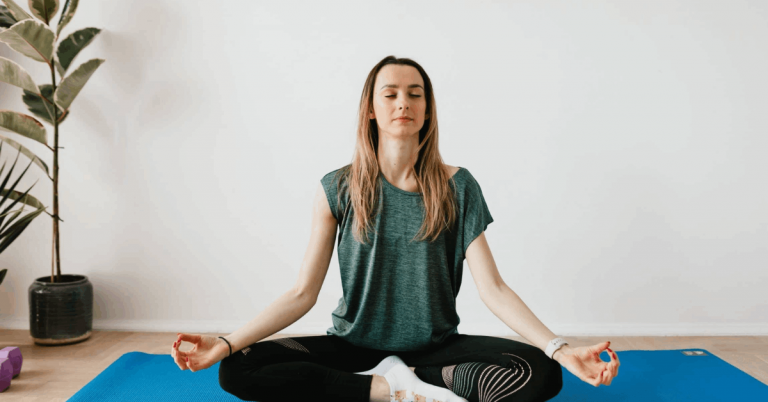
- Take five-minute mindfulness breaks—Focus on deep breathing, a quick stroll, or even gentle stretching.
- Allow yourself to rest—Don’t guilt yourself over needing downtime. Burnout can’t be ‘powered through’ forever.
- Reflect in a journal or voice notes—Sometimes, it’s easier to notice patterns when you see your thoughts on paper.
Visual suggestion: Insert a table comparing ‘Healthy Daily Habits’ vs. ‘Warning Signs to Notice’ for at-a-glance insights.
When (and How) to Seek Outside Help
Taking the step to reach out for professional help can feel daunting. I won’t pretend it’s easy—but sometimes, it’s truly the turning point. If your symptoms last several weeks, worsen, or start interfering with daily life, a therapist or counselor can offer tailored support. Official resources like Mind (UK) or NIMH have directories and tips for finding the right fit.
And, if you ever experience urges to hurt yourself or feel overwhelmed by hopelessness, don’t hesitate—seek urgent support right away. It’s never ‘just you’—lots of people experience these moments, and help is really available.
Conclusion: Small Signals, Big Impact – Pay Attention to Your Emotional Health
What’s most important, I think, is to trust your instincts when it comes to your emotional state. Noticing the early signs might feel awkward or unnecessary—but it’s so much easier to make small, positive changes than to recover from full burnout.
If you’re recognizing yourself in any of these warning signs, don’t wait. Try one supportive habit from above, or talk openly with a friend. Your emotional well-being is every bit as important as physical health. Take a small step today—your future self will thank you.
Action Step: Check out our guide to building an emotional health routine for more practical tips you can use every day.