
Most days move fast, so feelings blur into the background. With emotional self-awareness explained simply, you notice, label, and respond instead of reacting. It helps you think clearly, set boundaries, and recover after stress.
You do not need therapy jargon to practice it. You need quick check-ins that fit real schedules. This guide defines the skill and teaches simple exercises you can repeat. Each section adds one tool that keeps the habit easy.
What Emotional Self-Awareness Means in Everyday Life
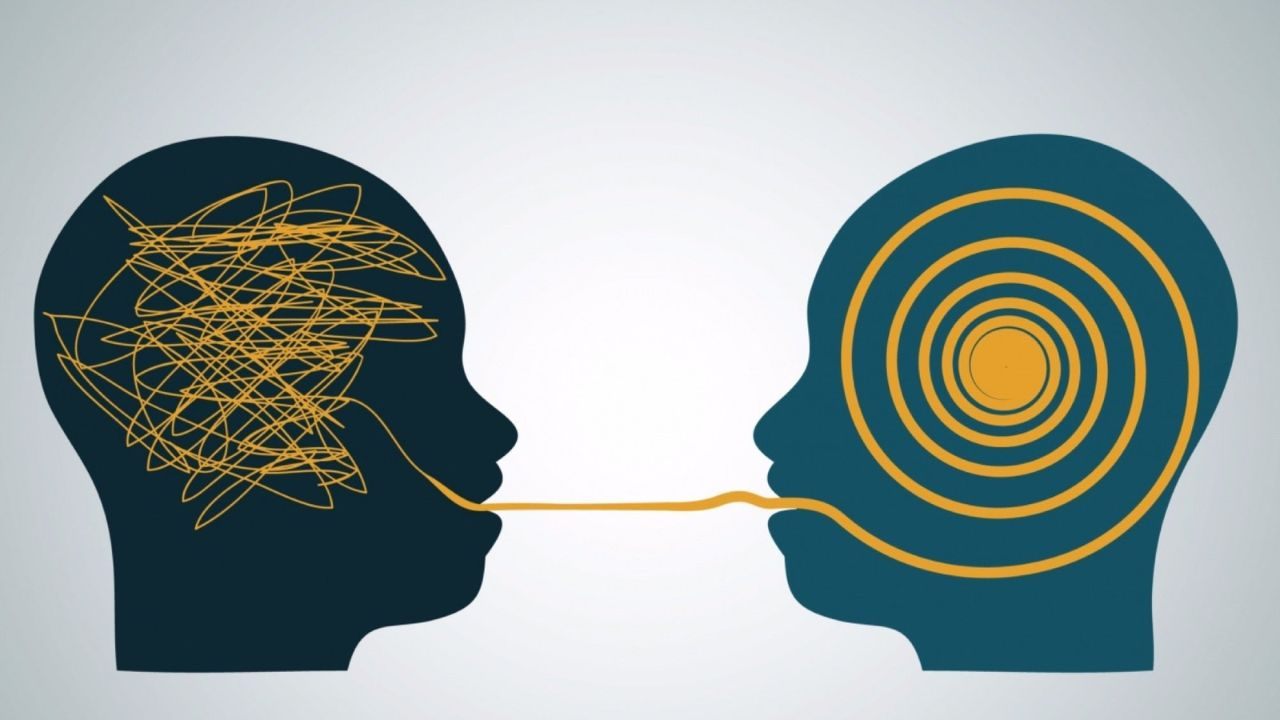
Emotional self-awareness is your ability to notice what you feel while it is happening. It includes naming the emotion, spotting body cues, and linking them to a need.

Without it, you may often act first and explain later. Practice builds a clearer internal dashboard for choices under pressure. It also reduces shame, because you separate feelings from actions. Treat emotions as information, not verdicts.
The Difference Between Feeling an Emotion and Understanding It
You can feel anger and still miss what the anger is protecting. Understanding arrives when you ask what expectation broke and what value was threatened. Also check whether you are tired, hungry, or overstimulated.
Identify the driver and your response becomes direct in the moment. Try finishing: I feel ___ because I needed ___. That quick frame creates a useful explanation you can act on.
Why Mislabeling Feelings Creates More Stress
Mislabeling makes emotions louder because your fix misses the point. If you call anxiety excitement, you may keep pushing into overload.
If you call sadness laziness, you may punish yourself instead of resting. Accurate labels narrow the problem and reduce mental noise.
Choose from basic categories first, like angry, sad, afraid, or joyful, then add detail. The result is less confusion when you need a next step.
Use the How We Feel App to Build a Stronger Emotion Vocabulary
The How We Feel app helps you label emotions with a guided list. You pick a feeling, add intensity, and tag context like work or health. Over days, the app shows patterns so triggers stop feeling random.
It also builds vocabulary, which improves awareness in conversations. Set one reminder and log in under a minute. Used consistently, it becomes a mirror for your emotional trends.
The Fastest Way to Notice Emotions Before They Take Over
Awareness fails when you notice emotions only after you snap or shut down. Catch the signal earlier and you have many more options.

Emotions show up in the body, then thoughts, then tone. A quick check-in helps you spot tension and urgency.
Over time, you build a reliable pause before behavior that protects your day. Practice the same method daily until it feels automatic.
The 30 Second Body Scan and Name It Method
Stop for thirty seconds and scan jaw, chest, stomach, and hands. Notice tightness, heat, or shallow breathing without trying to change it. Then name one emotion and rate intensity from one to ten.
Add one need, such as space, clarity, food, or support. If you cannot name the emotion, start with a body word like tense or heavy. This routine trains fast recognition during busy moments.
Spot Your Early Warning Signals Before You Snap or Withdraw
Early warning signals are small behaviors that show emotion is rising in yourself. You may speak faster, clench teeth, reread texts, or start doomscrolling. Pick two signals and write them down.
Treat them as a cue to pause, not a reason to judge yourself. Choose one micro action, like water, a short walk, or distance. Catching signals early leads to smaller reactions and faster repair.
Use Breathwrk to Calm Your Body So Your Mind Can Catch Up
Breathwrk is a breathing app that guides timed patterns with clear prompts. When your body is activated, these patterns lower arousal so your mind can label feelings.
Choose a two minute session before meetings or after tense messages. The app tracks streaks, helping you practice without overthinking.
Save two favorites, one calming, one focus, and reuse them. Consistency turns breathing into a quick bridge back to clarity.
How to Track Patterns So You Understand Your Triggers
Awareness grows faster when you track emotions instead of relying on memory. Your brain remembers moments but forgets patterns that build quietly.
Tracking shows what happens before irritability, anxiety, or shutdown. It also shows what supports you, like food, movement, or downtime.
The goal is a practical map of triggers and supports you update weekly. Keep the system simple so you keep using it regularly.
Identify Triggers, Needs, and Coping Habits Without Overthinking
When a strong feeling hits, log three facts in one minute. Note what happened, the emotion label, and what you did next. Then add the need you were missing, like rest, respect, certainty, or connection.
This separates the trigger from the response and reduces shame. Over time, you will see repeating themes, such as hunger, multitasking, or social tension. Those themes become clear targets for small changes.
Build a Weekly Emotion Map That Shows Your Most Common Patterns
At the end of the week, group your notes by time and setting. You might notice worry spikes after late scrolling or irritability after skipped lunch. Draw a simple grid with days and key emotions.
Mark the top two emotions each day, then circle common triggers. Choose one adjustment to test next week and keep the rest the same. This turns tracking into a clear experiment with feedback.
Use the Bearable App to Connect Mood With Daily Inputs
Bearable connects mood to inputs like sleep, meals, and stress. You log quickly with sliders and tags, then review clear weekly charts. Charts highlight correlations, showing what often comes before dips.
You can tag events like deadlines or conflict for context. Use the weekly report to choose one change, not a full overhaul. Done well, the app becomes a decision aid for your next week.
Emotional Self-Awareness in Conversations and Conflict
Self-awareness is most valuable when another person is involved. Conflicts escalate when you speak from a feeling you have not named.

Awareness helps you slow down, clarify what you want, and listen without defending. It also protects your tone in texts, where speed creates misunderstandings.
The goal is better connection through clearer emotional signals, not winning arguments. Start with a pause, then make one specific request.
The Pause Phrase That Prevents Saying the Wrong Thing
A pause phrase buys time when you feel flooded. Say, I want to respond well, so I need a minute. While you pause, scan your body and name the emotion silently. Decide what you need, such as clarification, space, or a break.
Return calmly with one clear sentence instead of a full speech, even in text. Practiced often, it creates space for a wiser response.
How to Name a Feeling Without Blame or Drama
To name a feeling without blame, lead with I feel and stay specific. Add the situation, the impact, and a request in plain words.
For example, I feel overwhelmed when plans change late, and I need earlier notice. Avoid always and never, because they trigger defense.
If you are unsure, name the body signal first, like tense or rushed. This approach supports clear communication without escalation.
Use CNVC Feelings and Needs Lists to Find the Right Words Fast
The Center for Nonviolent Communication provides feelings and needs lists online. The lists expand vocabulary so you label emotions accurately. They help you translate blame into needs, which lowers conflict.
When you feel stuck, scan the list and pick one feeling and one need. Build a sentence with I feel, when, and I need, then add one request. Used regularly, it becomes a quick script builder for hard talks.
A Two Week Plan to Build Emotional Self-Awareness Without Getting Overwhelmed
Self-awareness builds best with a short plan and repetition. Two weeks is enough to notice change without feeling trapped.

Week one focuses on noticing and naming, which trains attention. Week two focuses on patterns and choices, which turns insight to action.
Keep each practice under five minutes so you can do it daily. The goal is steady progress that survives real life, not perfect tracking.
Week One: Notice and Name With One Daily Check-In
In week one, choose one time for a daily check-in, like after lunch. Do the body scan, name the emotion, rate intensity, and note the trigger. Keep it short, because the habit matters more than detail.
If you miss a day, restart tomorrow without catching up. Use Todoist to set a repeating task with a quick checklist. This keeps practice consistent and builds daily awareness you can trust.
Week Two: Use Patterns to Choose Better Responses and Small Fixes
In week two, review notes and pick one recurring trigger to address. If afternoons bring irritability, adjust lunch timing or take a short walk. If late screens fuel worry, set a cutoff and switch to reading.
Keep logging daily, then do a weekly review of triggers and supports. Evernote helps by storing templates for check-ins and reviews. Templates make action clear and support one change you can repeat.
Conclusion
Emotional self-awareness is a skill, not a rare trait. When you label feelings early, you prevent them from steering your tone and choices. Weekly tracking turns days into patterns you can change. Over time, you earn more control when life gets messy.