We hear so much about emotional health and emotional wellness —sometimes acting like they mean the same thing. But do they? I used to think they were basically interchangeable, sort of two ways to approach feeling balanced.
But after digging in for myself (and honestly, struggling on my own emotional journey), I’ve realized they actually point to some different ideas. Let’s unpack what each term means, how they connect, and why that little difference might matter for you—even if you’re not sure you care just yet.
What Is Emotional Health?
Emotional health feels like one of those foundations people often overlook. To me, it’s about how well we manage our feelings, reactions, and relationships on a daily basis. Think of it as the core stability that keeps us steady, kind of like mental fitness for the heart.
Recognizing Emotional Health
Some signs of good emotional health might be:
- Handling sadness or stress without totally unraveling
- Feeling comfortable expressing emotions—maybe even the hard ones
- Having realistic expectations of yourself and others
Essentially, if you’ve ever bounced back after a tough day, communicated honestly (even awkwardly), or set a healthy boundary, chances are your emotional health is working for you.
Defining Emotional Wellness
Then there’s emotional wellness . At first, it sounds super similar, right? Honestly, I thought so too! But after reading and listening to a few experts, I see it as a broader approach—more proactive than just reactive.

What Does Emotional Wellness Look Like?
In my mind, emotional wellness is an ongoing process. It involves:
- Actively developing self-awareness around feelings
- Building habits for self-care and emotional nourishment
- Making choices that align with your values and emotional needs
So, emotional wellness isn’t just about reacting to stressful times, but about laying the groundwork before they happen. Similar to physical wellness—it’s the regular walks, the nutritious meals, and those small healthy choices, even on boring days.
Emotional Health vs Emotional Wellness: Key Differences
This is where the difference pops out. While emotional health is the state you’re in, emotional wellness is the practice that supports that state. It’s easy to blur them, especially since one naturally influences the other. Yet, separating them helped me rethink my daily choices.
| Emotional Health | Emotional Wellness |
|---|---|
| Current capacity to handle emotions | Active process to nurture emotions |
| Can fluctuate from day to day | Built over time through routines |
| Reflects how you cope/react now | Focuses on long-term habits and prevention |
Some days, my emotional health feels solid—I can take a setback and move on. Other days… well, not so much. But when I focus on my emotional wellness routines, over time those ‘off’ days have less power over me. That’s the magic.
Why Understanding the Difference Matters
Why does it matter to know which is which? Because if, like me, you sometimes overlook emotional needs until you’re burned out, being able to spot the difference offers new choices.
It’s not just about fixing problems when you’re already exhausted; it’s about building up resilience ahead of time.
For Example:
- If you feel overwhelmed by work, improving emotional health might mean asking for help or venting to a friend.
- But pursuing emotional wellness would look like regular check-ins with yourself, stress-relieving hobbies, or building a supportive community before the overwhelm sets in.
Not sure where you stand? That’s okay. I’ve found it shifts depending on life’s curveballs, but knowing both concepts helps me set realistic goals for myself—sometimes just making one tiny improvement is enough.
Habits and Routines for Emotional Wellness
If emotional wellness is about practices, what kind of habits actually help? I’ve tried a bunch (not all stuck, to be fair), but here are some that made a difference for me and others I know:
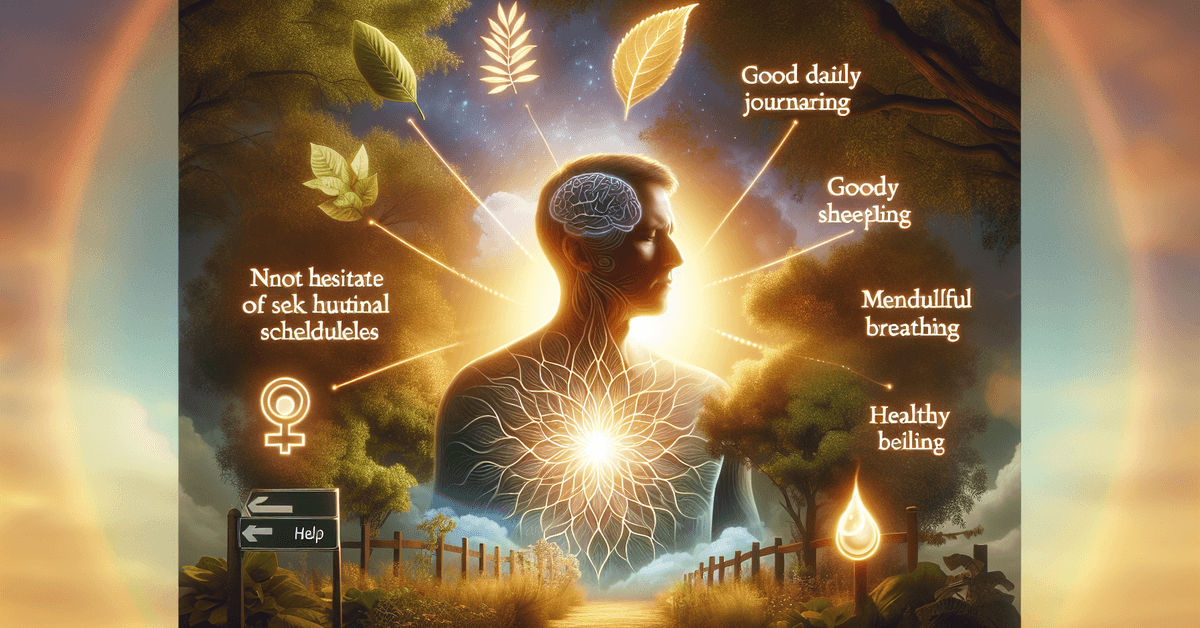
Daily Journaling
Pausing for five minutes—even if I only jot down a couple of feelings—helps me process before small things spiral. If you’re new to this, simple prompts can help, like: What’s one emotion I felt today?
Regular Sleep Routines
It sounds basic, but sleep (or the lack of it) plays a huge role in how we process stress. When I don’t get enough, I’m quicker to snap or withdraw. Aligning your sleep with your body’s needs supports your emotional baseline.
Mindful Breathing or Meditation
Even two or three minutes can reset my mood during a tough afternoon. Lots of free guided exercises are online— Calm is a good place to start.
Setting Boundaries
Learning to say ‘no’ (and meaning it!) made me realize which commitments energized me, and which drained me. Emotional wellness sometimes begins with giving yourself permission not to do everything.
How Emotional Health Supports Everyday Life
I’ll admit, sometimes I forget just how deeply emotional health underpins the rest of life—work, family, even physical health. If I’m emotionally off-center, it spills into my decisions and relationships.
- I’ve skipped opportunities because I doubted myself
- Or, on days I was resilient, I could take feedback and adapt instead of shutting down
Recognizing and working with my own emotional state is, perhaps, the single most valuable way I keep moving forward—even if it’s slow progress.
Warning Signs and When to Seek Help
Let’s be real—not all challenges can be met with a journal or bubble bath. If you notice that emotions are overwhelming or persistent (sadness lasting weeks, panic attacks, loss of interest in things you love), it might be time to reach out to a professional.
- MentalHealth.gov – Get Help
- Local counselors or helplines
- Talking with your doctor or trusted friend
There’s strength—not weakness—in asking for support. Sometimes I wish I’d done so sooner.
Internal Resources to Deepen Your Practice
- Explore our article on healthy habits for emotional well-being for small-scale routines
- Read about how sleep influences emotional health
- Check our self-care checklist for emotional balance
If you’re looking to broaden your toolkit, these guides can help embed new practices right where you need them most.
Conclusion: Start Wherever You Are
When it comes to emotional health vs emotional wellness , I think the biggest lesson is to recognize where you’re at right now. You don’t have to ‘fix’ everything. Maybe all that’s required today is noticing your mood, or making one gentle choice in your favor.
Over time, those choices add up. Why not try a habit or two? Take the first step to nurture your emotional wellness today—your future self will thank you. And if you want more ideas, check out the rest of our Emotional Wellness content . It’s okay to begin small. Actually, sometimes that’s exactly the place to start.