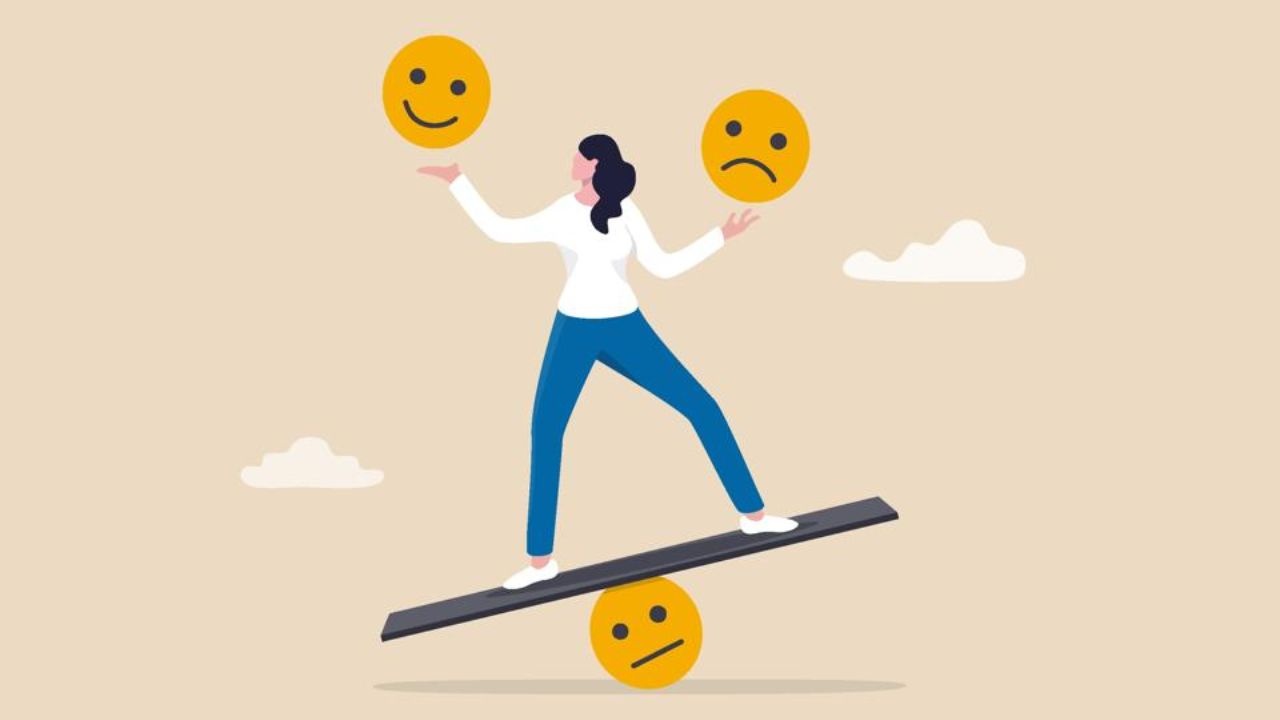
Emotional stability is not about staying calm all the time. Many people build daily habits for better emotional stability with small skills, not big overhauls. When stress piles up, your mind can jump to worst-case stories.
The habits in this guide fit busy days. They take minutes, not hours. You will name feelings, calm your body, clear clutter, and reconnect. Each section includes one app that supports consistency. Small routines add up when you repeat them.

Name The Feeling Clearly Before You Act In The Moment
When emotions stay vague, your reactions tend to speed up. Naming the feeling creates a pause before you speak or type.

It also keeps one moment from becoming a verdict. You do not need deep insight, just a usable label. Pair it with one need and one next step.
This habit supports clearer conversations and fewer regrets. Think of it as turning feelings into signals you can act on.
Use A Label, A Need, And One Safe Next Step
Start with one emotion word that fits the moment. Add the need under it, such as respect, rest, or clarity.
Notice the urge that comes with the feeling, like arguing or withdrawing. Take one slow breath and choose one safe next step for ten minutes.
Safe steps include water, a short walk, or delaying a reply. This keeps you out of automatic reactions when stress spikes. Repeat the loop until your tone feels steady again.
Separate Facts From Stories In Two Short Sentences
Write one sentence with only observable facts, then stop. Write a second sentence with the story your mind adds, then stop again.
Facts are camera-ready, like a late message or missed deadline. Stories add meaning, like rejection or disrespect.
Seeing the split cools the moment and reveals options. That is often enough to change your tone. It gives you space to respond instead of guessing motives.
Track Patterns Briefly Without Turning It Into Homework
Moodfit can store quick check-ins so your brain does not have to remember everything. Log the emotion label, the trigger, and one coping action in under a minute. Keep entries short and honest, especially on rough days.
Review once a week and look for repeat situations, not perfect charts. Then pick one small change to test next week. This makes progress easier to see and easier to keep. Your goal is insight, not a score.
Stabilize Your Nervous System In Under Three Minutes On Busy Days
Emotions feel louder when your body is on alert. Tight breathing and tense shoulders amplify every thought.

The fastest relief often comes from changing the body first. You are not ignoring feelings, you are lowering intensity so you can choose.
Practice these resets when you are calm so they show up later. Consistency matters more than variety for results. This creates a reliable off switch you can use anywhere.
Use The Physiological Sigh To Downshift Fast
Take a normal inhale through your nose. Add a second short inhale at the top without forcing it. Then exhale through your mouth until you feel empty. Repeat two or three times and notice your shoulders drop.
This pattern helps your body release tension and slow the stress response. Use it before replying to messages or entering a meeting. It is a fast reset that does not require privacy.
Build A Reset Cue For Your Most Stressful Moment Of Day
Pick one daily moment that triggers stress, like commuting or closing your laptop. Attach one reset method to that moment and repeat it every day.
Keep the method tiny so you do it even when rushed. Your system learns through repetition, not motivation.
If you forget, restart tomorrow without judging yourself. After a week, the cue becomes automatic and easier. That creates a protective buffer before emotions escalate.
Use A Short Guided Breath When You Need Direction
Othership offers short breath sessions that can guide your reset in real time. Choose one three minute option and repeat the same one daily.
Avoid browsing for new sessions at night, since choosing can wake your brain up. Use headphones if it helps you stay focused.
Stop when the timer ends and return to one simple task. This supports repeatable practice when you feel scattered. Keep it simple so the habit stays easy.
Reduce Mental Clutter With One Next Step List
Mental clutter makes feelings harder because your brain stays busy. When tasks float around, you carry pressure into relationships and sleep.

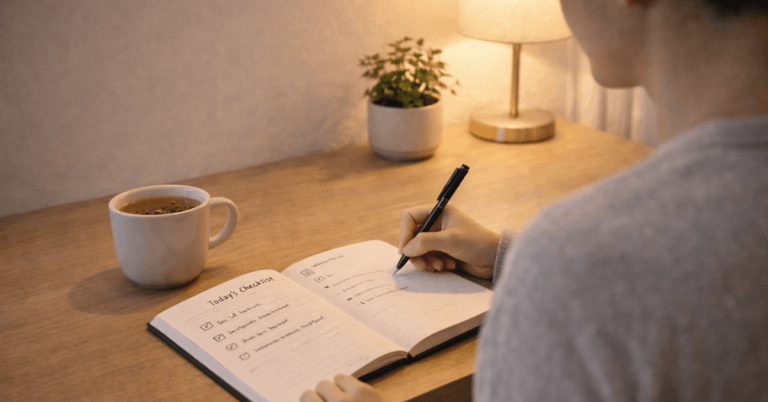
A next-step list is not a planner, it is a small capture you trust. It reduces late rehearsal by giving thoughts a place to land. Keep it short so it never becomes a chore. Your goal is clarity, not productivity. This creates mental breathing room for steadier moods.
Use A Two Column List To Shrink The Day
Make two columns: can act today, cannot act today. Move each worry or task into one of the two columns fast.
Pick one item from can act today and write the first tiny step. Start that step for five minutes and stop if needed. This reduces overwhelm because you stop treating everything as urgent.
Over time, the list builds a sense of control without overplanning. It also makes decisions feel less personal.
Set A Daily Shutdown Time And Treat It As A Boundary
Pick a time when planning ends, even if it is only ten minutes before bed. After that time, you can only capture notes, not build new plans.
This boundary reduces spiraling because your brain stops hunting for better answers. If you miss the shutdown time, start again the next night without guilt.
A clear end teaches your mind to stop working. That builds clean closure for emotional recovery. Over time, your evenings feel lighter.
Use A Routine App To Keep The List Simple
Tangerine can help by pairing your list with a small evening routine. Set two or three steps, such as capture, prepare one item, and shut down.
Track completion, not perfection, so the routine stays supportive. Keep the steps stable for a week before changing them.
Review once weekly and adjust only what feels too heavy. This keeps planning in its place instead of leaking into sleep. It also reduces the urge to over-optimize.
Strengthen Emotional Stability With One Micro Connection
Emotional stability improves when you feel supported, not always on call. Micro connection is a short check-in that does not demand a long talk.
It reduces isolation after a hard day and softens stress. The habit works best when it is predictable. Choose a person and a format that fits your life. Keep it brief, then return to your routine. This builds steady social support without draining you.
Send A Check-In That Includes One Detail And One Question
Send a check-in that shares one small detail from your day. Add one question that invites a simple reply.
Keep it under two minutes so it does not feel like a task. Avoid heavy topics right before bed unless it is urgent.
If you want warmth without typing, send a short voice note. Let the other person respond when they can. These check-ins build stronger bonds over time.
Keep Boundaries So Connection Stays Healthy
Micro connection should not turn into emotional labor. If you are tired, say you can talk tomorrow and follow through. If someone sends a long message, respond with one kind line and a time.
You can care without becoming the only support person. Boundaries prevent resentment, which protects emotional stability. They also reduce guilt, because expectations are clear. Clear limits create safer relationships on both sides.
Use Asynchronous Video When Live Calls Feel Too Much
Marco Polo lets you send video messages without scheduling a live call. You can record a short check-in and watch replies later. This format lowers pressure because you control timing and energy.
Keep messages under one minute so it stays easy. Use it with one trusted person and keep the tone simple. Aim for one message a day. When connection feels doable, stress settles faster on busy weeks.
Conclusion
Emotional stability comes from repetition, not perfect behavior. These four moves work because they are small, clear, and realistic. Name the feeling so you stop reacting blindly. Reset your body so intensity drops before decisions.
Capture one next step so your mind stops carrying everything. Add micro connection so stress feels less lonely. Practice one habit for a week before adding another. That is how daily habits for better emotional stability become part of your day.