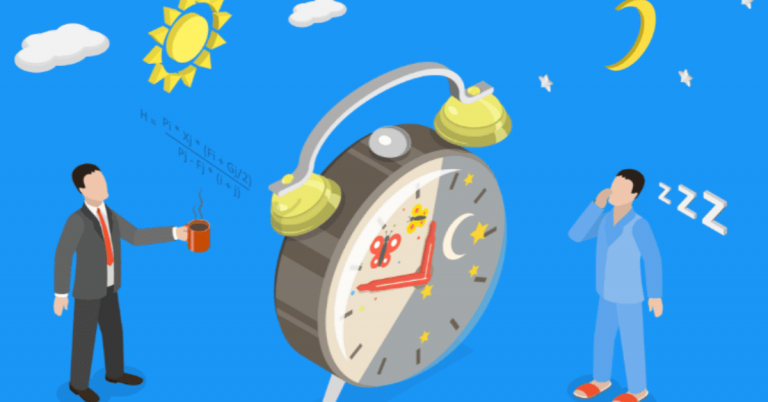
A long day ends, you finally get into bed, and you expect sleep to come quickly. You look around and realize a restful sleep environment is missing, even though you feel exhausted.
Light leaks in, your room feels stuffy, and small noises keep pulling your attention. You start shifting positions and checking your phone without thinking. You wake up feeling like you never fully shut down.
If you are new to improving sleep, this is a common starting point. In this article, you will learn practical steps you can follow in order. You will also learn how to test what works, so you do not waste time or money.

Why Your Environment Controls Sleep Quality
Your bedroom sends signals that tell your brain what comes next. Light, noise, temperature, and comfort shape how alert you feel at night.
If the cues say stay awake, you can feel tired but still wired. A supportive room lowers arousal, so sleep starts naturally and feels smoother. Control the cues, and your routine depends less on willpower and more on consistency.
Circadian Rhythm and Light Timing in Simple Terms
Your circadian rhythm is a 24-hour body clock that reacts strongly to light. Bright light at night tells your brain it is still daytime, even if you are sleepy. That delays melatonin and shifts your sleep window later than you want.
Dim, warm evening lighting helps your brain shift into rest mode. Morning daylight anchors the clock, making falling asleep more predictable.
Arousal Level and Why Calm Beats Tired
Feeling tired is not the same as being calm enough to fall asleep. Stress, late work, intense videos, and constant messaging keep your system activated. When arousal is high, your heart rate and thoughts stay elevated in bed.
A restful room reduces stimulation, helping your body switch into recovery mode faster. Calm is the bridge between a busy day and the deep sleep you need.
Sleep Stages and How Disruptions Reduce Recovery
Sleep has stages that support learning, mood, immune function, and physical recovery. Small disruptions can break these stages without fully waking you up. Noise spikes, light leaks, and overheating trigger micro-awakenings that reduce deep sleep.
You may still get 7 hours and wake up feeling drained and foggy. A steady environment protects the full cycle, so your sleep feels more restorative.
The Pillars of a Restful Room
A restful room is built on pillars that you can control with simple choices. The pillars are darkness, quiet, cool temperature, and physical comfort.

You do not need perfection, but you do need consistency on most nights. Each pillar removes a common sleep blocker and supports faster sleep onset. Start with the pillar that is easiest to improve in your space, then build from there.
Darkness and Light Hygiene
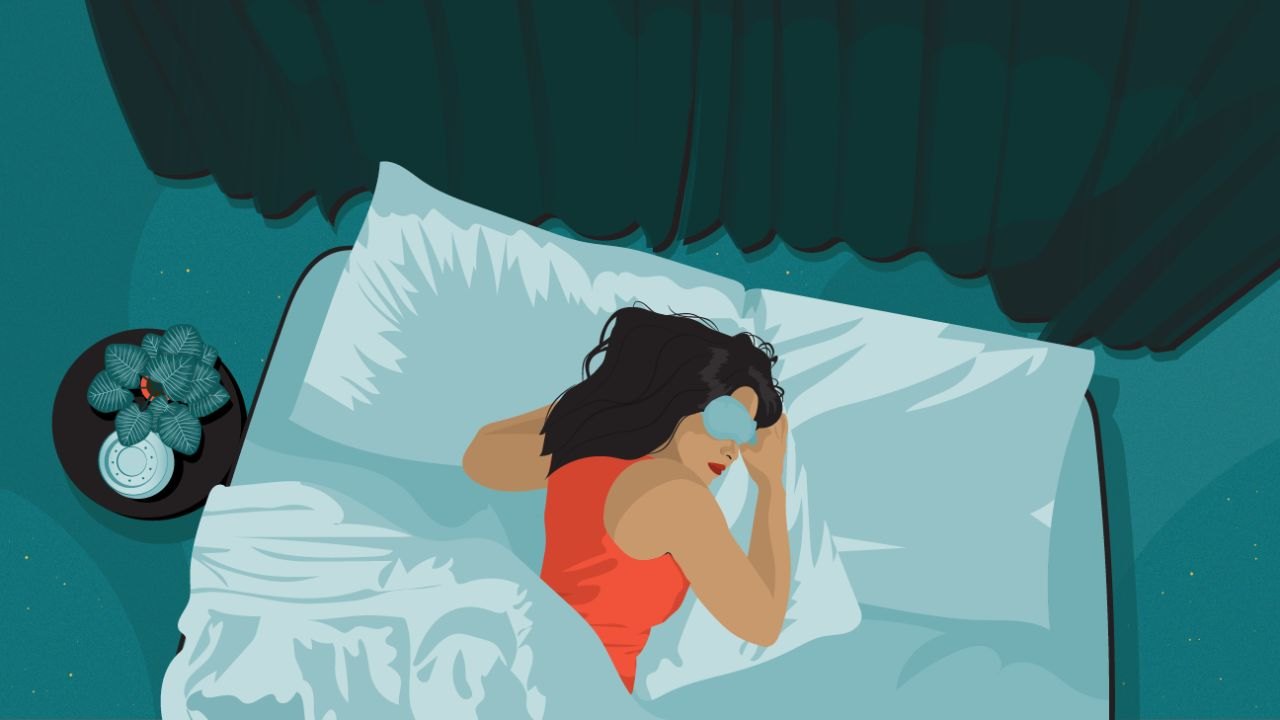
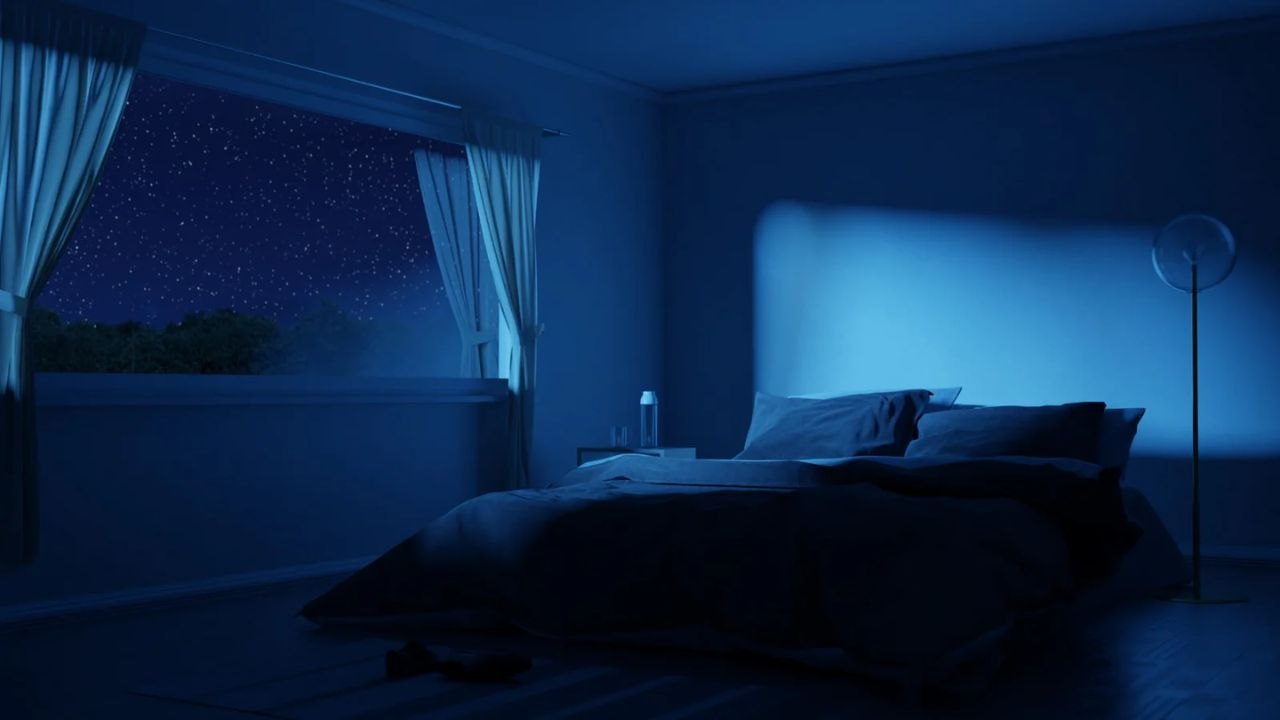
Darkness supports melatonin and helps your brain treat bedtime as a clear boundary. Dim the lights 60 minutes before bed and avoid bright overhead bulbs. Block outside light with curtains, a sleep mask, or by covering small gaps.
Lower screen brightness and stop notifications from flashing in a dark room. When your room stays dark, you fall asleep faster and wake up less often.
Quiet and Sound Buffering
Quiet matters because your brain stays alert to protect you during sleep. Even if you think you sleep through noise, your body can still react to spikes. Use steady sound, like a fan or white noise, to cover sudden changes.
Close gaps under doors, move rattling items, and keep your phone on silent. A quieter room reduces micro-awakenings and makes your sleep feel deeper.
Temperature and Air Quality
Most people sleep best in a cooler room because their body temperature drops at night. If your room is warm, you may toss and turn, waking up sweaty and restless. Use a fan, lighter bedding, or adjust the thermostat to stay comfortable.
Air quality matters too, so ventilate when possible and avoid strong odors. Cooler, cleaner air helps your sleep stay smooth and stable across the night.
Step-by-Step Ways to Create a Restful Sleep Environment
If you are new, the best approach is to change one variable at a time. Start with actions that cost nothing and take about 15 minutes tonight.
Add small purchases only if they solve a clear, repeatable problem. Over 30 days, refine comfort and build a routine that stays consistent. This step-by-step method prevents overwhelm and helps you see what actually improves sleep.
What to Change Tonight in 15 Minutes
First, lower light by using a lamp and turning off overhead bulbs. Next, set your phone to Do Not Disturb and place it across the room.
Clear the bed area so it feels calm when you lie down. If outside light is strong, block the brightest leak with a towel. Finish with 5 minutes of slow breathing or gentle stretching.
What to Change This Week With Small Purchases
Buy only what fixes your biggest barrier, not what looks trendy online. If light is the issue, start with blackout curtains or a sleep mask.
If noise is the issue, try a white noise machine or a fan. If heat is the issue, choose breathable sheets and adjust bedding weight. Targeted upgrades often help more than expensive gadgets, so keep it simple.
What to Change Over 30 Days for Long-Term Results
Over 30 days, focus on comfort and repeatability instead of constant changes. Check pillow and mattress support by noting neck and back comfort each morning. Keep a stable bedtime window on most nights so your body learns the pattern.
Get about 10 minutes of morning daylight to anchor your timing. Review the room weekly to clear clutter and adjust one pillar if needed.
Common Mistakes Beginners Make When Fixing Sleep
Beginners chase fast fixes because poor sleep feels urgent and frustrating. The basics drive most results, so skipping them wastes time and money.

If you ignore light and temperature, many changes will feel weak and inconsistent. Another issue is changing too many things at once, which makes the results unclear. A focused plan with a few pillars works better and builds confidence.
Overdoing Supplements Instead of Fixing the Room
Supplements can help some people, but they cannot overpower a stimulating bedroom. If your room is bright, noisy, or hot, your body will resist sleep each night. Some products vary in quality, and that can create confusion about what is working.
Fix light, sound, temperature, and comfort first, then reassess your needs. If sleep problems persist, consider speaking with a qualified health professional.
Buying Gear Without Solving Light and Temperature
It is easy to buy new sleep gear and expect instant change. But the most common disruptors are light leaks and overheating, not missing products. A premium pillow will not help if your room stays warm overnight.
Start with blackout options and cooling strategies before upgrading accessories. Spend money only after you identify the real issue and can explain why it matters.
Using the Bed for Work and Training Your Brain to Stay Awake
Your brain learns associations, so the bed should signal sleep, not stress. If you work or scroll in bed, you train your mind to stay alert.
Then, when you lie down, thoughts speed up, and sleep takes longer. Set up a work spot outside the bed, even a chair. Keep the bed for sleep and a short wind-down so the cue stays clear.
How to Know Your Sleep Environment Is Working
You do not need fancy trackers to see if the environment is working. Look for changes you can feel in the morning and observe at night.
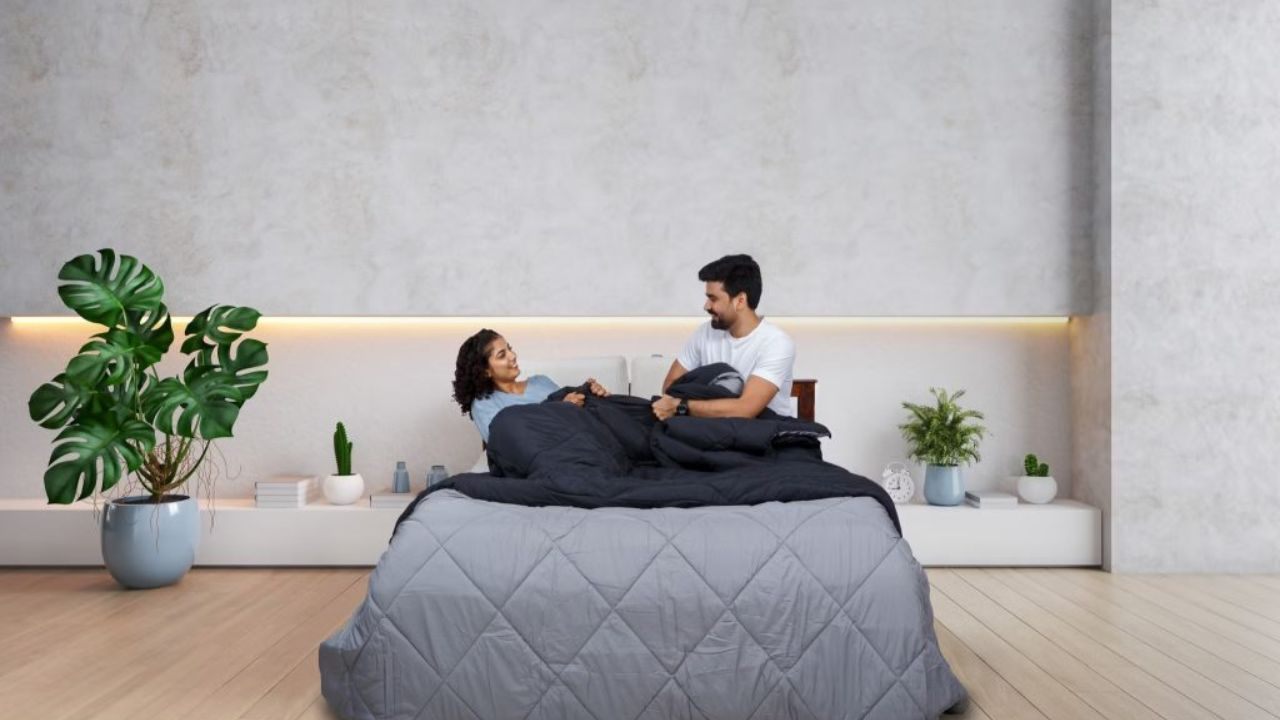
Over 2 to 3 weeks, you should fall asleep faster and wake fewer times. Daytime energy and focus should feel steadier during normal tasks. If progress stalls, adjust one pillar, test 7 nights, and stay objective.
The Morning Test: Energy, Mood, and Alertness
A better room usually shows up first in how you feel after waking. You may notice less grogginess and a steadier mood in the first hour. Your morning appetite can feel more normal, with fewer intense cravings.
Pay attention to focus during simple tasks, like reading or making a plan. Write a quick note for 14 days, because trends matter more than one bad morning.
The Night Test: Time to Fall Asleep and Wake-Ups
At night, note how long it takes to fall asleep after lights out. Many beginners improve when they cut light and noise, even with the same bedtime. Track wake-ups, especially those caused by heat, light leaks, or sudden sounds.
If you wake, identify the cue and remove it the next night if possible. Over 2 weeks, sleep should feel smoother in a stable room.
Conclusion
A restful sleep environment comes from small, repeatable choices that reduce stimulation. Start with darkness, quiet, cool temperature, and comfort, then adjust one pillar weekly.
Use the 15-minute reset tonight and add only the upgrades you truly need. Track time to fall asleep and morning energy for 14 days. With consistency, your room will support deeper sleep and better days.