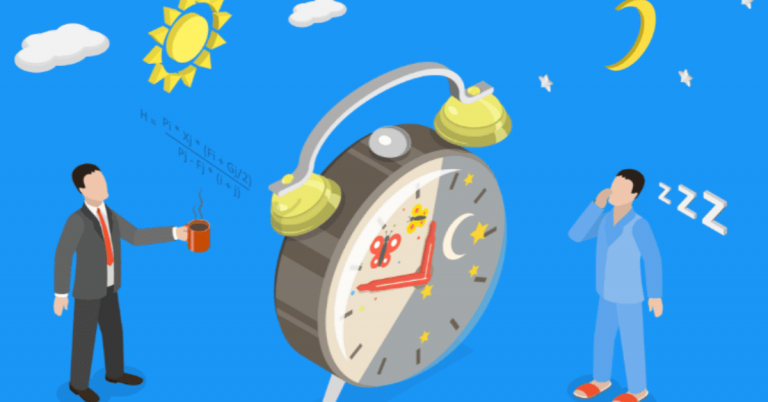
Sleep affects stress, focus, and emotions. To learn how to build better sleep patterns, you need a plan you can repeat. Small cues teach your body when to be alert and sleepy. A healthy pattern is not perfection; it is consistency you return to.
You will learn what healthy sleep looks like. Then you get four methods, each paired with a practical tool. Start with one change, test it for a week, and keep what works.
What A Healthy Sleep Pattern Looks Like
A healthy sleep pattern means steady timing, solid sleep, and daytime function. You fall asleep within a reasonable window and wake close to the same time.

Harvard Medical School’s sleep education explains how the circadian rhythm supports stability. Your mood feels less reactive when your brain is not running on fumes. One late night can happen, but you return quickly. That return matters more than a perfect streak.
Healthy Pattern Versus Random Sleep
Random sleep means bedtimes and wake times swing by hours across the week. Your body clock then sends mixed signals, so you feel wired at night. A healthy pattern creates a predictable window when drowsiness shows up.

Predictability beats strict rules because it fits real-life demands. Use Harvard Sleep Education to learn sleep drive and timing basics. Then compare weekdays and weekends to find where the drift starts.
Signs Your Pattern Is Working
You know the pattern is working when sleep feels simpler, not fragile, at home. You fall asleep faster on most nights and wake fewer times. Harvard guidance points to daytime function as a practical marker.
Daytime energy is steadier in late morning and early afternoon. You rely less on caffeine just to feel normal during work hours. If mornings feel easier, your pattern is improving.
The Most Common Pattern Breakers
Common pattern breakers include wake time drift, late caffeine, and late work stress. Alcohol, heavy late meals, and late workouts can fragment sleep in subtle ways. Harvard resources warn that irregular schedules weaken circadian alignment over time.
Clock checking increases pressure and can keep you awake longer. If life is hectic, protect one anchor habit first. Start with wake time, then adjust evenings in small steps.
Lock In A Wake Time Anchor
Wake time consistency is the strongest driver of stable sleep timing. When wake time is steady, your body learns when to build sleepiness.

Wake time is your main lever for retraining a disrupted pattern. Rise Science can estimate sleep debt and suggest a bedtime window.
Use it to guide choices, not to chase a score. Once mornings stabilize, evenings are easier to shape with confidence.
The 45 Minute Wake Window Rule
Choose a target wake time and keep it within a 45-minute window. This keeps your body clock steady while allowing real-life flexibility.
If you sleep in much later, your next bedtime often shifts later, too. A tighter wake window reduces drift and supports consistency.
Rise Science can show how wake timing affects sleep debt. If you need more sleep, move bedtime earlier slowly.
What To Do After A Bad Night
After a bad night, do not try to fix it by sleeping late. Keep your wake window, get daylight, and eat at normal times. Use Rise Science to confirm that one poor night is recoverable.
Staying on schedule builds pressure so the next night can improve. If you nap, keep it short and earlier in the day. Then follow your wind-down without forcing sleep again.
How To Track Pattern Shifts Without Obsessing
Tracking helps when it informs action, not when it adds stress. Track three points only: wake time, bedtime range, and one energy rating.
Simple tracking keeps you calm and makes it easier to maintain habits. Rise Science can summarize trends, but your morning feeling matters most.
Review results weekly and change one variable at a time. When things improve, stop tweaking daily and let the pattern settle.
Use Morning Light And Daytime Rhythm Cues
Light is a strong signal that sets your internal clock each day. Bright light early helps your brain to sleep less later at night.

Morning light supports mood by lowering grogginess and steadying energy. The Lux Light Meter shows whether your environment is bright enough indoors today.
You do not need perfect weather; you need a repeatable cue. Pair light with movement and regular meals for rhythm.
Light In The First Hour
Aim for bright light within the first hour after waking. If you cannot go outside, sit near a window and brighten indoor lights. Lux Light Meter helps you compare a dim morning to a brighter one.
Early light exposure helps timing so drowsiness arrives more reliably at night. Keep the routine short so you actually do it daily. Even five to ten minutes is a start.
Movement Timing That Builds Sleep Pressure
Daytime movement builds sleep pressure and reduces restlessness at night. You do not need intense training, but you do need regular activity. A brief walk after lunch can lower tension and sharpen focus.
If you can, do it outside to combine movement and light. Lux Light Meter can confirm that the light level is meaningful. Avoid hard workouts very late if they wear you.
The Afternoon Slump Fix That Does Not Backfire
Afternoon slumps can trigger caffeine or long naps that hurt night sleep. A small reset protects sleep while still helping you finish the day. Start with water, a walk, or a snack with protein and fiber.
If you nap, keep it around twenty minutes and avoid late afternoon. Move to a brighter space when you feel foggy at work. Use the Lux Light Meter to pick the best spot.
Reduce Evening Alertness With A Short Wind Down
Better sleep patterns require lower alertness before bed. You need cues that signal the day is ending, even on busy nights at home.

ScreenZen can limit app opens and schedule quiet periods for your evening routine. Evening boundaries reduce reactivity by preventing your brain from scanning for demands.
Pick a wind-down start time and protect it most nights, including weekends. Short routines work when they are consistent and easy.
The Two Check Windows Method
Set two windows to check messages and social apps in the evening. Outside those windows, use ScreenZen limits to block automatic app opening. Fewer interruptions lower stress and reduce late mental looping over small issues.
Make the last check window end at least thirty minutes before bed. If you must stay reachable, allow calls only from key contacts. This keeps the connection possible without constant stimulation at night.
A Calm Replacement Plan For Scrolling
If you stop scrolling with no replacement, your brain searches for a quick reward. Choose one calming replacement, such as reading, light stretching, or quiet music. A planned substitute prevents relapse on nights when you feel tired.
Use ScreenZen to block your most tempting apps during wind down. Keep lights dim and avoid heated topics late. If you slip, restart the plan the next evening without shame.
A Message Cutoff That Protects Sleep
Late conversations can trigger emotion and problem-solving right before bed. Choose a cutoff time when you stop replying to nonurgent messages. A clear cutoff protects recovery because your mind stops expecting more input.
Use ScreenZen’s scheduled focus time to automatically support the rule. If you must respond, keep it brief and delay deeper discussion. Over time, people adjust to your boundary, and your sleep becomes steadier.
Make Your Bedroom A Strong Sleep Cue
Your bedroom should make sleep easier, not fragile, every night. Aim for a space that supports deeper sleep and fewer wakeups all week, even if you share it.

Strong bedroom cues guide sleep because your brain links the room with rest. Tide offers soundscapes and timers that can mask noise spikes. Use it as support, not as a distraction. Start with temperature, then fix light leaks and noise.
Cooling And Bedding Layering
Many people sleep better in a slightly cool room than expected. Use bedding layers so you can adjust without fully waking. If you wake up sweaty, change one variable, like lighter bedding or more airflow.
Cooling supports deeper sleep because your body naturally cools down at night. Tide can add a steady sound if a fan is not an option. Keep the change for a week before judging.
Light Control With Simple Fixes
Light signals your brain to stay alert, even through closed eyelids at night. Block streetlight with curtains, cover LEDs, and keep screens out of view. Darkness supports melatonin and can reduce early wakeups for many people.
If you need a night light, keep it dim and low near the floor. Use Tide timers so sound fades if you prefer quiet later. Small light fixes often beat complex routines in practice.
Noise Masking And A Two Week Stability Plan
Noise can fragment sleep even when you do not remember it. Identify the source and choose one strategy you can keep.
Earplugs work for some, but others prefer steady sound. Steady sound masks spikes better than silence, and Tide can run on a timer.
For two weeks, practice building better sleep patterns by changing one category each week and noting the results. Keep what improves mornings and drop what adds effort.
Conclusion
Better sleep patterns come from repeatable cues, not perfect nights. Keep your wake time steady first, then use morning light and daytime rhythm to support natural sleepiness.
If sleep still feels broken or daytime functioning is impaired, get professional support and bring your notes.