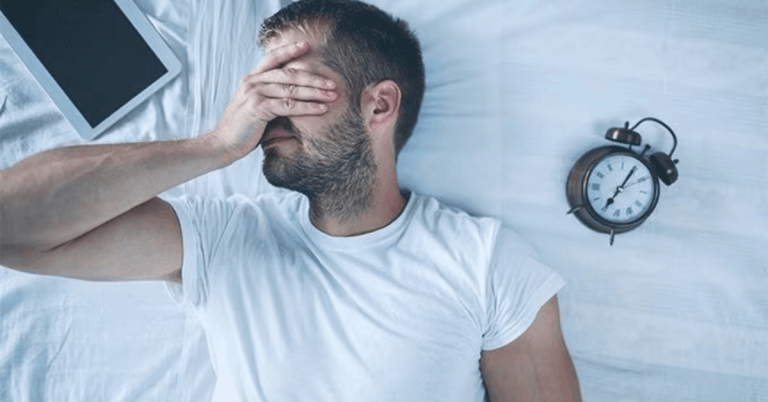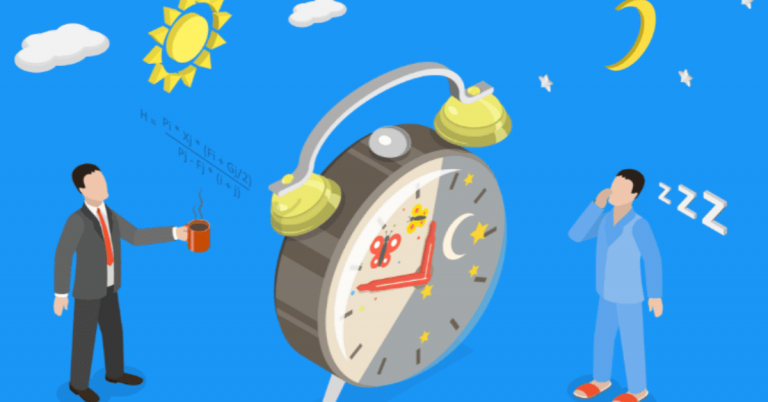
Sleep does more than restore energy—it shapes how you respond to everyday challenges. How Sleep Supports Emotional Regulation is essential to staying calm, thinking clearly, and handling emotions well.
This article will guide you through the science behind sleep and emotion, the risks of sleep loss, and practical ways to improve your rest. You’ll learn how better sleep can lead to better emotional control in daily life.
What Emotional Regulation Really Means?
Emotional regulation helps you respond to feelings in ways that don’t harm you or others. It supports clear thinking, social connection, and better decision-making under pressure.
How the Brain Regulates Emotions?
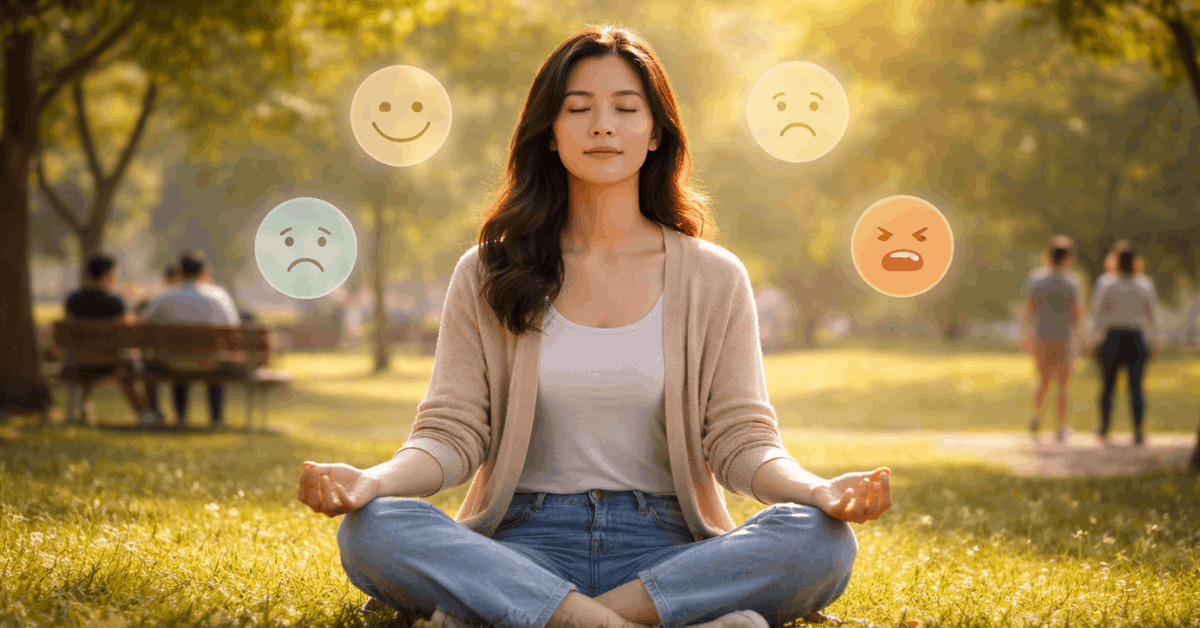
The brain’s emotion centers are heavily tied to sleep. The prefrontal cortex helps you stay rational during stress, while the amygdala reacts emotionally.
When you’re sleep-deprived, the amygdala becomes more reactive, and the prefrontal cortex struggles to stay in control. This leads to snap reactions, irritability, and poor stress recovery.
Types of Emotional Regulation
There are two main ways people manage emotions—some help you recover, others make things worse. These strategies are shaped by sleep and affect how you respond under stress.
- Adaptive Regulation – Includes healthy responses like pausing before reacting, reframing negative thoughts, or using calming techniques. These help reduce emotional intensity and improve recovery.
- Maladaptive Regulation – Involves negative reactions like yelling, avoiding others, or overthinking. These increase stress, harm relationships, and often make feelings worse.
Good sleep helps your brain choose adaptive responses more easily and reduces the chance of using harmful patterns.
What Happens Emotionally When Sleep Is Lacking?
Missing sleep causes more than fatigue. It directly weakens your ability to manage emotions.
When sleep is cut short, the brain becomes emotionally unstable. You get frustrated more easily and overreact to small problems.
Even positive emotions feel flat. Over time, poor sleep causes emotional numbness or burnout, making recovery harder.
Sleep Stages and Emotional Processing
Different stages of sleep handle different emotional tasks.
REM sleep is especially important for mood regulation and emotional balance.
During REM sleep, your brain processes intense memories and reduces their emotional charge. This is why dreams often involve stress or strong emotions—they’re part of your emotional clean-up.
Without enough REM sleep, emotional memories stay raw, and your reactions become more intense. Deep sleep stages also help reset stress hormone levels, giving you a fresh baseline.
How Stress Hormones Change With Sleep?
Sleep directly affects cortisol, the hormone behind your stress response.
You feel calmer during the day when cortisol cycles are stable.
When you sleep well, cortisol drops at night and rises gradually in the morning. But poor sleep causes elevated cortisol throughout the day, keeping you in a fight-or-flight mode.
This leads to chronic tension, anxiety, and a short temper. Sleep also affects serotonin and melatonin—two other key chemicals for emotional stability.
Who Is More Affected by Poor Sleep?
Everyone needs rest, but some people feel the emotional effects faster.
Let’s break down how sleep affects teens and adults differently.
Teenagers and Emotional Volatility
Teens are more reactive when sleep-deprived. Their brains are still developing, especially the areas involved in control and impulse.
Without enough sleep, they get overwhelmed quickly and recover slowly. School schedules that clash with natural sleep rhythms make things worse.
Adults and Emotional Fatigue
Adults are better at hiding emotion but not immune to the damage. Long-term sleep loss causes low patience, mental fog, and emotional detachment.
Over time, it adds up to burnout, increased anxiety, and reduced empathy. Emotional exhaustion becomes harder to reverse without rest.
Everyday Habits That Improve Sleep and Emotion
You can protect your emotional stability by adjusting your routine.
Here are daily habits that support deeper rest and stronger regulation.
Keep a consistent sleep schedule to help your body regulate cortisol and mood automatically. Avoid screens an hour before bed because blue light blocks melatonin and raises alertness.
Use a wind-down routine like stretching, journaling, or deep breathing to signal the body to relax. Create a quiet, cool sleeping environment to avoid waking during deep or REM sleep. Limit caffeine after noon so your body can naturally shift into sleep mode.
Sleep’s Role in Mental Health and Therapy
Good sleep supports recovery from mental health struggles.
It also makes therapy work better by improving emotional resilience.
Therapies like CBT-I (Cognitive Behavioral Therapy for Insomnia) teach sleep routines while also working on emotional thought patterns. It’s often used alongside anxiety or depression treatment.
Mindfulness-based techniques also help by calming emotional overactivity and reducing stress hormones before bed. When both sleep and emotion are supported, progress becomes more stable.
How to Track the Sleep–Emotion Link?
Tracking your sleep can help you identify emotional patterns.
This makes it easier to improve both over time.
Use a mood and sleep journal to note how you feel each morning and night. Over a week, you’ll see what changes affect your emotions most.
Apps and wearables also offer sleep stage tracking if you want more data. Add weekly emotion check-ins so you can spot highs and lows tied to sleep habits.
Short-Term Fixes for Sleepless, Emotionally Rough Nights
Sometimes you won’t sleep well. It happens. Here’s how to limit emotional damage the next day.
Take a short walk in the morning to balance stress hormones. Delay important decisions until after a meal or break to avoid emotional bias.
Use deep breathing or grounding exercises to stay calm when overwhelmed. Write down intrusive thoughts before bed to clear mental clutter. These micro-adjustments help you bounce back emotionally even when sleep fails.
Common Disruptors That Affect Sleep and Emotions Together
Your routines, environment, and habits can all impact rest and mood.
Here are the biggest factors to watch.
Inconsistent sleep timing confuses your body’s rhythm and destabilizes your emotional baseline. High screen time before bed overstimulates your brain and increases stress levels.
Too much evening caffeine or heavy meals keep you alert too long, pushing sleep later. Unmanaged stress or overthinking activates the nervous system and makes emotional calm impossible at night. Fixing these improves both sleep and emotional readiness the next day.
When to Seek Help for Sleep and Emotional Struggles
Sometimes self-care isn’t enough. Knowing when to ask for support is key.
If poor sleep lasts more than two weeks and your emotions feel out of control, reach out. You may be dealing with anxiety, depression, or another condition tied to sleep dysfunction.

A therapist or doctor can guide you toward a solution. Don’t wait—early action leads to better emotional recovery.
Final Reset: Why Your Mood Starts With Sleep
Good emotional control isn’t just about discipline—it begins with rest. You can’t regulate well if your brain hasn’t had time to reset.
Understanding how sleep supports emotional regulation helps you stay mentally clear, emotionally calm, and socially grounded. Start treating sleep as a core part of emotional self-care—it’s one of the simplest tools you already have.