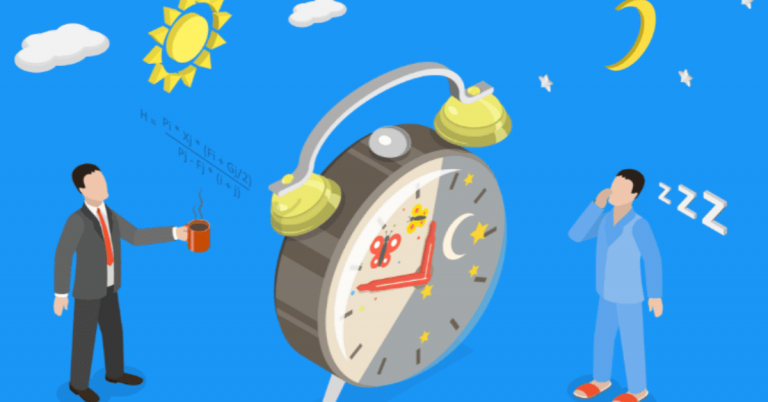
Energy can feel unpredictable on busy days. This guide on how to build a simple self-care routine gives you a structure you can follow. It supports emotional well-being, daily energy, and sleep without long rituals.
You will build four simple anchors: morning, midday, evening, and bedtime. Each anchor uses short steps you can finish in minutes. Each section includes one app to support consistency. Start small, keep it realistic, and let repetition do the work.
Build A Morning Anchor That Starts Your Day Steady
A simple routine starts with a morning anchor because your first hour shapes your mood. Pick a wake window you can keep days so your body learns rhythm.
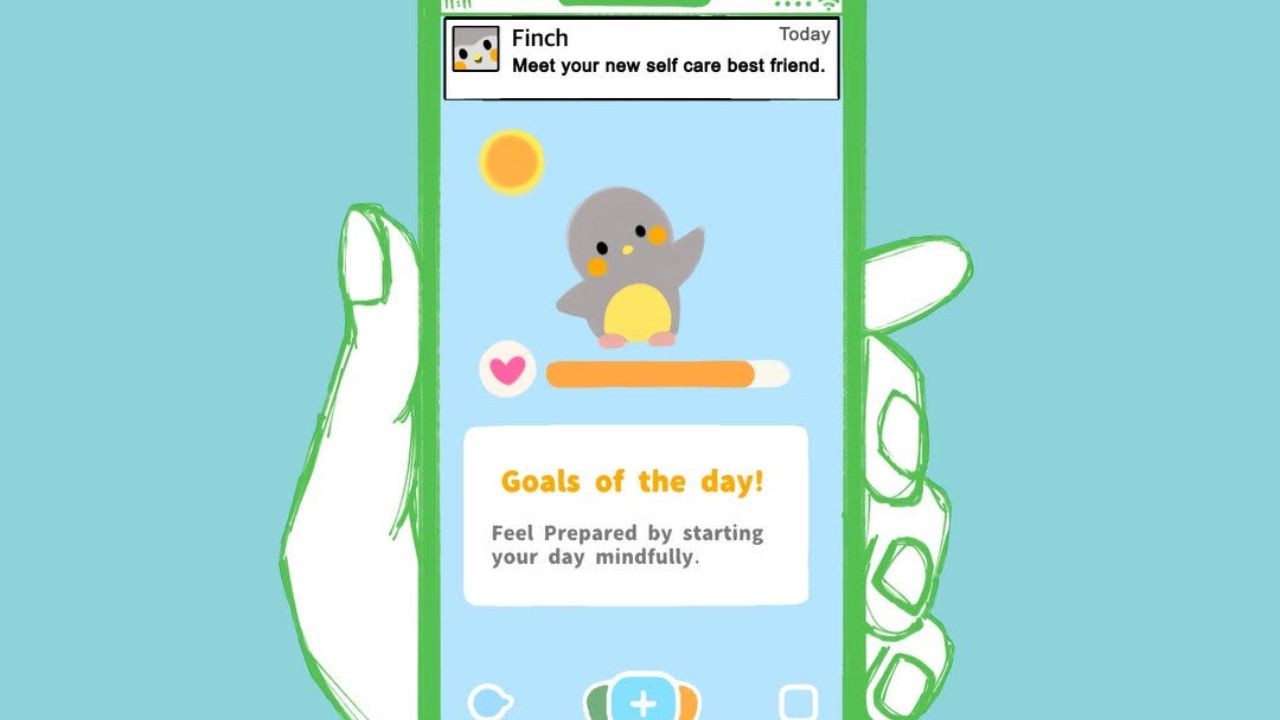
Finch can guide your check-in when mornings feel scattered. Keep the anchor short so you do not skip it when tired. Aim for a calmer start, not a perfect morning. Once this anchor is stable, the rest builds.
Choose A Wake Window You Can Repeat
Choose a wake time range of 30 to 60 minutes and treat it as your default. Use one alarm, stand up, and open curtains to send a daytime signal. Avoid messages first, because early scrolling raises mental noise.

If you slept badly, still get up within the range and plan an earlier night. Consistency matters more than intensity. After a week, mornings feel predictable again.
Add A Two Minute Grounding Habit
Add a two-minute grounding habit right after you get out of bed. Try five slow breaths, a brief stretch, or a short walk for water. Choose something so easy you never debate it.
Grounding lowers stress before the day starts demanding attention. If anxiety hits early, name one feeling and one need to yourself. This tiny reset improves emotional control without adding real time.
Set One Intention For The Day
Set one daily intention that defines what success looks like today. Write a single sentence like “Stay steady in meetings” or “Finish one key task.” Keep it visible so your brain stays oriented when stress rises later.
Skip long morning lists, because they can trigger pressure. If you have several priorities, choose the first one only. This reduces decision fatigue and keeps your energy focused.
Use Finch As A Gentle Reminder System
Use Finch as a prompt system, not another job you must manage. Do a quick mood check-in, then attach your anchor to one or two goals. When you earn progress, the app reinforces follow-through without streak pressure.
Keep notifications low and schedule them after your wake window. If you miss a day, return to the anchor. Over time, the habit becomes yours, and the app stays optional.
Create A Midday Reset That Prevents Burnout Creep
Midday is where people lose energy and patience, so a reset anchor keeps you steady. The goal is to prevent burnout creep with breaks that fit workdays.
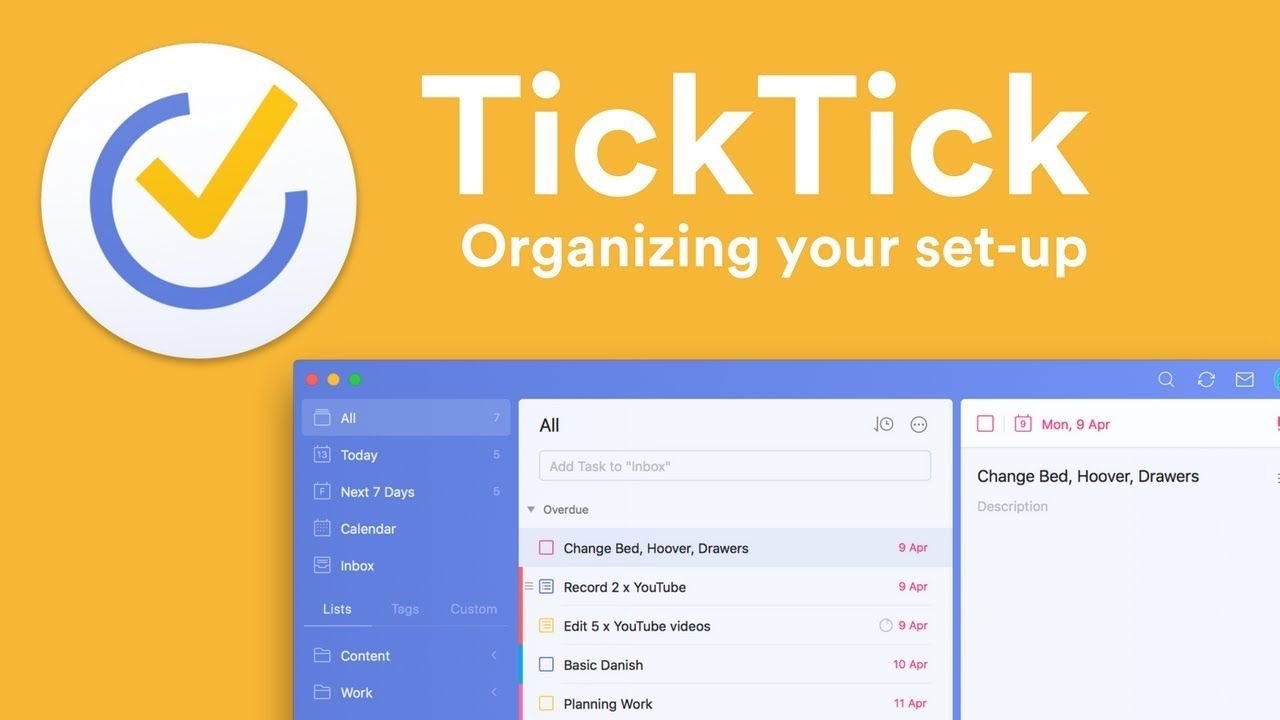
Use TickTick to plan a short reset and stop tasks from piling up. Keep the anchor to five or ten minutes. You protect attention and mood so the afternoon feels manageable. When midday is supported, evenings feel less depleted.
Take a Five-Minute Pause That Actually Helps
Create a five-minute pause you can repeat anywhere, even on a busy day. Stand up, change rooms, and relax your jaw and shoulders. Add a slow exhale because breathing out signals safety to your nervous system.
Look far away to rest your eyes. Avoid social scrolling during the pause, since it keeps your brain in intake mode. Return to work with a clearer focus and less friction.
Do A Fast Food And Water Check
Do a quick fuel and water check before you reach for caffeine. Ask if you ate protein, drank water, and moved a little since morning. If any answer is no, fix that first with a snack, water, or a short walk.
Energy dips often come from simple needs, not failure. Keep snacks predictable, like yogurt, nuts, or fruit with protein. This reduces irritability and improves focus.
Plan Only The Next Two Hours
Use the reset to plan the next two hours realistically. Choose one main task, one supporting task, and one admin item. This structure keeps your workload from feeling endless.
Do the main task first, then switch to smaller items. If you work with others, send one update so worry does not linger. A short plan lowers stress by turning pressure into steps.
Set Up TickTick So The Reset Happens Automatically
In TickTick, create a Midday Reset task with a repeating weekday reminder. Add a checklist for the pause, fuel check, and two-hour plan. Use the focus timer if time limits help you start without procrastination.
Keep the list short, because long lists create resistance. When the reminder hits, treat it like a meeting with your energy. After two weeks, adjust the time to match your drop.
Build An Evening Wind Down That Clears Mental Clutter
Evening self-care should shift you from output mode into recovery mode. Emotional organization matters because stress shows up at night.

If you want guidance, Calm can help you wind down with short sessions. The goal is not doing more; it is lowering stimulation before bed.
When evenings are calmer, sleep comes easier and mornings feel lighter. Keep the anchor simple so you do not skip it.
Set A Screen Boundary You Can Keep
Set a screen boundary that feels realistic instead of extreme. Pick a time, like 45 minutes before bed, to stop intense content and feeds. If you need your phone, switch to low stimulation tasks like music or a short session.
Turn on do not disturb and move apps off your home screen. This reduces spikes that delay sleep. A consistent boundary trains your brain to expect rest.
Use A Short Body Care Routine As A Signal
Use a short body care routine to signal that your day is ending. Wash your face, apply moisturizer, and brush your teeth in the same order. Make the routine comfortable, because sensory comfort helps your body relax.
If you shower at night, keep it warm, not too hot. Lay out tomorrow’s basics to reduce morning stress. This creates a predictable, calming transition into sleep mode.
Write A Three Line Reflection For Closure
Do a simple reflection that closes the day and reduces late overthinking. Write three lines: what went well, what felt hard, and what you will do tomorrow. Keep it brief so your brain gets closure without digging into detail.
If your mind races, list worries and postpone solving them until morning. This builds resilience by separating feelings from decisions. Over time, spirals happen less often.
Use Calm To Reduce Stimulation Before Sleep
Use Calm for a session that matches your state, not a long routine you quit. Choose a ten-minute wind-down, breathing exercise, or sleep story. If you feel tense, start with breathing first and save stories for later.
Keep volume low and screen dim so the room stays restful. Make the session the last thing you open at night. This reduces stimulation and makes sleep easier.
Protect Sleep So Your Routine Actually Works Long Term
Your routine needs a sleep protection rule because sleep multiplies every other habit. Focus on one repeatable rule that anchors your rhythm, even when days go off track.

If you need help settling, Pzizz can provide audio cues for sleep or naps. Aim for stable recovery, not perfect metrics or strict tracking. Protecting sleep also protects patience and decision-making. When sleep improves, self-care feels easier.
Anchor Your Schedule With A Consistent Wake Time
Pick a consistent wake time and treat it as the anchor of your schedule. Even after a rough night, get up near the same time so your body resets. If you nap, keep it short and early so it does not steal sleep later.
Avoid sleeping in as a fix, because it often triggers another late night. After a week, bedtime becomes predictable. This stabilizes energy.
Set Up Your Room For Rest, Not Stimulation
Set your room for sleep with simple light and temperature basics. Dim the lights in the last hour and keep the room cool if possible. Remove clutter near the bed because visual noise can keep you alert.
If sound is an issue, use steady background noise instead of playlists. Keep the bed for sleep, not work, so your brain learns the association. These changes improve sleep quality.
Use A Simple Plan For Night Waking
Have a plan for night waking so you do not spiral into frustration. If you cannot fall back asleep, sit up, breathe slowly, and keep the lights dim. Use Pzizz or a neutral audio track if quiet makes you ruminate.
Avoid checking the time, since it triggers pressure and mental math. Return to bed only when you feel sleepy again. This teaches your brain that wakeups are manageable.
Conclusion
A simple routine works when it fits your real life and supports emotional balance. You now have four anchors for mornings, midday resets, evenings, and sleep. Use the smallest version on hard days and the full version when you can.
Apps can help, but your consistency is the real tool. Review the routine weekly and remove anything that feels like busywork. Keep what improves mood, energy, and sleep. When you restart after a slip, you are still moving forward.