Self-care works best when it fits your real life, not an ideal schedule. How to build a sustainable self-care routine starts with habits you can repeat on busy and low-energy days.
You do not need long rituals to feel better; you need a few stable anchors. This article breaks the process into sleep, daytime recovery, input control, and tracking.
Each section includes one practical app you can use immediately. The goal is a steadier mood, clearer thinking, and better rest.

Protect Your Sleep Window Without Making It Complicated
Your routine becomes sustainable when sleep stops feeling random. You recover emotionally when you protect a consistent window for rest, even if bedtime shifts sometimes.
Sleep is your baseline reset, as it supports mood regulation and stress tolerance. Focus on three moves that are easy to repeat: a wake anchor, a short wind-down, and a plan for thoughts.
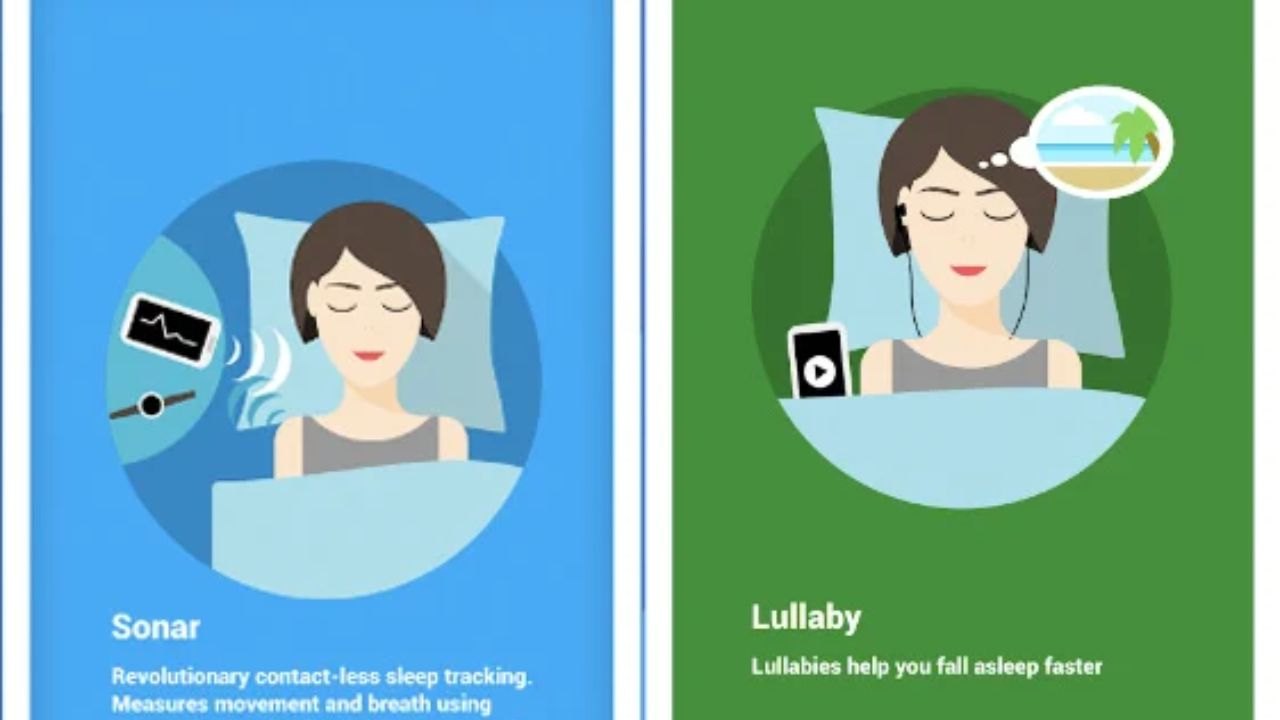
Use Sleep as Android to support timing, alarms, and gentle tracking. Keep it simple so you actually stick with it.
Pick A Wake Time Anchor That Stabilizes Your Week
Choose a wake time you can keep most days, including after rough nights. This gives your body a stable rhythm, which makes falling asleep easier over time.
A steady wake time reduces mood swings by regulating energy and alertness. In Sleep as Android, set a smart alarm window that wakes you gently within a range.
If you slip, return to the anchor the next day without punishing yourself. Consistency matters more than perfection.
Create A Short Wind Down Cue You Can Repeat
Pick a wind-down cue that takes ten minutes or less, so it survives real evenings. Dim lights, wash your face, and set your phone aside in the same order each night.
A repeatable cue trains your brain to shift from doing mode to resting mode. In Sleep as Android, set a bedtime reminder that triggers your cue at a reasonable time.
Avoid adding too many steps, because complexity kills consistency. If you miss the cue, do a shorter version and still go to bed.
Use A Simple Plan For Night Thoughts
Racing thoughts are common when your day feels stressful or unfinished. Instead of fighting thoughts, you give them one place to land, then you return to rest.
A one-line plan lowers pressure because it stops mental looping. Keep a notebook beside your bed and write the thought once, then write one next step for tomorrow.
In Sleep as Android, use a sleep sounds option only if it helps you settle, not as a crutch. If you wake up again, repeat the same method.
Keep Weekends From Breaking Your Sleep Rhythm
Weekends can quietly undo your routine if your sleep schedule swings too far. Try to keep your wake time within one hour of your weekday anchor when possible.
Small timing changes protect recovery because your body stays aligned with a stable rhythm. If you stay up later, still wake near your anchor, then take a short early afternoon nap if needed.
Sleep as Android can show patterns across the week, so you see what helps. Treat weekends as a lighter version of your routine, not a restart.
Stabilize Your Day With Basic Recovery Breaks
Sustainable self-care depends on how you manage stress during the day, not only at night.

Short recovery breaks prevent emotional buildup that later turns into irritability, shutdown, or restless sleep. Planned breaks protect your nervous system when demands keep piling up.
The key is scheduling breaks before you feel overwhelmed, not after. Use the Time Timer app to create clear work and break windows. The goal is steady energy, not nonstop productivity.
Use a Two-Minute Reset After Stress Spikes
When stress hits, you need a reset that is fast and repeatable. Stand up, loosen your shoulders, and slow your exhale for a couple of minutes.
A tiny reset interrupts reactivity because your body exits alert mode sooner. In Time Timer, set a two-minute countdown and commit to staying off your phone.
When the timer ends, pick one next action that moves you forward. This keeps you calm and prevents stress from spreading into the next hour.
Add A Short Walk Or Stretch To Clear Tension
Physical tension often builds before you notice emotional strain. A five-minute walk or stretch can reduce pressure and improve focus quickly. Movement clears mental noise by releasing built-up stress signals.
Use Time Timer to protect a short movement break after long sitting or heavy conversations. Keep it simple: walk to a window, stretch your back, and relax your jaw. When you return, start with an easy task so you rebuild momentum.
Use A Short Checkpoint To Prevent Emotional Spillover
Emotional spillover happens when you carry one stressor into everything else. A checkpoint helps you pause and decide what deserves attention right now.
A quick checkpoint restores control by separating the problem from the rest of your day.
Ask yourself what happened, what you need, and what you can do in ten minutes. Set the Time Timer for three minutes and write a short answer in notes or on paper. Then do the one small action and move on.
Choose A Stop Point That Protects Your Evening
Many routines fail because evenings stay packed with unfinished tasks and lingering stress. A stop point is a clear time when you shift from output to recovery. A protected stop point supports sleep because your brain gets a real end to the day.
Use Time Timer to set a final work block, then stop when it ends. If tasks remain, capture them for tomorrow instead of pushing them late. This makes your routine sustainable across busy weeks.
Reduce Emotional Noise With A Clean Input Routine
Emotional recovery gets harder when your mind is flooded by constant content and alerts.
A clean input routine helps you control what enters your attention, especially during fragile moments. Less noise means faster recovery because your brain stops switching between stress signals all day.
You are not avoiding the world; you are choosing timing and limits. Use Opal to block distracting apps and set focus windows. Your goal is calmer inputs, not total restriction.
Create A Morning Window With No Feeds
A quiet start reduces emotional volatility and improves decision-making. Delay social feeds and news until you finish a basic start, like hydration and planning.
A calm morning sets the tone because you choose your day before content chooses it for you. In Opal, block your most tempting apps for the first 30 to 60 minutes.
Use that time for simple self-care that does not require motivation. When the window ends, check messages with intention, not reflex.
Build A Notification Filter That Protects Calm
Notifications pull you into other people’s priorities and can spike stress quickly. Turn off non-essential alerts and keep only what you truly need in real time.
Fewer alerts reduce emotional jolts because your attention stays steady. In Opal, schedule focus sessions when you need deeper calm, like mid-morning or early evening.
If you worry about missing something, set two check-in times for messages. This keeps you informed without staying on edge.
Keep One Daily Check For High Stimulation Content
Some content is useful, but constant checking increases anxiety and distraction. Create one daily check window for news or social updates, then close it. One planned check reduces spirals by stopping the urge to refresh.
Use Opal to limit access outside your chosen window. If you catch yourself reaching for the app, pause and take one breath before deciding. Over time, your routine feels quieter and more sustainable.
Keep Your Routine Sustainable With Simple Tracking
Tracking helps when it stays light and focused on patterns, not perfection. You build sustainability by noticing what supports you and what drains you, then adjusting one habit at a time.
Tracking turns guesswork into clarity because you see cause and effect across days. Keep the system quick, so you do not abandon it after a week.
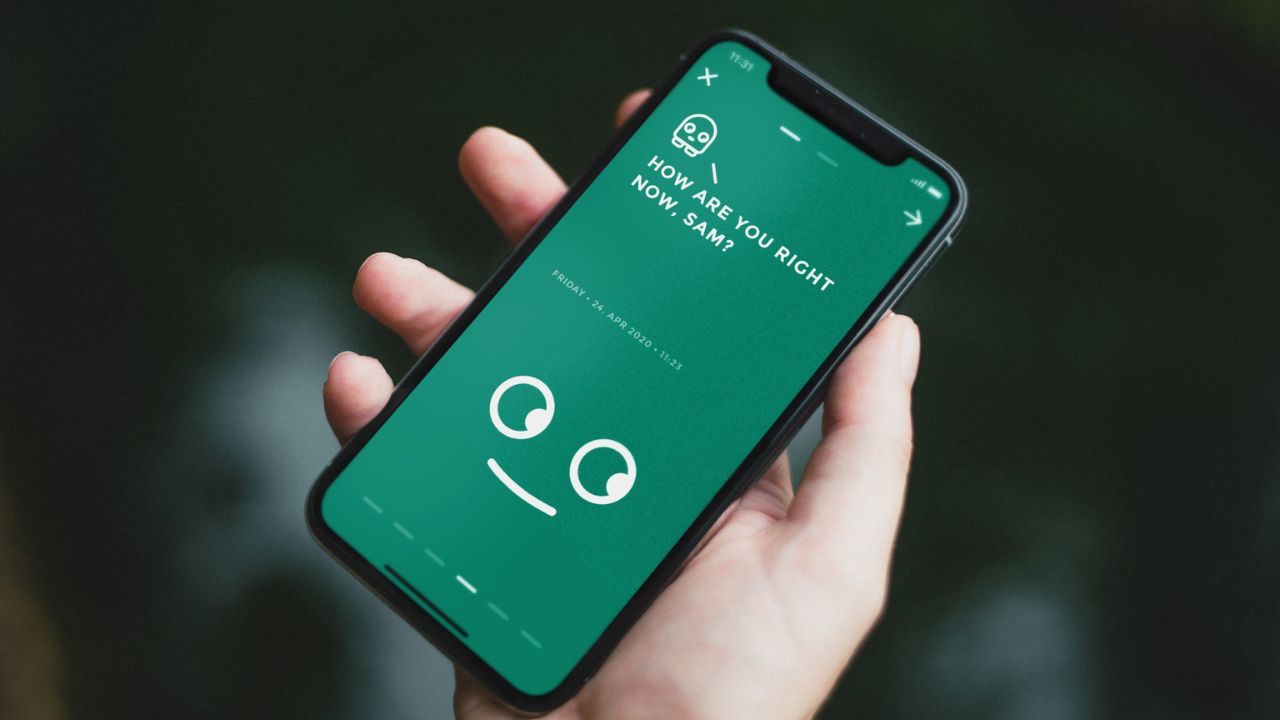
Moodistory works well because it supports mood entries, context, and short notes. You will use it as a guide, not a scorecard.
Do A One Minute Check In For Mood And Energy
Once per day, log your mood and energy with a simple rating. Add one or two tags that describe the day, like poor sleep, conflict, or long screen time. One minute is enough because consistency matters more than detail.
In Moodistory, keep tags limited to keep logging fast. If you miss a day, restart immediately without backfilling. Over time, the pattern becomes clearer, and you make better choices.
Use Minimum Day Rules When Life Gets Heavy
A sustainable routine needs a version that works on bad days. Minimum day rules define the smallest actions that still count, like hygiene, hydration, and one short reset.
Minimum rules prevent collapse because you stay connected to your routine even when exhausted. In Moodistory, note when you used the minimum plan and how you felt afterward.
This helps you see that small actions still support recovery. When energy returns, you can expand without starting over.
Track Triggers Alongside Recovery Habits
Self-care improves faster when you notice what triggers stress, not only what calms you. Track a few common triggers, like late caffeine, conflict, or skipping meals. Triggers explain setbacks by showing why a day felt harder than expected.
In Moodistory, add a short note when a trigger happens and what helped afterward. Keep it brief so you do not turn tracking into rumination. The goal is insight that leads to small changes.
Review Weekly And Adjust One Habit
Once a week, review your entries and look for one clear pattern. Choose one habit to adjust, such as a tighter sleep anchor or a stronger input limit. One change keeps it sustainable because you avoid constant overhauls.
In Moodistory, scan for the days you felt best and ask what was different. Keep the next week’s plan simple and realistic. This weekly reset turns your routine into something you can maintain long term.
Conclusion
A sustainable routine is not built through motivation; it is built through repeatable anchors. How to build a sustainable self-care routine becomes clearer when you protect sleep, plan daily recovery breaks, and reduce emotional noise.
Start small and keep the plan realistic. When the routine fits your week, emotional recovery gets easier. Your goal is steady support, not perfection.