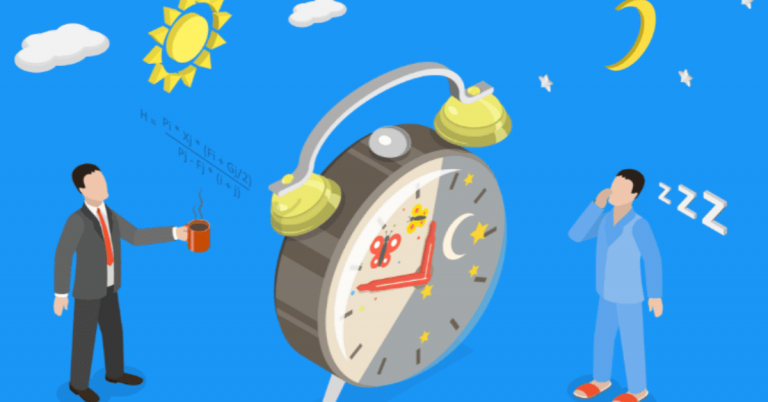
A relaxing evening routine can transform your mental and physical well-being. How to Create a Calming Evening Routine is a question many ask when daily stress builds up.
A consistent approach helps you unwind, prepare for restful sleep, and reduce anxiety. Let this guide walk you through practical steps to craft the right end-of-day flow.
The Importance of a Wind-Down Period
Evening routines aren’t just habits—they’re cues for your body to relax. Establishing a clear shutdown phase tells your mind it’s time to switch from work mode to rest.
You create a buffer between the chaos of the day and the peace of night. This step is essential for mental reset and better sleep quality.
Minimize Blue Light Exposure
Screens disrupt your internal clock. Reducing blue light at night helps regulate your natural sleep hormone—melatonin.

Try switching to night mode on devices or using blue light glasses. Limiting screen time 60 minutes before bed works even better.
Make Sleep Preparation Intentional
A calming evening routine begins with deliberate transitions. Prepare your room and body to signal it’s time to sleep.
Dim the lights, close the curtains, and brush your teeth mindfully. These actions form part of your mental and physical cue system.
Build an Effective Routine in 30 Minutes or Less
Short on time? You can still create a routine that works. Focus on these core tasks that bring calm without requiring a long process.
Quick Reset for the Mind
Choose one mindfulness technique each night. This can be deep breathing, journaling, or a five-minute meditation.
You only need a few minutes to quiet your thoughts and center yourself. Prioritize activities that lower your mental noise.
10-Minute Self-Care Window
Give yourself a short burst of self-care. Apply a soothing skincare product, stretch lightly, or do a calming hobby. This builds a sense of personal attention and slows your pace. Keep it enjoyable and light.
Preparation for the Next Day
Spend a few minutes prepping for tomorrow. Lay out clothes, pack your bag, or jot down tomorrow’s top tasks.
This helps remove mental clutter and brings a sense of control. Small actions can prevent morning anxiety.
Choose Soothing Scents and Textures
Your senses play a key role in calm. Opt for natural fabrics, soft pajamas, and cozy blankets that signal comfort.
Use relaxing scents like lavender, sandalwood, or chamomile through essential oils or pillow sprays. Sensory cues make the shift into calm more physical and emotional.
Keep the Routine Consistent
Consistency builds rhythm and peace. Aim to follow your evening steps around the same time every day.
Repeating the same wind-down signals helps your brain know when to start slowing down. Even on weekends, stick to your sleep preparation rituals.
Use Low-Light and Ambient Sound
Lighting and sound impact your ability to unwind. Use warm-toned bedside lamps, string lights, or candles to replace harsh ceiling lights.
Add white noise, ambient nature sounds, or soft music if your environment is noisy. These sensory inputs work together to support calm.
Avoid Overstimulation Before Bed
Overactivity can delay rest. Avoid intense exercise, emotional conversations, or multitasking at night.
Save those for earlier in the day. Your goal is to gradually slow down and avoid triggering alertness.
Integrate Digital Detox Moments
Not all screen time is equal—but most of it keeps your brain stimulated. Try digital detox practices by replacing late scrolling with physical books or analog hobbies.
Keep devices out of your bed and consider a tech-free hour before lights out. You’ll feel mentally clearer and less agitated.
Break the Routine into Zones and Cues
Dividing your evening into purpose-based sections helps make each step more effective. Here’s how to structure your night using zones and cues.
Mental Zone: Clear the Mind
Use this time to remove inner noise. Write a short reflection, perform a gratitude list, or visualize a peaceful scenario. These help you mentally disconnect from your day’s demands.
Physical Zone: Care for the Body
Do tasks that involve movement or touch. Stretching, gentle yoga, skincare, or a warm shower fit here. These calm your nervous system through physical comfort.
Environment Zone: Set the Scene
Focus on your room. Adjust lighting, scents, temperature, and layout to feel clean, safe, and quiet. This reinforces relaxation through surroundings.
Respect Your Internal Clock
Everyone has different rhythms. Align your evening routine to your natural energy dips—some may benefit from winding down earlier, others later. Avoid pushing past tiredness, which makes falling asleep harder. Listening to your body helps you reset more effectively.
The Role of Nutrition in Evening Calm
What you eat and drink in the evening affects your sleep. Avoid caffeine, alcohol, and large meals close to bedtime.
Choose calming options like chamomile tea, warm milk, or magnesium-rich snacks. Keep digestion light and soothing.
Don’t Let Productivity Ruin Your Peace
It’s tempting to “fit in” more at night. But resist using your evening for work, life admin, or deep learning tasks.
Nighttime should be about releasing pressure, not adding more. Learn to view stillness as productive in itself.
When You Can’t Sleep, Shift Your Energy
If your body resists sleep, don’t force it. Get up and do a low-stimulation activity, like reading or breathing exercises, in dim light.
Don’t scroll or turn on bright lights. Gentle activity helps reset your rhythm without adding stress.
Reinforce Calm Through Simple Rewards
Motivate consistency with light rewards. Use a favorite playlist, soft blanket, or scented candle as a treat you look forward to.

These positive associations encourage repetition. Small joys go a long way in habit-building.
Track Progress and Adjust
Pay attention to what works. Reflect on your energy, sleep quality, or mood after each week. Adjust your routine based on results—maybe your tech cutoff time is too late, or your lighting is too bright. A calming routine evolves with your needs.
Final Thought: Build Calm, One Night at a Time
Creating a peaceful evening routine isn’t about perfection. How to Create a Calming Evening Routine comes down to small, intentional steps done with care.
Even just 15 minutes of the right habits can transform your rest. Choose calm daily—it compounds over time.