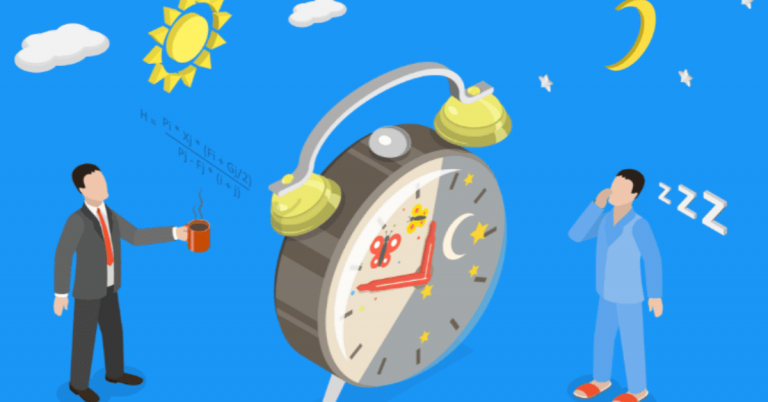
Energy is not only about motivation, but it is also about daily maintenance. This guide on self-care that supports daily energy focuses on small routines that actually fit real schedules.
You will learn how to wake up cleaner, avoid midday crashes, and protect your mood. Each section gives practical steps you can repeat without pressure.
You will also see one app per section that helps you stay consistent. The goal is steady energy, not a perfect lifestyle. Start with one change, then build from there.

Start With A Morning Reset That Wakes Your Body Up
Mornings set the tone for how your energy behaves later in the day. If you wake up rushed, your body often stays in that state for hours.
A reset routine should be short, predictable, and easy to repeat. Your first 20 minutes matter more than an intense routine you quit.
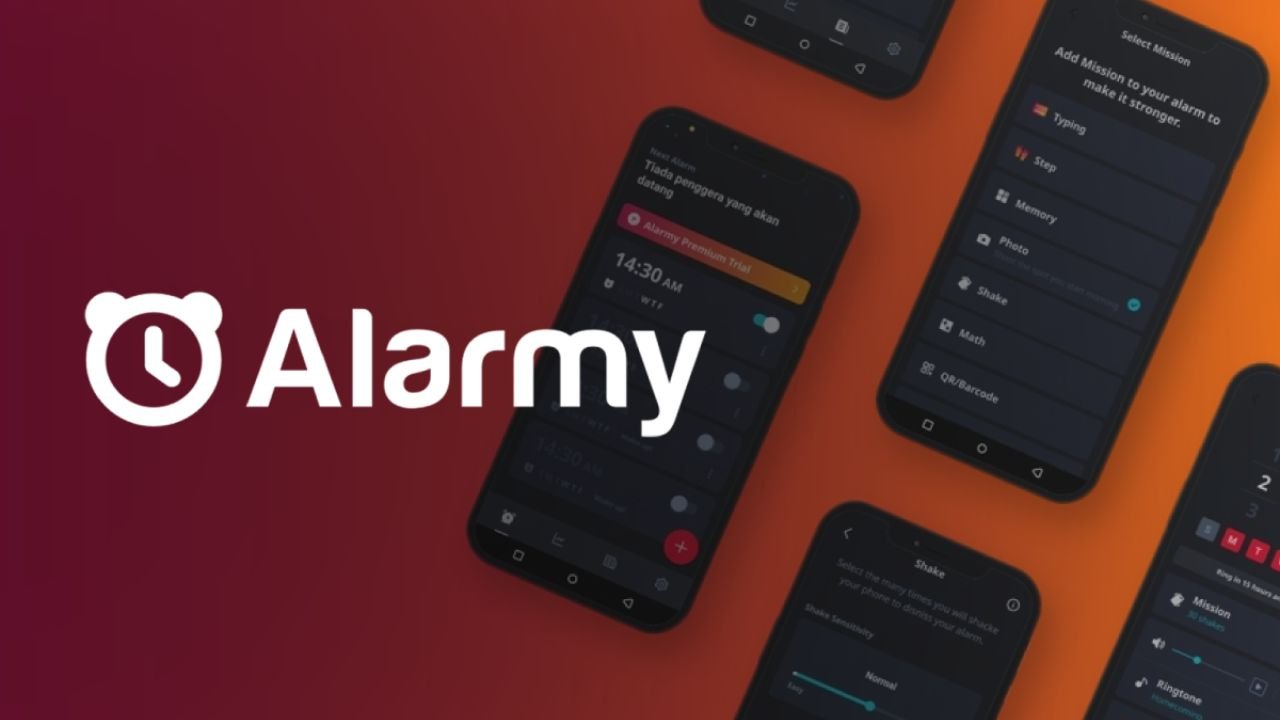
Use Alarmy as a simple tool to reduce snoozing and build consistency. The point is to start moving with intention, not to chase perfection.
Light Exposure And Water Before Your Phone
Get light in your eyes early by opening curtains or stepping outside. Drink water before scrolling so your body starts to hydrate immediately. A low-friction start reduces grogginess because it supports basic physiology first.
If you use Alarmy, set a mission that requires standing up. Keep your phone across the room so you cannot snooze half asleep. This creates momentum without needing motivation or a big plan.
A Two Minute Movement Wake Up
Do two minutes of movement to raise alertness and reduce stiffness. Pick a simple option like shoulder rolls, gentle squats, or a short stretch. Keep it easy enough that you do not negotiate with yourself.
Small movement signals daytime to your nervous system and helps circulation. If you wake with tension, breathe slowly while you move. You are aiming for activation, not a workout.
A Quick Priority Check To Reduce Mental Noise
Take one minute to decide what matters most today. Write three priorities on paper or in a note app, then stop. Do not create a long list that makes you feel behind. A short priority check reduces mental clutter and lowers stress early.
If you use Alarmy, pair it with a reminder to do this step. You will feel more in control because you chose a direction.
Use Alarmy To Make Consistency Easier
Alarmy is useful when the problem is not knowledge but follow-through. Choose one alarm time and keep it stable across weekdays. Set the alarm mission to a barcode or photo in another room.
A consistent wake trigger prevents the “just five more minutes” loop from taking over. Keep a backup alarm, but do not add many alarms. The goal is a clean wake, not a noisy morning.
Build Midday Energy Without Overcaffeinating
Afternoon crashes often come from dehydration, heavy meals, and long screen focus. You can prevent this without living on coffee or energy drinks.

Midday self-care is about small resets that keep your body stable. Energy dips are predictable when you track patterns instead of guessing.
Waterllama can help by making hydration visible and easy to maintain. The goal is steady energy that carries you to evening.
Eat For Steady Energy With Simple Timing
Aim for meals that support stable blood sugar, not quick spikes. Include protein and fiber, so you stay full and focused longer. Avoid skipping lunch, because that often leads to later cravings and fatigue.
Balanced meals support attention more than a second coffee for many people. If you snack, choose something that does not crash you later. Keep timing consistent so your body expects fuel at regular hours.
Short Breaks That Restore Focus
Take a short break every 60 to 90 minutes of screen work. Stand up, look far away, and move your shoulders and neck. Avoid scrolling on breaks, because it keeps your brain in intake mode.
Micro breaks protect energy by reducing mental fatigue and tension buildup. Keep it simple, so you actually do it daily. When you return, focus often feels sharper without extra effort.
Hydration And Temperature Tricks That Help Fast
Mild dehydration can feel like low energy, brain fog, and irritability. Drink water steadily rather than chugging it late in the day. If you feel sluggish, wash your face with cool water or step into fresh air.
Temperature shifts can refresh you by quickly changing your sensory state. Use Waterllama reminders to keep hydration consistent. You will often need less caffeine when hydration improves.
Protect Your Mood With Emotional Organization
Emotional energy matters as much as physical energy. If your mind feels scattered, small tasks feel heavier than they should.
Emotional organization is not about ignoring feelings; it is about handling them cleanly. Mental clutter drains attention and reduces your ability to stay calm.
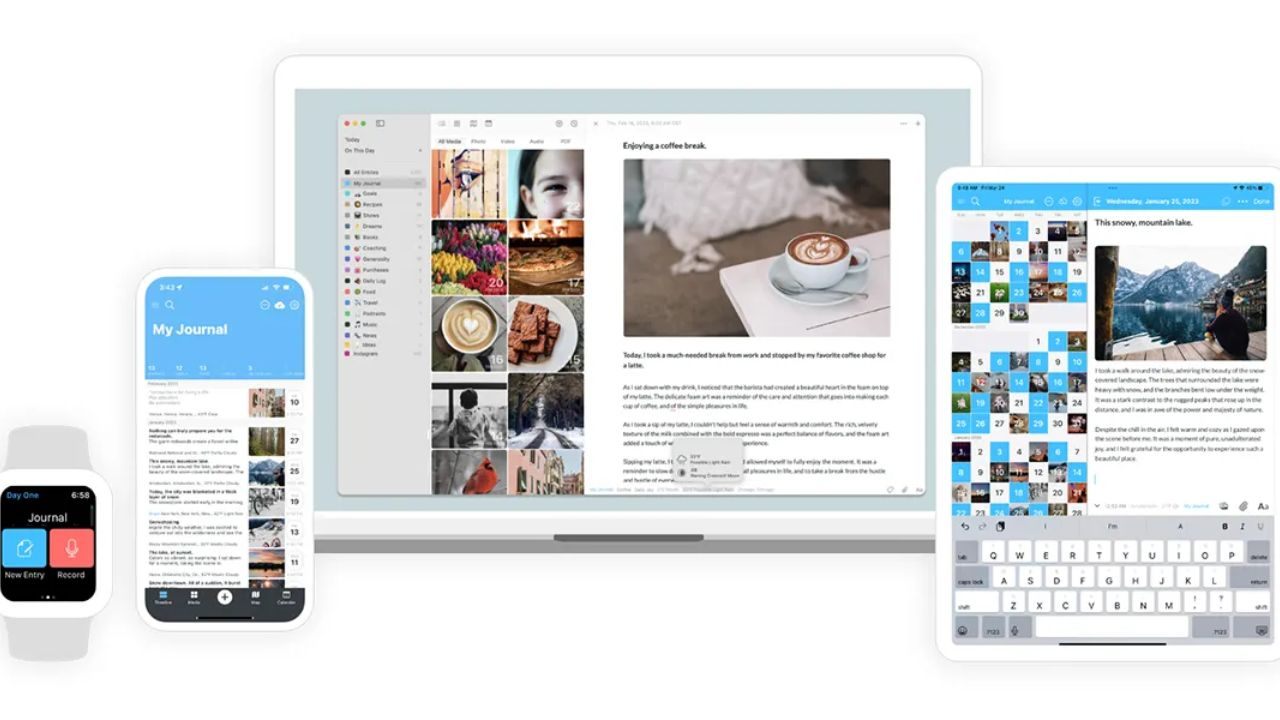
Day One is a helpful journaling app for building a simple reflection habit. You are creating space so your day feels lighter.
A Three-Line Journal To Clear Your Head
Write three lines that capture what is happening inside you. Start with one sentence about what you feel, one about what triggered it, and one about what you need next. Keep it short so it does not feel like homework.
Three lines create clarity because your brain stops looping the same thought. Use Day One prompts if you do not know what to write. The point is emotional processing, not perfect writing.
Boundaries With Notifications And Messages
Notifications can fragment your attention and keep you emotionally reactive. Turn off alerts that are not urgent, especially for social apps. Check messages at set times so you are not always on call.
Notification boundaries protect calm because your brain gets fewer interruptions. If you need to be reachable, use favorites or priority contacts only. Your energy improves when your day has fewer sudden spikes.
A Reset Routine After A Bad Moment
Bad moments happen, but spirals are not automatic. Use a reset routine that includes breathing and a small physical action. Try a slow inhale, slow exhale, then drink water or step outside.
A quick reset breaks loops by interrupting the pattern early. In Day One, log what worked so you can repeat it. This builds confidence that you can recover fast.
Sleep Habits That Multiply Your Next Day Energy
Sleep is the most reliable lever for daily energy, but it needs consistency. You do not need a strict routine; you need one you can keep.
Sleep quality improves when your evenings are calmer and your mornings are stable. Sleep protects emotional resilience and makes everyday tasks feel easier.
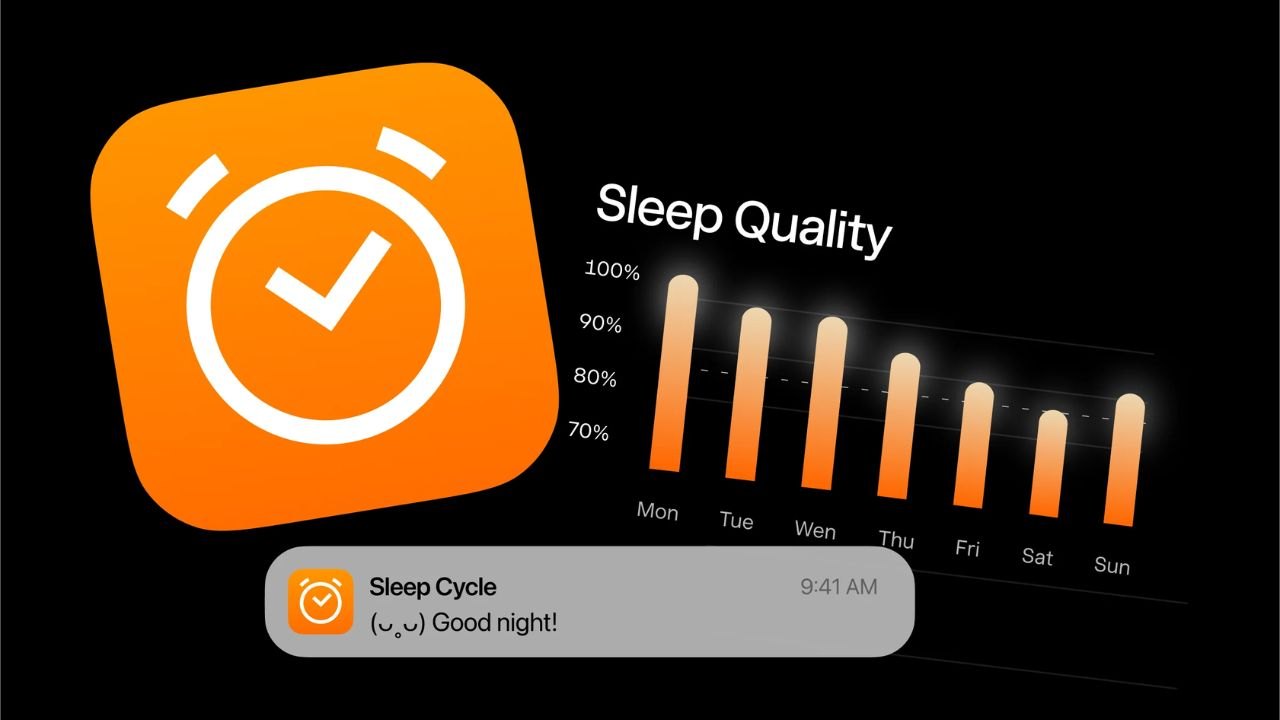
Sleep Cycle can help by showing patterns and timing your wake more smoothly. Your goal is steady recovery, not perfect sleep data.
A Wind Down Routine You Can Stick To
Start winding down 30 to 45 minutes before sleep. Dim lights, lower stimulation, and choose one calm activity like reading. Keep the routine predictable so your brain learns the signal.
A repeatable wind-down reduces late-night restlessness because your body expects sleep. If you use Sleep Cycle, set a bedtime reminder to start this routine. This makes sleep feel like a transition, not a sudden stop.
Keep The Bedroom Setup Simple And Consistent
A comfortable sleep environment supports better recovery without extra effort. Keep the room cool, dark, and quiet as much as possible. If noise is an issue, try a fan or a simple white noise source.
Your bedroom should feel restful so your brain associates it with sleep. Avoid working in bed if you can. This creates a stronger boundary between rest and stress.
What to Do When You Cannot Fall Asleep
If you cannot fall asleep after about 20 minutes, change the approach. Get out of bed, keep the lights dim, and do something calm until sleepy. Avoid checking the time repeatedly, because it increases stress.
Pressure makes sleep harder and keeps your mind active. When you return to bed, focus on slow breathing instead of forcing sleep. Over time, this reduces the tendency to toss and turn.
Use Sleep Cycle To Learn Your Patterns
Sleep Cycle can help you notice patterns like late bedtime drift or inconsistent wake times. Use it for awareness, not judgment, so you do not turn sleep into a performance. Track for a week, then look for one change that improves your average night.
Data is useful when it leads to action, like earlier wind-down or fewer late screens. Use the smart alarm window if it helps you wake more smoothly. If tracking stresses you, use fewer features.
Conclusion
Daily energy is rarely determined by a single big change. Real progress comes from routines you repeat. Keep your morning simple, then protect midday fuel with hydration and breaks.
Small habits add up when you track what helps and what drains you. Adjust one step each week and keep the rest stable. That is self-care that supports daily energy.