
Building sustainable daily habits can seem overwhelming, but the rewards are profound. I’ve learned over the years that consistency—not intensity—is what really drives improvement.
If you’re hoping to create healthier routines around self-care , mental organization , and emotional balance, this guide is for you. The biggest benefit? These habits can genuinely make each day feel steadier and more fulfilling.
Why Sustainable Habits Matter for Well-Being
Maybe you’ve felt burned out after setting too many ambitious goals. I’ve been there. That’s why focusing on sustainable habits, rather than quick fixes, matters so much.
Sustainable routines create a supportive foundation for mental health and emotional stability. Instead of chasing trends, you learn to work with your mind and body, gradually.
How to Start: Identify What Really Matters
Before jumping in, pause and reflect. What part of your life feels chaotic? Is it your sleep, or maybe your ability to focus? Start by choosing just one area.
For me, improving my ability to wind down in the evening felt urgent. Addressing that first helped everything else feel a little bit easier.
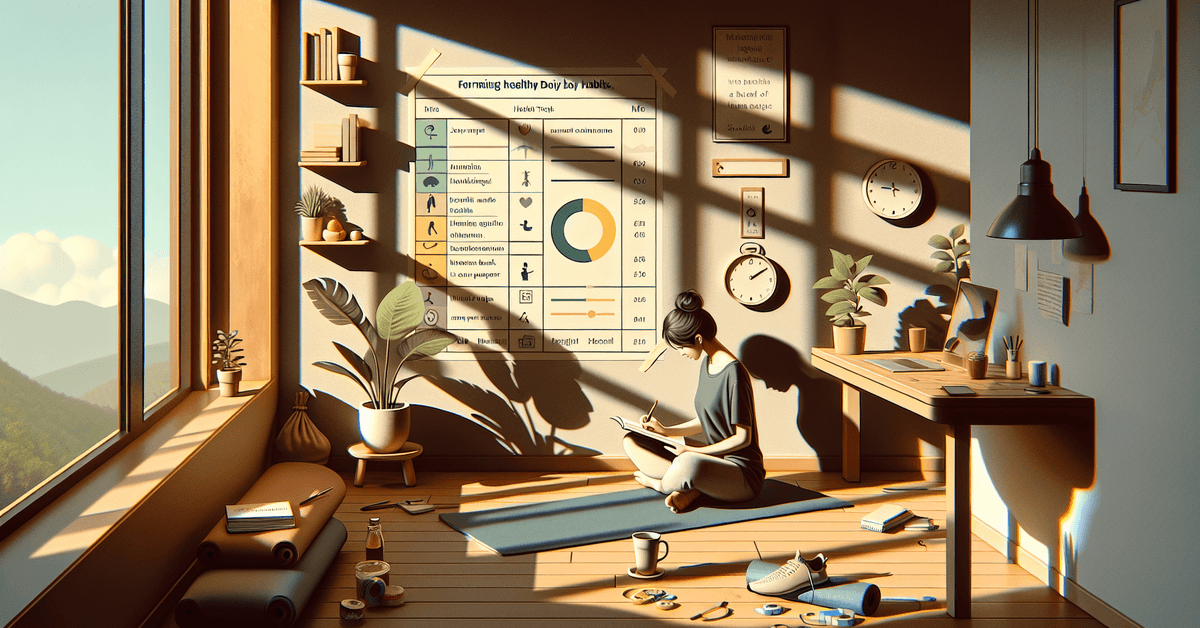
The Science Behind Habit Formation
Habits, as I’ve read, are basically mental shortcuts formed through repetition. Research shows it can take anywhere from 18 to 66 days to adopt a new routine.
That’s surprisingly variable! The trick is repetition, but also making the behavior simple—almost automatic. If you want to learn more, this explanation by James Clear is a helpful resource.
Key Steps to Building Consistent Habits
1. Start Ridiculously Small
It might feel counterintuitive, but I found that tiny changes stick best. Want to journal? Begin with one sentence. Consider introducing easy writing prompts for emotional wellness to remove friction and make it less daunting. These micro-habits build up over time.

2. Link New Habits to Existing Ones
If you always make tea after lunch, perhaps that’s your cue for a five-minute stretch. Habit stacking, as it’s called, cleverly latches new behaviors onto established ones, making them harder to forget.
3. Track Progress, But Don’t Obsess
I like ticking a box on my calendar after meeting a daily goal. But I’ll admit, some days get missed. That’s normal. The key is to see the bigger picture and not panic over imperfections. Many tracking apps (like Productive) can help, or simply use pen and paper.
Healthy Habits to Support Emotional Routine
Sleep Hygiene
Every wellness article mentions sleep, and well, for good reason. Quality sleep boosts mood, sharpens focus, and improves resilience. Start small by setting a consistent bedtime or dimming screens before sleeping. If you’re curious, you can compare popular bedtime routines here on our blog.
Mindful Breaks
The modern world is full of distractions. Integrating mindful breaks —pausing to breathe or stretch—restores a sense of calm. I sometimes just stare out the window for two minutes. Simple, but surprisingly restorative.
Digital Declutter
Notifications, emails, and endless content clutter our minds. Choosing one time block daily to disconnect can lift a surprising weight. Even a 20-minute break away from screens can be calming. Here’s our digital detox guide if you want more structured steps.
Nourishment Habits
What you eat can affect your mood and focus. I find a balanced breakfast and regular meals stabilize both my body and mind. Not perfect every day, but I notice a real difference when I keep things simple and nourishing.
Common Challenges—and What Helps
Handling Slip-Ups
Let’s be real: missing a day happens. Maybe life just throws you off, or motivation dips for no clear reason. Sustainable habits aren’t about perfection; they’re about coming back, gently, when you veer off track.
Staying Motivated Long-Term
One trick? Connect small habits to meaningful outcomes. On days when I don’t want to go for a walk, I remind myself that those few minutes, over time, accumulate into better sleep or a steadier mood. Linking purpose to habit makes the effort easier to sustain.
Adjust and Experiment
Not every routine suits every person. Some people love early mornings, others function better late at night. Adapt, tweak, and even abandon a routine if it’s not serving you. Consistency matters, but flexibility is equally important.
Visual Prompt: Simple Habit Tracker Table
| Habit | Daily Goal | Track (M-T-W-T-F-S-S) |
|---|---|---|
| Sleep Routine | Lights out by 10:30pm | ☐ ☐ ☐ ☐ ☐ ☐ ☐ |
| Journaling | One sentence | ☐ ☐ ☐ ☐ ☐ ☐ ☐ |
| 10-min Walk | After lunch | ☐ ☐ ☐ ☐ ☐ ☐ ☐ |
Frequently Asked Questions About Building Sustainable Habits
How long does it take to form a habit?
While some say three weeks, research shows it can take much longer—sometimes 2–3 months. The important part is not the speed, but the gentle, steady repetition.
What if I lose motivation?
That’s normal. Try reconnecting with the reason why you started. Or, adjust the goal to fit your current life rhythm. Even small efforts count; you don’t have to start over.
Can habits improve emotional health?
Absolutely. When routines support your emotional needs—like calm, rest, or connection—they enhance resilience and lower stress. Even imperfect routines can nurture well-being.
Conclusion: Begin Small, Stay Patient
I used to assume ambitious plans were more effective, but I was wrong. If you’re hoping to improve your emotional well-being , sustainable habits—built patiently, tweaked often—truly pay off. Start by picking just one new routine. Be gentle with yourself, and remember: every attempt matters.
Ready to take the next step? Explore our top healthy evening routines —or simply jot down your first micro-habit now. Change, I’ve learned, starts with the tiniest, most forgiving steps.